Looking Closely at Fluorotoluene: More Than Just a Chemical Name
Historical Roots and Shifts in Production
Fluorotoluene didn’t appear overnight in chemistry labs. Its story ties back to curiosity-driven work with aromatic compounds in the early twentieth century, when scientists first started adding halogens to toluenes to figure out how these changes might nudge reactivities, boiling points, or solvent abilities. What started as an academic project soon found a place in larger industrial syntheses. Broad interest kicked in around the 1950s, as pharmaceuticals and agricultural research exploded with new synthetic routes. Adding fluorine to aromatic rings shifted the game: everything from metabolic stability to volatility and solvent properties changed. Fast forward to today, and fluorotoluene stands in the toolkit of many chemists, whether they’re designing performance materials or exploring how to fine-tune drug molecules for better absorption or longer life in the body.
What’s In A Name? Product Overview and Variety
People talk about “fluorotoluene” as if it’s one thing, but the term covers a handful of isomers. You have ortho-, meta-, and para-fluorotoluene, each one slightly different in arrangement and behavior thanks to the simple trick of moving one fluorine atom around the toluene ring. These small differences matter in real-world uses, whether you want to direct a synthesis a particular way or tune a compound’s physical properties. Industry usually works with clear, colorless liquids, easy to blend into larger batches or processes, loaded out in drums and cans with all the proper labeling to avoid confusion and mistakes. The naming landscape also gets crowded, with people using numbers or calling products methylfluorobenzene, keeping everyone on their toes during procurement and research.
Living in the Details: Physical and Chemical Characteristics
Fluorotoluene doesn’t stand out to the naked eye; it looks just like many solvents: clear, light, and easily pourable. The aroma comes through sharp, almost sweet. Its boiling points fall in the comfortable range for most organic solvents, high enough to avoid easy evaporation, low enough to distill without special equipment. This matters on the bench, where you want predictable behavior. The presence of fluorine alters the ring’s reactivity—electron withdrawal changes both the rates and outcomes in many reactions. Those little tweaks often open up downstream options, especially when making more complex chemical structures. Such properties give researchers reasons to swap fluoro- for other halogens or stick with it during optimization.
Technical Markers and Labeling In Practice
Precision matters with chemicals like this. Fluorotoluene gets shipped with clear CAS numbers, purity grades, and routes for trace impurity checks. Proper labeling signals risk, storage suggestions, and quick first aid guidance. The more specific the bottle, the less chance for mix-ups—no one wants to swap para- for ortho- in a large-scale batch and end up with disappointing results or unknown byproducts. On shipping documents, you’ll see hazard statements, UN numbers, and guidance to keep everything above freezing, out of sunlight, and away from strong acids and bases. Everything gets a once-over on arrival, with chemists checking certificates of analysis to make sure the product fits their specs.
Making The Stuff: Synthesis and Preparation
The basic recipe for fluorotoluene starts with toluene itself. Old-school approaches called for direct halogenation, but yields and selectivity weren’t always great, especially if you wanted just one isomer. The dream for any process chemist: lots of product, as little waste as possible, tight control over what’s in the flask. Modern methods lean on more targeted routes, such as nucleophilic aromatic substitution or directed ortho-metalation, depending on the isomer you’re after. Catalysts, temperature tweaks, special solvents—all these details add up. The move toward greener, less hazardous methods speaks to the industry push to avoid toxic reagents, limit byproducts, and find routes less likely to splash waste into the environment.
Reactions and Room for Tinkering
Chemists love fiddling with molecules, and fluorotoluene offers a nice playground. The fluorine on the ring shifts electron density, opening up new avenues for electrophilic and nucleophilic actions. These properties make it a stepping-stone for building larger, more complex aromatic scaffolds—great for drug discovery, dyes, or agrochemicals. Many researchers use these rings to test theories about metabolism in animals, or stability under harsh industrial settings. Beyond lab-scale work, industry blends fluorotoluene into multi-step syntheses to punch up yields, sweeten selectivity, or dodge costly purification steps. The value isn’t just in the single product, but in the web of options it unlocks for downstream chemistry.
The Naming Game: Synonyms and Identifiers
Anyone sifting through databases or ordering raw materials bumps into naming chaos with compounds like fluorotoluene. Chemical Abstracts numbers offer clarity, but paperwork, invoices, and research papers might list methylfluorobenzenes, mono-fluorotoluenes, or simply attach the isomer location as a prefix. This causes mix-ups—an easy source of headaches if the labeling system in a warehouse lags behind what a lab expects. Academics and manufacturers push for harmonized terms and stricter cataloging, which saves both research time and avoids costly ordering errors.
Staying Safe and Keeping Operations Smooth
Anyone who’s worked with volatile organics learns to take safety seriously. Fluorotoluene vapor builds up fast in closed spaces, and it irritates the skin, eyes, and respiratory tract. You have to handle it with gloves, goggles, and vented hoods. Storage must keep it away from open flames or sources of sparks, given its flammability—one careless move, and you find yourself scrambling for extinguishers and a report form. Regulatory agencies push safety data upfront, listing exposure limits, safe disposal methods, and long-term toxicity studies. Sites using or manufacturing this chemical build training into every level, emphasizing spill response, emergency showers, and regular health checkups for frequent handlers. Risk does not disappear, but forethought and strict procedures tamp down hazards and keep teams healthy.
Where It Goes: Applications That Matter
Fluorotoluene gets a lot of use as an intermediate. In pharmaceuticals, it shakes up how molecules break down in the body; fluorinated drugs often stay active longer and resist metabolic churn. Agrochemical manufacturers blend these rings into pesticides and herbicides, increasing their potency and making them less likely to degrade under sun or rain. Electronics and plastics firms find value in the stable bonds, using small fluoroaromatics to tweak the properties of finished products, sometimes making them more resistant to heat or chemical attack. Research teams also use fluorotoluene as a model for studying structure-reactivity trends, helping design new materials or improve existing ones. Even when it doesn’t go into the final product, it proves itself as a solid stand-in or building block.
Putting Science to Work: Ongoing Research and Development
Every year, labs around the world look for better ways to make and use fluorotoluene. Research groups chase greener syntheses, aiming to swap out harsh chemicals and cut down hazardous waste. Some look at recycling—can spent materials be reused, or does the process end with landfill or incineration? Drug developers focus on how small changes in these aromatic rings affect biological activity, hoping to land treatments with more targeted effects and fewer side reactions. Polymer scientists, meanwhile, study how fluorine impacts heat and flame resistance, hoping to design lighter, tougher materials for aerospace or automotive purposes. Publications explode with new uses and better understanding of how these compounds move and degrade both in labs and in the environment.
The Question of Risk: Toxicity and Environmental Impact
Most organofluorines demand respect when it comes to toxicity. Skin absorption is low, but inhaled vapors cause irritation. Chronic exposure, even to small quantities, raises concern over long-term effects on the nervous system and liver. What worries many scientists and policymakers more is persistence in the environment. These molecules break down slowly, sometimes moving up the food chain in ways we only partly grasp. Studies look at their effects on aquatic life and track possible accumulation in soils and water. Regulators keep tightening standards for emissions and insist on better worker monitoring. Industry, recognizing both legal and moral responsibilities, invests in closed systems, improved scrubbing, and safer waste disposal.
What Comes Next: Prospects For The Future
Interest in fluorotoluene won’t disappear. As industries keep pushing for specialty chemicals with unique thermal, electronic, and biological qualities, demand for these building blocks only grows. Up-and-coming fields like medicinal chemistry, advanced electronics, and materials science feed off the tweaks fluorinated aromatics provide. At the same time, pressure grows from regulators and communities to limit long-lived chemicals that don’t break down in the wild. Cleaner manufacturing, faster screening methods for environmental impact, and tighter worker protections will shape both the opportunities and limitations around this molecule. What matters isn’t just making more of the stuff—it’s about making smarter choices on its use, pushing for responsible innovations, and staying prepared for the questions tomorrow’s research will ask.
What are the main uses of Fluorotoluene?
Fluorotoluene in Pharmaceuticals
Medicines depend on chemistry to fight disease. Fluorotoluene, a specialty chemical, plays a big role in this process. Many drug makers use it as a building block. The fluorine atom makes molecules behave differently, often making them tougher against breakdown in the body, or letting them target an illness more precisely. Antidepressants, antivirals, and cancer treatments all show up in textbooks with pieces of fluorotoluene in their molecular diagrams. I remember talking with a colleague at a manufacturing site; he said that without fluorinated starting materials like this, many projects would just fizzle out before reaching the pharmacy shelf.
Chemistry Behind Clean Electronics
Fluorotoluene helps shape technology, too. Thin circuit boards inside our phones and computers can’t work if dirt, grease, or leftover metal hang around during production. Some cleaning products need a solvent that removes stubborn residues and dries up fast. Fluorotoluene often joins the mix. Its low boiling point means it won't stick around long, but it’s strong enough to handle fine details. In large electronics factories, batches of components are prepared using solvents based on fluorotoluene, and then sent off for testing. The difference in defect rates, compared to less specialized solvents, can be dramatic.
Pesticides and Crop Care
Chemical companies lean on fluorotoluene for pest control products. Its structure lets them build pesticides that last longer on crops, improving protection, but limiting how much chemical gets sprayed each season. Most modern farmers count on advanced herbicides or fungicides to deal with threats that used to wipe out fields. Part of this progress comes from adding single fluorine atoms into old molecules. I once met a soy grower who said his yields shot up after using a new seed variety treated with a fluorinated protector. Less product, longer results, fewer spraying days in the field.
Fluorotoluene in Advanced Materials
The coatings on solar panels, the specialty plastics inside medical devices, the fancy surface treatments that keep fingerprints off touchscreens — these all need chemicals that can handle heat, sunlight, and wear. Some research teams have developed new materials using pieces derived from fluorotoluene. Its strong carbon-fluorine bond helps these products resist breakdown, which means solar panels collect energy longer, and plastics in hospitals can be sterilized many more times without losing their shape.
Challenges and Ways Forward
Safe handling matters with any fluorinated chemical. News stories pop up about environmental impacts from manufacturing byproducts, or long-lived waste that’s tough to break down. Facilities need careful venting, capture systems, and better recycling options to keep spills from leaching into soil or rivers. Companies are testing new catalysts that cut process waste or re-use spent chemicals, reducing problems long term. Pushing for safer, greener chemistry doesn’t happen overnight. People in the industry swap tips at conferences every year—what works, what fails, and how to keep employees safe while still building what the world demands.
Knowing What’s Under the Hood
Fluorotoluene doesn’t show up on supermarket shelves, but it quietly shapes daily life. From medicine to microchips, its chemistry supports a future that runs more smoothly. When we think about progress—better treatments, cleaner technology, safer crops—it pays to understand what runs beneath the surface, and to keep looking for ways to make these breakthroughs safer for everyone.
What are the safety precautions when handling Fluorotoluene?
Understanding the Risks
Folks dealing with chemicals like fluorotoluene know there’s no room for cutting corners. This colorless, sweet-smelling liquid shows up in labs and industry. It looks harmless, but its vapors and skin contact can cause real harm. Breathing even small amounts for a short time might irritate your nose and throat. Prolonged exposure may knock down your nervous system or hurt your lungs. Splashing it on your skin doesn’t feel great either. It’s one of those chemicals that call for real respect.
Ventilation Counts
Running fluorotoluene in an open room or crowded space raises the odds of feeling dizzy. Open windows don’t cut it. Labs usually use fume hoods. I’ve worked in research labs, and every time fluorotoluene came near, that fume hood fan ran full blast. Nobody wanted to find out what breathing those vapors over an afternoon did to your lungs or head. Good local exhaust isn’t luxury; it’s fundamental protection.
Don’t Skip the Gloves
Nitrile gloves go a long way. Fluorotoluene slides through some plastics, but not nitrile. Someone working beside me once grabbed the wrong glove. Fluorotoluene soaked straight through and their hand stung the rest of the day. Gloves cost less than hospital bills and weeks off work. Eye protection, too, stops the worry about splashes.
Storing it Right
Leaving fluorotoluene in a sunny window or near heat makes no sense. It boils at a low temperature, releasing vapors that can ignite if a spark flies nearby. I always tucked bottles in a flammable storage cabinet, away from acids or oxidizers. Clean, labeled shelves help keep mistakes down. More than once, clear labels prevented the wrong chemical from landing in the wrong reaction or waste stream.
Dealing with Spills
If a bottle tips over, it doesn’t mix with water, so flushing it down the drain just spreads the problem. Absorbent pads and a scoop handle most spills under supervision. Spills may sound simple, but people with asthma or skin sensitivities can get into trouble fast. It’s better to have a clear spill kit ready than to search for help when the smell hits. Everyone in my lab always took a few minutes every month to check the kits and read the safety cards again. Familiar faces, clear plans.
The Case for Clear Training
People’s safety depends on knowing what they’re dealing with. Explaining fluorotoluene’s hazards in plain language makes information stick. Sharing stories from the lab floor helps everyone remember what’s at stake. Any newcomer to a lab should watch, then walk through, handling steps with a supervisor before working alone. This routine often stopped slip-ups before they started.
Staying Ready for the Unexpected
Getting caught off guard by chemicals brings out tough lessons. Quick access to eyewash stations and safety showers isn’t negotiable. Watching others from nearby helps if someone needs sudden help. Keeping smartphones away means fewer distractions — hands stay free, minds stay sharp. In my own work, I never regretted double-checking those details.
Looking Ahead
Working with chemicals like fluorotoluene never gets routine. Attention to storage, ventilation, personal gear, and clear training cuts down the danger for everyone in the room. Industry safety rules didn’t appear out of thin air — they reflect real incidents, real injuries. Relying on experience, using the gear, and looking out for coworkers keeps everyone going home healthy, every day.
What is the chemical structure of Fluorotoluene?
Breaking Down Fluorotoluene
Fluorotoluene might sound like a name out of a chemistry textbook, but it carries weight in daily science and industry. At its core, this compound blends the backbone of a benzene ring with a single methyl group and a fluorine atom. That methyl group sticks to the ring, giving it the “toluene” part of the name. Adding fluorine to this mix brings a new twist, changing the molecule's behavior in interesting ways.
There isn’t just one fluorotoluene. Chemists recognize three types: ortho-, meta-, and para-fluorotoluene. The difference comes from where the fluorine sticks itself on the ring relative to the methyl group. Ortho means the fluorine is right next to the methyl group. Meta puts it one carbon away. Para sets it across the ring. Each structure gives the molecule a unique personality, influencing how it reacts and how it gets used.
Structure Shapes Use
The chemical formula for any fluorotoluene is C7H7F. Looking at the molecule, you see a six-carbon ring, one carbon branching off (the methyl group), and a fluorine atom tacked onto a different carbon on that same ring. I spent a few afternoons in the lab during college measuring the boiling points of ortho- and para-fluorotoluene. That stubborn little fluorine changes things—it makes the molecule heavier and shifts where its electrons hang out. Suddenly, this familiar toluene takes on new reactivity and some new uses.
In the world of materials and pharmaceuticals, small chemical tweaks open doors. Medicinal chemists prize these molecules for their edge in drug design. Adding a fluorine changes the way the body sees a compound—sometimes it slows down how fast an enzyme can chew it up or changes the path a drug follows in the body. What might seem like a minor swap to a non-chemist can spell a new medicine or a better solvent for making plastics.
Production, Hazards, and Environmental Questions
You most often see fluorotoluene created in a lab through halogenation of toluene using a fluorine source. This process takes skill and equipment. No one should take the safety aspects lightly. Many students, myself included, learned the hard way that fluorine chemistry deserves respect—protective eyewear, good ventilation, and a careful hand save labs from ruined days and worse. These chemicals catch fire easily and irritate skin and eyes. Handling them carelessly risks not just burns but long-term harm, so safety standards need to stay high and up-to-date.
Environmental impact matters too. Toluene and its derivatives don’t degrade quickly in waterways, which means accidental spills can linger. Studies show that even tiny amounts of halogenated solvents affect aquatic life. Engineers and policy makers look for green chemistry methods to replace harsh fluorination routes with milder, less-polluting processes. In a small way, every bench chemist trying out a safer or cleaner reaction is part of that solution.
Where Chemistry and Daily Life Connect
Fluorotoluene’s structure may seem like a technical detail, but it shapes how the molecule behaves, how it gets used, and what happens if it escapes into the world. Better understanding and respect—not just in high-tech labs, but across chemical manufacturing—pushes us toward safer workplaces and a cleaner environment. Powerful things come in small structures, and paying attention to the details makes all the difference.
Is Fluorotoluene hazardous to health or the environment?
Understanding Fluorotoluene’s Risks
Fluorotoluene shows up in industrial sites more often than in daily life, but its presence matters to those who handle chemicals for a living. My time in a lab put me close to many similar compounds, and safety always takes the front seat when dealing with these substances. Fluorotoluene isn’t just a chemical with a sharp name—it carries risks worth knowing, both in the workplace and out in the world.
Health Effects Take Center Stage
Getting even a little fluorotoluene on your skin can trigger irritation, redness, and discomfort. Breathing in its fumes causes headaches, dizziness, and tiredness that lingers longer than most people would expect. Scientists publish reports tying aromatic hydrocarbons like fluorotoluene to nervous system effects, which stacks up concerns for those who spend hours surrounded by the stuff in a factory or research lab.
Eyes, lungs, and hands bear the brunt of sloppy handling. I learned quickly that a good pair of gloves and a tight-fitting mask make all the difference. You can find workplace injury reports where someone let their guard down just for a second, ending up with chemical burns or respiratory distress strong enough to require medical help. Over time, repeat exposures wear down the body’s ability to fight back against toxins.
Environmental Side of the Story
Fluorotoluene doesn’t just stick around in test tubes. It slips into the water, soil, and the air outside chemical plants. This isn’t a small concern once you realize fish and other wildlife get hit hard by just a modest spill. According to EPA studies, derivatives of toluene can persist in groundwater and soil, where they mess with the reproductive systems of aquatic organisms and reduce biodiversity in fragile environments.
One aspect that sticks with me is how these small molecules can resist natural breakdown. Some versions hang around for weeks or months, piling up over time. Once in the environment, they don’t wash away easily, leading to long-lasting impacts that put both human and animal health at risk. Regulatory agencies know this, which is why they push for tight guidelines on storage, transport, and disposal.
Prevention and Practical Solutions
Education works as the first line of defense. Staff who handle fluorotoluene need hands-on training, not just a lecture or a warning sign on a wall. In my own experience, pairing seasoned workers with new staff helps catch mistakes before they grow into accidents.
Investing in sealed storage containers and good ventilation systems cuts down the odds of spills and inhalation. At my old workplace, the simple act of double-checking valves saved more than a few emergencies from ever starting. Companies must invest in regular equipment checks so leaks or cracks get caught and fixed before harm spreads.
Emergency plans go beyond paperwork. Routine drills and clear communication between teams allow everyone to act fast if fluorotoluene escapes containment. On the environmental side, strict waste treatment keeps this compound from getting into streams and fields. It surprised me how quickly a well-run incinerator or scrubber can stop dangerous emissions compared to “cheaper” shortcuts.
Why it Matters
Hazards tied to fluorotoluene aren’t just technical jargon for chemists—these affect real lives, both in factories and in communities nearby. We protect our health and the places we live by taking risks seriously, pushing for better safety measures, and never treating any spill as “just routine.” Companies and workers stand stronger when everyone respects just how much damage one careless act can cause with chemicals like fluorotoluene.
How should Fluorotoluene be stored and transported?
Understanding Fluorotoluene’s Risks
Fluorotoluene stands out as a useful chemical in the lab and industry, mostly because it forms the backbone for making more complex molecules. Handling it demands more than routine safety; there’s a reason it comes with a hazardous tag. Several forms of fluorotoluene exist, but they share common risks, especially flammability and some toxicity if inhaled or in contact with skin. Years spent in labs have taught me that even routine chemicals can catch people off-guard, so developing a respect for their quirks, including storage and transport, becomes second nature.
Room Setup: Storage in Everyday Practice
Talking about storage, temperature and ventilation sit at the top of the list. Keep fluorotoluene in a cool, well-ventilated area, away from direct sunlight or sources of heat. Once, a careless bump in a crowded chemical storeroom cost us a half-day cleanup as somebody had left a reactive chemical next to a window, and the summer sun cranked up the risk. Strong, airtight containers—preferably glass or specially-rated plastic—prevent leaks and cut down on evaporation. Containers should always feature clear hazard labels. Relying on memory creates a pile of problems if someone new walks into the storeroom or if an emergency pops up.
Stash fluorotoluene away from oxidizers, acids, and bases. Mixing can trigger fires or uncontrolled reactions. Years ago, I helped sort out a mess when peroxide-forming ethers sat beneath shelves storing halogenated hydrocarbons. The audit that followed hammered home: keep chemical neighbors friendly. Always check storage compatibility charts instead of guessing or trusting old habits.
Short Tips for Safer Handling
Many accidents happen during routine tasks, especially as people get comfortable. Don gloves, goggles, and a lab coat, not as a hassle, but as second nature, even when refilling a secondary container. Ventilation matters—either a fume hood or a storage cabinet fitted with an exhaust. Small things, like using spill trays and absorbent pads, dramatically reduce panic during a leak.
Transport Worries: Keeping Control on the Road
Transporting chemicals often brings headaches beyond simple rules. Shipping fluorotoluene involves strict regulations, both inside company vehicles and through commercial transporters. The right packaging—using UN-certified sealed drums, cans, or bottles—makes a difference. Cushioning materials inside packages absorb shocks, so containers don’t shatter at the first sharp stop. Drivers carry paperwork stating the hazards, along with emergency contacts and safety instructions. I’ve witnessed situations where emergency responders could do their jobs faster and safer because detailed shipping documents sat right up front.
Separation comes in handy not only in storage. Loading a truck means keeping incompatible chemicals apart, double-checking containers for leaks, and securing everything to stop stuff from rolling around. Keep in mind that labels and hazard diamond signs aren’t just for compliance—they mean life-saving information in case of spills or fire.
Improving Safety: Practical Solutions
Safe management relies on a proactive culture. Regular training for all staff—seasoned and new—prevents mistakes. Drills help everyone rehearse what to do if a spill hits. Keep up with inspection schedules; catch a cracked cap, or an outdated label, and swap it out before it becomes tomorrow's problem. Invest in technology like digital tracking for chemical inventories, so nothing falls through the cracks during handovers. Even small labs benefit from this, as I’ve seen during audits—errors drop noticeably just by switching from manual logs to automated systems.
Fluorotoluene offers a lot, but it asks for respect. Sensible storage, careful transport, and a culture that values safety over routine keep both people and the wider community out of harm’s way.
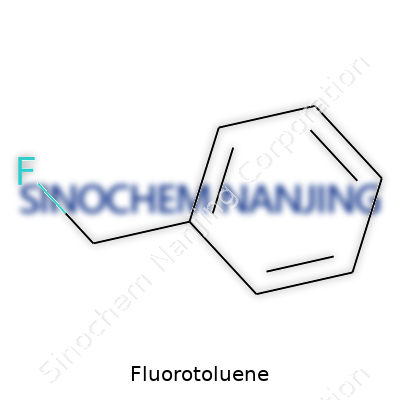
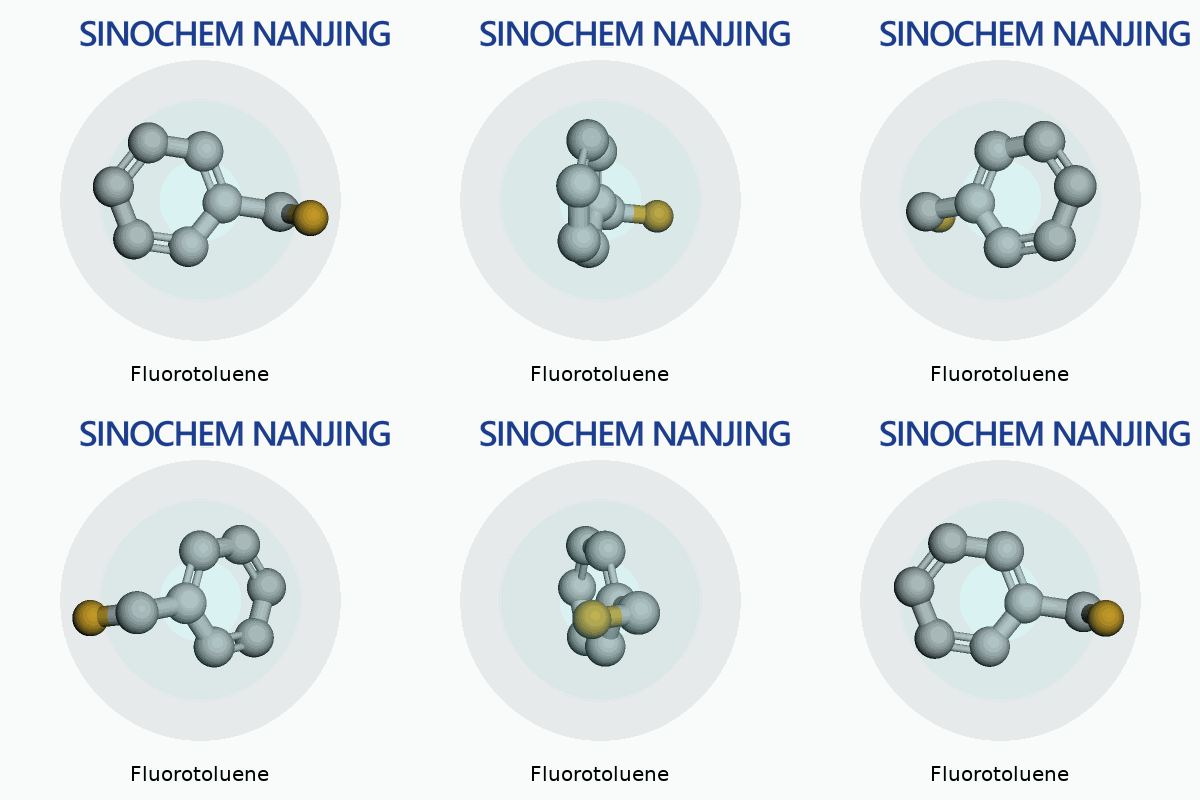
| Names | |
| Preferred IUPAC name | methylfluorobenzene |
| Other names |
Fluorotoluene Fluoromethylbenzene Methylfluorobenzene |
| Pronunciation | /ˌflʊə.rəʊ.təˈluː.iːn/ |
| Identifiers | |
| CAS Number | 352-17-2 |
| Beilstein Reference | 1361046 |
| ChEBI | CHEBI:141555 |
| ChEMBL | CHEMBL15717 |
| ChemSpider | 7417 |
| DrugBank | DB08318 |
| ECHA InfoCard | 100.007.996 |
| EC Number | EC 209-516-2 |
| Gmelin Reference | 8427 |
| KEGG | C14468 |
| MeSH | D018018 |
| PubChem CID | 8078 |
| RTECS number | XJ2625000 |
| UNII | A23P8T0XCU |
| UN number | UN2417 |
| CompTox Dashboard (EPA) | DTXSID9020716 |
| Properties | |
| Chemical formula | C7H7F |
| Molar mass | 110.11 g/mol |
| Appearance | Colorless liquid |
| Odor | Aromatic odor |
| Density | 1.025 g/mL at 25 °C (lit.) |
| Solubility in water | insoluble |
| log P | 2.7 |
| Vapor pressure | 3.2 mmHg (25 °C) |
| Acidity (pKa) | pKa = 43 |
| Basicity (pKb) | 11.5 |
| Magnetic susceptibility (χ) | -66.1×10⁻⁶ cm³/mol |
| Refractive index (nD) | 1.496 |
| Viscosity | 0.57 mPa·s (20 °C) |
| Dipole moment | 1.73 D |
| Thermochemistry | |
| Std molar entropy (S⦵298) | 163.1 J·mol⁻¹·K⁻¹ |
| Std enthalpy of formation (ΔfH⦵298) | -167.3 kJ/mol |
| Std enthalpy of combustion (ΔcH⦵298) | -2707.7 kJ/mol |
| Hazards | |
| GHS labelling | GHS02, GHS07 |
| Pictograms | GHS02, GHS07 |
| Signal word | Warning |
| Precautionary statements | P210, P261, P280, P305+P351+P338, P337+P313 |
| NFPA 704 (fire diamond) | 1-2-0 |
| Flash point | 41 °C |
| Autoignition temperature | 530 °C |
| Explosive limits | 1.1–7% |
| Lethal dose or concentration | LD50 oral rat 1800 mg/kg |
| LD50 (median dose) | 1800 mg/kg (rat, oral) |
| PEL (Permissible) | Not established |
| REL (Recommended) | 0.6 ppm |
| Related compounds | |
| Related compounds |
Bromotoluene Chlorotoluene Iodotoluene Toluene Fluorobenzene |



