Ferric Pyrophosphate: Insight Into a Modern Food and Pharma Ingredient
Historical Development
People have been learning about the role of minerals in health for centuries, but addressing iron-deficiency anemia through food took off in the early twentieth century. As communities tackled malnutrition, scientists turned to compounds like ferric pyrophosphate to fortify bread, infant formula, and medical supplements. Researchers found that some iron salts added a strong metallic taste or caused color changes—unwelcome side effects in foods. Ferric pyrophosphate came to attention because it delivered a stable form of iron with mild taste and minimal coloring. In the postwar period, public health programs and infant formula manufacturers leaned heavily on ferric pyrophosphate, leading to decades of research in optimizing production, solubility, and nutritional effects.
Product Overview
Ferric pyrophosphate stands as a pale yellow-white, odorless powder. People in research labs, food manufacturing, and health agencies recognize the importance of this compound, thanks to its use in iron fortification for children’s cereal, sports drinks, and renal care products. In industry, ferric pyrophosphate gets used in various forms including regular powder, micronized types for high dispersion, and encapsulated versions designed to avoid unwanted taste in sensitive applications like infant formula. The food industry values its utility because it blends easily into mixtures and preserves a product’s sensory qualities.
Physical & Chemical Properties
With the chemical formula Fe4(P2O7)3·xH2O and a molecular weight of about 745 g/mol (anhydrous), ferric pyrophosphate contains iron in the +3 oxidation state. The compound typically appears as a pale yellow powder, sometimes shifting to white when highly purified. It does not dissolve readily in water, which can become both a blessing and a challenge. Poor solubility means it won’t react with food acids or proteins as quickly, helping keep taste and appearance unchanged, but this property can slow iron absorption. In production, analysts keep a close eye on moisture content, bulk density, and particle size, since these characteristics impact flow and mixing inside high-speed manufacturing lines.
Technical Specifications & Labeling
Manufacturers and regulators must agree on tight specifications for ferric pyrophosphate, especially with food and pharma applications. Common requirements cover iron assay (usually around 25–30% w/w), limits for lead, arsenic, and heavy metals, pH range, and microbiological purity. Pharmaceutical grade material carries a higher burden for purity and trace contaminants. Labeling guidance set by agencies such as the FDA, EFSA, or specific pharmacopeias calls for ingredient names like ferric pyrophosphate or iron(III) pyrophosphate, together with batch numbers and application warnings. Some labels highlight the absence of allergens or animal-derived ingredients, a matter consumers follow closely.
Preparation Method
Most commercial ferric pyrophosphate forms through precipitation reactions involving solutions of ferric chloride and sodium pyrophosphate or through the neutralization of ferric nitrate with pyrophosphate salts. The result is a fine, water-insoluble precipitate that must be washed and dried. For high-purity uses in medical nutrition and dialysis, patented processes further control particle size with spray drying or micronization. Chemical engineers have studied process kinetics, recognizing that temperature, pH, and the quality of starting materials all affect yield and crystal form. These nuances create lots of debate over optimal production techniques as demand grows for cost-effective, bioavailable fortificants.
Chemical Reactions & Modifications
Although stable under typical storage settings, ferric pyrophosphate reacts in the presence of strong acids, breaking apart to yield soluble iron and phosphoric acid derivatives. In food systems, where naturally occurring ascorbate (vitamin C) or organic acids show up, this can speed up iron release, helping absorption but occasionally raising organoleptic issues. Researchers push to overcome low solubility by modifying the surface of particles or coating them with lecithin, casein, or silicon dioxide. Chemical modifications seek to balance iron delivery without betraying the original product’s taste or color, which often spells the line between consumer acceptance and customer complaints.
Synonyms & Product Names
Across the scientific landscape, ferric pyrophosphate goes by many names. It answers to iron(III) pyrophosphate, sometimes labeled as E579 in the European food additive register, or more technically as tetranuclear iron(III) pyrophosphate. Pharma products list it in compositions as ferric pyrophosphas or iron pyrophosphate. Global trade names include SunActive Fe, Lipofer, and several others, each highlighting a proprietary formulation tweak. For professionals working internationally, knowing these synonyms can prevent costly ordering mistakes or regulatory hiccups.
Safety & Operational Standards
Iron fortification carries real responsibilities. While ferric pyrophosphate avoids the strong taste of ferrous sulfate or gluconate, manufacturers still have to watch out for inhalation hazards during milling and loading. Food safety regulation enforces GMP (Good Manufacturing Practice) norms, tracking trace contaminants and banning batch cross-contamination. In food processing, exposure to high heat and humidity can cause aggregation and changes to the iron’s reactivity, so storage in tight containers at moderate temperature turns out to be the safest move. Respected organizations like WHO, FAO, and the US FDA update guidelines frequently, reflecting lessons learned from contamination cases and evolving nutrition science.
Application Area
Ferric pyrophosphate anchors itself most visibly in infant formula, breakfast cereals, and nutritional beverages. Its mild flavor allows discreet addition to crackers, pastas, or sports drinks. In the healthcare world, the compound features in dialysis preparations and oral iron supplements for chronic kidney disease patients who react poorly to other forms of iron. Some vending machine coffee powders have also quietly included ferric pyrophosphate as a source of dietary iron. For product developers, the challenge often starts with meeting regulatory standards and ends with taste testing, especially in culturally diverse markets.
Research & Development
Nutritional science teams spend time comparing the bioavailability of ferric pyrophosphate to that of ferrous sulfate, which sets the gold standard. Several studies point out that absorption can be lower than more soluble forms, but food scientists step up, pairing ferric pyrophosphate with ascorbic acid or peptides from milk to boost uptake. In clinical research, new delivery systems such as encapsulated beads open doors for better performance in tube-feeding formulas and snacks. Meanwhile, materials scientists chase smaller particle sizes and improved flow, hoping to unlock new applications in plant-based foods and ready-to-eat meals. Every year brings new approaches, some simple and some heavily engineered, in the drive to deliver iron as safely and conveniently as possible.
Toxicity Research
Decades of animal and human trials support the safe use of ferric pyrophosphate when it gets used within established guidelines. Acute toxicity sits at a low level, with rats tolerating thousands of milligrams per kilogram body weight in oral tests. Regulatory agencies take a close look at cumulative exposure, especially for infants and people with rare iron metabolism disorders such as hemochromatosis. Clinical monitoring for side effects like nausea or gastrointestinal upset remains routine during iron therapy. Reports of allergic responses are rare, but medical providers look at patient profiles and always keep a detailed supplement history.
Future Prospects
As the conversation around hidden hunger and global nutrition grows louder, ferric pyrophosphate stands poised for further growth. Food companies look toward this compound for new product launches that promise functional health claims, from ready-to-eat meals to vitamin gummies and plant-based alternatives. Advances in nanotechnology and encapsulation could help bring iron absorption closer to that of more soluble forms, narrowing the gap with ferrous sulfate but without the metallic taste. The pressure of regulatory bodies and consumer demand for transparency will continue to push manufacturers toward safer and greener synthesis. With the world population trending older and chronic conditions on the rise, interest in reliable iron supplementation across the lifespan can only strengthen, keeping ferric pyrophosphate in the spotlight for both research teams and hungry, health-minded shoppers.
What is Ferric Pyrophosphate used for?
What Is Ferric Pyrophosphate?
In the world of nutrition and pharmaceuticals, ferric pyrophosphate shows up more often than most people realize. It’s a compound that supplies iron, one of the key nutrients for keeping our blood healthy and carrying oxygen all over the body. Since the human body struggles to make iron on its own, we have to get it from what we eat. Meat, beans, and leafy greens supply some, but food companies often add extra iron to staples like cereal, flour, and baby formula. Ferric pyrophosphate hits the sweet spot for these uses because it doesn’t wreck the taste, and it lets manufacturers keep food looking and smelling right.
Using Ferric Pyrophosphate in Foods
Most people reading nutrition labels might spot “iron (as ferric pyrophosphate)” in breakfast cereals, meal replacement shakes, and nutritional supplements. It isn’t as harsh on the palate compared to other iron sources, which can taste metallic or leave a strange color behind. Factories can blend it with other dry ingredients without worrying about unexpected clumps or stains.
For families relying on fortified rice, especially in South Asia or Africa where anemia affects millions, ferric pyrophosphate can be a game-changer. Once it’s mixed into the rice, it doesn’t make the grains look odd or bitter, so people will actually eat it. One report from the Global Alliance for Improved Nutrition found that rice fortified this way has helped reduce iron deficiency in some parts of India. In the US and Europe, you see it more in foods for babies and people recovering from illness, since their iron needs spike, and sensitive stomachs react poorly to some other types of iron.
Role in Medical Treatments
Ferric pyrophosphate takes on another mission in hospitals and clinics, especially for patients with chronic kidney disease. For these folks, oral iron pills often do a poor job at overcoming anemia—they can upset the stomach, and the iron just doesn’t get absorbed well enough. Doctors sometimes use a special formulation called ferric pyrophosphate citrate, added directly into dialysis fluids. That way, the body absorbs the iron steadily while patients are already hooked up for treatment.
The US Food and Drug Administration has noted the safety record of these iron treatments. Fewer stomach issues and less risk of iron overload help patients stick with the program. Plus, this approach sidesteps infection risks tied to intravenous iron injections, which have become a sticking point for long-term care.
Challenges and Solutions
The tricky part comes with making sure the body actually absorbs enough of the iron from ferric pyrophosphate. Compared to other forms, some of it tends to pass right through the digestive system, unused. To tackle this, researchers in Switzerland and India have tested new coatings and blends. By adding vitamin C or using new preparation techniques, they report better absorption in both adults and children.
It’s also crucial to keep an eye on cost. Some types of ferric pyrophosphate run a bit higher than other iron salts. But over time, its stability and mild flavor justify the investment, as less food gets wasted because consumers will actually eat what’s put on the table.
The job isn’t finished, though. Nutritionists, food scientists, and policy-makers need to push for clearer labeling and support more fortification programs, especially for the poorest communities. Adding ferric pyrophosphate to everyday foods won’t solve anemia overnight, but it takes a solid bite out of the problem.
Is Ferric Pyrophosphate safe for human consumption?
Why Ferric Pyrophosphate Matters in Nutrition
People across the globe face iron deficiency. That often means feeling tired, struggling to concentrate, or even battling health issues that could have been avoided with stronger iron levels. Iron-fortified foods give many folks better odds at a healthy life. Ferric pyrophosphate steps into the picture as a source of iron, sprinkled in infant cereals, fortified flour, ready-to-eat meals, and supplements.
Ferric pyrophosphate brings its own advantages. It sits at the crossroads of taste, colour, and digestibility. Unlike other iron salts, it slips into foods without turning everything a metallic shade or leaving a bitter aftertaste. My own kitchen experiments with iron-fortified porridges for kids always ended in pushing the plate aside, until I found products using this ingredient. Taste matters.
Regulation and Approvals
Governments and health agencies keep a close eye on ingredients added to the food supply. The U.S. Food and Drug Administration places ferric pyrophosphate on its GRAS (Generally Recognized as Safe) list. That kind of approval does not arrive overnight. It comes after research, clinical trials, and food safety reviews. The European Food Safety Authority echoes this stance, allowing its use in a wide range of fortified foods.
Doctors, nutritionists, and researchers measure both the benefits and any potential risks. Most folks can rest easy knowing they will not hit toxic iron levels or run into hidden side effects by eating food with ferric pyrophosphate as part of a normal diet. Adults and children alike have shown good tolerance in multiple studies. Some find it less well-absorbed than other iron sources. But for many, this slow release puts less strain on the stomach and lowers the risk of digestive troubles.
Digestion and Bioavailability
Absorption matters just as much as safety. It is no use swallowing iron if it never reaches the bloodstream. Ferric pyrophosphate’s mild-mannered character is partly due to its lower solubility. The flip side—a little less iron gets absorbed compared to ferrous sulfate, a faster-acting but also harsher alternative. Research led by nutrition scientists in India and Switzerland has found that, in food systems designed with vitamin C and certain proteins, the human body pulls iron from ferric pyrophosphate more efficiently.
Adding this kind of detail makes the difference. Food companies that pay attention to final recipes—not just tossing in a mineral powder—get better results. My conversations with pediatric dietitians pointed out, again and again, the importance of pairing the right iron form with specific meals, taking natural diet into account.
Debates and Practical Challenges
Concerns pop up any time food fortification expands. Fear of overdosing, changes in taste, allergic reactions, or long-term safety all enter the discussion. For ferric pyrophosphate, side effects appear rare at everyday levels, based on years of patient follow-up. Still, people with certain iron metabolism disorders—hemochromatosis stands out—should talk to doctors before using iron-fortified products.
Balanced nutrition calls for watching ingredient lists, but not panicking over every chemical name. Making healthier foods accessible means science and industry working together, sharing information, listening to feedback, and making sure substitutes do not create more problems than they solve. Ferric pyrophosphate is not a miracle cure for malnutrition, but it deserves its role. Wise choices in food tech must keep both safety and community needs in mind.
What are the side effects of Ferric Pyrophosphate?
Looking at Iron Supplementation
Ferric pyrophosphate steps into the spotlight as a solution for iron deficiency, especially for those who need a steady supply without the upset stomach linked to some iron pills. You’ll find it in intravenous forms or sprinkled into foods. Back in college, iron supplements left me clutching my stomach in pain, so I paid close attention to new options like ferric pyrophosphate.
How Side Effects Show Up
Not every iron supplement acts the same way in the body. Ferric pyrophosphate is usually gentle on the gut, which puts it ahead of traditional iron salts that commonly ignite a riot of nausea, cramps, or constipation. That does not mean it sails through everyone’s system without a ripple. Mild symptoms pop up most often: some people complain about a metallic taste, mild abdominal discomfort, or digestive changes.
Clinical trials back up my own experience with gut concerns. A 2019 review in the Journal of Nutrition reported that ferric pyrophosphate tends to trigger fewer gastrointestinal problems than ferrous sulfate, which brings relief if iron usually ties your stomach in knots. A few people, though, still get nausea or diarrhea. Constipation can tag along, though at a lower rate. Most healthy adults shake off these issues within a day or two as the body gets used to the supplement.
Rare but Serious Reactions
Every drug comes with a wild card. With ferric pyrophosphate, serious side effects show up rarely, but they call for quick action. Some hospital patients on ferric pyrophosphate infusions have faced allergic reactions—hives, swelling, or trouble breathing. Emergency rooms treat these cases as top priority. It’s not common, but it’s real and worth talking over with your doctor if you have allergies or asthma.
Too much iron does more harm than good, even with ferric pyrophosphate. Iron overload builds up over time, especially if someone already has hemochromatosis or other iron loading disorders. The body quietly stores excess iron in the liver, heart, and pancreas. That leads to fatigue, joint pain, or worse—diabetes and organ damage. Early bloodwork catches problems before they get serious.
Long-Term Experience and Medical Advice
In dialysis clinics, ferric pyrophosphate has helped patients manage anemia without the flares of gut distress seen with other iron formulas. The U.S. FDA has approved its use for chronic kidney disease, mainly because of these gentler effects. Regular blood tests set the boundary: iron stores and hemoglobin levels guide safe dosing. Good doctors won’t keep patients on autopilot—they watch numbers, ask questions, and adjust care on the fly.
Anyone picking up a new mineral supplement needs the full story. Deciding between forms of iron means weighing comfort, convenience, and personal health risks. It’s not enough for a product to be “well-tolerated,” as drug inserts say. Everyone’s body pushes back in its own way, and reactions depend on age, genetics, and what else is going on inside. If you start ferric pyrophosphate, stay curious about your body’s signals. Keep the lines open with healthcare professionals, and push for lab checks often enough to catch trouble early.
How is Ferric Pyrophosphate administered?
The Basics of Ferric Pyrophosphate Administration
Hospitals and clinics use ferric pyrophosphate as an iron supplement, especially for people with chronic kidney disease receiving dialysis. Patients on dialysis often battle anemia because their bodies struggle to keep enough iron. Ferric pyrophosphate offers a way to replace lost iron smoothly, without some of the side effects that come with older treatments like intravenous iron sucrose.
Direct Administration: Dialysate Delivery
One innovative method for giving ferric pyrophosphate involves delivering it through dialysate. Nurses mix the powdered form into the fluid that sweeps waste out during hemodialysis. This process allows the body to gradually absorb iron during treatment. It mimics the slow, steady drip of nutrients we get from food, creating less stress on the body. There’s less risk of iron overload or big swings in blood iron levels, which can lead to fatigue, heart strain, or even infections.
This dialysate strategy draws from the clinical study work behind ferric pyrophosphate citrate. Over several years, academic centers noticed patients maintained healthier iron stores and stable hemoglobin. No extra injection, no extra pill—a real win for people dealing with the demands of dialysis more than three times a week.
Pills and Powdered Supplements: Oral Use
Some brands offer ferric pyrophosphate as a powder that mixes easily into liquid. Swallowing a glass of iron-enriched water sidesteps issues people often run into with traditional iron supplements. Stomach upset, constipation, and metallic taste have pushed countless patients away from iron pills in the past. Ferric pyrophosphate in a drink proves gentler and lets more folks stick with therapy. The European Food Safety Authority and the U.S. Food and Drug Administration regard this form as safe for long-term use in foods and medical supplements.
Doctors keep an eye on total iron intake, since getting too much iron can cause other problems. Research highlights how oral ferric pyrophosphate doesn't spike inflammation or oxidant stress, so it's suitable even for children and the elderly—groups who struggle most with standard iron preparations.
A Patient’s Perspective
I've seen the discomfort a needle can bring. The chance to avoid extra shots—especially in those with already-tender veins—makes a real difference. Home-use powders mean less time juggling appointments and less anxiety for those who already face medical routines. A spoonful of powder in apple juice each morning beats a noisy IV pole in a busy clinic any day, especially for kids or people feeling wiped out from long illnesses.
Lessons from the Science and Potential Improvements
Clinical trials and decades of observation have shown that ferric pyrophosphate works best as a background support—not a dramatic fix for sudden, severe iron loss. Many nephrologists now see it as part of daily care, checking iron levels with regular blood tests. Smarter packaging, clear dose directions, and clear labeling help avoid mix-ups or accidental overuse at home.
Some hospitals push for more routine use in non-dialysis settings, but there’s still a need to teach both patients and healthcare teams about the fine points of each product. As the world’s population ages and anemia related to chronic disease becomes more common, these simple, low-impact delivery systems will only grow in importance.
Ferric pyrophosphate bridges gaps in older iron treatments. Whether through a dialysis machine or a breakfast drink, it keeps people more comfortable and, frankly, more likely to stick with their care routines.
What is the recommended dosage of Ferric Pyrophosphate?
Why Ferric Pyrophosphate Gets Prescribed
Iron feeds the body’s red blood cells, and people with chronic kidney disease often can’t get enough iron through diet or simple pills. Ferric pyrophosphate isn’t your typical iron tablet. In hospitals and clinics, this form of iron supports people during dialysis and sneaks iron directly into treatments, sidestepping the gut and easing digestion troubles for many.
What Doctors Aim for with Dosage
Dosing ferric pyrophosphate hinges mainly on the patient’s needs. For adults undergoing hemodialysis, the most common form comes as a powder added to dialysis solutions. Research published in the American Journal of Kidney Diseases reports that 2 mg of iron per liter of dialysate matches iron loss for most adults on a standard three-times-weekly schedule. That delivers around 6 to 7 mg of iron each session, totaling 20 to 21 mg per week.
Most patients get their iron loss replaced in this way, but doctors look closely at ferritin and transferrin saturation, two blood markers that sketch out the current iron status. Numbers drifting too low call for a change. Not every patient takes the same path. Sometimes the doctor decides to offer more or less based on lab results, signs of iron overload, or infection risks.
Risks and Monitoring
Iron can’t just be dumped in. Piling up iron brings its own set of troubles—joint pain, belly issues, higher chance of infection, and harm to major organs. Regular, careful monitoring helps people sidestep these dangers. Medical teams test bloodwork at regular check-ins, especially as small changes can snowball into bigger problems.
Stories from clinics and hospitals show that personalized care makes a difference. One patient on dialysis saw her energy rebound and hair loss slow after her nephrologist fine-tuned her iron dose, following monthly blood draws. This wasn’t just about numbers—it brought back her ability to garden and laugh with her grandkids.
Possible Solutions to Common Issues
Some folks taking ferric pyrophosphate report stomach pain or see no boost in their iron levels. Sometimes it helps to look for causes of blood loss or to check for inflammation that blocks iron from working well. In my years working with dialysis patients, simple changes—like a tweak to erythropoietin dosing or a switch from oral to intravenous iron—often lead to real results. Open communication between providers and patients stays crucial, letting the care team catch shifting trends before they sap strength or let iron creep too high.
What to Ask Your Health Team
Guidelines from sources like the Kidney Disease: Improving Global Outcomes (KDIGO) group back up the practice of matching iron dosing to bloodwork. They recommend regularly checking iron stores and discussing any new symptoms with the clinician. If you start on ferric pyrophosphate, ask your nurse or doctor about your latest ferritin, how often to check labs, and if your diet still makes a difference. Personal stories help, but guidance tailored to your own labs and symptoms always beats guesswork.
Bottom Line: Tailoring Dosage With Care
Ferric pyrophosphate changes lives for people struggling with iron loss, mostly in the setting of kidney disease and dialysis. The proper dosage sits close to what gets lost in blood, tweaked by real-world factors and lab clues. Staying connected with your care team and pushing for clear explanations helps keep iron levels safe and lifegiving.
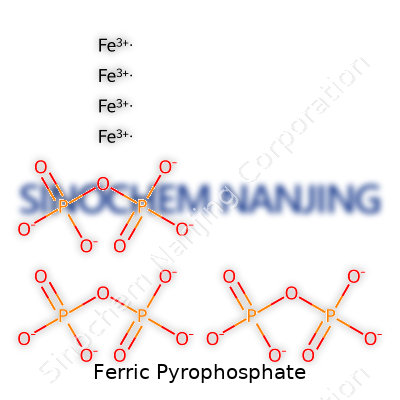
| Names | |
| Preferred IUPAC name | iron(3+) diphosphate |
| Other names |
Iron(III) pyrophosphate Ferric diphosphate Iron pyrophosphate |
| Pronunciation | /ˈfɛrɪk paɪrəˈfɒsfeɪt/ |
| Identifiers | |
| CAS Number | 10058-44-3 |
| Beilstein Reference | 4207083 |
| ChEBI | CHEBI:37128 |
| ChEMBL | CHEMBL1203171 |
| ChemSpider | 12598 |
| DrugBank | DB09151 |
| ECHA InfoCard | 050000018227 |
| EC Number | 231-944-3 |
| Gmelin Reference | 179991 |
| KEGG | C02344 |
| MeSH | D010951 |
| PubChem CID | 24853162 |
| RTECS number | SQ0450000 |
| UNII | E1N0P6X98M |
| UN number | UN3077 |
| Properties | |
| Chemical formula | Fe₄(P₂O₇)₃ |
| Molar mass | 745.21 g/mol |
| Appearance | Light yellow or yellowish-brown powder |
| Odor | Odorless |
| Density | 1.5 g/cm³ |
| Solubility in water | Slightly soluble |
| log P | -18.2 |
| Vapor pressure | Negligible |
| Acidity (pKa) | >16 (as pyrophosphate) |
| Basicity (pKb) | 6.65 |
| Magnetic susceptibility (χ) | -20.2×10⁻⁶ cm³/mol |
| Dipole moment | 0.00 D |
| Thermochemistry | |
| Std molar entropy (S⦵298) | 218.8 J·mol⁻¹·K⁻¹ |
| Std enthalpy of formation (ΔfH⦵298) | -2679.7 kJ/mol |
| Std enthalpy of combustion (ΔcH⦵298) | −2378 kJ/mol |
| Pharmacology | |
| ATC code | B03AB10 |
| Hazards | |
| Main hazards | May cause irritation to eyes, skin, and respiratory tract. |
| GHS labelling | GHS07; Warning; H315, H319, H335 |
| Pictograms | GHS07, GHS09 |
| Signal word | Warning |
| Hazard statements | Hazard statements: May cause respiratory irritation. |
| NFPA 704 (fire diamond) | 1-0-0 |
| Lethal dose or concentration | LD50 (Oral, Rat): > 5,000 mg/kg |
| LD50 (median dose) | LD50 (median dose): Oral, Rat: >5000 mg/kg |
| NIOSH | TTK |
| PEL (Permissible) | 15 mg/m³ |
| REL (Recommended) | 24 mg/kg |
| Related compounds | |
| Related compounds |
Iron(II) pyrophosphate Iron(III) phosphate Sodium ferric pyrophosphate Ferric ammonium citrate Ferric citrate |



