Ethyl 2-Methoxyacetate: More Than a Chemical, A Modern Workhorse
History Woven into Chemical Progress
Ethyl 2-methoxyacetate didn’t step onto the stage as a household name, but anyone who has walked through paint-scented halls or worked on modern polymer projects has brushed past its legacy. Born out of the demand for smarter solvents and specialty intermediates, this molecule grew alongside the chemical industry’s sweeping transformations in the twentieth century. Chemists chasing better performing, safer, and more environmentally responsible alternatives sought out compounds like this one, learning lessons with every new application and discovery. As industrial standards tightened and research advanced, production methods and safety practices caught up, making ethyl 2-methoxyacetate less risky to use, store, and transport. The compound’s journey mirrors the pragmatic, sometimes messy experiment of chemical progress—moving from bench to batch, always tempered by a mix of curiosity and caution.
Product at a Glance: Paints to Pharmaceuticals
Anyone who loves the clean finish of a well-painted wall, or the seamless gloss in car coatings, has likely encountered Ethyl 2-methoxyacetate—even if unknowingly. This colorless liquid, with its mild ether-like smell, stands out for dissolving resins, dyes and pigments with ease. Not too volatile and not too sluggish, its evaporation rate fits projects that need a little time before setting. Beyond paint, research teams have given this solvent a starring role in the syntheses of various pharmaceutical and agrochemical intermediates, where purity and reaction predictability matter. The fact that it doesn’t easily react with air or water makes storage easier, and that reliability counts for a lot in industrial kitchens juggling dozens of moving parts.
Physical and Chemical Properties: What Makes it Tick
Ethyl 2-methoxyacetate carries a molecular formula of C5H10O3, and tips the scales at around 118 grams per mole. If you pour it, you’ll see a clear liquid with a moderate boiling point—hovering around 145–150°C—high enough for safety in most applications, low enough to prevent scorching off before the job is done. It mixes well with alcohols, esters, and many hydrocarbons, making it a flexible player for blending tasks in coatings and synthetic processes. The vapor tends to stay contained in most room-temperature settings, which is one reason lab techs don’t complain about it evaporating as fast as some of its more finicky relatives. Under the hood, the molecule's methoxy group and ester linkage work together, balancing reactivity and stability, and that balance gives chemists confidence when formulating with it.
Tech Specs and How Labels Keep Us Honest
Regulators and producers don’t cut corners here. Labels for this solvent usually carry warnings about skin and eye exposure and include necessary handling instructions. Labs and manufacturing depots track purity, specific gravity, water content, and acidity to make sure the bulk product matches what the datasheets promise. Even if some see these as layers of paperwork, the real-world result is fewer accidents and less guesswork. An overlooked label means wasted time—or worse, exposure and medical attention—so the importance of accurate technical info lands close to home for engineers and operators alike.
How the Industry Makes it: A Look Inside the Reactor
The typical route for making Ethyl 2-methoxyacetate pulls from classic Fischer esterification methods. By reacting ethyl alcohol with methoxyacetic acid, often under acidic conditions and sometimes under heat, manufacturers aim for efficient conversion, pulling out water as a by-product. Practical engineers then separate the main product from leftovers and impurities through distillation. Some companies tweak the process using catalysts to push yields higher or to cut down on unwanted by-products. For bigger facilities, process control technology ensures each batch lands within spec, avoiding surprises that small-scale syntheses sometimes allow.
Reacting, Modifying, and Seeing Potential Beyond the Bottle
This compound isn’t just a silent partner in the reaction flask. Chemists appreciate its neat trick: that ester group opens the door to hydrolysis, transesterification, or even reduction under the right spots of pressure and heat. You can treat it as a launching pad for further modifications to build more complex structures for pharmaceutical use or in developing new materials. The methoxyacetate group proves handy for introducing protective groups or altering solubility during synthetic sequences. Depending on the industry’s needs, a researcher might swap the ethyl group out for another side chain, each swap turning the molecule into a slightly different tool for a different job.
Synonyms and Names on the Shelf
In commercial catalogs, this solvent shows up under several names: ethyl methoxyacetate, 2-methoxyacetic acid ethyl ester, and sometimes abbreviated as EMGAE. Old-timers and lab veterans might still refer to it by these other labels, reflecting the compound’s winding path through patent literature and big industry catalogs. This host of synonyms helps when digging for research or sourcing materials, but it can also trip up anyone scrambling to match paperwork—making attention to detail essential in both research and procurement.
Staying Safe: Handling and Operational Smarts
From the warehouse to the pilot plant, workers benefit from rigorous safety standards for Ethyl 2-methoxyacetate. The solvent can irritate skin or eyes, and inhaling its vapor isn’t a good idea—so gloves, goggles, and proper ventilation sit at the center of operations. Stories float around about short-cuts leading to hospital trips, reinforcing why ordinary personal protective equipment matters. Spills and leaks require immediate clean-up, using non-reactive absorbents and proper disposal protocols. Training sessions on the solvent’s hazards, risks of chronic exposure, and first-aid steps keep complacency at bay. Managers and safety officers insist on clear signage, quickly accessible material safety data sheets, and regular audits—things that sound boring until you face a real-world incident.
Where It’s Used: Wide Reach Across Industries
Open a can of industrial paint or a specialty polymer resin and there’s a good chance you’ll find Ethyl 2-methoxyacetate inside. The coatings industry has relied on its unique evaporation profile and solvent power for years, especially when a clean, streak-free finish matters. Printed circuit board manufacturers tap into its dissolving abilities during cleaning protocols, while pharmaceutical folks appreciate its usefulness as a reaction medium or intermediate. Odds are, many adhesives and inks trace their properties back to this compound as well. Even in research labs, fresh derivatives often start their journey from this molecule’s solid foundation. Wherever a blend of performance, predictable evaporation, and good solvent compatibility is needed, the compound tends to find work.
What Research Is Chasing and How That Shapes Tomorrow
Academic labs and corporate R&D teams invest in exploring new uses for Ethyl 2-methoxyacetate. Scientists look into ways to boost its biodegradability so downstream processes leave fewer environmental scars. Some research points at tweaking the core molecule to minimize toxicity, keeping the solvent power but dialing down risk. Analytical chemists write up new methods to track trace levels of the compound in products and the environment, aiming to safeguard both users and communities. Sustainable chemistry gets a boost when alternative feedstocks pop up—bio-based routes could soon shift production away from petrochemicals if the economics fall into place. As legislation tightens around industrial solvents, the scramble for greener, safer, and more efficient applications keeps the research pipeline primed.
Toxicity: Clear Data, Real Stakes
Toxicity research on Ethyl 2-methoxyacetate tells a mixed story. While acute effects rarely appear in low-dose settings, long-term or high-level exposures can spell trouble. Chronic skin contact can produce dermatitis, inhalation may lead to headaches or mild central nervous system symptoms, and animal studies cite impacts on reproduction with extended doses. Regulatory groups urge tight exposure limits and careful monitoring, keeping workplace concentrations well below harmful levels. For anyone on the manufacturing line or in a lab, adherence to safety recommendations isn’t just a formality—there’s real peace of mind in knowing that risks are managed and understood. When new data emerges, especially from independent labs or long-term occupational health tracking, smart industry players adapt policies quickly rather than wait for mandates.
Looking Forward: Adapting to New Demands
Markets change fast. In coming years, changes in industrial regulations, shifts toward sustainability, and the lure of bio-based chemicals will test the adaptability of Ethyl 2-methoxyacetate. Research into lower-emission solvents and cleaner synthesis routes could set new benchmarks, especially as customers push harder for products with minimal environmental impact. Companies that invest in closing solvent loops, recycling byproducts, and slashing energy use during production will lead the charge. Young chemists in university labs already eye fresh applications, from medical device coatings to new polymer materials, flipping past decades-old handbook pages with a critical eye. If this compound teaches anything, it’s that small changes in how we make and use chemicals ripple through whole industries, often in ways no single person can predict.
What is Ethyl 2-Methoxyacetate used for?
Why Does This Chemical Matter?
Anyone working in the chemical industry sees dozens of solvents with odd names and distinct uses. Ethyl 2-methoxyacetate usually doesn’t lead the list of household names, but its role matters in everyday manufacturing – especially when paints, coatings or pharmaceuticals are involved. Working in research labs, I’ve often reached for this solvent because of its unique mix of low toxicity and versatility.
Packing a Punch in Coatings and Paints
Paint manufacturers need solvents that evaporate at just the right speed. If you pick one that vanishes too fast, you wind up with bubbles or streaks on the surface. Ethyl 2-methoxyacetate gets the job done for paints. Its boiling point falls into the sweet spot, so paint dries smoothly and adheres well. It works inside automotive paints, electronics coatings, and protective finishes used for everything from circuit boards to architectural metals. In my own workshop projects, I’ve seen how coatings mixed with this solvent create a much smoother result than harsh, fast-drying kinds.
Pharmaceuticals and Laboratory Use
Lab techs rely on solvents every day, especially when extracting or purifying chemical ingredients. Ethyl 2-methoxyacetate earned a place in this world thanks to its relatively low toxicity and ability to dissolve a wide range of organic compounds. The pharmaceutical sector picks this solvent for synthesizing certain active compounds and cleaning glassware without a strong odor lingering behind. During summer internships at a pharma company, I saw how it sped up workflows compared to older solvents, which made jobs safer and boosted productivity.
Electronics Manufacturing
Printed circuit boards need a careful cleaning process, and solvents clear out residues left after soldering. Ethyl 2-methoxyacetate stands out here because it removes unwanted grease and dust without leaving traces of moisture or harsh odors. Assembly workers have said that switching to this solvent cut down on irritation and made closed work areas more comfortable. It strips flux and helps prep surfaces before assembly, which cuts down on product defects later.
Safer Alternative in Many Applications
For decades, manufacturers turned to harsh chemicals like toluene and xylene. These work as solvents but bring serious health risks. Ethyl 2-methoxyacetate offers decent solubility with much lower toxicity. Regulators in the European Union keep a close eye on volatile organic compound emissions, and this chemical often helps companies hit those targets. Greater safety doesn't mean sacrificing results—this solvent rarely causes headaches or skin issues, and that means fewer sick days and happier teams on the shop floor.
Room to Improve
Ethyl 2-methoxyacetate helps plenty of industries, but it’s not without its flaws. Some workers worry about possible long-term health effects, especially with constant exposure in enclosed spaces. Companies can cut down risks by investing in better ventilation, training staff to handle all chemicals with care, and keeping up with safety data sheets. Replacing older, harsher solvents with this one often reduces hazards and supports healthier workplaces.
Looking Ahead
As regulations tighten and safety stays a top priority, demand for safer, effective solvents continues to climb. Companies willing to make the switch benefit from smoother production, lower risk, and better morale among workers. The shift might ask for new habits or extra training, but it pays off with cleaner results at work and safer air at home.
What are the safety precautions when handling Ethyl 2-Methoxyacetate?
Why Respect for This Solvent Matters
Ethyl 2-Methoxyacetate often turns up in labs and factories for its handy role in coatings, cleaners, and industrial formulations. Clear, almost sweet-smelling, and easy to overlook, this solvent hardly calls attention to itself—until a spill or careless hand reminds you it’s not as friendly as it looks. Years of experience in lab safety drills have shown me most folks underestimate chemicals that seem “ordinary.” Mistakes often start with a missing glove or a dash to peek at a reaction without eye protection.
Skin Contact: Not a Minor Thing
This solvent travels through skin. Even the quickest splash can cause trouble. I once saw a coworker brush off a drop and keep right on working. By lunchtime, his arm itched and burned. Guidelines warn about possible damage to organs over time and irritation in the short run. Rubber or nitrile gloves offer the best defense. Cotton soaks up the solvent and lets it linger against your skin—definitely not what you want.
Vapor Risks: The Nose Knows
Evaporation sneaks up on people. You can smell the fumes before you realize how much vapor fills the room— headaches or dizziness often follow. Keeping windows open and hoods running at full blast improves air turnover, but don’t trust ventilation alone where large amounts are handled. My rule of thumb: If you smell it, air quality already needs help. Respirators with organic vapor cartridges add a strong second layer of protection.
Eyes: Fast Is Never Fast Enough
One unexpected squirt or bottle tip, and you have a problem. Emergency wash stations save eyesight, but it takes practice to reach for that faucet without thinking. Every year, people try to rinse only a little and cut the flush short to get back to work. Full minutes, not seconds—this makes all the difference in outcome if you take a direct hit. Goggles wrap better than basic glasses. I always double-check coverage before pouring or pipetting.
Fire and Storage: Don’t Tempt Fate
Flammable liquids want respect. Ethyl 2-Methoxyacetate ignites at a low temperature, so static sparks, pilot lights, or even unplugging lab equipment can set it off. After one scary close call with a stray space heater, I’ve learned: store it in flammable-proof cabinets, away from oxidizers, out of sunlight, and always with a spill kit nearby. Grounding containers during transfer makes sure that one foggy day or wool sweater doesn’t lead to flames.
No Eating, No Drinking, No Bare Hands
It sounds simple, but people forget: Don’t eat or drink anywhere chemicals are handled. Tiny spots on lunch bags and water bottles bring exposure outside the lab and into the break room or your car. Regular hand washing—even with gloves—cuts down risk to friends and family at home. Changing out of work clothes before leaving the building creates one more layer between daily life and the workplace.
Practical Precautions, Every Shift
Staying ahead of accidents means repeating the basics. Read labels, update training, and walk through “what if” scenarios with teammates, not just paperwork. You build habits by practicing, not by posting signs. If something spills, treat it as a big deal every time. Call for help, use absorbent pads, and ventilate quickly.
Supporting Safe Workplaces
Companies play a role too—providing real safety gear, clear instructions, and open ears for people who see risks every day. Shortcuts invite harm, but respect for chemicals grows from a solid safety culture. From filling out logs to stopping for safety checks, small steps build trust that everybody goes home in one piece.
What is the boiling point and physical properties of Ethyl 2-Methoxyacetate?
Understanding the Essentials
Ethyl 2-methoxyacetate stands out as an organic solvent used across industries such as pharmaceuticals, coatings, and electronics. Its clear, nearly odorless nature offers some distinct advantages in settings where strong smells or reactivity could pose safety concerns. What grabs attention for anyone working in a lab or workshop is its boiling point. Ethyl 2-methoxyacetate boils at about 143–145 °C. This gives users some breathing room for controlled heating and distillation without quickly risking loss through evaporation. In my lab experience, this midway range always offered versatile work—not too volatile to pose routine fire hazards, but fluid enough to recover easily after reactions or cleaning processes.
Physical Properties That Matter on the Ground
Examining the feel and function of this ester, several physical properties matter most to users. Ethyl 2-methoxyacetate pours as a colorless liquid, with a density around 1.00 g/cm³ at room temperature. This level sits comfortably with many organic solvents, lending itself to predictable mixing and predictable phase separations, which anyone formulating inks or coatings will appreciate.
It dissolves a wide range of substances, including many resins and polymers, and makes for a strong team player when blended with other solvents like alcohols or esters. The miscibility in water sits at the lower end, but not entirely absent, which helps confine its movement in certain applications and eases separation during purification. The vapor pressure leaves it less likely to fill the workspace with fumes too quickly, aiding safer air quality where good ventilation might be uncertain.
Safety and Handling Impacts Real-World Work
Anyone who uses ethyl 2-methoxyacetate daily knows the key safety points. Its flash point measures around 48–51 °C, putting it in the flammable range for storage and handling. There’s always risk when pouring, mixing, or heating above room temperature, but reasonable care and standard lab protocols manage that risk. Gloves, eye protection, and using a fume hood have always felt non-negotiable whenever I handled it—solvent burns or temporary breathing discomfort occur quickly without them.
Direct skin or prolonged vapor contact doesn’t go unnoticed over time—like any comparable ester. Chronic exposure, even at lower levels, may sensitize the skin or provoke headaches. Safety datasheets highlight this, but real work often involves reminders and check-ins on coworker well-being to avoid complacency.
Tough Questions and Practical Solutions
Some will push for safer, greener alternatives to ethyl 2-methoxyacetate, especially as industrial safety regulations continue to tighten up. Solvent recovery systems prove essential—not just for cost recovery, but for keeping local air and soil cleaner. Using closed-loop systems and regular air quality checks can cut exposure risks and waste. Companies can also rotate workers who work directly with any solvent-heavy process, sharing the load so health impacts don’t concentrate on a handful of staff.
In practice, staying informed about emerging research on low-toxicity solvents and adopting best practices for storage and waste disposal will help balance the realities of industrial productivity with worker and environmental safety. Ethyl 2-methoxyacetate has its place, but the industry can learn more about keeping workplaces healthier while still meeting high standards for quality and efficiency.
Is Ethyl 2-Methoxyacetate hazardous to health or the environment?
Understanding the Basics
Ethyl 2-methoxyacetate shows up in industries that work with resins, coatings, and inks. Its reputation comes from its ability to act as a solvent, helping dissolve and thin out chemicals so products perform predictably. Most people outside the workplace never cross paths with it, but those who handle it regularly have more skin in the game.
Impact on Health
Direct contact causes irritation to the eyes and skin. Breathing in its vapors triggers headaches, nausea, or dizziness, and repeated exposure over time isn’t something doctors recommend. Long-term exposure often results in chronic effects such as liver damage, kidney problems, or nervous system effects. Researchers tracked solvents similar to ethyl 2-methoxyacetate and found that regular chemical exposure can quietly chip away at health, building up risks with each day on the job.
Some solvents closely related to this one have ties to reproductive harm. A report from the European Chemicals Agency points out that workers in manufacturing or painting have experienced higher rates of fertility issues when exposed to solvents in this family. Even without definitive numbers for ethyl 2-methoxyacetate, health authorities recommend caution, especially for those of childbearing age.
Impact on the Environment
If spilled or dumped, ethyl 2-methoxyacetate doesn’t stay put. It seeps into soil, mixes into water, and can evaporate into the air. This chemical breaks down over time, but while it lingers, small creatures in the soil and water pay the price. Aquatic life such as fish and small invertebrates have shown sensitivity to similar solvents, suffering growth delays and lower survival rates. If the contamination happens often enough, it unbalances local ecosystems, making rivers and wetlands less healthy.
Solvents have earned a spot on regulators’ watchlists partly because they rarely travel alone. Dumped solvents reach new places, sometimes miles away, stacking small environmental stressors on top of bigger ones. Over time, this wears down the natural resilience of the system, making cleanup difficult and costly.
Real-World Solutions
Safer chemical management always starts at the workplace. Companies can switch to closed-system equipment that limits vapor exposure for workers and keeps more of the chemical contained. Regular training teaches staff how to handle spills quickly and safely, and makes sure everyone knows what personal protection looks like. Larger organizations usually require chemical exposure monitoring, collecting air samples and running blood tests as part of their health checkups. These details catch problems before they snowball.
Proper disposal takes priority for protecting water and soil. Facilities now partner with certified hazardous waste handlers instead of dumping solvents down drains or onto open ground. Government rules have raised the bar, mandating storage tanks with secondary containment to trap leaks before they spread. Municipalities test groundwater near industrial zones more frequently, and those results are public record in many places.
On the product development side, labs around the world push for alternatives that carry fewer health and environmental trade-offs. Some newer solvents break down faster or pose minimal toxicity to humans and wildlife. End users often demand this kind of progress, especially as green building standards become part of contracts and supply chains.
Looking Forward
Anyone who shares workspaces with ethyl 2-methoxyacetate, or lives near where it’s used, deserves clear facts and sensible measures. Scientists, regulators, and workers keep sharing information and refining practices. Over time, that brings safer jobs and a cleaner environment, goalposts worth chasing in every community.
How should Ethyl 2-Methoxyacetate be stored and transported?
Why Storage and Transport Matter
Think of ethyl 2-methoxyacetate like a sharp tool in a crowded garage. This chemical helps in coatings, electronics, and pharmaceuticals, but things go sideways fast if you ignore the way it needs to be handled. No one likes a garage fire. This stuff dries fast, evaporates easily, and if you leave a container open, those fumes will wake up even a lazy smoke detector. Once, I saw a warehouse clerk leave a canister in the sun near a shipping dock—ten minutes later, you could smell sharp solvent halfway across the lot.
Simple Rules for Storage
Room temperature is where mistakes start. Ethyl 2-methoxyacetate should stay cool, indoors, and in a dry spot. Warehouses put it on solid shelves, far from direct sunlight or busy walkways. Stack up drums and pails only if they're sealed tight. If your storage gets humid, the condensation invites rust and leaks. Last summer, a colleague found a small puddle under a rusty drum—it doesn't take long for that to turn into a slip hazard or fire risk.
Fire risk matters above all else. Flammable chemicals don't ask for much: metal cabinets marked “flammable” and grounded barrels go a long way. A lot of folks install basic exhaust fans, which clear fumes instead of letting them build up. If you've ever worked a late shift at a paint warehouse, you’ll remember your supervisor telling you to listen for the exhaust fan’s hum—it isn’t there for show. No sparks, no open flames. Even a phone charger can become a big problem here.
How the Right Container Makes a Difference
Options for packaging make a difference, too. Metal drums with solid, leak-proof lids beat thin plastic or poorly sealed containers every time. For big operations, it pays to label everything. In a rush, people grab the first drum they find. One company I worked with sets up color codes and double-checks every label. That small step prevented a mixing accident once—so a little care can save a lot of hassle and danger.
Transport Without Trouble
Loading and moving this solvent needs as much care as keeping it on the shelf. Shortcuts add up. Drivers are trained and always carry updated SDS documents. No one wants firefighters guessing what's burning in a spill. Trucks marked for hazardous materials stick to routes that avoid hot spots and heavy traffic. Time spent planning pays off when you never get that urgent call.
Most spills start with a bump or an old valve giving in. I've seen a simple strap snap and a drum roll into the truck bed. Don’t skip checks for leaks or loose lids before moving anything. Padding between drums keeps metal from sparking, and securing cargo stops anything from bouncing around. Emergency kits sit in reach, stocked with absorbent pads and gloves—no one walks into a spill empty-handed.
Better Practices for a Safer Workday
Companies who value their teams don’t treat safety steps as “extras.” They run drills, post emergency numbers, and trust their workers to speak up if a drum looks wrong or a vent sounds out of whack. Good managers remind their crews that staying alert isn’t just corporate policy—it’s how everyone goes home safe at the end of a shift. Industry statistics show fewer accidents where folks handle chemicals with respect, not just rules and forms.
Keeping ethyl 2-methoxyacetate stored and shipped the right way turns what could be a big risk into just another part of the job. It comes down to giving people the right tools, clear routines, and the freedom to fix problems before they turn dangerous.
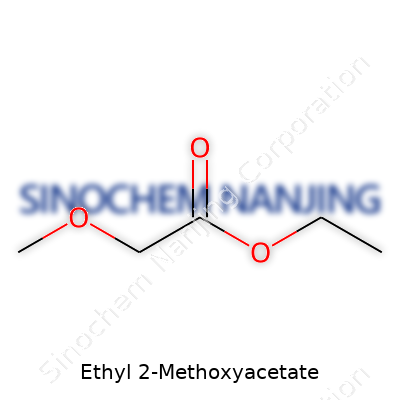
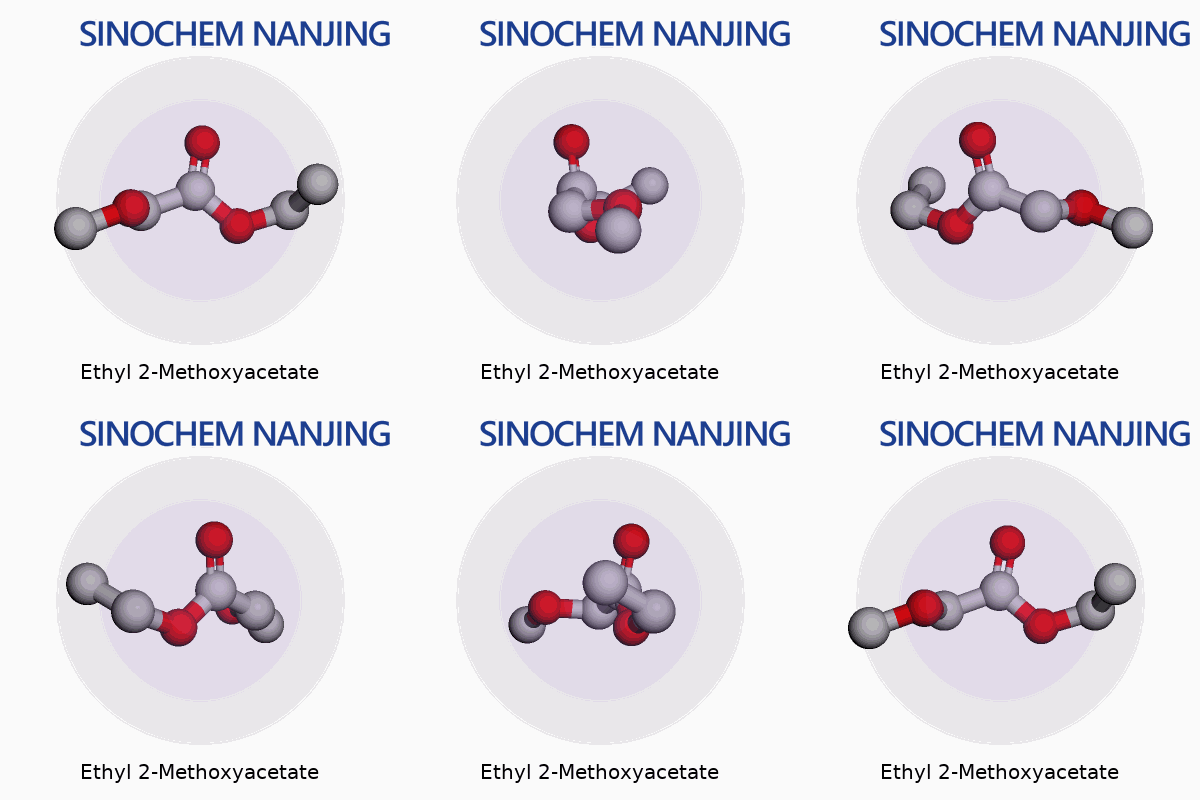
| Names | |
| Preferred IUPAC name | Ethyl 2-methoxyacetate |
| Other names |
Ethyl methoxyacetate 2-Methoxyacetic acid ethyl ester EGA Ethyl glycolate Ethyl 2-methoxyacetate |
| Pronunciation | /ˈiːθɪl tuː ˌmɛθɒksi əˈsiːteɪt/ |
| Identifiers | |
| CAS Number | 110-49-6 |
| Beilstein Reference | 1209286 |
| ChEBI | CHEBI:88557 |
| ChEMBL | CHEMBL1747885 |
| ChemSpider | 12721 |
| DrugBank | DB12904 |
| ECHA InfoCard | 03b342b3-c773-4ae7-a814-94b85fa93477 |
| EC Number | EC 226-431-6 |
| Gmelin Reference | 6767 |
| KEGG | C19608 |
| MeSH | D017716 |
| PubChem CID | 77316 |
| RTECS number | KY9650000 |
| UNII | K737I9T1LO |
| UN number | UN1171 |
| CompTox Dashboard (EPA) | DTXSID6035118 |
| Properties | |
| Chemical formula | C5H10O3 |
| Molar mass | C5H10O3 |
| Appearance | Colorless liquid |
| Odor | Fruity |
| Density | 1.028 g/mL at 25 °C(lit.) |
| Solubility in water | soluble |
| log P | 0.38 |
| Vapor pressure | 1.5 mmHg (20 °C) |
| Acidity (pKa) | 8.1 |
| Basicity (pKb) | 8.1 |
| Magnetic susceptibility (χ) | -52.5e-6 cm³/mol |
| Refractive index (nD) | 1.406 |
| Viscosity | 1.1 mPa·s (20 °C) |
| Dipole moment | 1.97 D |
| Thermochemistry | |
| Std molar entropy (S⦵298) | 338.6 J·mol⁻¹·K⁻¹ |
| Std enthalpy of formation (ΔfH⦵298) | -589.9 kJ/mol |
| Std enthalpy of combustion (ΔcH⦵298) | -1567.7 kJ/mol |
| Hazards | |
| GHS labelling | GHS02, GHS07 |
| Pictograms | GHS02,GHS07 |
| Signal word | Danger |
| Precautionary statements | P210, P233, P240, P241, P242, P243, P261, P271, P280, P301+P310, P303+P361+P353, P304+P340, P305+P351+P338, P312, P337+P313, P370+P378, P403+P235, P405, P501 |
| NFPA 704 (fire diamond) | 1-2-1 |
| Flash point | 56 °C (Closed cup) |
| Autoignition temperature | Ignition temperature: 260 °C |
| Explosive limits | 1.63% - 12.15% |
| Lethal dose or concentration | LD₅₀ (oral, rat): 2,000 mg/kg |
| LD50 (median dose) | LD50 (oral, rat): 2,560 mg/kg |
| NIOSH | KCA23000 |
| PEL (Permissible) | PEL: 10 ppm (40 mg/m³) |
| REL (Recommended) | REL (Recommended Exposure Limit) of Ethyl 2-Methoxyacetate: "10 ppm (50 mg/m³) TWA |
| IDLH (Immediate danger) | 100 ppm |
| Related compounds | |
| Related compounds |
Methyl 2-methoxyacetate Ethyl acetate 2-Methoxyacetic acid Methoxyacetone Ethyl glycolate |



