Estra-4,9-Diene-3,17-Dione: A Ground-Level Look at a Complex Synthetic Steroid
Historical Development
Since the dawn of the 1970s, Estra-4,9-Diene-3,17-Dione, sometimes called Trenavar, has led more than a few discussions across chemical and athletic circles alike. The roots of its synthesis trace back to work on trenbolone and similar compounds, as biochemists chased molecules that would shape muscle and influence metabolism with surgical precision. Pharmaceuticals and performance enhancers have leaned on this compound and its relatives for decades, mostly in research and niche clinical settings. Underground chemists and supplement labs brought it to the mainstream dialogue in the 2000s, when bodybuilders began to notice its effectiveness and built an almost mythic status for it—yet the original focus stayed in labs, with scientists trying to unravel safer ways to harness trenbolone's raw power.
Product Overview
Estra-4,9-Diene-3,17-Dione stands among the flock of synthetic steroids shaped for research into androgenic and anabolic processes. It shares chemical lineage with trenbolone, one of the most potent veterinary steroids. Trenavar, the name it takes on in supplements, delivers similar physical effects in certain applications, flipping biological switches linked to muscle growth and fat loss. Its journey didn’t start at nutrition stores or gyms—it began on the lab bench, back when steroid chemists probed the limits of hormone modification.
Physical & Chemical Properties
Estra-4,9-Diene-3,17-Dione shows up as a yellowish powder, crystalline to the trained eye. Its molecular weight hovers around 284 grams per mole. With a melting point around 215–217°C, it stands up to moderate heat, yet dissolves best in organic solvents like ethanol and dimethyl sulfoxide. By skipping a 19-methyl group—just like other 19-norsteroids—it fits uniquely among both bulking and performance-enhancing compounds. Its chemical structure stacks three six-carbon rings and one five-carbon ring, setting the stage for all the activity seen in biological assays. Water doesn't move it much, which matches how the compound travels through oil-based delivery methods and resists dissolving in aqueous solutions.
Technical Specifications & Labeling
In the chemical trade, Estra-4,9-Diene-3,17-Dione comes with technical specification sheets outlining its purity—often reaching above 97 percent by HPLC analysis—as well as impurity profiles, stability under light and heat, moisture content, and recommended storage conditions (usually a cool, dry, dark place). Labels also keep note of expiration dates, CAS registry numbers, and contact details for responsible sourcing. Proper chemical labeling protects researchers and end users; the difference between a research-ready batch and a less-regulated version can boil down to lab documentation and traceable supply chains.
Preparation Method
Synthesis typically starts with steroid precursors such as diosgenin or stigmasterol, recovered from plant sources like wild yam. These inputs undergo several steps—oxidation, selective reduction, and sometimes photochemical reactions—to reach the 4,9-diene structure. Catalysts like palladium or platinum often play a key role, especially in fine-tuning the placement of double bonds. Handling these steps calls for deft chemistry and tight environmental controls; homemade labs skip corners, but legitimate operations never overlook safety protocol or purity.
Chemical Reactions & Modifications
In lab settings, Estra-4,9-Diene-3,17-Dione serves as a substrate for a range of reactions. Hydrogenation saturates double bonds, producing less reactive analogs. Alkylation—sometimes carried out with simple reagents like methyl iodide—yields compounds with altered absorption and metabolic fates. Some chemists have worked on hydroxylation or halogenation to create research-only derivatives. Each twist to the molecule changes biological interaction; pharmacologists have mapped out how small modifications to the diene structure radically shift anabolic potential and toxicity.
Synonyms & Product Names
Estra-4,9-Diene-3,17-Dione appears on paperwork as Trenavar, Trendione, and sometimes as 19-Norandrosta-4,9-diene-3,17-dione. In older publications, you may find “diene-dione” or “nor-tren” tagging along. On the supplement market, these terms get tossed around to sell strength and muscle promises. Science journals and chemical supply catalogs prefer the chemical name or its short CAS-numbered label to avoid confusion.
Safety & Operational Standards
Consistent safety standards separate responsible operators from reckless ones. Scientists working with Estra-4,9-Diene-3,17-Dione wear gloves, goggles, and work under chemical hoods, backed by material safety data sheets spelling out what happens if it’s inhaled, swallowed, or comes into contact with skin. Chronic exposure or heavy dosing has been shown to damage the liver, upset cholesterol, strain the heart, and scramble hormone profiles. Storage outside controlled environments raises odds of degradation, accidental exposure, or illegal diversion. The best labs treat these risks as a daily reality, not a secondary thought—regular audits, training, and clear standard operating procedures stay in place.
Application Area
Early use leaned on Estra-4,9-Diene-3,17-Dione to probe androgen receptors and map how different anabolic agents spark muscle growth or fat loss. Some veterinarians looked at related compounds for livestock growth. In athletic settings—often outside medical oversight—it became a building block for supplements promising size, strength, and a competitive edge. Doctors and researchers have shown interest in using its derivatives for targeted hormone therapies, yet the compound rarely, if ever, receives a formal prescription due to its potential for abuse and limited medical data.
Research & Development
Work continues on analogs and delivery methods that might separate muscle-building qualities from side effects. Labs track how Estra-4,9-Diene-3,17-Dione interacts with enzyme systems like 5-alpha-reductase or aromatase, hoping to tune activity and limit toxicity. Animal studies occasionally show promise for certain muscle-wasting conditions, but ethical hurdles and regulatory scrutiny slow progress. My experience in life sciences taught me that breakthroughs grow from patience and heavy peer review; shortcuts rarely stand the test of time or safety audits.
Toxicity Research
Human and animal data both draw clear lines—Estra-4,9-Diene-3,17-Dione stresses the liver, messes with LDL and HDL cholesterol, and may spike blood pressure. Early animal trials showed reproductive harm and kidney changes at certain doses. Users of supplement versions, especially those skipping medical oversight, have reported hair loss, mood swings, and persistent hormonal holes long after stopping. Labs look for safer relatives of the compound, but nature hasn’t built many shortcuts for reining in these risks. High performance sometimes carries a high price.
Future Prospects
Future research might one day break the link between potency and danger, but for now, Estra-4,9-Diene-3,17-Dione mainly stays in research settings. Tighter supplement regulations, better education, and investment in next-generation muscle therapies will likely shape where this compound fits down the road. I’ve seen too many promising labs sunk by compliance misses and bad press over shaky legacy steroids. True advances will likely come from deep collaboration between chemists, clinicians, and regulators committed not just to results, but to real-world safety.
What is Estra-4,9-Diene-3,17-Dione used for?
Understanding the Compound
Estra-4,9-diene-3,17-dione, sometimes called Trenavar, draws a lot of curious questions in fitness circles. Folks often discover it in conversations about muscle growth and bodybuilding supplements. On paper, it looks like a mouthful of chemistry, but the story gets interesting once you see how people actually put it to use.
How People Use Trenavar
Most of the buzz around this compound comes from its history as a prohormone. Bodybuilders seeking edge for muscle mass and strength find it especially tempting. Once in the body, it rapidly converts into trenbolone—a steroid popular in the world of competitive bodybuilding. For this reason, fitness forums and supplement shops used to offer it openly. The interest stems from the promise of fast muscle gains and a harder appearance, which can take months of steady lifting to build otherwise.
But this popularity doesn’t hide the harsh side effects. Folks reported headaches, high blood pressure, trouble sleeping, night sweats, and even liver strain. Some bodybuilders would shrug and chalk it up to “paying the price,” but looking back on my own time in the gym trenches, I saw more harm than good from these shortcuts. Peer-reviewed studies describe liver toxicity and hormonal imbalance, which often chase athletes long after the muscle pumps fade.
Trenavar’s Legal Status and Warnings
Regulatory agencies in the United States clamped down on Trenavar several years ago. The Food and Drug Administration flagged products with it as unapproved drugs. Some manufacturers disguised it under vague labels, but the risks became too obvious to ignore. Now, if a supplement promises “tren-like” strength or rapid transformation, it probably raises more legal red flags than actual performance. Many countries follow similar restrictions to protect public health.
I’ve watched lifters chase new trends, but the Trenavar era stands out because so many ran into trouble early. Yes, short-term results can seem impressive, but the risk to organs and hormones doesn’t stay hidden for long. Trenavar joins a long line of substances where popularity outpaced safety evidence.
Why All This Matters
People are always searching for an edge, whether it’s for the stage, the field, or their own sense of self. Supplements make big promises, but history keeps teaching the same lesson: quick gains usually come with tough consequences. The best strength—from my own time under the bar—grows from consistency, recovery, and honest nutrition.
Safe progress calls for transparency from supplement makers, stricter quality standards, and honest conversations led by coaches and nutritionists. People deserve clear labeling and reliable information before making decisions that affect their health. Trainers need to step up, moving away from miracle fixes toward education and long-term wellbeing.
Building a Better Path Forward
Nobody wants to stand stuck between slow progress and risky shortcuts. Community support, evidence-based training, and responsible supplement oversight build real confidence, not just short-term muscle mass. After seeing friends go through harsh cycles of gains and setbacks, real progress feels more meaningful when it doesn’t risk lasting harm.
Estra-4,9-diene-3,17-dione serves as a lesson in reading past the label. Safety and health always deserve a bigger spotlight than empty promises or rapid results. Anyone looking to improve their body—no matter the starting point—does better with real guidance, careful choices, and a respect for the long game.
Is Estra-4,9-Diene-3,17-Dione legal to purchase and use?
Getting Straight to the Facts
Estra-4,9-Diene-3,17-Dione draws a lot of attention online, especially in fitness communities. Most people don’t call it by its long chemical name—instead, it goes by phrases like “tren precursor” or “trenavar.” I get why people want straight talk about its legal status. There’s confusion out there, mostly because regulations keep changing and not every supplement shop follows the same rules.
Where the Law Stands
No one wants to accidentally break the law by buying a supplement. In the United States, Estra-4,9-diene-3,17-dione landed on the banned substance radar some years back. The Designer Anabolic Steroid Control Act of 2014 added many synthetic steroids and their precursors to the list of forbidden drugs. Trenavar is among those. The U.S. Food and Drug Administration (FDA) has since sent warning letters to companies selling it. They point out that anything acting like an unapproved drug can’t get marketed as a dietary supplement. Stores that ignore those warnings risk heavy fines and closure.
Online vendors occasionally list Estra-4,9-Diene-3,17-Dione for “research purposes only”—not for human use. This loophole exists, but it’s a thin argument. As soon as someone buys it with the intention to use it as a supplement, that transaction steps outside legal lines. U.S. Customs and Border Protection sometimes seizes packages containing this stuff. People have faced legal trouble importing or selling designer steroids, even if the labels say “not for consumption.”
What About Other Countries?
Other countries don’t always follow America’s lead on supplement law. Canada’s Natural and Non-prescription Health Products Directorate bans similar compounds. In the United Kingdom, anabolic steroids are Class C drugs; buying or importing them without a prescription counts as a criminal act. Australia’s laws also label most anabolic steroids as controlled drugs. The story repeats across Europe and Asia. So the idea that Estra-4,9-Diene-3,17-Dione sits in a “grey zone” rarely holds up. Even places that haven’t named it specifically often treat it like any other unapproved steroid.
Risks Go Past Legal Issues
People sometimes ask, “Why care about the law if it works?” From experience talking to lifters and coaches, legal risks only scratch the surface. Estra-4,9-Diene-3,17-Dione converts in the body to trenbolone. Trenbolone delivers huge performance shifts but comes at a steep price: night sweats, high blood pressure, kidney strain, rage, and unpredictable withdrawal. Many athletes land in the doctor’s office after a cycle, not realizing the substance was acting just like an injectable steroid.
What to Do Instead
Nobody wants their hard work erased by a positive drug test or a long-term health issue. Natural muscle gain takes longer, but respected coaches agree it holds up better in the long run. Third-party tested supplements—ones with labels you can double-check—offer much safer support. For anyone needing medical intervention for hormone or muscle issues, only a licensed health professional can recommend a path that lines up with the law and personal health. Reliable information usually comes from government health agencies or academic sports medicine clinics, not someone selling powders in unmarked bags.
What are the potential side effects of Estra-4,9-Diene-3,17-Dione?
What is Estra-4,9-Diene-3,17-Dione?
Estra-4,9-Diene-3,17-Dione, sometimes called Trenavar, often finds itself in the hands of bodybuilders and fitness enthusiasts. It looks like a shortcut to muscle gains, a route some pursue when they want to fast-track progress in the gym. This compound gets converted in the body to trenbolone, a powerful anabolic steroid. That’s what gives it such strong effects on muscle building and strength—but that’s also where the trouble starts.
Androgenic and Hormonal Side Effects
One of the first things that jumps out is its impact on hormones. Problems like acne pop up quickly for some people. Oily skin shows up almost overnight. Thinning hair hits those genetically prone to male pattern baldness. Gynecomastia, which means the development of breast tissue in men, can happen if the hormone balance tilts the wrong way. The natural testosterone production tanks when the body senses so much synthetic hormone onboard. After a cycle, users might feel tired, moody, and struggle with libido or sexual function, since their body’s own testosterone hasn’t bounced back yet.
Liver and Cardiac Risks
Compounds like estra-4,9-diene-3,17-dione get processed by the liver. Oral steroids often put a real strain on this organ. People sometimes notice changes in appetite, abdominal pain, or yellowing of the skin, all signals to stop immediately and see a doctor. Blood pressure tends to edge up as water retention increases, and unfavorable cholesterol changes sneak in. LDL cholesterol rises. HDL tanks. Over time, this increases the risk of heart attacks or strokes—even for younger people, if they have underlying risks. Lab tests might show higher liver enzymes, red flags that things aren’t working smoothly under the hood.
Mental Health and Mood Shifts
Mood swings don’t just happen in movies. Some folks notice irritability, restlessness, and even depression on or after a cycle. Sleep can become elusive, and anxiety might climb. The sense of being amped up all day gets some people hooked, but the crash that comes after withdrawal can be brutal, feeding a cycle that’s tough to break. Social life and relationships sometimes take a major hit during these ups and downs.
Potential Solutions and Safer Paths
Education makes all the difference. The fitness world would benefit from more open conversations about the health tradeoffs involved in using performance-enhancing drugs. Medical supervision, routine blood work, and access to mental health support could lessen some risks, but these steps aren’t always followed, especially when products are bought online or in gyms. Harm reduction—like careful attention to cycle length, dose, and thorough post-cycle therapy—matters. Ultimately, supporting more natural approaches to training and recovery can save a lot of hardship down the line. The drive for results can stay strong without putting long-term health on the line.
How should Estra-4,9-Diene-3,17-Dione be dosed or taken?
Looking at the Hype and Health Risks
Walk into any online bodybuilding forum and you’ll spot big promises around Estra-4,9-Diene-3,17-Dione. Plenty of supplement stacks list this compound thanks to its close ties to anabolic steroids, claiming gains that sound too good to be true. Folks sometimes call it Trenadione. The stories are wild: huge lean muscle, big strength jumps, quick weight cuts. The truth, though, looks messier—especially around how much to take and who even should use this stuff.
No Prescription, Bigger Problems
I’ve seen young lifters grab designer steroids after seeing their buddies bulk up. They trust random advice that floats through chats and comment threads—"30mg each day," or "run it hard for six weeks." Behind all this, no doctor checks liver function, no pharmacist hands out a dosing chart. Estra-4,9-Diene-3,17-Dione never earned FDA approval as a medication. It drops onto the market as a supplement, with dosing more rumor than science.
Why Dose Matters
High doses slam the liver and heart. A study in the Journal of Analytical Toxicology dug into prohormones like these and flagged kidney trouble, spiked cholesterol, mood swings, and straight-up testosterone crashes after a few weeks. Guys experimenting with 20 to 40mg daily often end up with bigger side effects than gains. A guy from my old gym spent months recovering from hormone shutdown after chasing gym-bro wisdom.
Sure, some users try "pulse" approaches, spreading out doses or using liver support pills, hoping to soften the blow. The plain fact is, the original manufacturers never set out any kind of accepted dosing plan. The government doesn’t regulate it for safety. Everyone acts as their own test subject—and that risk balloons once dosing becomes a guessing game.
Safer Roads Forward
We’re seeing healthy young people land in emergency rooms for heart palpitations, blood pressure spikes, and weird rashes. The simplest step: skip unsupervised use. Reliable muscle comes from proper nutrition, progressive lifting, and trust in the basics—not risky shortcuts. If someone insists on trying this controversial route, they owe it to themselves to start with a medical consultation. Lab work on liver enzymes, lipid panels, and hormone levels should guide any experiment, not ego or anonymous advice.
Regulators started cracking down on "grey market" steroids back in 2014. Today, Estra-4,9-Diene-3,17-Dione shows up mostly in dodgy supplement brands, not responsible sports nutrition lines. That means you can’t guarantee purity or potency. Pills run the risk of containing way more—or way less—of the active ingredient than the label claims. The safety net’s gone. Health takes the hit.
What Real Progress Takes
Instead of chasing an edge with mystery pills, disciplined athletes lock in sleep and food. Professional lifters put twice the effort into recovery as they do into any one workout. Real results build over months—sometimes years—of steady, smart work. Science keeps stacking new data against unsupervised designer steroid use for good reason. Health doesn’t run on shortcuts, and muscle that sticks around won’t come from a bottle that skips the doctor and dodges the law.
Are there any safety precautions or warnings for Estra-4,9-Diene-3,17-Dione?
What Is Estra-4,9-Diene-3,17-Dione?
Plenty of bodybuilders talk up supplements promising big muscle gains, and you hear Estra-4,9-Diene-3,17-Dione (sometimes called Tren) tossed around in certain circles. It's part of the group of prohormones, which means the body can turn it into powerful hormone compounds that mimic anabolic steroids. Products containing this chemical show up frequently online, and people chase after its reputation for boosting strength and size.
Spotlight on the Risks
With great power comes the sort of risk you can't shrug off. This stuff pushes hormone levels to extremes, and the body doesn’t always handle that well. Reports pop up with cases of liver damage, raised blood pressure, and big swings in cholesterol. Once a hormone gets thrown out of balance, the road back can take a while and nobody can guarantee a safe landing.
Liver problems might feel like someone else's story until blood tests show trouble with enzymes or fatigue lingers for weeks. Anyone with a history of liver issues walks into bigger danger by taking products with this compound. Cholesterol also changes with this drug—bad cholesterol jumps, good cholesterol drops—and over time this raises the risk for clogged arteries or heart attacks, especially if there's already a family history.
No FDA Approval—That Isn’t a Small Thing
Estra-4,9-Diene-3,17-Dione shows up in the grey area of supplements, not as a prescription drug approved by the U.S. Food and Drug Administration. It’s sold as a “research chemical” or a muscle enhancer, and skips the sort of testing real medications must go through. Without proper oversight, product purity gets called into question and buyers never know exactly what they’re getting.
The FDA has warned about hidden steroids and dangerous contaminants in these products. Some have been pulled from shelves. People still pick them up from sketchy internet shops or overseas sellers, but quality control remains a real gamble.
Shortcuts Don’t Pay Off
Side effects can mess with more than your body. There’s the risk of mood swings, sometimes leading to depression or anxiety. Sleep gets lousy, joints might start aching. Estrogen spikes follow after stopping the cycle, which means water retention, gynecomastia, or just feeling rough for weeks. On top of that, fertility drops, and sometimes that’s permanent.
Talking with doctors before using any of these compounds becomes common sense, but too many skip it trying to avoid judgment or because they think nobody else gets it. The science shows these substances don’t always work as advertised, and the fine print on safety could ruin a training career or worse, lead to hospitalization.
A Smarter Path Forward
Better gains come from patience, eating right, and respecting how hard work shapes muscle. New regulations would help—real labeling laws, tighter controls on internet sales, open conversations in gyms about the real risks. Athletes and lifters do better working with trainers and sports doctors who know the warning signs, and being honest about every product or supplement on their shelf.
Nobody wins cutting corners with health. It's your life, your future, and nothing on a shady website is worth the gamble.
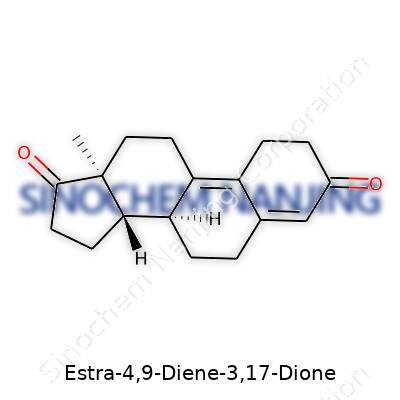
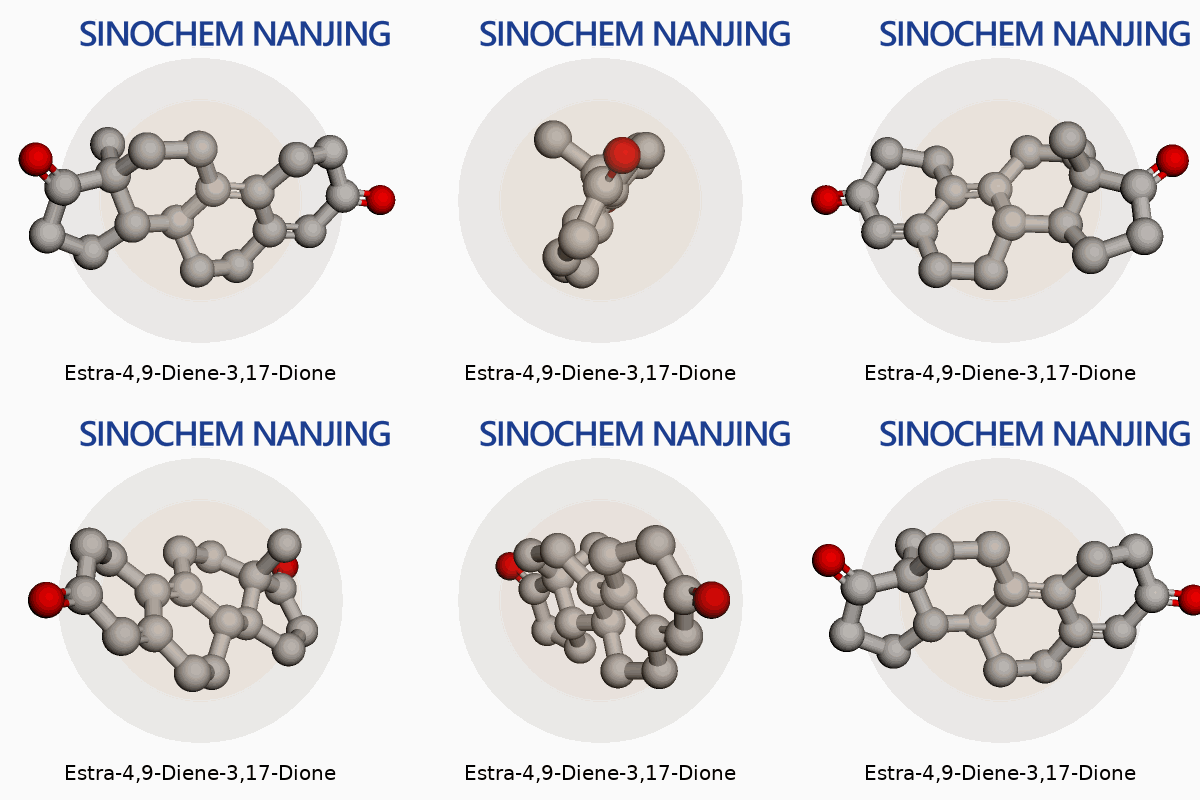
| Names | |
| Preferred IUPAC name | (8S,9S,13S,14S)-13-methylidene-2,6,7,8,9,11,12,14,15,16-decahydro-1H-cyclopenta[a]phenanthrene-3,17-dione |
| Other names |
Dienedione 19-Norandrostadiene dione Estradienedione |
| Pronunciation | /ˈɛstrə fɔːr naɪn daɪˈiːn θri sɛvənˈtiːn daɪˈoʊn/ |
| Identifiers | |
| CAS Number | 5173-46-6 |
| Beilstein Reference | 12350329 |
| ChEBI | CHEBI:34664 |
| ChEMBL | CHEMBL494884 |
| ChemSpider | 21545173 |
| DrugBank | DB07532 |
| ECHA InfoCard | 13d9e66a-8a42-48e0-9099-70be13cb910a |
| EC Number | 206-647-2 |
| Gmelin Reference | 163099 |
| KEGG | C12604 |
| MeSH | D004959 |
| PubChem CID | 3037034 |
| RTECS number | GV7875000 |
| UNII | 9HA1H1X41U |
| UN number | Not classified |
| CompTox Dashboard (EPA) | DTXSID8022147 |
| Properties | |
| Chemical formula | C18H20O2 |
| Molar mass | 284.37 g/mol |
| Appearance | Yellow crystalline powder |
| Odor | Odorless |
| Density | 1.159 g/cm³ |
| Solubility in water | Insoluble in water |
| log P | 2.6 |
| Vapor pressure | 6.15E-7 mmHg at 25°C |
| Acidity (pKa) | 12.59 |
| Basicity (pKb) | 3.89 |
| Magnetic susceptibility (χ) | -77 × 10⁻⁶ cm³/mol |
| Refractive index (nD) | 1.620 |
| Dipole moment | 3.25 D |
| Thermochemistry | |
| Std molar entropy (S⦵298) | 389.6 J·mol⁻¹·K⁻¹ |
| Std enthalpy of formation (ΔfH⦵298) | -56.1 kJ/mol |
| Std enthalpy of combustion (ΔcH⦵298) | -1032.7 kJ/mol |
| Pharmacology | |
| ATC code | A14AA08 |
| Hazards | |
| GHS labelling | GHS02,GHS07 |
| Pictograms | GHS07 |
| Signal word | Warning |
| Hazard statements | H302, H315, H319, H335 |
| Precautionary statements | P261, P264, P271, P272, P280, P302+P352, P321, P363, P305+P351+P338, P308+P313, P405, P501 |
| NFPA 704 (fire diamond) | 2-1-0 |
| Flash point | > 151.3 °C |
| Autoignition temperature | > 535°C |
| LD50 (median dose) | 1860 mg/kg (rat, oral) |
| PEL (Permissible) | Not established |
| REL (Recommended) | 50-100 mg |



