Dimethylzinc: More Than Just a Niche Chemical
Historical Development: From Curiosity to Cornerstone
Dimethylzinc doesn’t grab headlines, but its story reaches back more than a century. In the 19th century, pioneering chemists sought ways to tame and harness organometallic compounds. Edward Frankland, often called the father of organometallic chemistry, prepared dimethylzinc as early as 1849. Those early days came with risk—dimethylzinc’s volatility and wild reactivity led to spectacular accidents in the lab. Protective eyewear and careful ventilation rarely featured in lab protocols at the time. Instead, researchers learned through trial, error, and sometimes disaster how to manage the unique features of this reagent. Later generations, standing on those hard-won lessons, improved the manufacturing process and built a much-needed framework for handling, shipping, and using dimethylzinc safely. By the mid-20th century, its chemistry reliably powered advances in materials science, especially as demand surged for higher-purity materials in electronics.
Product Overview: Small Molecule, Big Influence
Dimethylzinc, often called DMZ or compound Zn(CH3)2, is no backyard chemical. Its sharp, garlicky odor hints at its serious demeanor. Clear and colorless, it likes to move fast—its vapor catches fire in air, making it both valuable and dangerous in skilled hands. It serves as a methylating agent, a precursor for semiconductor materials, and a catalyst in specialty organic synthesis. The research world’s interest in dimethylzinc reflects the compound’s ability to transfer methyl groups with precision, unlocking synthetic pathways that few other reagents deliver as cleanly.
Physical & Chemical Properties: Handle with Respect
Anyone who handles dimethylzinc remembers that it boils at room temperature. In practical terms, that means it’s stubbornly volatile, easily turning from liquid to vapor and escaping containment if not properly sealed. Liquid dimethylzinc reacts fiercely with air and water, catching fire spontaneously. It doesn’t merely burn—it generates thick, white fumes of zinc oxide, the telltale sign that things have gone wrong. The flammability, low ignition point, and tendency to decompose under heat transform minor spills into emergencies in an instant. Any chemist quickly learns a healthy respect for storing DMZ under inert gases, using tools that won’t spark, and planning for what might go sideways as much as what goes right.
Technical Specifications & Labeling: Clarity Carries the Day
Most vials and drums containing dimethylzinc arrive with stringent safety warnings and unmistakable hazard symbols. No one benefits from ambiguity here. Each shipment spells out concentration, storage temperature, and handling protocol. Regulatory bodies like OSHA and the European Chemicals Agency demand clear communication, pushing suppliers to detail impurities, moisture content, and recommended inert gas blankets. That might sound tedious, but every decimal point and technical note means fewer opportunities for accident and confusion. Anyone in chemical procurement knows that with dimethylzinc, serious labeling isn’t an option—it’s a necessity.
Preparation Method: Chemistry’s Balancing Act
The synthesis of dimethylzinc traces its lineage back to the reaction of zinc metal with methyl iodide. The reaction mixture, coaxed along with sodium and sometimes gentle heating, results in the evolution of the volatile organozinc product. This isn’t the kind of chemistry that scales up quietly—engineers and chemists plan every step to keep the process under strict control. Purity ranks high, with even tiny water contamination causing unwanted side reactions. Industrial facilities rely on sealed reactors, dry environments, and automation to keep workers safe and the product consistent. The waste stream, packed with unreacted methyl iodide and other organics, demands robust separation and treatment to avoid releasing toxic or flammable residues into the environment.
Chemical Reactions & Modifications: Unlocking New Pathways
Dimethylzinc stands out among its peers for the pure way it transfers methyl groups. In organic synthesis, chemists appreciate its role in methylation, especially for compounds that won’t tolerate harsher reagents. It steps up in the formation of carbon–carbon bonds, fueling research into pharmaceuticals and new materials. In semiconductor production, it shines as a precursor for zinc-containing thin films, especially in metal-organic chemical vapor deposition (MOCVD) processes for diodes and lasers. The ability to tweak its reactivity by adjusting temperature, pressure, and other conditions allows process chemists to find the sweet spot between yield and safety. Many modifications and derivatizations start with dimethylzinc, its small methyl groups acting as modular building blocks for more complex molecules.
Synonyms & Product Names: Clear Communication Matters
A glance at safety data sheets reveals a handful of labels for dimethylzinc: “DMZ,” “Zinc methyl,” “Zinc dimethanide,” and chemical index numbers for regulatory tracking. In industry, miscommunication over a compound’s identity can lead to catastrophic error. Every synonym is carefully tracked; every alias gets tied to a shared understanding of risks and responsibilities. Clarity in naming helps everyone from laboratory technicians to emergency responders speak the same language about what they’re handling.
Safety & Operational Standards: Hard Lessons Written in Policy
Hard-won experience has driven the rigorous safety standards surrounding dimethylzinc. Facilities using or storing it rely on forced ventilation, automatic fire suppression, blast shields, and strict access controls. Personal protective equipment—flame-resistant lab coats, gloves, face shields—serves as frontline defense. Training for chemists covers emergency procedures, dry box operation, and the dangers of static electricity. The lessons that shape these standards don’t come from theoretical risks but from decades of real-world incidents, near-misses, and careful post-mortem analysis. Regulators update the rules as new research and incident data come in, but the core mantra remains: respect the chemical, understand the risks, and plan every routine as if failure isn’t just possible, but likely if corners get cut.
Application Area: Semiconductors and Beyond
Dimethylzinc lays the foundation for some of the world’s most advanced technology. The electronics industry counts on it to produce high-purity zinc oxide films used in LEDs and laser diodes. These applications demand a level of control only DMZ delivers, down to the atomic scale. In research labs, it unlocks synthetic routes for pharmaceuticals and specialty polymers. Catalysis and methylation strategies using DMZ continue to help scientists build new carbon frameworks, pursue greener reaction conditions, and design chemicals with less waste. The scope of its use keeps broadening as technology pushes for smaller, faster, and more precise materials, all built layer by painstaking layer using building blocks like dimethylzinc.
Research & Development: Pushing Boundaries, Reducing Risks
Current research seeks to keep all of DMZ’s chemical power while reducing its hazards. Materials scientists explore modified ligands and alternative delivery systems to tone down volatility without sacrificing reactivity. Some groups develop microencapsulation techniques to trap the liquid until the precise moment of use, minimizing the risk of accidental release. Process chemists tweak methods to recycle or neutralize byproducts, closing the loop and shrinking the chemical’s environmental footprint. These efforts bring hope for a future where working with DMZ means fewer trade-offs between performance and safety. Even with automation and robotics, skilled minds and careful hands remain crucial for guiding DMZ from lab to factory to product.
Toxicity Research: Consequences Beyond the Flask
Toxicologist reports on dimethylzinc read like cautionary tales. Skin contact causes burns, inhalation irritates the respiratory tract, and a spill often triggers a full emergency response. Long-term exposure can disrupt zinc metabolism in living systems, with unknown effects at low doses. Environmental research shows DMZ hydrolyzes in water, releasing volatile organics and zinc oxide—compounds that pose significant risk to aquatic life if released in quantity. Regulatory agencies track exposure data carefully and push for tighter controls as the landscape of materials use evolves. In my experience, chemists—and especially young researchers—benefit from repeated reminders: the consequences of mishandling DMZ don’t end with a ruined experiment, but may affect health, safety, and the immediate environment for far longer than expected.
Future Prospects: Balancing Innovation With Caution
Industries banking on next-generation electronics, optoelectronics, and fast-changing synthesis techniques count on chemicals like dimethylzinc to stay ahead. Improvements in sensor technology, automation, and containment promise to cut accident rates and make routine handling feasible in more settings. Entrepreneurs and materials scientists talk about greener organometallic reagents; some look for less volatile alternatives to DMZ with the same methylating muscle. The market for ultrapure compounds continues to expand as everything from smartphones to solar panels relies on custom-designed films and new semiconductor materials. Yet, none of this growth changes the core lesson every chemist learns: neither tradition nor novelty offers a free pass around risk. Real innovation means weighing every benefit against every hazard—and finding smarter, safer, and more sustainable ways to bring uncommon tools like dimethylzinc into the hands of those who shape the future.
What is Dimethylzinc used for?
Chemistry That Fuels Technology
Whenever the topic of complex chemical building blocks comes up, not many outside laboratories mention dimethylzinc. It’s a colorless, volatile liquid with the chemical formula Zn(CH3)2. In my experience working on semiconductor process stories and safety reports, it’s one of those substances that keeps popping up in the high-stakes world of advanced electronics.
The Semiconductor Connection
If you use a smartphone, a flat-screen TV, or drive a vehicle built in the last decade, chances are good that dimethylzinc’s fingerprints are all over the electronics inside. Its main job: providing a zinc source for materials engineers making compound semiconductors, like zinc selenide and zinc sulfide. These compounds form the blue and green emitting layers in light-emitting diodes (LEDs) and other optoelectronic devices.
Here’s where it gets interesting. Manufacturers use a process called Metal Organic Chemical Vapor Deposition (MOCVD) to deposit ultrathin layers of these materials. Dimethylzinc brings the zinc atoms needed to form perfectly structured crystals. This level of precision, down to a single atomic layer, doesn’t happen with cheaper, bulkier precursors. That means more efficient LEDs, faster transistors, and more reliable laser diodes.
Research and Industry Rely on It
University labs and industry giants count on dimethylzinc for creating new materials. It opens doors to exploring transparent conducting films and quantum dots. Both of these technologies sit behind the push for brighter displays and solar panels that pull more electricity from the same patch of sunshine.
I remember talking with an engineer at a fabrication facility; she described dimethylzinc as “indispensable” for zinc-based chemical vapor deposition experiments. Without it, progress on improving optoelectronic efficiency would crawl. These breakthroughs trickle into things like better phone screens and more durable medical sensors.
The Safety Side of the Story
Despite its benefits, mishandling dimethylzinc spells trouble. It ignites on contact with air—no spark required—and reacts violently with water. I’ve covered stories about lab fires started by careless disposal or unexpected leaks. This has led most semiconductor fabs to use automated, closed delivery systems. Trained staff don protective gear, monitor for leaks, and keep strict control of storage areas—think specialized containers purged with nitrogen, far from any ignition source.
Improving safety protocols represents one of the industry's ongoing challenges. Training and rigorous inspections reduce risk, but the industry could stand to invest more in remote handling systems and better leak detection technologies. Open communication between researchers and industrial hygienists keeps both innovation and safety at the forefront.
Looking Ahead: Sustainability Questions
Most chemical advancements come with questions about environmental impact. Dimethylzinc leaves little room for error; accidental releases can threaten air and water. Some startups aim to develop new zinc sources with lower volatility and reduced hazard profiles. Regulators continue reviewing handling and transportation rules, hoping to keep up with fast-paced tech sector growth.
Balancing the push for smaller, faster, and brighter gadgets with chemical safety and sustainability isn’t easy. Dimethylzinc offers a great example of both the promise and the responsibility that mark modern technology.
What are the safety precautions for handling Dimethylzinc?
Danger is No Joke
Dimethylzinc stands out in any lab. Even among chemicals with a nasty bite, it’s got a reputation. Flammable, toxic, and eager to ignite from the tiniest mistake, this compound calls for real respect. Folks who’ve worked with it know the stories: even the air can set it off, and skin contact means a trip to the ER. Old hands pass down their caution, and lab safety posters remind everyone that this isn’t your average solvent.
PPE: Not Just for Show
The first layer of defense comes down to what you’re wearing. Not just a standard lab coat, but fire-resistant overalls that cover everything. Safety goggles help, but a full face shield goes further to block fumes and protect from splashes. Heavy-duty gloves—think nitrile or butyl—keep your fingers safe. One slip, and this stuff will burn straight through regular latex. With proper gear, you’re already several steps ahead.
Airtight Workspaces—No Excuses
Folks often talk about the importance of fume hoods and gloveboxes for a reason. The air itself sparks reactions with Dimethylzinc. It stays inside sealed containers, only coming out under a steady flow of inert gas like argon or nitrogen. That means you can’t just crack open a bottle on the bench. Ventilated, isolated workspaces cut down the risk and contain any leaks or spills before they turn into a disaster.
No Room for Sloppy Storage
There’s a reason suppliers ship this chemical in tight metal cans capped with septa. Temperature swings can make the stuff boil and leak. Smart storage means putting it away from sources of heat, sunlight, or static electricity. Keeping it locked up, clearly labeled, and away from anyone not trained to handle it isn’t just policy — it is survival.
Fire Hazards Aren’t an Afterthought
You won’t see water-based extinguishers near Dimethylzinc. Water only makes problems worse. Sand, dry powder, or special Class D extinguishers give you a fighting chance if things ignite. Quick thinking comes from regular drills and knowing exactly where emergency stops or fire suppression tools live.
Training: No Substitutes
Anyone handling Dimethylzinc goes through training, not just for their own sake but to protect the whole lab. Understanding what can go wrong, how to handle emergencies, and how to use the right protective gear is part of getting access in the first place. Mistakes come at a high price, so up-to-date training and strict supervision save lives.
Disposal: Don’t Wing It
Used containers and leftover Dimethylzinc don’t just get thrown away. Neutralizing with mineral oil in small, careful amounts keeps things under control, but professionals treat every drop as active until proven inert. Spill kits with sand and absorbents stand ready, and no one dumps anything down the drain. Qualified waste handlers finish the process so the streets outside the lab stay safe.
The Takeaway
Safety with Dimethylzinc asks more from everyone working with it—routine, discipline, and planning. There’s real danger, but with the right habits, PPE, training, and emergency tools, labs keep moving forward without putting lives on the line. Talk to veterans, follow the protocols, and treat every bottle with the gravity it deserves.
What is the chemical formula of Dimethylzinc?
Demystifying a Key Chemical: Dimethylzinc
Dimethylzinc brings a certain energy to laboratory work. If you’ve ever spent time in a synthetic chemistry setting, this compound’s reputation precedes it. Its chemical formula, Zn(CH3)2, boils down to a zinc atom bonded to two methyl groups. That structure turns out to be more than clever notation—it’s the reason so many researchers approach it with respect, and sometimes a little nervousness.
Why Dimethylzinc Matters in the Real World
Industries working with semiconductors or OLEDs know the value of precise, high-purity chemicals. Dimethylzinc steps up as a crucial ingredient in vapor-phase deposition reactions. It’s practically impossible to talk about manufacturing some thin-film electronics without mentioning organozinc compounds. They act as the zinc donor in processes creating precise layers on silicon wafers, meaning your smartphone screen, solar panel, or LED might owe thanks to a chemical like this.
The formula Zn(CH3)2 packs a punch because those methyl groups make zinc more reactive than in simpler compounds. This reactivity streamlines certain reactions that lead to new drug candidates or advances in materials science. Having worked on small-molecule synthesis, I appreciate how essential the correct reagents are. If a reaction calls for tight control and speed, a chemical like dimethylzinc, with clear, consistent structure, saves hours, sometimes days, in the lab.
Safety Isn’t Optional
Dimethylzinc brings risk. It bursts into flame on contact with air, catches fire even faster than many familiar flammables, and leaves little margin for error. I remember hearing about early lab accidents because someone underestimated how pyrophoric Zn(CH3)2 really is. There’s a lesson in safety there, not just for advanced research labs, but for anyone handling chemicals outside a controlled environment.
Handling this compound requires the right tools—air-free techniques, proper gloves, goggles, and fume hoods. If someone ever questions why safety gear matters, one look at dimethylzinc’s behavior makes the case. I’ve seen entire synthetic plans scrapped because the right safety setup wasn’t possible. Better to find a workaround than risk a major accident or exposure in the workplace.
What We Can Learn From Dimethylzinc
Understanding the formula Zn(CH3)2 isn’t just about memorizing letters and numbers. It reminds scientists and students alike that structure dictates both function and risk. Each methyl group plays a role in making dimethylzinc simultaneously a problem solver and a troublemaker if treated lightly.
This compound stands as a reminder that chemistry can be beautiful, precise, and dangerous. The more people study these formulas, the more they realize that the small stuff—the bonds, the groups, the atoms—makes a difference that ripples into devices, medicines, and lives. Choosing the right chemical and handling it safely isn’t optional. It’s the difference between an experiment’s success and a costly mistake.
How should Dimethylzinc be stored?
Understanding the Risks
Dimethylzinc stands out as one of those chemicals that can wake up the safety instincts in any lab worker. It doesn’t just pose a threat through exposure; it has an appetite for reacting with air and moisture, sometimes violently. This isn’t just a story from chemistry textbooks. One colleague spilled a trace of it years ago, and the resulting flash taught everyone a lasting lesson. Even a seasoned scientist gains a fresh respect for the rules after seeing a few grams light up like a firecracker.
Conditions and Handling
Truth is, storing Dimethylzinc is all about minimizing contact with anything that will set it off. Its vapors can catch fire just from standard room air. So, containers must hold up under tough scrutiny. Glass bottles offer no real protection since Dimethylzinc can etch glass and shatter it when building up pressure. Steel drums with tightly sealed caps do a better job, but the joints and threads have to be flawless—one tiny leak, and you’ve got a room full of flammable vapor.
Specialty labs use steel or nickel containers with thick walls and inert gas purges, usually under dry nitrogen or argon. This isn’t overkill. Argon or nitrogen blocks out oxygen and water vapor, reducing the chance of unwanted chemistry. Putting the chemical inside a double-containment cabinet, vented directly outside, protects the rest of the workspace. Forget shelving Dimethylzinc with regular solvents; it demands its own isolated corner.
Most serious accidents happen while transferring the substance, not while sitting in storage. That means regular maintenance of transfer lines and fittings, plus leak checks with sensors, not just a whiff from a cautious nose.
Protecting People and Property
People sometimes underestimate how unforgiving Dimethylzinc can be. One minor lapse—a valve left unsealed, or a gasket that’s past its prime—can mean a costly fire or explosion. Chicago’s Argonne National Lab even published case studies where small mistakes brought full-scale emergency responses. Missteps matter for more than the person at the bench; entire labs and buildings can go down if things go wrong.
Ensuring safety means sticking to a culture of double-checks. That means log sheets, two-person rules for storage checks, and written sign-offs when containers move or get topped up. Good facilities rotate stock and avoid storing excess. Institutions following Responsible Care guidelines rarely see significant incidents. These routines save lives, and not everyone learns from success stories—often the best lessons come from near misses and shared tales of close calls.
Solutions to Storage Hazards
The most experienced facilities invest in automated storage cabinets wired to alarm systems, with continuous atmospheric monitoring for methylated zinc vapors. In tightly run operations, trained responders know the risks and where emergency gear hangs. Fire-rated containment rooms with multiple layers of detection, rather than a single old smoke alarm, lower the odds that one forgotten bottle turns into a disaster headline.
Training doesn’t stop after orientation. Best labs bring in outside experts for annual reviews, updating everyone on new best practices. Periodic drills with fake spills reinforce those lessons so staff don’t freeze up if something leaks for real.
Staying Humble Before Dangerous Chemistry
Greater awareness and modern equipment help, but real progress starts with respect for the chemical’s power. Anyone with stories from the lab will tell you: safety habits and a pinch of humility keep everyone working another day, and keep neighbors and co-workers safe. No shortcut matches the discipline of storing and handling Dimethylzinc with relentless attention to detail.
What are the potential hazards of Dimethylzinc?
Why Dimethylzinc Is No Ordinary Chemical
Dimethylzinc often appears in laboratories and advanced manufacturing, especially where semiconductor materials or next-generation electronics get developed. Its chemical formula seems simple, but nothing about handling this reagent feels straightforward. As someone who’s watched research teams wrestle with its volatility, I’ve seen it command respect—and caution— in every step from storage to disposal.
Immediate Dangers: Fire and Explosion Risk
Dimethylzinc bursts into fierce flames when it contacts air. You won’t find much warning before it happens. In fact, it can self-ignite at room temperature. Working near it, I’ve watched experts treat every drop like they’re holding a lit match near a gas leak. Even small spills can send a fireball racing across a bench, because its vapors catch the tiniest spark.
Dry sand and specialized extinguishers usually line the benches, but water never makes the cut — it reacts violently, making everything worse by releasing toxic vapors and more heat. Fire drills in spaces using dimethylzinc focus on immediate isolation and evacuation rather than firefighting. These realities mean organizations must fund regular training, invest in robust ventilation, and enforce limits on quantities stored in any single area.
Health Hazards: Breathing Trouble and Burns
It doesn’t just burn surroundings; it can burn people too. I’ve seen protective clothing go from an afterthought to the top priority after one bad incident. Even fleeting skin contact leaves painful blisters, and its vapors will irritate the eyes, nose, and throat. People working with dimethylzinc stay on guard about their gear: full face shields, thick gloves, lab coats, and sometimes even supplied-air respirators.
Breathing the fumes leads to zinc fume fever, something I once watched sideline an entire lab for days. Symptoms start like a nasty flu: chills, aches, cough, headache. This hangover comes not just from the chemical itself, but from the tiny zinc oxide particles it throws into the air after burning. There’s no magic antidote, just supportive medical care and patience.
Environmental Impact: Waterways at Risk
Dimethylzinc reacts with water to give off methane and zinc compounds. Methane drifts up into the atmosphere, while zinc builds up in soil and water. Fish and aquatic life suffer from zinc toxicity, which leads to problems in fragile river ecosystems. Proper disposal matters a lot. I’ve taken part in routine training just to make sure drain pipes never accidentally see so much as a drop of dimethylzinc or its residues.
Moving Toward Safer Practices
Safety starts with honest conversations about real risk. Regular training saves lives, as does reporting close calls, not just accidents. Anyone handling dimethylzinc needs to have access to fire blankets, solid PPE, and up-to-date emergency contacts. Facilities I’ve worked in run regular inspections and only allow the most experienced staff to use it. Substituting with less hazardous alternatives, where possible, brings peace of mind and often matches technical needs.
No shortcuts exist with dimethylzinc. Respect for this chemical, solid safety habits, and support from management set the tone for safety in the lab and beyond.
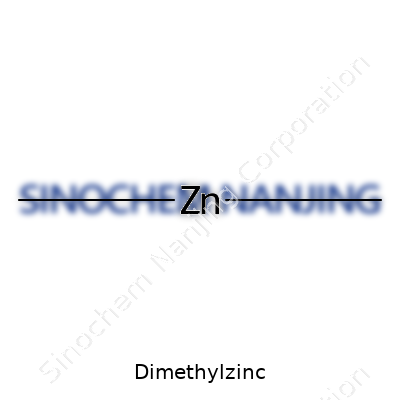
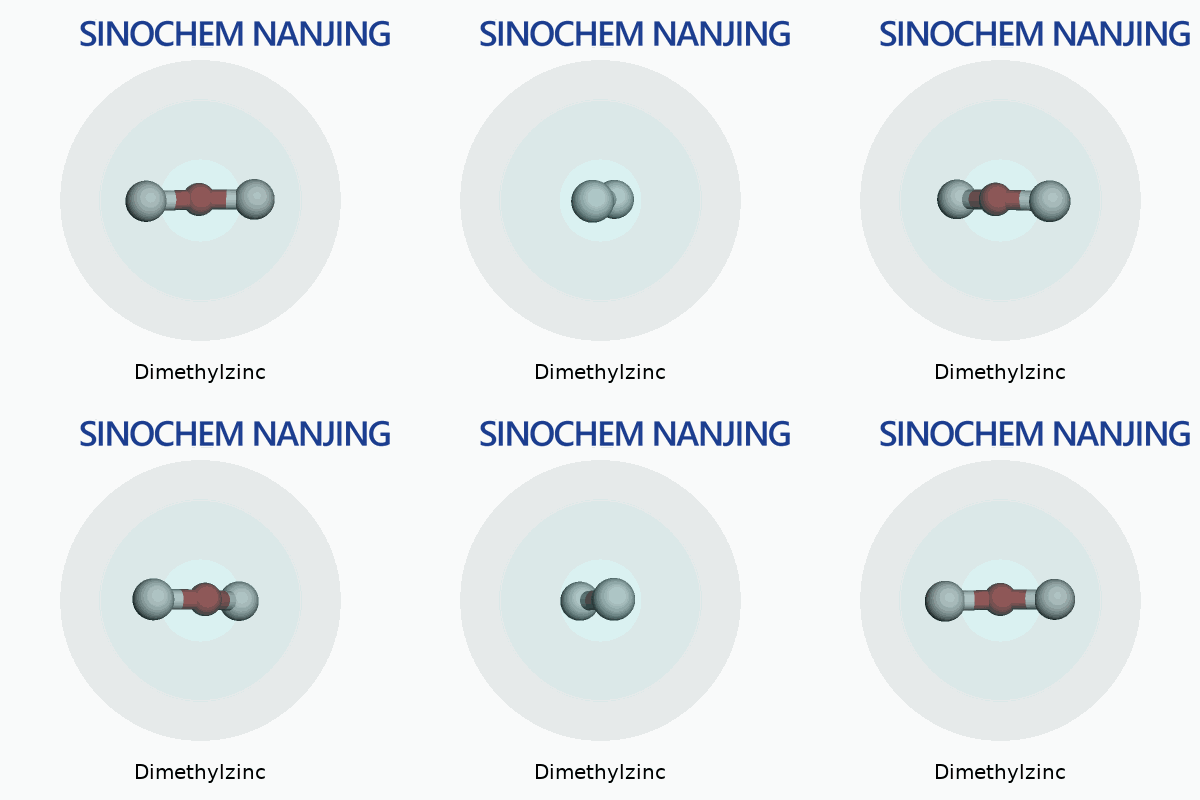
| Names | |
| Preferred IUPAC name | Dimethylzinc |
| Other names |
Dimethylzinc DMZ Zinc methyl Zinc dimethyl Dimethyl zinc Zinc, dimethyl- |
| Pronunciation | /daɪˌmɛθ.ɪlˈzɪŋk/ |
| Identifiers | |
| CAS Number | 544-97-8 |
| Beilstein Reference | 358293 |
| ChEBI | CHEBI:37989 |
| ChEMBL | CHEMBL1377 |
| ChemSpider | 59516 |
| DrugBank | DB01763 |
| ECHA InfoCard | 200-142-8 |
| EC Number | 209-674-3 |
| Gmelin Reference | 1620 |
| KEGG | C01702 |
| MeSH | D005912 |
| PubChem CID | 11036 |
| RTECS number | HZ8750000 |
| UNII | YQ3DRX7C9B |
| UN number | UN1366 |
| Properties | |
| Chemical formula | C2H6Zn |
| Molar mass | 123.48 g/mol |
| Appearance | Colorless liquid |
| Odor | garlic-like |
| Density | 0.786 g/mL at 25 °C (lit.) |
| Solubility in water | Reacts violently |
| log P | 0.77 |
| Vapor pressure | 40 mmHg (20 °C) |
| Acidity (pKa) | 11.6 |
| Basicity (pKb) | pKb = 8.89 |
| Magnetic susceptibility (χ) | −22.0×10⁻⁶ cm³/mol |
| Refractive index (nD) | 1.49 |
| Viscosity | 0.63 cP (20 °C) |
| Dipole moment | 0.00 D |
| Thermochemistry | |
| Std molar entropy (S⦵298) | 182.6 J·mol⁻¹·K⁻¹ |
| Std enthalpy of formation (ΔfH⦵298) | -6.3 kJ/mol |
| Std enthalpy of combustion (ΔcH⦵298) | -1047.7 kJ/mol |
| Hazards | |
| GHS labelling | GHS02, GHS06, GHS05, GHS08 |
| Pictograms | GHS02,GHS06 |
| Signal word | Danger |
| Hazard statements | H250, H260, H314 |
| Precautionary statements | P210, P222, P231 + P232, P261, P280, P305 + P351 + P338, P310, P370 + P378 |
| NFPA 704 (fire diamond) | 4-4-2-W |
| Flash point | Flash point: -35°C (-31°F) (closed cup) |
| Autoignition temperature | 212 °C |
| Explosive limits | 1.8-12.0% |
| Lethal dose or concentration | LD50 oral rat 160 mg/kg |
| LD50 (median dose) | LD50 (median dose): Oral rat 160 mg/kg |
| NIOSH | DMZ |
| PEL (Permissible) | PEL (Permissible Exposure Limit) for Dimethylzinc: "0.1 ppm (0.3 mg/m³) as TWA |
| REL (Recommended) | 5 mg/m³ |
| IDLH (Immediate danger) | 50 ppm |
| Related compounds | |
| Related compounds |
Diethylzinc Diphenylzinc Diethylmercury Dimethylcadmium |



