Dimethylcarbamoyl Chloride: Inside a Chemical’s Unfolding Story
Historical Development
Dimethylcarbamoyl chloride doesn't have the celebrity status of some industrial chemicals, yet its journey through scientific history tells plenty about how research and industry shape each other. Its development sits right in the era where organic chemistry kicked into high gear. Researchers in the early and mid-20th century searched relentlessly for compounds that could tweak molecules in precise, creative ways. They spotted dimethylcarbamoyl chloride as a building block for all sorts of syntheses. Its usefulness came from its reactive nature, especially in creating carbamates, a class of molecules with powerful uses from pharmaceuticals to pesticides. Over the years, research labs and chemical companies kept refining the preparation processes, aiming for purity, safety, and scalability. The chemical’s legacy mirrors the growing complexity of synthesis routines in modern labs.
Product Overview
Dimethylcarbamoyl chloride, often abbreviated as DMCC, carries a simple, clear structure but opens doors to big possibilities. It’s mainly used to attach a dimethylcarbamoyl group to other molecules, a kind of customization that transforms basic compounds into useful, sometimes essential, products. Its profile bridges two distinct worlds: bulk industrial production of intermediates and fine-tuned pharmaceutical science. With its sharp, acrid odor and colorless, volatile liquid form, DMCC looks unassuming, but its intense reactivity means it demands respect in any setting. Even small mistakes in storage or handling can change the course of a synthesis or raise difficult safety questions.
Physical & Chemical Properties
DMCC comes with a boiling point just over 90 degrees Celsius and brings along dense fumes that don’t just irritate—they attack. It dissolves well in organic solvents like ether or benzene, refusing to touch water without breaking apart. Chemically, it’s a true powerhouse, reacting rapidly with nucleophiles, water, and amines. That kind of reactivity can make it tough to work with, but it speeds up tricky reactions that take ages with milder reagents. Chemists rely on these properties when they need something strong enough to drive a synthesis but not so wild it destroys everything it meets.
Technical Specifications & Labeling
Regulations don’t leave much room for casual labeling with this material. Every shipment—large or small—demands clear hazard symbols, handling instructions, and packaging that prevents leaks. Chemical suppliers pay close attention to purity grades, reporting detailed assays for each batch since contaminants or moisture can change results overnight. Labels stay direct: dimethylcarbamoyl chloride, C3H6ClNO, or its Common European Inventory number, sometimes showing a skull-and-crossbones sign as a stark warning to anyone nearby. These detailed disclosures grow out of hard-learned lessons about safety, since even a single unlabeled container can set off a cascade of costly consequences.
Preparation Method
Traditional routes to DMCC often start with phosgene, a notorious but effective industrial chemical. Chemists react it with dimethylamine, harnessing tightly controlled conditions to keep yields high and byproducts low. It’s a method handed down and modified by generations, not just for efficiency but for safety; phosgene’s role in chemical warfare drove home the dangers of careless synthesis. Still, alternatives have emerged through clever lab work, where less hazardous chlorinating agents or continuous-flow reactors swap out some of the historical risks. These shifts in preparation balance tradition with innovation—the old benchmarks of yield and cost now weigh against environmental and workplace health priorities.
Chemical Reactions & Modifications
Once inside the lab, DMCC works like a sculptor’s tool. It reacts aggressively with water, so all equipment must stay bone-dry. It quickly modifies alcohols into carbamate esters and changes amines into ureas and other functionalized products. This efficiency makes it a favorite in certain synthetic steps, where nothing else matches its pace or precision. Chemists often use it to protect sensitive groups during synthesis, saving the real transformations for later. The same reactivity also creates hazards: accidental combinations with water or strong bases can unleash corrosive fumes or run-away reactions, so attention never wavers during use.
Synonyms & Product Names
Across catalogs and chemical containers, DMCC appears under a handful of aliases: N,N-dimethylcarbamoyl chloride, and sometimes simply “carbamoyl chloride, dimethyl.” Regulatory texts may reference its CAS number, 79-44-7. Regardless of the name, the chemical’s routines in labs and factories hardly change. Local language differences and labeling quirks sometimes cause confusion, but anyone regularly working with this substance learns to recognize the variants, a habit that prevents mix-ups and mistakes.
Safety & Operational Standards
DMCC stands out as one of those chemicals where the book—literally the safety data sheet—matters on every shift. Its fumes cause tears, burning in the throat, and deeper respiratory problems, making fume hoods and sealed equipment standard issue. Accidental skin contact, even brief, leads to blistering and burning. Most labs and plants handling DMCC carry strict protocols for spills, exposure, and storage, right down to the correct choice of gloves and face shields. Safety training isn’t some annual box-check; it’s daily practice. Between tight regulations and the ever-present reality of chemical accidents, DMCC’s use draws clear lines: skilled workers, strict rules, and fast response plans.
Application Area
In the world of pharmaceuticals, DMCC helps create key intermediates for antiviral medications and nervous system drugs. Chemical makers harness its talents to build up carbamate-based pesticides, a class with decades of proven value in agriculture. It even plays a behind-the-scenes role in specialty plastics and polymer additives, tweaking structures for strength or resistance. Each use shapes its own strict requirements for purity, scale, and delivery—the high-stakes world of pharmaceuticals demands the least impurities, whereas large-scale pesticide production focuses on cost and efficiency. With each sector, the challenges shift, from managing trace residues in pills to handling bulk volumes safely outside city limits.
Research & Development
Chemists push every boundary with DMCC, seeking ways to work faster, greener, and safer. The constant drive for new drugs means synthesizing novel protected amino acids or peptides—tasks where DMCC still does things better than many alternatives. Research groups also look for replacements that match its ability but skip the same degree of hazards. Product stewardship teams join the effort, focusing on leak-proof packaging, fume scavenging, and recycling leftover streams from synthesis lines. It’s a constant balancing act: safeguarding workers and the environment while meeting unrelenting production targets.
Toxicity Research
Study after study digs into DMCC’s health effects. Exposure data points to strong irritation, lung inflammation, possible carcinogenicity—for many years, regulations chased emerging evidence rather than predicting new risks. Animal studies show organ damage at levels far below many other industrial chemicals, driving regulatory agencies in Europe, North America, and Asia to keep tightening permissible exposure levels. Some research tracks the formation of byproducts or breakdown products that might stick around in the environment; even trace amounts spur further investigations. Medical surveillance among occupationally exposed workers, coupled with updated exposure control technologies, embodies the push for evidence-based standards rather than outdated averages or theoretical safe levels.
Future Prospects
Pressure builds every year to develop safer, kinder chemical alternatives, both for environmental reasons and occupational health. Still, DMCC’s unique reactivity ensures it remains in demand for now, especially where other chemicals just can’t match the same performance. Researchers are investing in continuous flow synthesis and process miniaturization, reducing the risk of large accidental releases and environmental contamination. The next generation of chemists will likely inherit a more diversified set of tools for synthesis, but history shows that proven, versatile chemicals seldom vanish overnight. Real progress means learning from each misstep—smarter containment systems, real-time monitoring, and sharper screens for toxicity. Moving forward, more collaboration between regulators, technologists, and product users promises fresh answers for age-old risks, not just for DMCC, but for the whole class of powerful intermediate chemicals that sit between lab dreams and everyday applications.
What is Dimethylcarbamoyl Chloride used for?
Understanding the Role in Industry
Dimethylcarbamoyl chloride isn’t something most people bump into, but this chemical plays a big role in manufacturing. Factories use it to make pesticides, pharmaceuticals, dyes, and some industrial resins. The main reason for its popularity comes down to reactivity — it reacts quickly with organic compounds. In the pesticide world, it helps create substances that fight off pests while sparing crops, especially in large-scale agriculture.
Pharmaceutical labs value it for building blocks of medicine, such as antibiotics and certain chemotherapy drugs. Chemists can attach its chemical structure to form other useful compounds, opening doors to medicines that save lives. Its use doesn’t end in the lab. Textile companies also rely on it for special fabric dyes, giving us lasting colors in clothes and furniture that stick around after many washes.
The Trade-Off: Risk for Reward
I’ve read about people working in chemical plants where dimethylcarbamoyl chloride pops up on safety sheets. Exposure to this substance comes with real health concerns. Breathing it in—or spilling it, for that matter—can cause burns, trouble breathing, or worse. Everyone involved in its production or handling knows strict rules for wearing the right gear and using proper ventilation. In my own experience talking with friends in chemical industries, they often mention the value of continuous training so employees know exactly how to prevent accidents or react fast if someone gets exposed.
The International Agency for Research on Cancer describes it as possibly carcinogenic, meaning overexposure could increase cancer risk. This label isn’t just a suggestion. It means managers and safety teams take extra care with storage, labeling, and disposal. In Europe, many companies follow REACH regulations, requiring a full assessment and transparent safety data before the chemical arrives at a plant.
Pushing for Safer Alternatives
While companies need powerful chemicals like dimethylcarbamoyl chloride, questions always pop up about safer choices. Some researchers pursue new molecules that get the job done with less hazard. Others look at changing factory processes to close up systems and stop gas leaks. I remember reading about green chemistry teams focusing on reactions that skip over the toxic parts altogether. These solutions take years of work, but their research matters for both factory staff and people living nearby.
What Can Improve Safety?
No magic bullet will erase the risks. Better handling comes from three things: training, technology, and transparency. Regular drills teach people what to do if a spill happens. Modern monitoring systems catch leaks long before someone notices a strange smell. Public reporting holds companies accountable; nobody wants history to repeat disasters from the past. More partnerships between industry, regulators, and health researchers will help watch for emerging problems and find smarter protections.
For anyone thinking about environmental impacts, the next step means stricter controls for wastewater and emissions. Neighbors deserve clean air and water, and watchdog groups often push hardest for change. My personal belief? Keep pressing for progress, since every step toward safer production ripples out into whole communities. Dimethylcarbamoyl chloride isn’t going away any time soon, but turning focus to safety and alternatives makes a world of difference.
What safety precautions should be taken when handling Dimethylcarbamoyl Chloride?
Understanding the Risks
Dimethylcarbamoyl chloride doesn’t get much press, but anyone who’s come across this chemical in the lab knows it demands respect. It’s used in synthesizing pesticides, pharmaceuticals, and dyes. Safety isn’t just about following rules on paper; a real encounter with its sharp odor or irritation burns that lesson into memory fast. This chemical can go through skin, irritate lungs, corrode eyes, and worse, break down into phosgene and hydrochloric acid if it hits water. That isn’t some far-off possibility — splash water on a benchtop and things get ugly.
Personal Gear: No Cutting Corners
Don’t trust any shortcut with protective gear. Standard cotton lab coats do very little: get a full barrier coat or chemical-resistant apron. Use goggles sealing all sides, and throw in a face shield if you’re opening bottles or weighing out powder. Nitrile or neoprene gloves stand up well here; vinyl won’t hold. Double-glove if you’re new to this or if there’s a risk of splash. Shoes should cover the whole foot. Short sleeves are asking for trouble, and jewelry or watches just trap chemicals.
Work Area and Ventilation
Deal with this chemical in a fume hood that vents outside. Those benchtop enclosures and ductless hoods don’t cut it with something so volatile and toxic. Test the hood sash for smooth operation before you start. Lay out spill pads; keep the workspace bare except the tools you need. Never set this up in a shared space where bystanders might walk past — I once saw an unprotected colleague get a coughing fit from work three stations away.
No Guesswork with Storage and Transfers
Glass bottles with solid PTFE-lined caps work best for storage. Label them big with a skull-and-crossbones symbol; skip fancy color-coding, plain warnings get the point across during a busy shift. Store away from water, alcohol, and anything protic — even wet gloves once caused a bubbling mess in our lab’s waste container. Set aside a tray for anything you open; spills on open benches spread fast.
Careful Procedure: No Distractions
Plan every step before you open a container. That means dry tools and workspace; don’t grab the first spatula in sight. Measure out what you need, recap bottles tight, and wipe drips right away. I’ve seen people lean too close to smell if a reaction is running, which just risks inhaling fumes. Step back, never lean in. Mix with dry solvents only — water or wet glassware releases toxic gases in seconds. Have a waste plan ready; don’t improvise with paper towels or dump it in a generic waste container.
What to Do When Things Go Wrong
Know the location of eyewash stations and showers before you begin. Run drills, even if co-workers roll their eyes. Keep calcium gluconate gel for skin exposure — I used it on a colleague after a glove pinhole saved him weeks of pain. Spill kits for corrosives are better than cleaning powder; practice emptying one out so you’re not thumbing through instructions during a spill.
Training and Shared Responsibility
Review the safety data sheet with coworkers before every new project. Don’t let anyone skip wearing gear if just “watching.” Supervisors who’ve worked with the chemical should share stories about what went wrong as much as what worked. Chemists build good habits through repetition, not just compliance.
Thinking Ahead Keeps Accidents Rare
Safety means treating every step as a real chance for exposure, not a checklist. So many close calls come from just one forgotten glove or a bottle cap half-twisted. Every safe practice shown here comes from someone else’s mistake, pain, or learning moment. Take that seriously, and you minimize the odds of someone getting hurt.
What are the storage requirements for Dimethylcarbamoyl Chloride?
Understanding the Risks
Dimethylcarbamoyl chloride belongs in a category of chemicals that make most lab workers double-check the safety sheet before even opening the bottle. It releases toxic gases on contact with water, especially phosgene—a chemical no one wants to breathe around. No responsible facility treats storage for this chemical as a simple housekeeping matter. Anyone storing or handling it needs to take real threats seriously. People have been hospitalized from improper ventilation and emergency gear issues, and there are documented cases of accidental exposure resulting in severe lung injury. That's not fearmongering. That's the record, and it shows how easy it is for things to go wrong.
Temperature and Ventilation Matter Most
Temperature stability changes the risk picture with many chemicals. With dimethylcarbamoyl chloride, heat easily triggers decomposition. That’s why cool, well-ventilated storage areas are standard. Most facilities keep it well under 25°C and away from direct sunlight or heat sources—family fridges don’t cut it, and basements can get too humid. Fume hoods make a difference when transferring or opening containers, but the storage itself should always allow for air to move in case of leaks.
Keep Away from Water and Alcohols
It reacts strongly with water and any alcohols, so no one stores it near basins, aqueous stock chemicals, or cleaning fluids. A shelf in a typical laboratory storeroom won’t work unless it’s physically segregated with chemical-resistant trays or bins. Spillage or minor condensation can start dangerous reactions. Real-world situations sometimes show staff with less experience stacking chemical containers on whatever space they can find. That is a short path to regrettable headlines. Clear labeling and physical barriers save lives, not just property.
Containment and Sealing Make a Difference
Glass containers with Teflon-lined caps remain the norm for storing dimethylcarbamoyl chloride. It’s tempting to think a tight screw-cap is enough, but seals degrade over time. Every bottle should stay inside secondary containment—like a sturdy tray that can hold leaks. Regular inspections, not just annual checks, catch cracks or swelling before anything actually hits the atmosphere. No reuse of old solvent bottles or makeshift containers. Chemists who cut corners might get lucky for a while, but luck in chemical storage has a short shelf life.
Emergency Preparedness Is Essential
Most labs and storage areas devoted to hazardous substances keep spill kits, gas masks, and absorbent polymers nearby. This is not over-cautiousness, as any breach or unexpected release can quickly put workers in grave danger. Emergency eyewash and showers, along with clear evacuation routes, also matter. Just knowing the right procedures is not enough—real drills help staff act quickly, should a spill or exposure occur.
Responsible Disposal and Inventory Control
No chemical lasts forever, and dimethylcarbamoyl chloride tends to degrade. Stock rotation is about safety, not just inventory management. Smaller, single-use quantities reduce leftover waste and discourage risky long-term storage. Licensed hazardous waste handlers usually take care of disposal, since down-the-drain dumping leads to environmental damage and breaches in regulation.
Looking Ahead
In my experience, facilities that invest in ongoing staff training, enforced labeling rules, and simple containment gear have remarkably few incidents. Dimethylcarbamoyl chloride isn’t going away, but harm can be minimized by taking small, consistent steps. Safety takes time, effort, and a good measure of humility in the face of what these chemicals are capable of.
What are the potential health hazards of Dimethylcarbamoyl Chloride?
Why This Chemical Raises Red Flags
Dimethylcarbamoyl chloride is tough to ignore if you work anywhere near chemical plants or laboratories. Even someone just browsing a safety data sheet gets the message loud and clear: exposure to this compound brings some heavy risks. The molecule packs a serious punch for the human body, and the stakes only rise if someone ignores basic safety steps. Over the years, reports from workplaces and regulatory agencies keep stacking up, and not in a good way.
Direct Exposure: The Immediate Hazards
I once toured a production line where this compound entered the mix for pharmaceuticals. The room hummed with ventilators, and everyone wore serious protective gear—not because they enjoyed suits in summer, but because even a small slip could mean disaster. Dimethylcarbamoyl chloride attacks the body fast. Skin contact causes nasty burns. Splash it in the eyes, and you're staring down blindness. Breathe its vapors, even in small amounts, and you’re risking lung damage, coughing fits, and swelling airways.
These effects aren’t just theoretical. The U.S. National Institute for Occupational Safety and Health puts this compound on their list of substances with no safe air exposure. Germany lists it as a substance demanding the highest safety standards in chemical handling. I’ve seen emergency drills where even a sniff sets off alarms, because it proves just how reactive and dangerous this stuff gets with living tissue.
Long-Term Dangers and Cancer Warnings
It’s not just short-term burns or lung injury that make this chemical such a concern. Over the past decade, cancer researchers started paying extra attention. Dimethylcarbamoyl chloride is known as a potent carcinogen. Inhaling or absorbing even small amounts over time can boost your risk for cancers of the respiratory tract. Tumor growth in animals after brief exposures tells you what can happen in poorly controlled workplaces.
The International Agency for Research on Cancer tags it as probably carcinogenic to humans. That statement should carry weight in any workplace meeting or risk assessment. I’ve read stories from chemical workers in old plants—rushed jobs, broken goggles, not enough ventilation. Many faced cancers years after a quick exposure on a bad day. The link wasn’t always immediate, which makes prevention even more important.
Protecting Health: Lessons from the Field
In my experience, the companies that take this compound seriously don’t just hand out gloves and forget the issue. They build entire rooms to prevent leaks. They install air monitoring systems on every door. They send real people to do surprise checks and push for routine health screenings. If something spills, workers evacuate, and hazmat teams move in—no shortcuts or quick fixes allowed.
Training goes beyond printed protocols. Workers hear stories about hospital visits and long recoveries from even minor mistakes. People swap advice about which respirators actually give a good seal and which face shields fog up in five minutes. It's personal, because it has to be.
Companies and regulators can build on that by adding site-specific monitoring—catching traces in the air before someone notices a weird smell. Regular blood tests for staff might catch effects long before symptoms show up. Reporting close calls could help the next crew spot danger faster, too.
Why It Matters
Health risks from chemicals like dimethylcarbamoyl chloride don’t affect just a handful of experts—they filter into families, neighborhoods, and whole communities. Stories of real harm hang around long after people move on. Science backs up what older workers have seen first-hand. Strict controls, strong training, and honest reporting keep people out of hospitals. To me, that’s worth every extra step.
How should Dimethylcarbamoyl Chloride spills be managed?
The Risks Behind the Name
Dimethylcarbamoyl chloride has a long, tough name, but the real cause for concern sits in its danger to health and the environment. People in laboratories or chemical factories know the hazards. This chemical reacts with water, creates toxic gases like phosgene, and can burn or poison in several ways. Over the years, I’ve seen how quickly routine work takes a sharp turn if a spill happens. Panic can add to that danger, so practical, clear approaches matter more than any checklist.
Speed and Preparedness Save Lives
Chemicals like this one demand fast action. In places I’ve worked, spill kits stand ready, and workers get regular drills so nobody hesitates or grabs the wrong thing. Not all training sticks, though, unless teams see why each step matters. Dimethylcarbamoyl chloride can move from a simple puddle to a room filled with choking fumes almost before anyone shouts for help.
Ventilating the affected area takes top priority—nobody should step into a spill zone without serious protection. Respirators with proper filters, chemical splash suits, and gloves layered for extra defense become non-negotiable. Emergency teams I know keep their equipment in easy reach, never buried in a corner. That setup can make a difference between minor cleanup and a large-scale evacuation.
Containment Means Control
Stopping the spread beats any cleanup method. I once worked at a facility where a colleague used sand from a construction pile, thinking it would work like the right absorbent. It only sped up a dangerous reaction. The right materials resist chemical breakdown and hold liquids without soaking through. For this particular substance, those special absorbents that keep chemicals from escaping vapors or causing new reactions are crucial. Fast, trained hands close off drains, lay down absorbent barriers, and move others out of danger.
Collecting waste comes next. Everything that touches the chemical—rags, suits, disposable tools—goes straight into heavy-duty containers built to handle hazardous waste. Changing gloves or suits before re-entering a spill area helps avoid spreading contamination. Dedicated hazardous waste contractors handle removal, following strict laws that not only keep the site safe but also prevent illegal dumping or dangerous disposal.
Prevention Starts at the Source
Looking back, the safest workplaces didn’t just talk about chemical risks at orientation. They set a regular schedule for inspecting storage containers. Damaged drums or loose lids can leak, and simple fixes like re-tightening caps or switching to corrosion-resistant shelves stop most trouble before it starts. Automated leak detectors, alarms, and closed transfer systems reduce handling and shrink the odds of human error.
Clear records of what chemicals get stored, where they sit, and how much is on hand make a big difference. In emergencies, fire crews or hazmat teams lose precious minutes if they have to guess. Good documentation clears confusion and saves both people and property.
Learning the Hard Way, Then Doing Better
It’s easy to feel secure until something goes wrong. Real safety grows out of learning from mistakes and sharing those stories. Open communication helps others avoid the same mishaps. Regulatory agencies run site checks but can’t cover every risk. Responsibility sits with the people on the ground, watching each other’s backs.
Effective management of dimethylcarbamoyl chloride spills does not take fancy technology or endless procedures. A dependable plan, regular training, sturdy equipment, and a no-shortcuts attitude create safer labs and plants. Using common sense—along with the right gear and an honest sense of urgency—makes for a place where spills become rare, and accidents stay small.
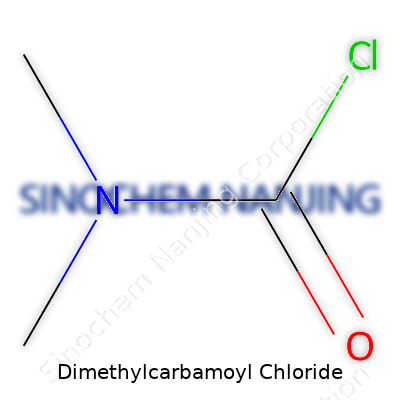
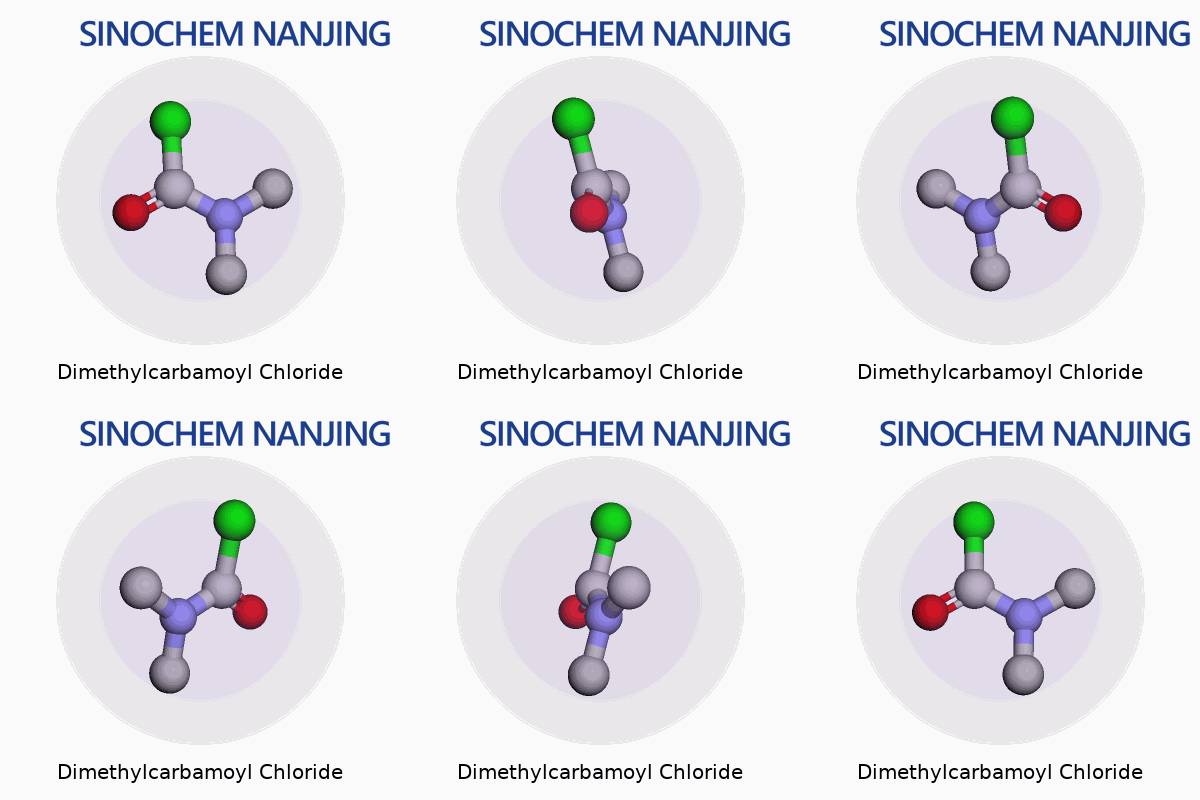
| Names | |
| Preferred IUPAC name | N,N-dimethylcarbamoyl chloride |
| Pronunciation | /daɪˌmɛθɪlˌkɑːr.bəˌmɔɪl ˈklɔːraɪd/ |
| Identifiers | |
| CAS Number | 79-44-7 |
| Beilstein Reference | 1361046 |
| ChEBI | CHEBI:50052 |
| ChEMBL | CHEMBL131106 |
| ChemSpider | 14221 |
| DrugBank | DB08335 |
| ECHA InfoCard | 100.003.686 |
| EC Number | 202-780-2 |
| Gmelin Reference | 67125 |
| KEGG | C18707 |
| MeSH | D008928 |
| PubChem CID | 8714 |
| RTECS number | KN3150000 |
| UNII | D7O40V3RO8 |
| UN number | UN1161 |
| Properties | |
| Chemical formula | C3H6ClNO |
| Molar mass | 107.54 g/mol |
| Appearance | Colorless to yellow liquid |
| Odor | Pungent |
| Density | 1.157 g/mL at 25 °C |
| Solubility in water | Reacts |
| log P | 0.98 |
| Vapor pressure | 22 mmHg (20°C) |
| Acidity (pKa) | 13.2 |
| Basicity (pKb) | 1.99 |
| Magnetic susceptibility (χ) | -48.2·10⁻⁶ cm³/mol |
| Refractive index (nD) | nD 1.419 |
| Viscosity | 0.695 cP (20 °C) |
| Dipole moment | 2.06 D |
| Thermochemistry | |
| Std molar entropy (S⦵298) | 318.6 J·mol⁻¹·K⁻¹ |
| Std enthalpy of formation (ΔfH⦵298) | -161 kJ/mol |
| Std enthalpy of combustion (ΔcH⦵298) | -609.6 kJ/mol |
| Hazards | |
| Main hazards | Toxic if swallowed, in contact with skin or if inhaled; causes severe skin burns and eye damage; may cause cancer. |
| GHS labelling | GHS02, GHS05, GHS06, GHS08 |
| Pictograms | GHS06,GHS05,GHS08 |
| Signal word | Danger |
| Hazard statements | H301 + H311 + H331, H314, H350 |
| Precautionary statements | P261, P280, P301+P310, P303+P361+P353, P304+P340, P305+P351+P338, P310, P320, P330, P361, P405, P501 |
| NFPA 704 (fire diamond) | 3-2-2-W |
| Autoignition temperature | 310 °C |
| Lethal dose or concentration | LD50 oral rat 86 mg/kg |
| LD50 (median dose) | LD50 (median dose): Oral-rat LD50: 123 mg/kg |
| NIOSH | BGM740 |
| PEL (Permissible) | PEL: 0.1 mg/m³ |
| REL (Recommended) | 0.05 mg/m³ |
| IDLH (Immediate danger) | 3 ppm |
| Related compounds | |
| Related compounds |
Carbaryl Cacodyl Acetyl chloride Methyl isocyanate |



