Diethyltoluamide: Unpacking the Essential Mosquito Repellent
Historical Development
Diethyltoluamide, often known as DEET, traces its origins back to World War II, when troops slogged through malaria-ridden jungles and needed something stronger than hope to keep biting insects at bay. In the late 1940s, after a long string of failed experiments with everything from botanical oils to heavy-duty chemicals, chemists working for the U.S. Army developed DEET as part of a push to protect soldiers overseas. Its effectiveness spread fast, with civilian markets picking up the compound in the 1950s. For decades, people have turned to it as a go-to line of defense during camping trips, fishing excursions, and summer evenings in bug-rich environments. It's become a household staple, evidence of the odd intersection between wartime science and backyard barbecues.
Product Overview
DEET now appears in sprays, wipes, lotions, and even wristbands, marketed under an array of brands. Some bottles provide concentrations as low as 5%, for parents worried about slathering strong chemicals on kids, while others ramp up to a tough 100% for those venturing deep into tick-laden woods. Companies focus on balancing skin feel, longevity, and scent, as anyone caught in a cloud of buggy humidity will confirm—not all repellents smell the same, and not all folks tolerate the greasy residue that some DEET products leave behind. The chemical's sheer ubiquity over 70 years speaks volumes. Despite the rise of plant-based competitors, DEET dominates thanks to its proven record against vectors that can carry dengue, Zika, and Lyme disease.
Physical & Chemical Properties
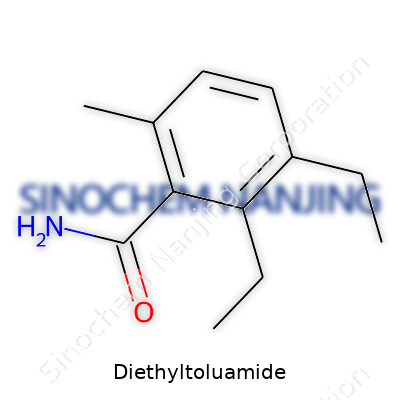
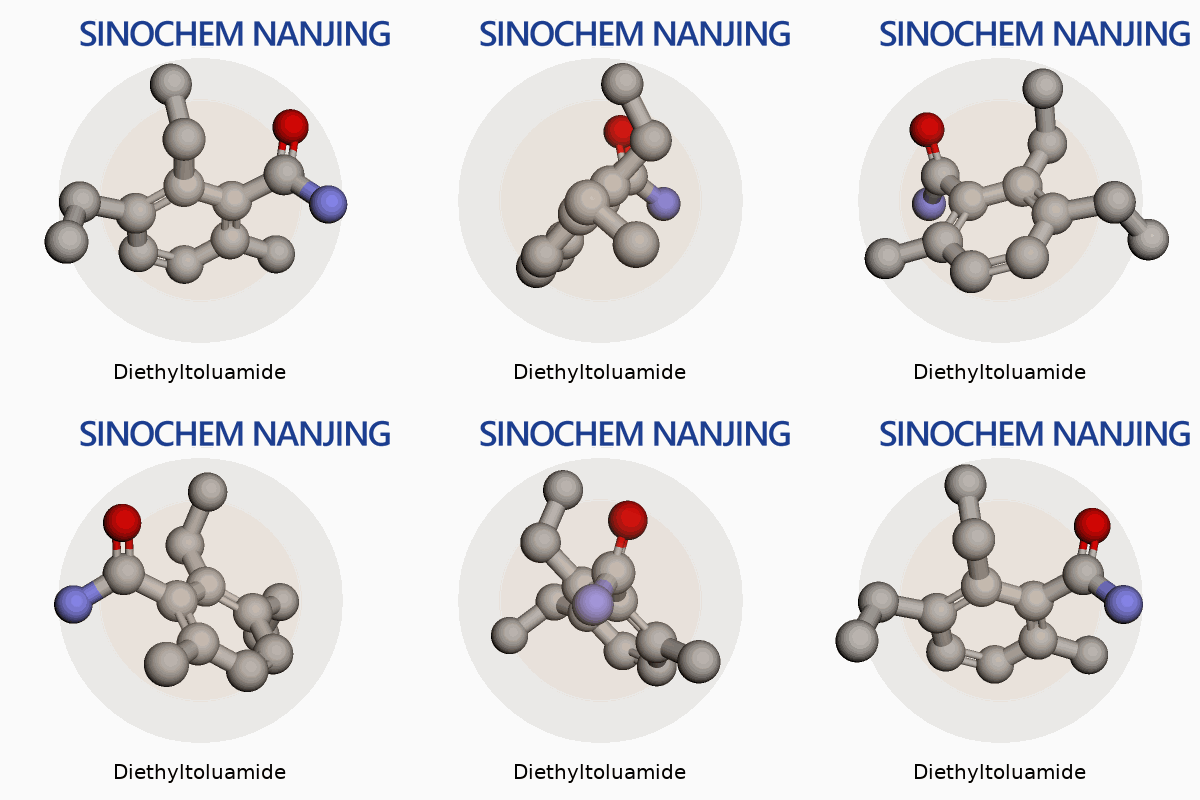
At room temperature, DEET presents itself as a colorless to light yellow oily liquid, slipping between the lines of household familiarity and industrial origin. The faint herbal odor doesn’t quite overwhelm, but it’s there, clinging to the air after an application. Its molecular structure, N,N-diethyl-m-toluamide, gives it that slick, persistent character that resists washing away with sweat or mild rain. Not many household products bridge that stubborn line between necessity and inconvenience quite like DEET. Its boiling point sits high, at around 288°C, making it stable under most environmental conditions. It melts at -45°C and does not dissolve well in water but mixes readily in organic solvents. This resistance to water means that a swim won’t strip away your defense, though heavy soaping might.
Technical Specifications & Labeling
As regulatory bodies in the U.S., Europe, and elsewhere learned to grapple with the product's wide circulation, clear and direct labeling became central. Most consumer labels must state the precise chemical concentration, recommended age for use, directions for application, and warnings about irritation or potential interaction with plastics and synthetic fabrics. Pesticide regulators in the U.S. require EPA registration, which means any product containing DEET needs to pass safety, labeling, and efficacy reviews on a regular basis. Small print usually cautions against overuse, mentions eye irritation, and instructs users to wash treated skin after returning indoors. Label transparency doesn’t stop at consumer products, either—bulk containers used for research or industrial repellent production include batch traceability, hazard pictograms, and mandatory safety data.
Preparation Method
Manufacturing DEET for commercial sale often starts with toluic acid—an aromatic compound that serves as the backbone for a long string of downstream reactions in organic chemistry. By mixing it with thionyl chloride, manufacturers get toluoyl chloride. This intermediate reacts with diethylamine in a controlled temperature environment, giving that familiar oily liquid most folks have spritzed or slathered on for decades. Purity plays a big role here, with most processes including multiple washes and fractional vacuum distillation to filter out impurities that can irritate the skin or break down more quickly in the bottle. Equipment must resist corrosion and contamination, since any slip can lead to batches that don’t meet regulatory requirements, risking costly recalls or fines.
Chemical Reactions & Modifications
DEET's function as a repellent doesn’t rely on complicated chemistry post-synthesis, but that hasn’t stopped researchers and manufacturers from tinkering with its structure in lab settings. When subjected to strong acids, bases, or oxidizing agents, it can hydrolyze or break down, sometimes forming less potent derivatives. Some experiments replace the ethyl chains with other alkyl groups, hoping for a sweet spot that lessens toxicity without tanking performance. Others graft hydrophilic groups onto the molecule, gambling on better solubility or less odor, but the core toluamide structure stays stubbornly unchanged in commercial blends. Attempts to encapsulate DEET in microcapsules aim to slow-release the active for extended duration, making a single application last through hours of hiking or field work. Tweaks at the chemical level have seen mixed results, with the trade-off between safety, effectiveness, and user experience front and center.
Synonyms & Product Names
DEET stands among those few chemistry discoveries whose acronym travels better in conversation than its proper chemical name—N,N-diethyl-meta-toluamide. This single compound picks up a long tail of trade names and synonyms from decades in the market and lab. Across different jurisdictions and brands, labels might list Diethyltoluamide, N,N-diethyl-3-methylbenzamide, Ethyl toluamide, or simply call it "Repellent 39111." Each ticks a compliance box, manages regulatory quirks, or works as a marketing move. But for most shoppers, the universal “DEET” label means one thing: A way to keep mosquitoes, ticks, and gnats in check for the yard, the woods, or the tropics.
Safety & Operational Standards
Long-term public use has generated decades’ worth of safety data, shaping the way manufacturers and consumers approach DEET. Health authorities cap the maximum concentration for over-the-counter sales, with 30% to 50% solutions marking the upper safe limit for everyday users in many regions. Field workers or those in high-risk environments sometimes reach for stronger blends, but guidance stresses that more is not always better. Direct contact with eyes, mouth, or mucous membranes remains a clear no-go. Families with younger children lean toward products that sidestep aerosol propellants and opt for wipes or pump sprays, while guidance typically bars infants under two months from any exposure. Wash hands after application, keep containers away from open flames, and avoid wearing specialty plastics like watch bands or glasses—DEET eats away at certain polymers over time. Regulatory bodies continue to revisit safety thresholds and labelling to keep pace with new research, side effects, and public concerns.
Application Area
Anywhere people need to step outside during bug season, DEET rides along. Its main draw remains personal protection—campers in the Rockies, construction workers clearing brush in the Southeast, health workers stationed in malarial regions. Parks and wildlife organizations use it for field research, public health agencies distribute it during outbreaks, and occasionally researchers give DEET a role in the lab to study vector avoidance behaviors. I’ve spent long stretches outdoors, from humid summers along the Mississippi to dusty desert trips. The bottle of DEET went everywhere, tucked next to sunscreen in backpacks and glove boxes. Farmers, park rangers, and gardeners rely on it too, not just for comfort but as a bulwark against Lyme disease, West Nile virus, and a host of lesser-known threats that lurk in the brush.
Research & Development
Innovation around DEET reflects both its success and its limits. The compound's smell, occasional stickiness, and potential for skin irritation remain persistent problems. Labs keep churning out variant molecules, changing side groups or delivery methods in hopes of a perfect fix. Encapsulation technology—wrapping DEET in polymers for time-released skin absorption—attracts attention, promising longer-lasting repellency with fewer applications. Some teams are working on combination products that mix DEET with sunscreen or aloe, aiming for a one-stop summer lotion, though worries about absorption and increased toxicity lead to ongoing debate. The drive to outdo DEET, either by boosting its effects or unseating it entirely, powers both university and commercial research worldwide. Screens for plant-based alternatives like oil of lemon eucalyptus have gained ground, but so far, nothing matches DEET’s broad-spectrum protection or staying power.
Toxicity Research
After so many years in widespread use, DEET has amassed an enormous body of toxicology studies. Most researchers agree: For healthy adults, the compound rarely causes serious trouble when used as intended. Most side effects show up as skin rashes, minor eye irritation, or in rare cases, neurological symptoms if large amounts are ingested or applied over large skin areas for days on end. In vulnerable groups, such as the very young or people with pre-existing conditions, caution rules the day and lower concentrations are safer. Reports of toxicity usually surface after improper use—drinking it by accident, overapplication, or mixing with other chemicals in unusual ways. Scientists keep monitoring for chronic effects, especially with prolonged and repeated exposures, feeding data into regulatory reviews. Environmental toxicologists measure breakdown products to watch for risks to non-target species, especially aquatic life, since DEET has a way of showing up in water systems far downstream from a summer campground.
Future Prospects
Looking out over the next decade, DEET’s story seems far from finished. Its persistence on the shelf, in research labs, and across medical guidelines shows deep public trust, but nothing stands still in the world of chemical repellents. Innovation aims to blunt the chemical tang, extend protection time, and push the boundaries of what repellents can do, sometimes angling for eco-friendlier profiles or less irritation. Regulatory authorities keep watch, pushing for new data as environmental questions rise. Consumer demand for gentler, plant-based solutions may erode some market share, but vector-borne diseases show no sign of retreat, guaranteeing ongoing demand for something that works reliably on a picnic blanket or in a malaria zone. As a writer who’s patched up too many bug-bitten ankles to count, the future probably looks like a blend of new chemistry, old-school practicality, and the ongoing tug-of-war between comfort, safety, and effectiveness.
What is Diethyltoluamide used for?
Understanding the Role of DEET
Diethyltoluamide, more often called DEET, shows up in many mosquito and tick repellents. If you've spent any time outdoors in the summer, especially in areas known for heavy mosquito populations, you’ve probably come across a spray, lotion, or wipe featuring this ingredient. DEET helps people avoid bites from insects that carry diseases, and it makes outdoor activities much more comfortable for campers, hikers, and families at barbecues.
Why People Count on DEET
Living in places where mosquitoes and ticks are common led to a lot of evenings spent swatting and scratching until I discovered how well DEET works. Mosquitoes go after carbon dioxide, warmth, and the skin’s natural chemicals. DEET doesn’t hide those signals completely, but it confuses the insects enough that they struggle to land on your skin. The U.S. Centers for Disease Control and Prevention (CDC) and the World Health Organization both recommend products with DEET as the gold standard for protection against bites. DEET helps reduce the risk of West Nile virus, Lyme disease, Zika virus, and malaria in regions where those threats exist.
How DEET Became So Common
The U.S. Army developed DEET in the 1940s to protect soldiers in buggy environments. By the 1950s, the public started using it during outdoor recreation and travel. Formulas today don’t smell or feel as greasy as some early versions. You can find it in sprays, rub-on sticks, and wipes with concentrations from about 5% up to 100%, though anything above 30% doesn't seem to last much longer on skin. Kids, adults, and people who work outside turn to DEET products for regular protection.
Concerns and Safer Use
Some parents worry about chemical repellents, and with good reason—nobody wants to expose kids to unnecessary risks. Research over several decades shows that DEET, used as directed, rarely causes health problems. The American Academy of Pediatrics says repellents under 30% DEET suit children over two months old. Direct contact with cuts, eyes, or mouth can cause irritation, so washing hands after application matters. Washing off the repellent after coming back indoors also helps reduce any chance of skin problems. People who prefer alternatives can look to oil of lemon eucalyptus, but that ingredient doesn’t last as long between applications.
Rethinking Exposure to Insect-Borne Diseases
Living in New England, I’ve seen Lyme disease affect neighbors and friends. Ticks may be tiny, but they bring long-term trouble. CDC maps show that cases of mosquito- and tick-borne diseases are rising across the United States. Mild winters and warmer temperatures drive up bug numbers, which means even more reason to use repellents for outdoor workers, athletes, and kids at camp. I carry a bottle of DEET repellent in my hiking bag after one too many treks led to itchy ankles. Simple steps—like wearing long sleeves and using bug repellent—help keep me and my family safe while exploring the woods or sitting outside on warm nights.
Looking Forward
As people travel more and climate patterns shift, disease-carrying insects are expanding into new regions. DEET remains a key tool to stay safe and enjoy time outside. Some scientists continue looking for new ways to block bites without chemicals, such as better clothing or using scents that bugs find confusing. In the meantime, consistent use of DEET keeps summer outings and adventures a lot more pleasant—and a lot less risky.
Is Diethyltoluamide safe for human use?
Looking at the Science Behind DEET
Plenty of us keep a bottle of DEET-based insect repellent on the shelf, especially for hiking, fishing, or summer evenings when mosquitoes swarm. Diethyltoluamide, which most people just call DEET, stands out as one of the main tools we use to keep ticks and biting bugs away. Bugs spread diseases like malaria, Lyme disease, and dengue fever. Without repellent, the risk goes up, especially in certain parts of the world.
Decades of use back DEET’s place on store shelves. The United States Environmental Protection Agency has gone through the studies on DEET many times. EPA says it works and has a solid safety record, as long as you use the product as the label says. In my own experience growing up in a part of the Midwest where mosquitoes could carry you off, everyone trusted the off-the-shelf spray. Only once in many years did someone in our group complain about a skin reaction. A red rash faded after washing. Usually, people just washed it off at night, and nobody thought twice.
Understanding Side Effects and Limits
That’s not to say it’s perfect for everyone. DEET can irritate sensitive skin. Contact with the eyes burns. Occasionally, people report headaches or hives, especially if they use more than necessary. Some kids have swallowed DEET accidentally, leading to rare symptoms like vomiting or confusion. Almost all cases cleared up with medical attention, and poison control guidelines steer folks toward rinsing and monitoring for symptoms, not panic.
Some claims link DEET to bigger health risks. Over the years, rumors blamed it for everything from seizures to affecting the nervous system. Careful reviews by the CDC and World Health Organization don’t find consistent proof of lasting harm in humans at typical use levels. Make sure to follow the directions. There’s no need to spray it under clothes or soak in it head to toe, especially not on children.
Is There a Real Alternative?
Natural bug repellents—citronella, lemongrass, or oil of lemon eucalyptus—get plenty of attention now. Sometimes they do work, particularly for a short amount of time. Still, studies show that DEET tends to outlast these products, providing hours of protection. For those traveling to places with dangerous bugs, several infectious disease experts stick to DEET, at least above 10% strength. DEET's effects on the environment look mild, breaking down in sun and soil. Still, the best approach is to limit unnecessary application and wash off once back indoors.
Guidelines for Safe Use
The CDC recommends adults should pick the lowest effective concentration for their needs—usually a repellent in the 15-30% range. Spray on exposed skin, but never mouths, eyes, or cuts. For infants, guidance says avoid DEET before two months of age. For older kids and adults, don’t let the product build up. A single application for an afternoon outside works well. On clothing, many prefer to spray the cuffs and outer edges, keeping contact with skin light.
The Takeaway
DEET products have held up to real-world testing. Using them as directed keeps the small risk of side effects down. Look at the label and your environment—if bug-borne illness lurks, the benefit of reliable repellent stacks up. Common sense steps like washing off at night, steering clear of open wounds, and watching out with young kids help keep the risks as low as possible.
How should Diethyltoluamide be applied?
Understanding Diethyltoluamide
For decades, diethyltoluamide—better known as DEET—has been a household name for anyone trying to keep biting insects away. Whether I’m camping on a muggy summer night or hiking through the woods, a bottle of bug spray with DEET is always in my pack. Understanding how to apply it properly can make the difference between an itch-free adventure and a miserable one.
Choosing the Right Product
Not all DEET products offer the same level of protection. Sprays, lotions, wipes, and roll-ons crowd pharmacy shelves, each with different concentrations. The amount of DEET in a product usually correlates with how long it works, not necessarily with how well it works. A typical concentration like 20% is enough for a few hours, and that suits most outings. For longer trips, higher concentrations like 30% can last all day. Small children and anyone with sensitive skin can stick to concentrations below 10%, which still helps without overdoing it.
Applying DEET Safely
Slapping a mist across your arms and legs works, but a little care goes a long way. I always spray on clothes and exposed skin, stopping short of eyes, lips, and cuts. Kids need extra attention, so I spray my hands and gently rub it on their arms and legs, steering clear of their faces and hands. Breathing in those fumes feels harsh, so spraying in the open air keeps things comfortable. For faces, a dab on the palm followed by a quick pass over cheeks and foreheads protects without risking eye irritation.
Combining DEET with Sunscreen or Other Products
Wearing sunscreen is a routine for me outdoors, but the order matters. I always start with sunscreen, letting it soak in before adding DEET over top. That way, both do their jobs. DEET mixed directly into another product doesn’t always perform as well, so I keep them separate. Products that contain both might not last as long as advertised, so I look for standalone options and layer them myself.
Staying Safe After Application
After a long day outside, washing off any repellent before crawling into bed makes sense. DEET doesn’t belong on skin overnight or on hands about to prepare food. Washing up with soap and water takes just a minute and keeps it from lingering where it’s not wanted. Clothes sprayed with DEET take a quick spin in the laundry before wearing again.
Avoiding Overuse and Environmental Impact
It’s tempting to douse yourself in spray when mosquitoes feel relentless. Using the smallest amount needed cuts down exposure. DEET works well, but more isn’t always better—once skin is covered, I leave it at that. Too much DEET on clothing or skin can bother some people and isn’t friendly to synthetic gear like watches or plastic glasses. Wiping excess off gear preserves both the repellent’s power and the stuff I rely on outside.
Making DEET Use Work for Everyone
Good information makes safe use possible. Choosing the right concentration, following simple steps for application, washing after outdoor activities, and using only what’s needed can deliver effective protection. These habits have helped keep my outdoor trips comfortable and safe. Thoughtful use of DEET lets everyone, from kids to seasoned hikers, enjoy time outside without giving bugs a chance.
Are there any side effects of using Diethyltoluamide?
What People Experience With DEET
Diethyltoluamide, widely known as DEET, has earned a place in backpacks and camping kits because it really does keep mosquitoes and ticks away. Years of use have shown that it works, but every parent and hiker I know wonders about more than just the bugs—everyone wants the facts about how this stuff works on skin, and what can go wrong.
Real-World Skin Reactions
You’ll hear about mild side effects often—sometimes after a long hike, I’ll notice a little rash on my wrist or neck from where I sprayed too much. Redness, itching, and a slight burning feeling can pop up, especially in kids or folks with sensitive skin. Those stories aren’t just anecdotes; researchers from the Centers for Disease Control and Prevention have tracked occasional skin irritation for decades. DEET doesn’t bother most people if used by the book: not too much, wash it off after coming inside, don’t put it on broken skin.
Eyes and Breathing Worries
I once watched a friend rub his eye after spraying his ankles. Instant regret—you get tearing and stinging that really makes you respect the warnings. DEET in the eyes isn’t dangerous for vision, but it sure hurts and can cause swelling for a bit. Away from the eyes, the smell can be enough to make people cough, especially in closed tents with lots of bug spray in the air. Some people feel dizzy or lightheaded if they inhale a lot in a stuffy room.
Serious Side Effects: Rare But Real
News stories sometimes mention scary-sounding symptoms after using too much bug spray—things like confusion or even seizures, especially in kids. These cases are vanishingly rare. American Academy of Pediatrics and World Health Organization still recommend DEET to prevent bigger dangers, like mosquito-borne diseases, but highlight not using high concentrations for children. The minimum you need works just fine.
Environmental and Long-Term Questions
DEET hangs around in the environment, showing up in rivers and soil. Swimming in DEET-covered skin can add small amounts to lake water. Freshwater critters can get hit harder than people, according to studies published in Environmental Toxicology and Chemistry. Using DEET responsibly—spray it on skin, not directly into water—helps limit this problem.
Realistic Safety Tips
Reading the label helps more than any blog post ever could. I’ve learned to avoid dousing clothing or skin; just a light mist protects against bites. Washing DEET off at night keeps skin healthier, and storing spray bottles away from little hands stops accidental overuse. For families, products with less than 30% DEET make sense. Natural alternatives don’t always work as well, especially in buggy regions, but can fill the gap for those who can’t use DEET at all.
Final Thoughts on Using DEET
Not every insect repellent fits every person or situation. Talking with your doctor if you have allergies or skin conditions goes a long way. DEET helps you dodge serious diseases like Lyme and West Nile. Problems crop up mostly with overuse, careless spraying, or ignoring those warning labels entirely. If you pay attention to how and when you apply it, the trade-offs tip heavily in favor of safety—itch-free summer nights without major risk.
Can Diethyltoluamide be used on children or pets?
Looking at DEET’s Track Record
DEET, or diethyltoluamide, shows up on millions of skin surfaces each summer. Anyone who has braved a mosquito-heavy backyard barbecue probably has a bottle in the cupboard. With so much chatter swirling around about chemical safety, parents and pet owners wonder just how safe this repellent really is for kids and furry companions.
Weighing the Risks and Rewards for Kids
Kids stand out as prime mosquito targets. Their thin skin, smaller bodies, and unpredictable movements lure insects, but these same qualities make parents pause before using strong chemicals. Guidance from the American Academy of Pediatrics gives a clear signal: DEET can be safe for children over two months old, as long as concentrations stay below 30%. A higher percentage doesn’t extend protection time for kids, so more isn’t better.
Growing up in the Midwest where mosquitoes could form swarms dense enough to blur streetlights, I remember the routine dance of applying just enough repellent without causing a fuss. After so many early summers spent swatting at bugs, my parents trusted DEET over risking ticks and Lyme disease. No one slathered it on—just a light coating, with a reminder to skip hands and eyes. After dark, soap and water cleaned it off. These habits, confirmed by current pediatric recommendations, help avoid rashes and overexposure.
The Situation With Pets
Parents can rely on science-backed advice for kids, but pet owners run into stricter rules. Dogs and cats lick fur, paws, and each other. DEET and pets do not mix well. Many veterinarians have seen the aftermath: drooling, vomiting, tremors, and in rare cases, seizures. The FDA and veterinary toxicologists warn against putting DEET on animals or their collars.
Watching a neighbor cope with a sick puppy who’d rolled in repellent-soaked grass brought the issue home for me. Only quick action by the vet prevented lasting harm. Flea and tick preventatives from the vet deliver protection without the risk. For itchy fly season, fly sprays labeled for animals bring some relief, but always with a close read of the label and wash-up after playtime.
Reducing Chemical Use
Parents and pet lovers alike don’t have to pick between bug bites and chemical worries. Light long sleeves, hats, and screens make a dent in insect threat. After walks or play, checking for ticks cuts risks for both kids and pets. Planting lemongrass or keeping standing water away makes yards less attractive to hungry mosquitoes.
Some families test plant-based repellents like oil of lemon eucalyptus (for kids over three), but always after talking to a doctor. These options bring fewer long-term studies than DEET, though some, including the CDC, say they work well for short times.
Final Thoughts on Choosing What’s Right
Spotting mosquitoes or ticks doesn’t need to end the fun or start a panic about chemicals. DEET remains a bug-fighting tool with a solid safety record for children when used with care. Pets demand a different approach—a vet’s advice, not people’s spray cans. Simple habits, a little research, and attention to products designed for humans or animals keep outings safe.
Public health experts, pediatricians, and vets all weigh in with the same refrain—care, common sense, and watchdog attention to product labels work better than guessing. No solution fits every family, but facts and a dose of real-world experience make summer’s challenges manageable.
| Names | |
| Preferred IUPAC name | N,N-diethyl-3-methylbenzamide |
| Other names |
DEET N,N-Diethyl-meta-toluamide N,N-Diethyl-3-methylbenzamide |
| Pronunciation | /daɪˌɛθ.ɪl.toʊˈluː.əˌmaɪd/ |
| Identifiers | |
| CAS Number | 134-62-3 |
| Beilstein Reference | 1361062 |
| ChEBI | CHEBI:44933 |
| ChEMBL | CHEMBL134 |
| ChemSpider | 7293 |
| DrugBank | DB00595 |
| ECHA InfoCard | 100.163.760 |
| EC Number | 205-149-7 |
| Gmelin Reference | 33868 |
| KEGG | C06422 |
| MeSH | D003994 |
| PubChem CID | 4284 |
| RTECS number | NL7699000 |
| UNII | R5J7Y6E8GS |
| UN number | UN2583 |
| Properties | |
| Chemical formula | C12H17NO |
| Molar mass | 191.27 g/mol |
| Appearance | Colorless to pale yellow oily liquid |
| Odor | Mild, aromatic |
| Density | 0.997 g/cm³ |
| Solubility in water | Slightly soluble |
| log P | 2.2 |
| Vapor pressure | 0.002 mmHg (at 25°C) |
| Acidity (pKa) | 14.11 |
| Basicity (pKb) | 6.33 |
| Magnetic susceptibility (χ) | -62.0·10⁻⁶ cm³/mol |
| Refractive index (nD) | 1.512 |
| Viscosity | 0.972 cP at 25 °C |
| Dipole moment | 3.07 D |
| Thermochemistry | |
| Std molar entropy (S⦵298) | 377.8 J·mol⁻¹·K⁻¹ |
| Std enthalpy of formation (ΔfH⦵298) | -389.9 kJ·mol⁻¹ |
| Std enthalpy of combustion (ΔcH⦵298) | -7060 kJ/mol |
| Pharmacology | |
| ATC code | S02DC10 |
| Hazards | |
| GHS labelling | GHS02, GHS07 |
| Pictograms | GHS07, GHS08 |
| Signal word | Warning |
| Hazard statements | H302, H312, H319 |
| Precautionary statements | P261, P264, P271, P272, P273, P280, P301+P312, P302+P352, P304+P340, P305+P351+P338, P312, P332+P313, P337+P313, P362+P364, P403+P233, P501 |
| NFPA 704 (fire diamond) | 3-1-0 |
| Flash point | 93 °C |
| Autoignition temperature | 210 °C |
| Explosive limits | Explosive limits: 0.6–7.2% |
| Lethal dose or concentration | LD50 oral rat 1800 mg/kg |
| LD50 (median dose) | 1.95 g/kg (rat, oral) |
| NIOSH | NT1991000 |
| PEL (Permissible) | PEL: 15 mg/m3 (total), 5 mg/m3 (respirable) |
| REL (Recommended) | 30 mg/m³ |
| IDLH (Immediate danger) | 750 ppm |
| Related compounds | |
| Related compounds |
Dimethyl phthalate Ethylhexylglycerin Icaridin Indalone Metofluthrin N,N-Diethylbenzamide |



