Dibutyldichlorotin: An Editorial Look at a Chemical’s Journey and Its Place in Modern Industry
Historical Development: Roots in Chemistry’s Golden Age
Dibutyldichlorotin came out of the mid-20th century lab boom, as chemists dug into the wide territory of organotin compounds. Back then, breakthroughs in organometallic chemistry pushed new synthetic methods, opening up lines of research that fed directly into next-generation materials and industrial additives. For a long stretch, dibutyldichlorotin rode the wave of global manufacturing, showing up not just in labs but in paints, plastics, and a range of specialty chemical processes. The compound’s history mirrors our shifting relationship with legacy chemistry, oversight, and technology—walking the line between productivity and precaution.
Product Overview: Function Meets Form
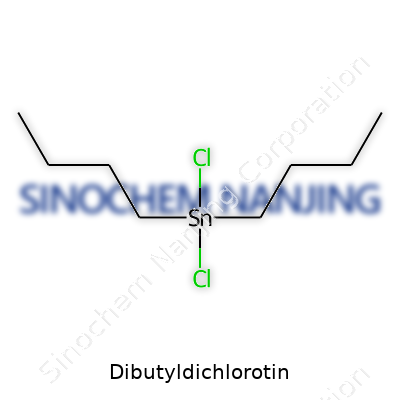
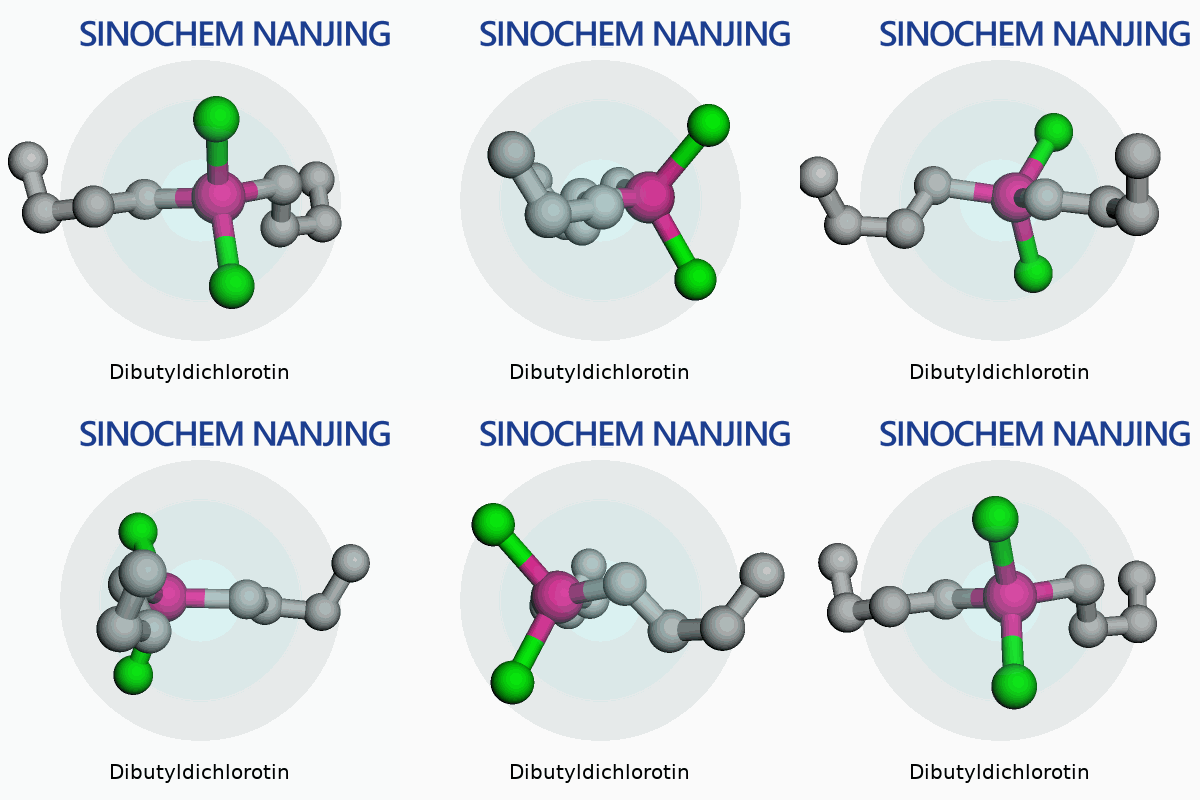
Dibutyldichlorotin, with its two butyl groups and two chlorine atoms bonded to tin, serves as more than just a building block for other chemicals. It has earned a place in curing agents, stabilizers, and catalysts. What sticks out is how the compound’s diverse abilities have driven its continued use, especially in handling polyvinyl chloride (PVC). Companies have leaned on this substance to deliver reliable heat stabilization, important for pipes and profiles that regularly face temperature stress. When demand for stronger plastics and resins soared, dibutyldichlorotin made it possible to keep up without constant worry about breakdown during manufacture.
Physical and Chemical Properties: What Sets It Apart
In the lab, dibutyldichlorotin sits as a colorless to pale yellow liquid or solid, depending on temperature and purity. It offers low solubility in water and prefers organic solvents. Tin-centered chemical bonds set its reactivity apart from traditional hydrocarbon compounds. That chemical architecture brings a unique blend of volatility, reactivity, and persistence that matches the demands of various industrial processes. The dichlorinated tin core supports strong catalytic performance, which often comes into play in both polymerization and crosslinking reactions. The not-so-great side shows up in its toxicological profile. As a persistent compound, dibutyldichlorotin does not break down quickly, giving us more reasons to handle it with care.
Technical Specifications and Labeling: Getting It Right
Regulators and manufacturers lay out strict guidance on purity, concentration of tin, and levels of free halide for dibutyldichlorotin. Product labels usually flag its toxicity and recommend protective gear. As a person who has spent time around chemical processes, it’s impossible to ignore the uptick in regulatory scrutiny over the past few decades. Clear hazard symbols and detailed storage requirements help prevent the sort of accidents that can set labs and factories back. Keeping track of batch production and using QR or barcode tracking have made it easier for users to access the right safety data sheets and comply with traceability demands. Customers are now used to seeing these standards, and honestly, trust hinges on their presence.
Preparation Method: Make, Don’t Guess
Most labs and factories produce dibutyldichlorotin through the direct reaction of butyl chloride with tin in the presence of a chlorinating agent, often using controlled temperatures and airtight vessels to avoid moisture and unwanted side products. Precision matters—control the reaction speed too loosely and you end up with undesired tin compounds, some of which are even nastier to handle than the original product. In my experience, small mistakes in temperature or feedstock purity create troublesome batches that either clog up downstream processes or trigger alarms during quality tests. Having solid process documentation and a focus on training makes all the difference for getting repeatable yields with manageable waste.
Chemical Reactions and Modifications: Not Just a One-Trick Pony
Dibutyldichlorotin does more than stabilize plastics. Under the right lab setup, it undergoes hydrolysis to form mixed oxides, which chemists can rework into tailored catalysts. Reactivity with nucleophiles lets researchers build up or break down more complex tin-organic structures. Adding bases causes different rearrangements, bringing new organotin species into play, some of which target industrial coatings or opening up new routes for crosslinking materials. Each of these approaches expands available applications, especially in specialty synthesis and advanced coatings. In the hands of skilled chemists, dibutyldichlorotin leaves plenty of room for innovation, while always staying just risky enough to require disciplined technique.
Synonyms and Product Names: Alias in the Marketplace
It’s not rare to find dibutyldichlorotin offered under names like DBTC, dibutyltin dichloride, or even CAS registry numbers for regulatory reference. Chemical buyers have learned to check the fine print, since close variants exist—some only slightly tweaked, some with very different handling or safety needs. Over the years, marketing has sometimes muddied the water, borrowing names that blend product lines. Anyone placing an order for bulk chemicals knows the value of a clear specification; nobody likes the surprise of a shipment that turns out to be a twin cousin with a different hazard sheet. For those running research or production lines, a firm grip on nomenclature avoids the kind of slip-ups that lead to risky situations or wasted batches.
Safety and Operational Standards: Where Chemistry Meets Caution
Safety concerns surrounding organotin compounds never let up. Dibutyldichlorotin prompts careful ventilation, good gloves, eye shielding, and sometimes full-body gowns in larger-scale handling. I learned early in my lab days that even tiny leaks or splashes could create hours of paperwork and health checks. Workers know the sharp odor, which signals both its presence and its not-so-subtle toxicity. Environmental standards demand waste minimization and tight control over effluent streams, since organotins hang around in soil and water longer than anyone would like. Audits and inspections aren’t just for regulatory box-ticking—they push teams to stay sharp and prevent shortcuts. No one wants to see their shop in local headlines after a safety lapse.
Application Area: Past Bench, Into Industry
For years, the largest user base has been in PVC stabilization, where dibutyldichlorotin helps keep products from degrading during processing and use. Car interiors, food packaging, and cable coatings—these products depend on the reliability dibutyldichlorotin brings to the table. Beyond plastics, specialty silicones, certain fungicides, and adhesives tap into its chemistry. It’s found in industrial coatings, lubricants, and even in some experimental pharmaceuticals, although heavy regulation reigns in the latter. Working in manufacturing, you see dibutyldichlorotin treated as both an asset and a liability: it fixes a lot of process headaches but always with a side-eye for risk and downstream emissions.
Research and Development: Room for Smarter Chemistry
Researchers keep tinkering with dibutyldichlorotin, trying to build safer, more efficient tin-based catalysts and stabilizers. Work continues on getting better separation techniques to reduce tin traces in consumer goods, driven by cleaner production mandates. Green chemistry efforts push the field to swap out older organotin options for materials with similar benefits but less environmental or health sting. Funding often goes toward analytical tools that break down environmental residue faster, track long-term buildup, and offer real-world monitoring. From my own stint in applied research, I can say scientists constantly ask if the same job could be done by a molecule that doesn’t stick around quite so long in our bodies or water systems.
Toxicity Research: More Eyes on the Downside
Toxicologists offer plenty of evidence—dibutyldichlorotin presents risks to both workers and wildlife. It hits nervous and immune systems in animal studies and, reportedly, disrupts hormonal signaling in aquatic life. Increasingly strict regulations wrap around usage, with extensive testing required before it hits products that touch food or drink. Risk assessments for industrial sites factor in both chronic and acute routes, aiming to keep workplace air and soil levels well below established thresholds. For many managers, a top concern involves staying ahead of evolving hazard lists and shifting international laws. It’s easy to see why process engineers now put safety approaches front and center, as the costs of failing to manage even small releases keep getting steeper with each passing year.
Future Prospects: Looking Past the Old Playbook
The future of dibutyldichlorotin leans on how willing companies are to invest in alternatives and adapt to fresh legislation. Some sectors search for drop-in replacements, chasing chemistry that won’t hang around or leave a legacy in groundwater. For those keeping dibutyldichlorotin in play, improved controls and targeted applications help reduce risk. Advanced recycling techniques, new catalysts, and even AI-based process optimizations all take a swing at extracting value without batch-to-batch surprises or avoidable exposure. On a larger stage, decisions about phasing in greener chemicals depend on balancing cost, performance, and long-term risk—a puzzle without simple answers. For the next generation of chemists, the challenge turns into opportunity: can we keep the benefits while scrubbing out the baggage?
What is Dibutyldichlorotin used for?
At a Glance: More Than Just a Chemical Formula
Dibutyldichlorotin, with a name that twists the tongue and a formula that might turn off anyone not keen on chemistry, doesn’t usually end up in household conversation. Most folks never stop to think about the chemicals doing the heavy lifting deep within modern industry. This tin compound lands on the desks of chemists in everything from plastics and paint to stabilizers. Its uses stretch across everyday lives, even if most people don’t see the label.
The Power Behind PVC and Plastics
Think of the garden hose. Think of old-school records, window frames, rain boots, and countless other plastic goods. Dibutyldichlorotin steps into the process to help keep PVC plastic from falling apart under heat. Heat stabilizers matter because plastic molds and shapes only under serious temperature. Without the right stabilizer, these everyday items would break down, becoming brittle and useless within a short time. It keeps plastic strong and flexible, earning its spot on the factory shelf.
Industrial Uses and the Everyday Ripple Effect
Factories blend dibutyldichlorotin into more than just plastics. It acts as a catalyst, pushing forward chemical reactions that create silicone rubbers and some specialty paints. Catalysts work a bit like the friend who pushes everyone out the door on time. The chemical doesn’t end up as part of the end product, but keeps things running smooth and on schedule, saving energy and cutting costs.
People running factories or designing pipes often care about chemicals like this because they make end-products safer or longer-lasting. Pipes stabilised with it resist breaking down. That means water keeps flowing and stays clean in homes, hospitals, and schools for longer stretches. It may sound distant, but infrastructure rests on these kinds of compounds.
Health, Environmental Concerns, and Responsible Use
No truth stands on one side alone. Researchers have raised questions over time about how dibutyldichlorotin affects the environment and human health. Studies show that large doses can harm aquatic creatures and may affect reproductive organs in laboratory animals. Tossing plastic waste full of additives in landfills or rivers doesn’t just disappear the issue.
Europe and some other countries have tightened rules, reducing or even banning dibutyldichlorotin in toys, food packaging, and household goods. These governments weighed the benefits against the possible risks and sided with caution. Chemists working in these countries look for alternatives—some natural and some synthetic. Switching out this tin compound usually means finding something that does the job without creating new problems down the road.
Looking Toward Better Solutions
People who work with chemicals can’t avoid responsibility. Companies building better stabilizers, researchers developing safer alternatives, and lawmakers double-checking data all share a role. Open data, clear labeling, and tough monitoring help keep the public safe and give families peace of mind. It takes teamwork at every level—government, business, researcher, and citizen—to steer industry toward safer choices.
In short, dibutyldichlorotin might never trend on social media, but the chemical choices made by engineers, lawmakers, and scientists touch everyday items and shape the paths of future production. Stronger scrutiny, better disposal habits, and open discussion will move things in the right direction, step by step.
Is Dibutyldichlorotin hazardous or toxic?
Understanding the Risk
Dibutyldichlorotin plays a role in many industrial processes, especially in the production of plastics and some chemical reactions. The substance caught my eye years ago, working as a trade journalist covering manufacturing. The more I dug, the less comfortable I felt about how quietly its risks get discussed.
This chemical belongs to the class of organotin compounds. Such substances often serve as stabilizers in polyvinyl chloride (PVC), which means exposure can happen in places you might not expect—anywhere from plastic pipes to certain packaging. While working on factory floor pieces, I often came across stories of workers complaining about headaches, skin rashes, and a strange chemical smell near storage drums. It turned out those drums sometimes held dibutyldichlorotin or related chemicals.
Hazards of Organotin Compounds
Reports from both the EPA and the European Chemicals Agency state that organotin compounds, including dibutyldichlorotin, come with considerable risks for both human health and the environment. These compounds do not just remain confined to the facility—they can leak into waterways or stick around in the air for a while if not handled with caution.
Skin contact can bring on irritation, redness, or blistering. Inhalation of vapors causes sore throat, shortness of breath, and long-term exposure may lead to toxic effects on organs such as the liver and kidneys. Some animal research links chronic exposure to reproductive harm and developmental effects, although data on human cases remain limited.
It’s easy to brush off stories like these, but there’s a reason construction and plastics workers wear gloves and masks around organotin compounds. A quick look at the product labels and safety data sheets confirms this: dibutyldichlorotin does not belong near uncovered skin or unprotected airways. Accidental ingestion or improper disposal can contaminate groundwater, affecting entire neighborhoods downstream.
Environmental Impact and Stewardship
Dibutyldichlorotin’s environmental impact deserves real attention. Freshwater studies suggest that trace amounts can disrupt aquatic life, damaging fish or plankton populations. Some governments move to restrict the use of organotin stabilizers, urging companies to switch toward safer alternatives. I once interviewed a water treatment expert who talked about spending nights worrying over how persistent these compounds are, with traces turning up years later during river cleanups.
Take this example: after an accidental chemical spill at a manufacturing plant, bits of the compound ended up in nearby soil and made it into the drainage system. The costs of removing these toxins mounted, from digging out contaminated soil to filtering the water. It surprised no one that nearby residents stayed wary long after the cleanup crews left.
Prevention and Practical Steps
Prevention starts on the site. Strict work procedures, modern ventilation, and mandatory PPE all play roles that cannot be skipped. There’s pressure now on companies to be more transparent and proactive. Safety audits, independent checks, and proper training save both lives and dollars in the long term—less time lost to illness, fewer environmental fines, fewer headaches for everyone involved.
Chemistry students sometimes ask me if every scary-sounding material spells disaster. The real answer usually depends on how it gets managed. In the case of dibutyldichlorotin, the science tells us enough; risks show up in both the workplace and the wider world. Thoughtful handling and openness go a long way, but safer substitutions and tougher rules hold even more promise down the road.
What are the storage and handling precautions for Dibutyldichlorotin?
Understanding the Risks
Most folks outside of industrial chemistry probably haven’t crossed paths with dibutyldichlorotin. It’s not something you’ll find under your kitchen sink, but it plays a big role in making plastics, stabilizers, and sometimes pesticides. This chemical brings some serious hazards—skin burns, eye injuries, lung damage, and impacts to water life if someone lets it loose. After spending years working in labs, I’ve seen what happens when things go wrong with substances like this. One careless move can mean a call to poison control or the local fire crew.
Why Proper Storage Matters
This compound comes as a colorless to pale yellow liquid. It smells pretty strong and not in a good way. The fumes alone can bite at your lungs—breathing protection isn’t optional. Dibutyldichlorotin reacts with moisture in the air, breaking down and releasing hydrogen chloride, which can spread through a room fast and cause trouble for anyone nearby. If you pour it down the drain or leave a bottle open, expect headaches later—sometimes literally.
From experience, labeling everything sharply cuts down on accidents. Keeping this chemical in a tightly sealed, corrosion-resistant container, stored in a cool, well-ventilated spot, protects both the workers and the building’s ventilation system. Storing it far away from water, acids, and any oxidizers helps stop runaway reactions. Rather than guessing whether something is safe, using secondary containment—those sturdy plastic trays under chemical bottles—catches leaks before they hit the floor. I’ve seen hundreds of containers, and the only spills I’ve witnessed came from skipping that extra layer.
Handling Without Getting Hurt
No matter how experienced someone might be, gloves—nitrile or neoprene—plus tight-fitting chemical goggles are a must. If this liquid splashes onto hands, it burns deep and fast. I’ve swapped many lab coats after splatters, grateful for that extra barrier. Work only in a chemical fume hood. Even a little exposure adds up, and you’ll taste the bitterness of regret if you skip masks or work in a stuffy closet. I recommend training new workers by walking them through proper handling with small, diluted samples before ever letting them near full containers.
For those storing or moving dibutyldichlorotin, keeping emergency eyewash stations nearby and knowing your emergency plan isn’t just best practice—it’s common sense. I remember a colleague who lost track of time working with similar chemicals. If an accident happens, acting fast makes the difference. A clear spill kit, full PPE, and a well-marked exit mean a tough day doesn’t become a tragedy.
Protecting People and the Environment
Nobody wants toxic organotins in their water. Even small spills can contaminate groundwater or harm aquatic life. Workers who take shortcuts on disposal or ignore spill cleanup rules put whole neighborhoods at risk. Following local hazardous waste disposal laws, never flushing down the sink, and double-checking all documentation stops problems before they start.
Training builds habits more than warning signs do. Regular safety talks, real hands-on drills, and clear policies turn handling dibutyldichlorotin from a danger to a routine. That confidence matters, because too many accidents come from guesswork or trying to save a few minutes.
If a company wants to lower risk, investing in good storage racks, up-to-date training sessions, and prompt replacement of aging containers pays off much faster than any insurance settlement. Health, safety, and clean water are all on the line each time someone picks up a bottle of dibutyldichlorotin.
What is the chemical formula of Dibutyldichlorotin?
Puzzle Pieces: What Makes Up Dibutyldichlorotin
The chemical formula for Dibutyldichlorotin is C8H18Cl2Sn. This looks like a code on first glance, but each piece tells a clear story. Eight carbons, eighteen hydrogens, two chlorines, and one tin atom – mixed with a heavy dose of chemistry’s ingenuity. I remember studying organotin compounds in school, drilling into how small tweaks to these building blocks change properties and uses in a big way. These ingredients have raised both excitement and concern in industries and labs around the world.
From Lab Bench To PVC Pipes: Why Dibutyldichlorotin Stands Out
Dibutyldichlorotin has held a strong position in manufacturing settings, especially in making plastics tougher, more flexible, and longer-lasting. In the world of PVC (polyvinyl chloride), this compound acts as a stabilizer, fighting off heat and sunlight that would otherwise weaken the plastic. It keeps everything from electrical cables to window frames in good working order. Research by large polymer companies underscores this effectiveness, which helped raise demand for decades.
People outside the lab rarely hear about compounds like Dibutyldichlorotin, but products in homes and businesses often owe part of their strength to this formula. Sitting in meetings with industrial chemists, I often heard concerns about the environmental side. This compound doesn’t just disappear; it leaves a trail. Even trace amounts released during manufacturing can spread into soil and water, where the tin atom carries real weight for ecosystems.
Health And Environment Concerns: More Than Chemistry On Paper
Regulations worldwide now watch over Dibutyldichlorotin tightly because of its toxicity. The European Chemicals Agency, for example, lists strict cut-offs for its use and disposal. Chronic exposure affects not just the workers on factory floors, but aquatic life and, eventually, humans through food chains. I recall reading about early warnings from toxicology studies: fish and snails exposed to organotin compounds often struggled to survive or reproduce. That moved governments to act, pushing alternatives into the foreground.
Solutions Shaped By Science And Responsibility
Most chemical manufacturers now invest in capturing emissions and improving waste handling, trying to keep these substances out of waterways. A shift toward finding safer stabilizers for PVC and other plastics challenges both scientists and business leaders. Researchers test tin-free options with every batch, but it’s tough to beat the efficiency Dibutyldichlorotin brings at low doses. Education also builds a cornerstone; every worker who handles these compounds needs clear training on keeping themselves safe and preventing leaks into the environment.
Some companies have started to recycle more PVC so less fresh Dibutyldichlorotin needs to be produced, but real progress depends on larger shifts in consumer demand and recycling systems that can actually process these plastics. For many engineers and chemists, the next big task means balancing performance, price, and safety in any replacement.
Dibutyldichlorotin’s formula sums up years of chemical progress but also shows persistent gaps in our ability to live with the substances we create. Its story reflects choices in science, business, and policy – the facts and the fallout together.
How should accidental exposure to Dibutyldichlorotin be managed?
What Happens When Dibutyldichlorotin Enters the Picture
Dibutyldichlorotin doesn’t pop up in headlines often, but anyone who works around industry chemicals knows that this stuff demands respect. Used in making plastics, glass, and stabilizers, it’s not the kind of chemical you can ignore if a spill or splash takes place. A simple mistake or faulty container could send you or a co-worker straight into harm’s way.
Health Dangers: Why It Matters
Contact with Dibutyldichlorotin often means irritation — skin turns red, eyes sting, and lungs can burn if fumes get inhaled. Take it from people who’ve worked in old manufacturing labs: even a small drop on the skin can trigger a rapid reaction. More exposure piles risk on top: headaches, nausea, breathing trouble, even long-term issues if you’re unlucky or if you keep getting exposed.
Data from industrial safety records shows that organotin compounds, including this one, can damage the liver, kidneys, and nerves. These are not distant risks. They play out over months or years for workers without strong protections. The risk feels real every day. OSHA and NIOSH handbooks don’t pull punches about this stuff.
What Immediate Actions to Take
Getting exposed means time starts ticking. Forget about waiting around for someone to tell you what to do. Flush the area with water — lots of water, for at least 15 minutes. Stripping off contaminated clothing on the spot prevents skin from soaking up more of the chemical. If it hits the eyes, keep rinsing and don’t rub. Run for a medical check, even if things seem under control. A friend of mine dismissed redness once; hours later he was in a clinic with a painful chemical burn.
Breathing in fumes feels even scarier. Step out into fresh air right away. Support your own breathing by sitting up and slowing down your breath. If coughing or wheezing sticks around after minutes, don’t tough it out — emergency care becomes the right call.
Better Solutions and Safer Workplaces
Personal mistakes happen, but systems matter more. Easy-to-reach emergency showers, eye wash stations, and clear signs in local language cut harm. After accidents, having coworkers trained to help makes a difference. Too often, training gets rushed or skipped, but annual refreshers root out bad habits.
Good protective gear isn’t negotiable: gloves that won’t break down under organotin compounds, face shields covering sides, and chemical-resistant aprons. Relying on basic latex gloves or thin goggles turns small spills into big injuries. The extra few seconds to put on the right gear pay off every time.
Why Prevention Matters
Chemicals don’t respect intentions or shortcuts. Regular checks for leaks, reinforcing lids, and holding supervisors to real accountability keep these accidents rare. In every plant I’ve worked, the places with open reporting and a “stop the line” culture lose fewer work hours to incidents than shops that sweep problems under the rug.
Workers ought to know their rights to proper training and safety measures. Employers also gain when they keep good people on the job and lawsuits out of court. Safety isn’t just about ticking legal boxes — it pays back in confidence, health, and fewer lost days.
| Names | |
| Preferred IUPAC name | dibutyl(dichloro)stannane |
| Other names |
Dibutyltin dichloride DBTC Dibutyltin(IV) dichloride Butylstannoic acid, dichloro-, dibutyl ester Dibutylchlorotin dichloride |
| Pronunciation | /daɪˌbjuːtɪlˌdaɪˈklɔːroʊˌtɪn/ |
| Identifiers | |
| CAS Number | 683-18-1 |
| Beilstein Reference | 1719903 |
| ChEBI | CHEBI:34760 |
| ChEMBL | CHEMBL2056977 |
| ChemSpider | 21502 |
| DrugBank | DB14045 |
| ECHA InfoCard | 03a3f05d-9e81-4a5c-863a-c209ae86341e |
| EC Number | 203-190-7 |
| Gmelin Reference | 81834 |
| KEGG | C18622 |
| MeSH | Dibutyldichlorotin |
| PubChem CID | 66102 |
| RTECS number | WH5950000 |
| UNII | F9O7T5QY1C |
| UN number | UN2788 |
| CompTox Dashboard (EPA) | CXT16-AV10ZP |
| Properties | |
| Chemical formula | C8H18Cl2Sn |
| Molar mass | 303.82 g/mol |
| Appearance | Colorless to light yellow liquid |
| Odor | pungent |
| Density | 1.32 g/cm³ |
| Solubility in water | slightly soluble |
| log P | 2.8 |
| Vapor pressure | 0.00054 mmHg (25°C) |
| Acidity (pKa) | 13.6 |
| Basicity (pKb) | -3.5 |
| Magnetic susceptibility (χ) | -37.0×10⁻⁶ cm³/mol |
| Refractive index (nD) | 1.536 |
| Viscosity | Viscosity: 4.15 mPa·s (20 °C) |
| Dipole moment | 1.177 D |
| Thermochemistry | |
| Std molar entropy (S⦵298) | 536.6 J·mol⁻¹·K⁻¹ |
| Std enthalpy of formation (ΔfH⦵298) | -398.6 kJ/mol |
| Std enthalpy of combustion (ΔcH⦵298) | -3175.8 kJ/mol |
| Pharmacology | |
| ATC code | V09DX04 |
| Hazards | |
| Main hazards | Toxic if swallowed, in contact with skin or if inhaled. Causes severe skin burns and eye damage. Suspected of damaging fertility or the unborn child. Very toxic to aquatic life with long lasting effects. |
| GHS labelling | GHS02, GHS05, GHS06, GHS08 |
| Pictograms | GHS06,GHS08 |
| Signal word | Danger |
| Hazard statements | H302, H312, H314, H373, H410 |
| Precautionary statements | Precautionary statements of Dibutyldichlorotin are: "P260, P280, P301+P310, P303+P361+P353, P304+P340, P305+P351+P338, P310 |
| NFPA 704 (fire diamond) | 2-2-2-W |
| Flash point | 72 °C |
| Autoignition temperature | 120°C |
| Lethal dose or concentration | LD50 oral rat 100 mg/kg |
| LD50 (median dose) | 500 mg/kg (rat, oral) |
| NIOSH | WH0100000 |
| PEL (Permissible) | PEL (Permissible Exposure Limit) of Dibutyldichlorotin: "0.1 mg/m³ (as Sn) |
| REL (Recommended) | 0,5 mg/m³ |
| IDLH (Immediate danger) | 100 mg/m3 |
| Related compounds | |
| Related compounds |
Dimethyltin dichloride Dibutyltin oxide Dibutyltin dilaurate Dioctyltin dichloride Triphenyltin chloride |



