Diallyl Sulfide: A Closer Look at an Underappreciated Compound
Historical Development
People have used garlic for thousands of years, not just for flavoring food but also for its medicinal properties. Long before scientists knew about the chemical diallyl sulfide, healers and home cooks alike had already been harnessing its power. Diallyl sulfide, a key component of garlic oil, started grabbing attention in laboratories during the late nineteenth and early twentieth centuries, as chemistry advanced far enough to isolate it from complex natural mixtures. Over decades, researchers worked to tease apart garlic’s chemical web. They found that diallyl sulfide, among other organosulfur compounds, helped explain the “bite” and the reputed health benefits of garlic. Although overshadowed by other more famous molecules for years, diallyl sulfide emerged as a focal point for studying the biological and industrial value of organosulfur compounds.
Product Overview
Diallyl sulfide can be found in garlic oil and gives garlic its pungent aroma. Technically, it’s an organic compound with the formula C6H10S, forming part of a family of volatile molecules called thioethers. Chemically, it stands out for its double allyl side chains bonded to a sulfur atom. Natural sources make diallyl sulfide relatively abundant, but it’s also synthesized for research, pharmaceuticals, food additives, and flavor industries. Its “onion-like” and “garlicky” notes show up not just in kitchens, but in processed foods, seasonings, and even pest deterrents.
Physical & Chemical Properties
Looking at diallyl sulfide in its isolated form, the compound appears as a colorless to pale yellow liquid, readily pouring at room temperature. Detectable long before you see it, the sharp, unmistakable aroma proves that our noses can sense minute quantities. It’s less dense than water and barely mixes with it, preferring organic solvents. Its volatility and flash point require proper storage in well-ventilated spaces because, even in small spills, the odor lingers long after the source disappears. On the chemical side, the sulfur atom serves as a reactive hotspot, engaging in both oxidation and substitution reactions. This chemical reactivity means diallyl sulfide can participate in a wide spectrum of transformations, a handy trait for researchers looking to tweak or improve its applications.
Technical Specifications & Labeling
In regulated settings and trade, diallyl sulfide is typically identified by its Chemical Abstracts Service (CAS) number 592-88-1. Purity standards often matter since the compound can contain minor amounts of diallyl disulfide and other related molecules. Bottles or shipments list important data like concentration, hazard warnings, and the specific batch or lot number. These measures help trace quality and meet regulatory obligations, giving professionals confidence that they’re working with a consistent material. Despite strict labeling, the challenge lies in ensuring end-users actually check and interpret these technical specifications before use.
Preparation Method
In industry, diallyl sulfide often comes from the reaction between allyl chloride and sodium sulfide under carefully controlled heat and pressure. Some labs isolate it by steam-distilling garlic oil, but chemical synthesis allows for greater purity and volume. Maintaining a safe work environment is critical at every step, because the intermediates and byproducts can cause toxic or flammable hazards. These production routes underline a mix of traditional extraction and modern chemical engineering, capturing the historic roots of natural compounds while embracing technological progress.
Chemical Reactions & Modifications
Working with diallyl sulfide opens a range of possibilities for synthetic chemists. Its double bonds invite common organic transformations. Catalytic oxidation, for example, can produce diallyl sulfoxide or sulfone derivatives. Both modifications deliver new compounds with different biological effects, making them attractive for pharmaceutical and agricultural research. Nucleophilic additions and halo-functionalization further enlarge its chemical space, supporting applications from odor masking in food technology to designing bioactive agents. Researchers need to weigh ease of reaction conditions against waste management, since sulfur-containing byproducts can prove tricky to dispose of responsibly.
Synonyms & Product Names
Most researchers know diallyl sulfide by that name, but it also appears on labels as 3-prop-2-enylsulfanylprop-1-ene or simply “diallyl thioether”. If you browse chemical suppliers, you might also come across names like DAS or Allidene. The range of names connects back to the different naming systems in organic chemistry as well as marketing trends in various industries. Anyone ordering this material needs to be able to match these synonyms, to avoid buying the wrong compound or introducing errors into research and manufacturing.
Safety & Operational Standards
Labs and workplaces have a duty to treat diallyl sulfide with respect, even though it occurs in food. Direct exposure brings risk; inhalation or skin contact often causes irritation, and volatile organic compounds like this require good fume hoods. Proper personal protective equipment makes a real difference in minimizing acute symptoms and long-term effects. In my time at university labs, even brief exposure would leave me smelling like garlic for hours—an inconvenience, but a reminder of why protocols matter. Storage away from heat, ignition sources, and incompatible chemicals lies at the heart of safe handling. Waste must be collected as hazardous, since residual diallyl sulfide can leach odor and toxins into communal waste streams.
Application Area
Much of the world’s fascination with diallyl sulfide grows out of its dual reputation as both a flavor powerhouse and a potential health booster. The food industry uses it to lend authentic garlic notes to ready-to-eat sauces, meats, snacks, and flavorings. Its ability to repel certain pests also helps in eco-friendly crop protection, filling a niche where synthetic pesticides lose favor. Scientists have turned to diallyl sulfide not only as a simple additive but as a tool in biomedical studies, probing its antimicrobial and anticancer characteristics. Pharmaceutical development teams ask whether this sulfur-rich motif could lead to new drugs or therapies, driven by promising hints in laboratory experiments.
Research & Development
Scientific curiosity pulls diallyl sulfide across disciplinary boundaries. In cellular biology, researchers examine how it influences gene regulation, immune responses, and detoxification enzymes—efforts partly rooted in observations from populations that consume high-garlic diets and report lower cancer rates. Medical researchers want to know if diallyl sulfide protects against chemical carcinogens and microbial infections. Agricultural chemists track its impact on plant health and pest resistance. Meanwhile, analytical chemists push forward with more sensitive detection and quantification methods, which has sped up progress but also made it clear that real-world results often lag behind cell culture or animal model findings. Rarely does a day in the lab play out as neatly as a journal article might suggest, but moments of insight keep the momentum going.
Toxicity Research
Toxicology teams look beyond the kitchen when judging safety. High doses of diallyl sulfide can cause negative effects in animal studies, especially in the liver and central nervous system. Laboratory animals exposed to large quantities sometimes develop symptoms such as weight loss, irritability, or organ changes. These findings prompt a closer examination of safe intake levels, especially in processed foods and supplements. Regulatory bodies call for cautious labeling, while researchers still untangle which thresholds matter for chronic exposure in humans. Direct experience in toxicology courses taught me how even natural chemicals can cross the line from beneficial to harmful—context and dose determine risk. The drive to harness diallyl sulfide’s medical promise must always keep safety at the forefront.
Future Prospects
Rising interest in “natural” compounds shapes the future of diallyl sulfide. People look for safer, greener alternatives in everything: food preservation, crop protection, and even pharmaceuticals. Continued work is teasing out more benefits, such as how diallyl sulfide can break down harmful chemicals in the body or fight off infections. The greater challenge involves closing the gap between lab potential and practical use. Scientists continue to refine synthesis routes to lower costs, reduce waste, and scale up production without leaving environmental damage in their wake. As knowledge deepens, diallyl sulfide could emerge from garlic’s shadow to take a more prominent role in food, health, and industry—a possibility that researchers, growers, manufacturers, and consumers have reason to follow closely.
What is Diallyl Sulfide used for?
The Underestimated Power of a Garlic Compound
Growing up, my kitchen always smelled like garlic. Few folks realize that a simple compound inside these cloves, called diallyl sulfide, does a lot more than give food a punch. It’s not just another flavor ingredient. In science circles, this compound draws attention for its potential to protect health and keep bacteria in check.
Food Safety and Health: Lessons from Garlic
Let’s talk about food safety. Diallyl sulfide punches above its weight here. Several studies from places like the Journal of Antimicrobial Chemotherapy show this garlic compound wipes out strains of Campylobacter—a major foodborne pathogen—better than some antibiotics. The concern with antibiotics is the resistance buildup; this compound steps in as an alternative. Families want safe meals. Whether serving chicken in a restaurant or preparing stir-fry at home, there’s comfort in knowing something natural helps keep bacteria at bay.
Easing Pollution’s Impact in Science Labs
Pollution sneaks into labs as much as it does into our breathing air. Diallyl sulfide plays a surprising role here, too. Certain drugs, such as acetaminophen, get broken down in the body by enzymes that sometimes create harmful byproducts. A team at Oregon State University noticed how diallyl sulfide helps mop up these toxic leftovers in the human liver. By supporting basic detox processes, it gives researchers hope for lessening drug side effects and liver stress. No complex pharmaceuticals—just a little help from garlic’s natural chemistry.
Possible Cancer Benefits Take Shape
The idea of “food as medicine” feels overused, but researchers persist for a reason. In animal and cellular studies, diallyl sulfide has slowed some cancer cell growth and supported natural repair systems in the body. According to findings published in “Cancer Prevention Research,” the compound can block the formation of cancer-causing agents that come from cooked or processed food. That doesn’t mean garlic or its compounds cure cancer, but the evidence moves scientists to keep exploring these protective effects.
Adding Value in Agriculture
Farmers face crop diseases that can ruin entire harvests. Some companies pay attention to diallyl sulfide extracted from garlic because of its antimicrobial effects, turning it into plant sprays or soil treatments. Fungicides and chemical sprays often dominate, but this natural alternative promises defense against certain fungi and pests with less chemical residue. Crops, soil, and the environment all benefit from fewer synthetic leftovers.
Why the Hype Deserves Careful Attention
Not all solutions work the same in the real world as they do in a lab. That’s a simple truth. Yet, diallyl sulfide’s impact keeps growing because it works on problems that matter to public health, food safety, and pollution. We base most trust on proven results—like the drops in bacterial counts shown in kitchen studies or the cleaner lab tests in toxicology research.
Growing Confidence in Research
Folks want transparency and security, especially related to what goes into their food or how medicines react inside the body. This compound’s story reminds us that basic ingredients sometimes bring the safest results. I pay attention to garlic’s backstory because it supports everyday safety in ways high-tech chemistry sometimes can’t match. Let’s see where hard science carries the conversation next, keeping consumers informed and bringing better options to doctors, farmers, and everyone who cares about a smart, safer future.
Is Diallyl Sulfide safe for human consumption?
Digging Into What We Eat
Anyone who’s chopped fresh garlic knows its strong smell lingers. That punch comes from sulfur-rich chemicals. Diallyl sulfide, a compound in garlic, stepped into the spotlight as researchers dug into what makes garlic so unique: the flavor, the heat, and those age-old health claims passed down in families, especially in Mediterranean and Asian kitchens.
Researchers noticed diallyl sulfide grabbing onto free radicals. Free radicals, to put it in plain terms, act like tiny wrecking balls inside our bodies—damaging cells and tissue when left unchecked. People looking for simple ways to protect their health might wonder: Can this garlic chemical make a real difference, and is it safe?
The Poison Is in the Dose — Real-World Choices
Folks worldwide eat garlic every day without a hitch. In food, the diallyl sulfide comes in small amounts and, for most people, fits into any regular diet. But nowadays, garlic extract pills and concentrated supplements crowd store shelves. Without strict rules about what’s inside those pills, people can easily go overboard. Too much diallyl sulfide could upset the stomach, knock out the digestive balance, or—even in larger doses—affect how medicines work in the body.
Scientists love experiments with cell cultures and rodents, but the leap from a petri dish to a plate of spaghetti isn’t small. Lab tests sometimes use higher amounts than anyone could ever get from a meal. In those high, purified doses, diallyl sulfide can act as both a shield and a troublemaker. Studies have shown it may slow the spread of certain bacteria and even limit some types of cancer cells from growing, at least in animals. But at oversized doses, too much can put strain on the liver or kidney. The U.S. Food and Drug Administration classifies diallyl sulfide as safe inside foods, but not as an approved treatment or supplement for humans.
Common Sense Over Hype
Garlic’s been around for thousands of years and rarely causes harm unless someone goes overboard. I grew up with garlic in almost everything, and like most, never had to think twice. Yet, once things get isolated and marketed as miracle capsules, trouble starts. It’s easy to lose track of what our bodies get and how much. People lured by wellness fads sometimes pop handfuls of supplements. Doctors see patients with stomach troubles or unexpected drug interactions show up in clinics, sometimes tied to high levels of garlic extract.
Food safety really depends on overall balance and moderation. Nobody needs to chase the latest plant compound in a pill form. Eating garlic in cooking, roasting, or raw in sauces gives the body what it can handle. Food doesn’t behave the same way as an isolated chemical, and our bodies evolved to deal with the full package—fiber, vitamins, trace minerals, and taste, all at once.
Transparency and Trust
Consumers deserve the truth about food additives and supplements. Honesty about potential benefits and risks beats scare tactics or overblown promises. People can ask their doctors, especially if they have a medical condition or take prescription drugs, before adding garlic extracts or concentrated diallyl sulfide into their lives. Health agencies and researchers must push for clearer labeling and tougher rules so no one gets blindsided by unexpected side effects from something sold as “all natural.”
Curiosity drives science, and garlic keeps drawing that curiosity. Placing trust in solid research and practical wisdom—eating garlic as food, not chasing it in a capsule—keeps health on the table without surprises.
What are the health benefits of Diallyl Sulfide?
What Diallyl Sulfide Brings to the Table
Diallyl sulfide shows up every time garlic hits a chopping board. It’s the compound responsible for a kitchen’s garlic aroma and, surprisingly, much more—especially on the health front. Most people know garlic boosts flavor, but science keeps revealing how diallyl sulfide works in favor of our bodies.
Backing Against Harmful Bacteria
I’ve grown up in a family where raw garlic went into everything. My grandmother often bragged that garlic protected us from getting sick. Research offers backup for that folk wisdom. Diallyl sulfide helps curb bacteria such as Campylobacter, which often causes food poisoning. In a study from Washington State University, researchers pointed out that this compound knocks out certain bacteria over a hundred times better than some antibiotics. That matters for everyday health, especially for busy households stretching leftovers or prepping high-risk foods like chicken. Eating more garlic might work as a basic food safety net—something lots of cultures figured out before modern science could put it to the test.
Liver Benefits and Beyond
Doctors often point to the liver as a workhorse for the body. Everything we eat, drink, or take as medicine passes through it. Diallyl sulfide steps in to help the liver break down chemicals that could damage cells. Some studies with animals and cell cultures suggest diallyl sulfide helps block liver-damaging effects from toxins such as carbon tetrachloride, which means it boosts the organ’s natural detox powers. For people taking regular medication or living with environmental stress, this kind of protection could lower the risks of longer-term issues related to liver function.
Support for the Heart
Blood pressure care often comes up in everyday health decisions. High salt, long hours, stress—these all target the heart. Data links diallyl sulfide with better heart health. Harvard scientists point out that garlic compounds help keep cholesterol in check. They lower what doctors call “bad” LDL cholesterol without dropping “good” HDL cholesterol. Diallyl sulfide also seems to help blood vessels relax and improve circulation. Every bit of support counts. The World Health Organization notes heart disease remains the world’s leading killer. A simple boost from diallyl sulfide could tip the balance for millions.
Cancer-Related Findings
Cancer prevention draws plenty of attention, especially as people live longer. Some cancer researchers report that diallyl sulfide slows down enzymes involved in triggering certain cancers. Studies on animals and laboratory cells show potential for protection against stomach, lung, and colon cancers. While garlic or its compounds won’t replace traditional treatments, they get the spotlight in diets meant to lower risk over years or decades.
Using Garlic for Real-World Results
All these health benefits rest on one practical fact: eating garlic keeps you close to diallyl sulfide. Going fresh gets the best out of this compound. Crushed, chopped, or pressed garlic in meals offers the raw power nutritionists prefer. Supplements exist, but they often miss some of the whole-food benefits found in the kitchen. It’s smart to talk with a health professional, especially for people on blood thinners or those with sensitive stomachs, since garlic’s power can go both ways if used in excess.
Building on Experience
Plenty of old kitchen wisdom lines up with what researchers say today about diallyl sulfide. Life brings stress, exposure, and risks we can’t always avoid. Garlic—thanks to this standout compound—remains a reliable choice for flavor and health. Keeping it on the table means giving your body a little extra resilience every day, whether you roast it, mince it, or scatter it raw across your food.
Are there any side effects of using Diallyl Sulfide?
What’s Hiding Behind the Garlic Smell
Diallyl sulfide crops up in plenty of articles about garlic and health, tied to the promise of protection from everything from food poisoning to cancer. The compound gives garlic its sharp bite and pungent smell, and research shows it fights off bacteria and even blocks some toxins in the liver. Sounds pretty good, but the story doesn’t stop there. Safety isn’t just about what something can do in a lab. There’s always the other side—what happens when people actually put it into their bodies or use it over time?
Digging Into Known Risks
Eat a clove of garlic, maybe you get heartburn or an upset stomach, nothing too scary. But concentrated extracts and supplements are a different animal. Diallyl sulfide isn’t found at high levels in food; supplements push those limits. Most studies on this compound use doses you’d never get from a meal.
Reports show that high doses can trigger nausea, diarrhea, or “garlic breath” that lingers for hours. Sometimes, people notice burning in the throat or stomach. These are more than minor discomforts—they can turn people off of natural wellness products for good. Past experience trying supplements like concentrated garlic made this all too familiar. The body has a way of fighting back when it takes in more than it can comfortably process.
Where the Science Stands
Lab animals offer some clues, but they’re not a perfect match to humans. Researchers at Johns Hopkins and Yale tested large amounts of diallyl sulfide in animal models and saw some liver strain and enzyme changes. These studies open up important questions—is someone with pre-existing liver issues at extra risk? Should children or pregnant women avoid heavy supplementation? The research is thin in these crucial spots.
One thing is clear: taking any biologically active substance in excess brings risks, especially for people who mix it with prescription medication. Diallyl sulfide may alter how certain drugs break down in the liver. Stories from the real world back this up—people on blood thinners or HIV medication run into trouble when they add potent garlic extracts without talking to a doctor.
Why Oversight and Labels Matter
Supplements hit shelves fast, but rules around them are pretty loose in most countries. Mislabeling and inconsistent doses pop up all the time. It’s not paranoia if you want to dig deeper into what’s in a capsule. People deserve to know whether they’re swallowing a safe amount, and if there are ingredients that can clash with their medications or chronic conditions. Personal experience buying herbal products has taught me the value of transparent labels and an email address for real questions and answers, not copy-pasted reassurance.
Building a Smarter Approach
The answer lies in solid science, good communication, and real transparency from companies. The medical community and supplement makers should work together: studies in real people, with long-term follow-up, and clear warning labels where needed. That helps keep people safe and gives honest support to those looking for alternative health options. For anyone curious about diallyl sulfide, talking to a doctor is the first step, not the last resort.
Where can I buy Diallyl Sulfide?
Understanding Diallyl Sulfide
Diallyl sulfide shows up in more than just research labs. You’ll spot it in scientific articles about garlic’s smell and health impact. Some people see it as a curiosity, but for many who work with chemicals, this compound is a necessity. It has recognized uses in research, sometimes in biological and chemical experiments, and it’s often chosen for its ability to mimic the natural compounds found in garlic.
Sourcing Diallyl Sulfide Safely
Most people who need diallyl sulfide are not just browsing for it on online marketplaces. I’ve tried to look it up as an average consumer, but reliable suppliers usually sell only to certified organizations. Buying directly as an individual poses more than one complication—not just with legality, but also safety. This is not a bottle of garlic extract for the kitchen; pure diallyl sulfide takes careful handling due to the health and safety risks.
Suppliers You Can Trust
Reputable chemical supply companies usually list diallyl sulfide in their catalogs. Sigma-Aldrich (now MilliporeSigma in the US), Thermo Fisher Scientific, and TCI America are names I have seen show up again and again on academic order forms. These companies do significant background checks, so if you don’t represent a lab or an established business, expect questions or outright rejection. They ask for end-use information and proper paperwork, and for good reason. Regulations protect not just the buyer, but everyone in the supply chain.
Quality matters with chemicals. The internet offers plenty of sellers who promise fast delivery at lower prices, often without asking for credentials. This type of shortcut brings risk. Adulterated substances show up on the market, which hurts reliability in experiments or, worse, damages health. Once, a colleague tested a chemical from an unproven source—what arrived bore little resemblance to the listed compound, leading to a lot of wasted time and resources.
The Real Dangers of Shortcuts
Safety is not just a checkbox for these chemicals. Diallyl sulfide can irritate the skin, eyes, and airways. Improper storage or handling brings real hazards, not just to users but to anyone sharing a workspace or building. As someone who’s spent hours reviewing safety data sheets, I can tell you: the right source goes hand in hand with safety standards. Only trained staff with the correct gear should even consider using it.
Practical Next Steps
If you need diallyl sulfide for a legitimate research purpose, begin with recognized suppliers. Build a relationship with a sales representative, and don’t shy away from paperwork. They can guide you through the compliance requirements, from shipping to storage. If you’re a student or a teacher, check if your institution already has a supplier account; that’s often the easiest path, since established labs enjoy streamlined ordering processes.
For the rare situation where someone needs this outside traditional research, consult an expert. Don’t trust glossy websites or promises on auction platforms. It’s not just about getting a genuine product; it’s about keeping everyone safe.
Solutions for a Transparent Market
Clearer regulations make a difference. Stronger enforcement helps filter out the risky sellers. I’d like to see improved public safety education around chemicals like diallyl sulfide, so people don’t underestimate the risks. At the same time, responsible suppliers need to keep their guard up and maintain high standards for tracking, documentation, and transparency.
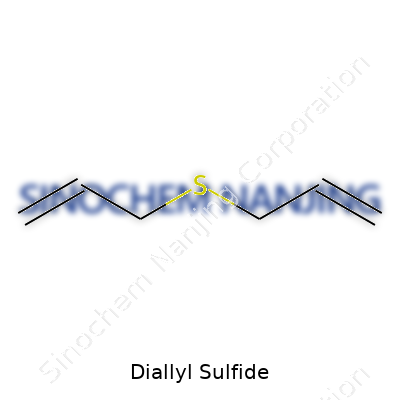
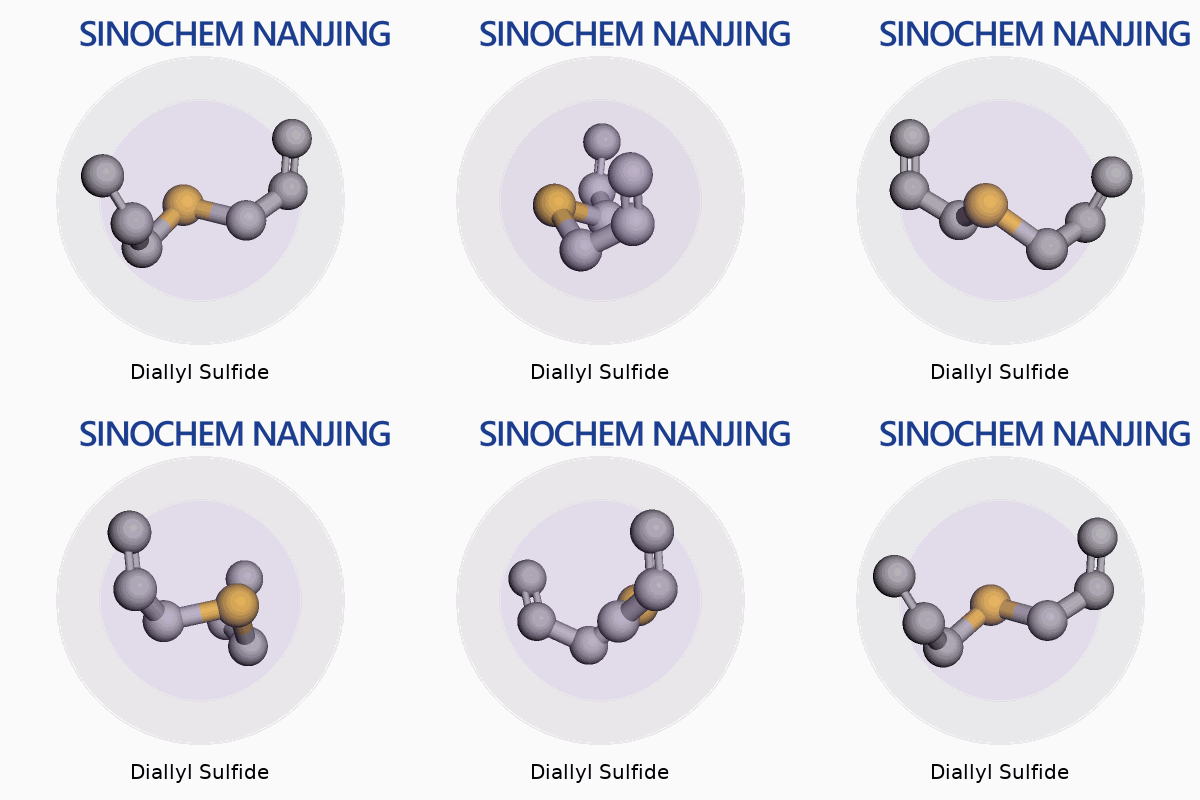
| Names | |
| Preferred IUPAC name | 3-(Prop-2-en-1-yl)sulfanylprop-1-ene |
| Other names |
Diallyl monosulfide Allyl sulfide 3-(Prop-2-enyldisulfanyl)prop-1-ene |
| Pronunciation | /daɪˈæl.aɪl ˈsʌl.faɪd/ |
| Identifiers | |
| CAS Number | 592-88-1 |
| Beilstein Reference | 1203994 |
| ChEBI | CHEBI:17528 |
| ChEMBL | CHEMBL1389 |
| ChemSpider | 7157 |
| DrugBank | DB08793 |
| ECHA InfoCard | 100.007.860 |
| EC Number | 203-721-0 |
| Gmelin Reference | 89244 |
| KEGG | C08202 |
| MeSH | Diallyl Sulfide |
| PubChem CID | 15687 |
| RTECS number | VS8575000 |
| UNII | TW1V040920 |
| UN number | UN2341 |
| Properties | |
| Chemical formula | C6H10S |
| Molar mass | 114.19 g/mol |
| Appearance | Colorless to pale yellow liquid |
| Odor | garlic-like |
| Density | 0.845 g/mL at 25 °C(lit.) |
| Solubility in water | Insoluble |
| log P | 2.6 |
| Vapor pressure | 0.38 mmHg (25°C) |
| Acidity (pKa) | pKa = 40 |
| Basicity (pKb) | –1.75 |
| Magnetic susceptibility (χ) | -8.8 × 10⁻⁶ cm³/mol |
| Refractive index (nD) | 1.528 |
| Viscosity | 2.19 mPa·s (20 °C) |
| Dipole moment | 2.11 D |
| Thermochemistry | |
| Std molar entropy (S⦵298) | 362.6 J·mol⁻¹·K⁻¹ |
| Std enthalpy of formation (ΔfH⦵298) | -44.8 kJ/mol |
| Std enthalpy of combustion (ΔcH⦵298) | -3516 kJ/mol |
| Pharmacology | |
| ATC code | D01AE24 |
| Hazards | |
| GHS labelling | GHS02, GHS07 |
| Pictograms | GHS02,GHS07 |
| Signal word | Warning |
| Hazard statements | H226, H302, H315, H319, H332 |
| Precautionary statements | Precautionary statements of Diallyl Sulfide are: "P210, P261, P264, P271, P280, P301+P312, P303+P361+P353, P304+P340, P305+P351+P338, P311, P337+P313, P370+P378, P403+P233, P501 |
| Flash point | 67 °C |
| Autoignition temperature | 234 °C |
| Explosive limits | Explosive limits: 1.1–11.1% |
| Lethal dose or concentration | LD50 (oral, rat): 260 mg/kg |
| LD50 (median dose) | LD50 (median dose): Oral (rat): 260 mg/kg |
| NIOSH | WGK3 |
| PEL (Permissible) | Not established |
| REL (Recommended) | '100 mg/kg' |
| IDLH (Immediate danger) | 100 ppm |
| Related compounds | |
| Related compounds |
Allyl methyl sulfide Allyl ethyl sulfide Allyl phenyl sulfide Diallyl disulfide Diallyl trisulfide |



