D-Glucosamine Hydrochloride: A Down-to-Earth Look at Its Past, Present, and Future
Historical Development
Long before D-Glucosamine Hydrochloride ever became a supplement on the shelves or a staple in ingredient lists, crab shells and shrimp waste often went out with the trash. About seven decades back, researchers figured out how to extract D-glucosamine—primarily from chitin found in crustacean exoskeletons. The Japanese and European chemists who led these efforts recognized its unusual properties and, soon after, so did pharmaceutical and nutrition researchers across the world. As early as the late 1960s, researchers started tweaking extraction and purification processes. By the 1980s, new commercial means let companies process almost industrial levels of D-glucosamine out of materials that would otherwise be discarded. This wasn't just a lab success; it built a bridge between food waste reduction and healthcare innovation.
Product Overview
Folks often find D-Glucosamine Hydrochloride in supplement bottles, sports creams, and even veterinary products. It forms a crystalline, off-white powder, easily soluble in water. Most suppliers source it from the shells of shrimp, lobster, or crabs, after thorough cleaning and processing. You’ll see it in capsules, tablets, and various blends—most clearly labeled by its role in supporting joint health. Manufacturers value how dependable and easy to formulate it is. Its appeal comes partly from being derived from abundant renewable marine resources, offering an alternative to fully synthetic options.
Physical & Chemical Properties
D-Glucosamine Hydrochloride looks like a simple crystalline powder, but there's plenty going on below the surface. It's known chemically as C6H13NO5·HCl, with a molecular weight close to 215.6 g/mol. This compound dissolves almost instantly in room temperature water. Unlike some supplement powders, it doesn’t clump or take on moisture as aggressively—key for production and storage. D-Glucosamine Hydrochloride stays stable at room temperature when kept dry and out of direct sunlight. Any excessive moisture or heat leads to degradation and browning, which certainly won’t pass quality checks. Its mild, slightly sweet flavor benefits finished goods, too.
Technical Specifications & Labeling
Buyers and regulators never take their eyes off product purity. Most of what's available keeps glucosamine content above 98%, with few heavy metals and less than 0.5% other sugars or contaminants. Modern lots pass microbiological tests for yeast, molds, and certain harmful bacteria. Each batch comes with its certificate of analysis. The U.S. Pharmacopeia (USP), European Pharmacopoeia (EP), and China’s GB standards define these parameters in detail. Bottles list “D-Glucosamine Hydrochloride,” the stated amount per dose, country of origin, and allergen information for shellfish sources. This transparency reassures consumers and healthcare professionals who depend on clear dosing.
Preparation Method
Most production lines start with crustacean exoskeletons, which get washed, ground, and then treated with a weak hydrochloric acid. This step breaks the chitin polymer down to glucosamine monomers—a process called hydrolysis. Purification follows: several filtration and concentration steps, often using activated carbon and centrifugation to remove color and impurities. The end goal is a fine, pure powder ready for pharmaceutical or nutraceutical blending. Traditional alkali-based deacetylation methods have seen upgrades, with some manufacturers switching to enzymatic approaches. These enzyme-based methods use less acid, generate fewer waste products, and trim energy costs. Less chemical waste benefits not just the bottom line, but the community and natural environment around processing facilities.
Chemical Reactions & Modifications
The amino group on D-glucosamine’s sugar ring serves as an anchor for chemical changes. Chemists often attach sulfate to form glucosamine sulfate, another supplement mainstay. They can acylate, oxidize, or even pegylate the molecule. This lets researchers gauge bioavailability, metabolism, and function in living systems. Its free amine reacts readily with aldehydes for labeling and tracking, handy for clinical and lab studies. Some work has focused on glycosylated or cross-linked forms for slow-release tablets, extending how long it stays available in the body after a single dose.
Synonyms & Product Names
D-Glucosamine Hydrochloride wears many different product names on packaging: Glucosamine HCl, 2-Amino-2-deoxy-D-glucose hydrochloride, GlucosaMine, and Shellfish Glucosamine. Supplement bottles sometimes just say ‘Glucosamine’—but ingredient lists or quality certificates make it clear which form sits inside. Reading the fine print proves important, since differences in formulation matter clinically and in terms of absorption. The list of synonyms can be confusing at first, but a solid origin-traceable supply line stops mix-ups.
Safety & Operational Standards
Factories keep operations tight, with global standards guiding every step. Workers wear personal protective equipment, handling acids, and cleaning up particulate dust from milling. Good Manufacturing Practices (GMP) and Hazard Analysis Critical Control Point (HACCP) programs oversee hygiene and documentation, both for employee safety and customer assurance. Most D-Glucosamine Hydrochloride on the market traces its lot from shellfish boat to finished bottle. Facilities test for trace allergens and heavy metals, especially lead and arsenic. These steps stop contaminated or adulterated product from reaching consumers. Regulatory agencies in Europe, North America, and Asia all keep a watchful eye, and companies caught skirting standards lose their licenses quickly.
Application Area
D-Glucosamine Hydrochloride shows up in a surprising range of goods. Doctors and patients use it for supporting joint health, with studies dating back over thirty years exploring its impact on osteoarthritis. Athletes take it hoping to ease post-game soreness. Veterinarians prescribe it for older dogs and horses facing mobility issues. Pharmaceuticals rely on it for injectable or topical products, though the legal landscape for claims has tightened, requiring more convincing evidence and strict labeling. It's popular in cosmetics—creams boasting “chitosan derivatives” often depend on this molecule. Some new biomed companies look at it as a starting material for wound dressings and biodegradable scaffolds, citing its natural compatibility with human tissue.
Research & Development
Research teams keep aiming higher with D-Glucosamine Hydrochloride. Some look at combinations with other ingredients like chondroitin or MSM, examining whether the mix outperforms single-compound supplements. Lab studies chase molecular tweaks—attaching small chemical groups, for example—to enhance bioactivity or slow breakdown in the body. Biotech startups explore its potential for delivering drugs, drawing on its mild charge and ability to bind water. Personalized nutrition companies dig through genetic data, hunting links between glucosamine metabolism and joint health outcomes. Animal studies continue to lay groundwork for human clinical trials focused on metabolic diseases, immune function, and post-injury tissue repair.
Toxicity Research
Decades of safety studies give D-Glucosamine Hydrochloride a solid reputation on toxicity. Standard dosing rarely produces more than mild digestive discomfort, such as stomach upset or loose stool. Trials looking at doses several times above recommended intake found no damage to organs or blood cells. Studies in rats and dogs, even over many months, kept drawing a similar picture. Rare allergic reactions, mostly limited to shellfish-sensitive individuals, sound a note of caution; companies now offer non-shellfish synthetic options for those at risk. Ongoing monitoring tracks minor risks, especially for people with severe diabetes, due to possible interference with insulin sensitivity.
Future Prospects
D-Glucosamine Hydrochloride stands at an interesting crossroads. Scientists and engineers lean into greener, more sustainable extraction methods, studying fungi and genetically engineered bacteria as next-generation raw materials. Some pharmaceutical developers aim for slow-release or targeted-delivery forms, chasing longer-lasting benefits with fewer doses. Big data—connecting supplement usage with health trackers—could sharpen understanding of who benefits most. As joint health becomes increasingly central to healthy aging, D-Glucosamine Hydrochloride will likely play a continued, maybe even expanded, role in preventive care and mobility maintenance. More innovations are waiting in labs and startups—the job for all of us is to make sure practical, safe, and affordable choices reach the communities who need them most.
What are the main health benefits of D-Glucosamine Hydrochloride?
Supporting Joint Function as We Age
Anyone who has spent time gardening, hiking, or jogging through city parks knows the value of healthy joints. After years of squatting, bending, or pounding pavement, knees can become creaky, hips start talking back, and hands might not grip like they once did. D-Glucosamine Hydrochloride has earned attention for supporting those demanding joints that keep us living active, pain-free lives.
Strengthening the Cartilage Cushion
Cartilage behaves like a natural shock absorber in our body. It lets bones glide past each other and handles repeated weight. D-Glucosamine Hydrochloride plays a reliable role in helping maintain that cushion. Clinical studies published in peer-reviewed journals report that supplementing glucosamine can slow cartilage breakdown, especially in people dealing with osteoarthritis. Scan the shelves in drugstores across the world, and you’ll spot this compound next to popular pain relievers.
I remember talking to my uncle, a long-time carpenter, who relied on his knees every day for decades. After turning 60, he started taking D-Glucosamine Hydrochloride on his doctor’s recommendation. He once remarked how that daily capsule helped grease the hinges and gave him a shot at kneeling pain-free during projects.
Lessening Joint Pain and Stiffness
Those who live with osteoarthritis know that morning stiffness and swelling turn simple pleasures into chores. Research led by universities in Europe and North America has punctuated that D-Glucosamine Hydrochloride taken over a few months helps reduce that daily discomfort. Results show that users move with less pain and regain some flexibility. The supplement doesn’t replace medical treatments, but for millions, it serves as a welcome tool in their arsenal.
A Gentle Choice for Long-Term Joint Care
Unlike many over-the-counter painkillers, glucosamine doesn’t carry the same risks for stomach ulcers or kidney trouble. People looking to care for joints without the baggage of daily NSAIDs find it less risky. Doctors point out that those on blood thinners should still talk to a pharmacist or physician before starting new supplements.
Combination with Other Natural Compounds
Many products blend D-Glucosamine Hydrochloride with chondroitin sulphate or MSM (methylsulfonylmethane) for a multi-pronged approach to joint support. Some manufacturers provide these blends in capsules, tablets, or powders. Nutraceutical research keeps pointing toward the benefits of combined therapy, suggesting that pairing these compounds promotes greater relief of symptoms for many users.
Practical Ways to Maximize Joint Longevity
No supplement works in isolation. Keeping weight in check, staying active with low-impact exercise, and eating a whole-food diet all support lasting joint health. Glucosamine can help people stay motivated by reducing aches and pain, making it easier to join friends for a game of tennis or wrestle with grandkids at the park.
For me, seeing aging loved ones regain confidence in their bodies carries more value than any technical jargon about polymers and molecules. Clinical trials support its role in joint health, but lived experience—stories from neighbors, friends, family—gives the strongest evidence for its place on the shelf. People deserve to move freely, and every small step helps.
Is D-Glucosamine Hydrochloride safe for long-term use?
Understanding What’s in the Bottle
Lots of people turn to D-glucosamine hydrochloride for achy joints and knees that bark at the end of a long workday. It's an ingredient in countless supplements lining pharmacy shelves, tucked between bottles promising everything from stronger bones to brighter skin. The big question gets louder every year: Is it safe to use D-glucosamine hydrochloride day after day, year after year?
The Safety Question
Personal experience with joint pain nudged me into reading research papers late into the night. I learned D-glucosamine hydrochloride is made from natural sources like shellfish shells or sometimes fermented grains. Glucosamine usually helps the body build cartilage—the tough, rubbery stuff in joints. More than a few friends, after hitting middle age or working on their feet, grabbed it hoping to feel easier movement.
Major health organizations—like the National Institutes of Health and Arthritis Foundation—looked at numerous studies. Some folks reported relief from their knee pain. Others said it made almost no difference. What stood out to me were the investigations into safety. D-glucosamine hydrochloride at regular supplement doses rarely led to problems for healthy people. Typical side effects, if they showed up, were mild—think upset stomach or heartburn, nothing wild.
A Look at the Evidence
Dragging things out for years gets different results than short trials, and longer-term studies matter here. Published reports in major medical journals track people taking glucosamine hydrochloride for years. The consensus so far: no real red flags in people without major allergies or significant health conditions. I value facts grounded in actual results, and over a decade of use doesn’t show kidney, liver, or cardiovascular harm in most folks.
That said, some caution flags pop up. If you have diabetes, watch your blood sugar if you take glucosamine. Some early animal studies gave reason to keep an eye on this, and later human trials found blood sugar changes rare, but possible. People with shellfish allergies should ask a doctor before trying it—shell-derived supplements could trigger an allergic reaction. Anyone taking blood thinners like warfarin needs extra supervision, since a handful of case reports hinted at interactions.
Staying Smart About Supplements
Supplements aren't monitored as tightly as prescription drugs. I've seen friends assume “natural” means risk-free. The reality is that product purity can vary, and batch-to-batch quality sometimes wobbles. Checking for third-party certifications, like USP or NSF, improves the odds of getting what the label advertises. Talking with a doctor or pharmacist before starting a new supplement can head off problems. Just popping a pill can seem easier than sifting through details, but a little groundwork often pays off.
There’s also value in weighing up lifestyle changes—movement, nutrition, strength training. Relying solely on a supplement bottle rarely carries anyone very far. Using D-glucosamine hydrochloride as part of a broader strategy, not a crutch, helps keep expectations realistic.
In the End, Look Past the Hype
Plenty of evidence supports the idea that D-glucosamine hydrochloride is generally safe for ongoing use by healthy adults. Problems remain rare, but special circumstances—like certain medical conditions—warrant expert input. Facts and science matter more than what an ad claims. A little skepticism keeps both wallets and joints healthier.
What is the recommended dosage for D-Glucosamine Hydrochloride?
Why Folks Turn to Glucosamine
People chase relief from joint pain, especially with age or the grind of physical work. Glucosamine hydrochloride keeps popping up in conversations between friends, at clinics, and even among athletes with nagging knees. It’s one of those supplements that promises help for cartilage and joint comfort. Based on research I’ve read and certified sources like the Arthritis Foundation, no magic number fits everyone. Still, understanding good practice counts.
The Usual Dosage Range
Doctors and nutritionists steer most adults toward a daily dose between 1,200 mg and 1,500 mg, typically split across two or three intakes. Many bottles on drugstore shelves stick to these numbers. They hit that spot because of studies showing this range might help reduce symptoms of osteoarthritis, especially in the knees. Skipping this routine or taking less often doesn’t really show much benefit. Bodies need steady exposure for a real shot at comfort.
Not All Glucosamine Is the Same
Shoppers might notice different labels: glucosamine sulfate and glucosamine hydrochloride. Both aim to help joints, but their salt components differ. Most studies used glucosamine sulfate. Hydrochloride version, though, gets props for good absorption, working just fine for plenty of people. I’ve chatted with older folks who try both to see which agrees with them — some swear by one, others stick with the other. No clear winner, but consistency and following the right dose makes the difference.
Who Should Think Twice
Glucosamine kicks up questions for people with shellfish allergies, diabetes, or those on blood-thinners like warfarin. The risk lies in the potential for unpredictable blood sugar spikes or allergic reactions. Nurses and pharmacists often tell people to talk things over with their primary doctor. Self-experimentation isn’t worth negative surprises, especially with conditions like diabetes or heart disease in the mix.
The Real-World Impact of Glucosamine Dosage
I’ve met runners who swear by daily doses and weekend gardeners who find little benefit. Research paints a mixed picture—some get relief, others see no change at all. Still, sticking to the recommended daily ceiling, avoiding wild swings or double-dosing, keeps things safest. Wisdom from the Mayo Clinic backs this up: stay under 1,500 mg per day unless a specialist suggests otherwise.
Skeptics love to point out that supplements aren’t regulated as tightly as prescription medicine. They have a point. Quality across brands varies, and some pills might carry less glucosamine than the label claims. Looking for third-party certification marks (NSF, USP) helps limit guesswork. That’s one thing I always check for myself and recommend to family.
Finding Balance: Listening to Your Body and Your Doc
It’s tempting to think a higher dose means faster results, but side effects like nausea, heartburn, or gut changes can show up fast if you get greedy with the pills. Personal experience taught me to give new supplements at least two or three months before judging their value. If things improve, great. If not, it’s worth chatting with a healthcare provider and moving on.
Good joint health isn’t just about a single supplement. Movement, diet, weight management, and rest all work together. Glucosamine hydrochloride can support the plan, not replace it.
Are there any side effects or interactions with other medications?
Every Prescription Has a Story
Walking out of the pharmacy, new pill bottle in hand, there’s always a little uncertainty. Over the years, I’ve seen plenty of people and family members wonder if that medicine will help their headache, lower their blood pressure, or fight that nagging cough without causing more trouble than it’s worth. Sometimes, all you want is relief. The idea of side effects or drug interactions tends to get filed away until a rash pops up or your stomach churns in the middle of the night.
Why Side Effects Aren’t Just Fine Print
Doctors and pharmacists talk about side effects for a reason. Too often, mild issues like dry mouth or sleepiness fade with time, but serious reactions hit without much warning. In the United States, the FDA keeps tight tabs on medications through databases like MedWatch and guides for healthcare providers. Even then, some effects slip through, especially with new medications or when mixing drug regimens. More than 1.3 million people wind up in emergency rooms each year because of adverse drug reactions. No one expects their cholesterol pill to make their muscles ache, or their blood thinner to spark unexplained bruising, but it happens enough that caution matters.
Interactions: The Unseen Risks
A lot of us know someone—maybe it’s your neighbor or your grandma—who lines up multiple pill bottles each morning. That’s where drug interactions creep in. Combining certain medications can change how they work. Sometimes, coffee or grapefruit juice is enough to throw the balance off. Blood pressure drugs mixed with certain painkillers can raise heart risks. Antibiotics can knock birth control pills off balance, too. I’ve watched friends realize too late that herbal supplements like St. John’s Wort can weaken antidepressant effects or trigger side effects in unexpected ways.
Reading the Label Isn’t Enough
Pakages have warning labels for a reason, but medical language can be dense or hard to understand. Even with resources like the National Institutes of Health’s Drugs.com, people often rely on quick chats with their healthcare team. Those conversations matter just as much as lab research or clinical studies. Honest talk about everything in your medicine cabinet gives your doctor the best shot at catching hidden risks. Bringing a written list to every appointment, including vitamins, supplements, and over-the-counter meds, keeps everyone on the same page.
Solutions for Keeping Safe
Staying alert starts at the pharmacy counter and doesn’t end at home. Asking real questions—“Can I drink beer with this?” or “Will this painkiller mess up my stomach meds?”—gives you some control. If you notice anything strange, reporting side effects to your doctor or even through FDA reporting tools builds better safety data for everyone.
Many hospitals now use electronic prescribing systems to help spot drug interactions early. These tools scan for clashes and alert healthcare providers before the prescription ever reaches your hands. Still, technology can’t replace sharing the full list of meds with your provider—and being honest about what you actually take, not just the medications you think you “should” mention.
Taking Health Into Your Own Hands
Everyone wants quick relief from pain, high blood sugar, or stuffy noses, but there’s no substitute for keeping an eye out for unexpected changes. Taking a few minutes to ask questions gives you a safer experience with fewer nasty surprises. Cautious steps today can help steer clear of bigger problems tomorrow.
Can D-Glucosamine Hydrochloride help with joint pain or osteoarthritis?
Looking for Relief in a Capsule
Joint pain finds a way to slow you down. Nothing like a stiff knee or aching wrist to remind you that cartilage doesn’t grow back overnight. In this search for comfort, many reach for supplements, scanning bottles labeled “glucosamine” with the hope of waking up with less pain tomorrow. D-glucosamine hydrochloride often lands on local pharmacy shelves, marketed as a ray of hope against the daily grind of osteoarthritis. Plenty of people pop these pills because they just want to move a bit easier and get back to walking the dog, gardening, or jogging without that nagging stiffness.
How D-Glucosamine Hydrochloride Works
This compound grows from glucose, serving as a building block for cartilage and other tissues cushioning our joints. The theory says that giving the body more of this building block could help patch up what’s getting worn down, or at least slow the loss.
Trusting Research Over Hype
Supplements draw loads of attention, but facts should call the shots. A few well-run studies – including ones funded by the National Institutes of Health – looked at D-glucosamine hydrochloride in people with knee osteoarthritis. Some folks swore by it, yet the numbers told a mixed tale. Results haven’t shown big differences compared to a placebo. For every person who gets relief, another may see no change. The American College of Rheumatology doesn’t recommend its use for osteoarthritis, mostly due to this lack of clear-cut results.
That said, not everyone studies the same thing. Some trials focus on glucosamine sulfate instead, and sometimes both versions get lumped together. This confuses the message shoppers see online or in magazines. D-glucosamine hydrochloride stands apart as the most common form sold in the U.S. and often gets tested alone to keep things clear for doctors and patients.
Why Some Still Give It a Shot
People living with osteoarthritis want hope, especially when pain gets in the way. Over-the-counter pills promise help without the long list of side effects seen in daily use of nonsteroidal anti-inflammatory drugs (NSAIDs) or after steroid shots. Supplements like glucosamine sound safe to try, so some take their chance, figuring, “Why not if it could help?”
From my experience working with adults needing advice on everyday pain, curiosity about glucosamine comes up often. Few see harm in trying, particularly with a doctor’s say-so and no hidden allergies or interactions. Some folks swear by their morning dose, while others realize the relief felt may come more from hope than the capsule itself.
Better Ways to Manage Joint Pain
Doctors, physical therapists, and long-term arthritis patients rely on a fuller plan. Exercise keeps joints moving and muscles strong, often working better than just adding a supplement. Weight loss, even as little as 5-10 pounds, takes plenty of stress off knees and hips. Stretching helps keep stiffness in check. Heat, ice, topical creams, and occasional NSAIDs also play a role, shaped to each person’s health history.
Those thinking of starting D-glucosamine hydrochloride should have a chat with a trusted healthcare provider. Even a “safe” supplement sometimes interacts with medications or triggers allergies, and wasting money on something that may not help never feels good. Real improvement, the kind that lasts, tends to come from proven changes like moving more, eating well, and following professional advice tuned to your life and limits.
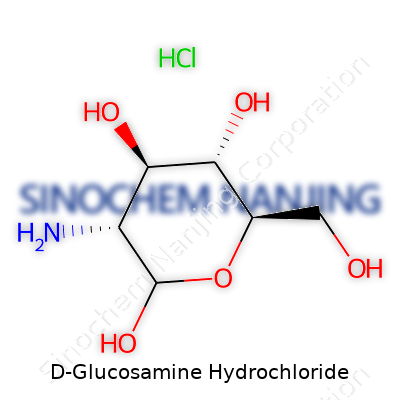
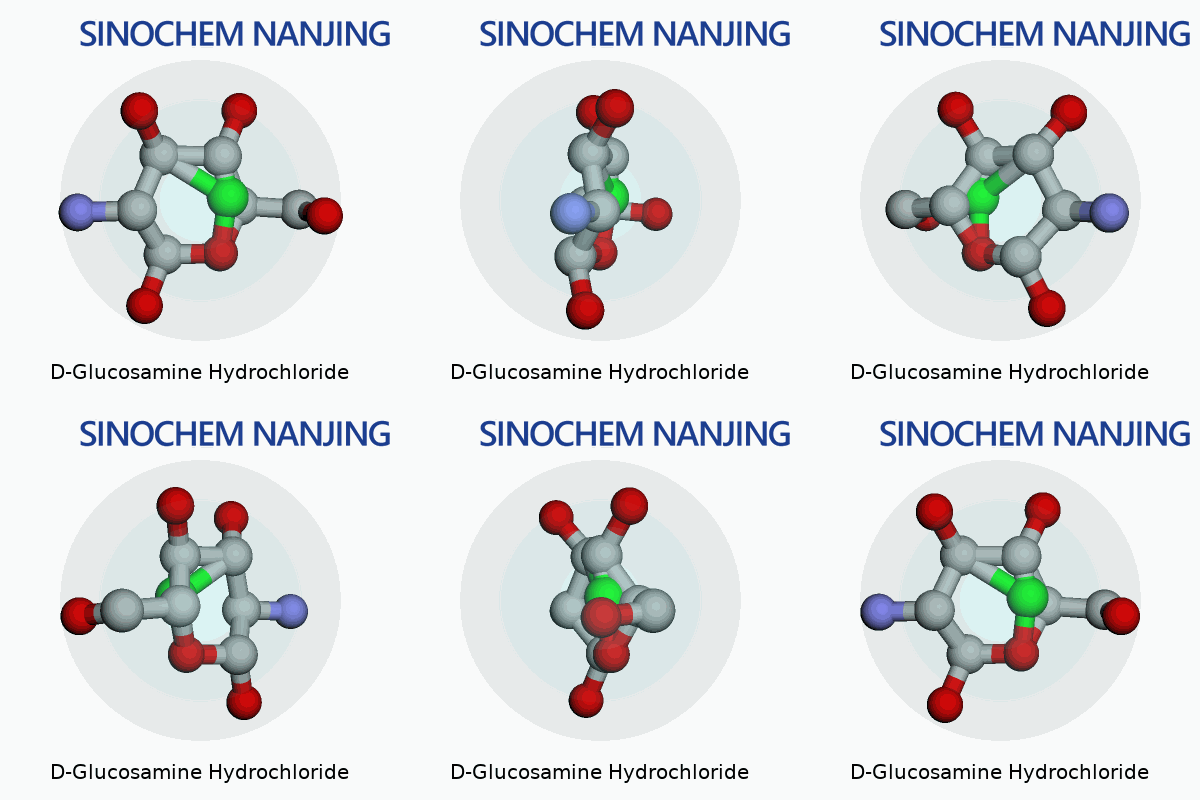
| Names | |
| Preferred IUPAC name | (3R,4R,5S,6R)-3-Amino-6-(hydroxymethyl)oxane-2,4,5-triol;hydrochloride |
| Other names |
Glucosamine HCl D-Glucosamine HCl Glucosamine hydrochloride 2-Amino-2-deoxy-D-glucose hydrochloride |
| Pronunciation | /diː ɡluːˈkoʊsəˌmiːn haɪˌdrɒklaɪd/ |
| Identifiers | |
| CAS Number | 66-84-2 |
| Beilstein Reference | 1861817 |
| ChEBI | CHEBI:60040 |
| ChEMBL | CHEMBL1230393 |
| ChemSpider | 21534964 |
| DrugBank | DB01296 |
| ECHA InfoCard | 100.034.223 |
| EC Number | 3.2.1.14 |
| Gmelin Reference | 71543 |
| KEGG | C00623 |
| MeSH | D-glucosamine hydrochloride MeSH: D03.633.021.150.300 |
| PubChem CID | 71514478 |
| RTECS number | MC8588000 |
| UNII | 6VCU9JT3KO |
| UN number | UN2811 |
| CompTox Dashboard (EPA) | DTXSID6044273 |
| Properties | |
| Chemical formula | C6H13NO5·HCl |
| Molar mass | 215.63 g/mol |
| Appearance | White crystalline powder |
| Odor | Odorless |
| Density | D-Glucosamine Hydrochloride has a density of 1.56 g/cm³ |
| Solubility in water | Soluble in water |
| log P | -5.2 |
| Acidity (pKa) | 6.95 |
| Basicity (pKb) | 10.39 |
| Magnetic susceptibility (χ) | -6.1×10⁻⁶ cm³/mol |
| Dipole moment | 1.82 D |
| Thermochemistry | |
| Std molar entropy (S⦵298) | 160.3 J·mol⁻¹·K⁻¹ |
| Std enthalpy of formation (ΔfH⦵298) | -976.7 kJ/mol |
| Std enthalpy of combustion (ΔcH⦵298) | -3769 kJ·mol⁻¹ |
| Pharmacology | |
| ATC code | M01AX05 |
| Hazards | |
| Main hazards | Causes serious eye irritation. |
| GHS labelling | GHS07,Warning,May cause respiratory irritation. |
| Pictograms | GHS07 |
| Signal word | Warning |
| Hazard statements | Not a hazardous substance or mixture according to the Globally Harmonized System (GHS). |
| Precautionary statements | IF IN EYES: Rinse cautiously with water for several minutes. Remove contact lenses, if present and easy to do. Continue rinsing. If eye irritation persists: Get medical advice/attention. |
| NFPA 704 (fire diamond) | 0-0-0 |
| Autoignition temperature | 440°C |
| Lethal dose or concentration | LD50 oral, rat: > 5000 mg/kg |
| LD50 (median dose) | 5000 mg/kg (Rat, Oral) |
| PEL (Permissible) | PEL (Permissible exposure limit) for D-Glucosamine Hydrochloride: Not established |
| REL (Recommended) | 720 mg |
| Related compounds | |
| Related compounds |
Glucosamine sulfate N-Acetylglucosamine Chitosan D-Glucosamine Glucose Galactosamine |



