Chromium Fluoride: A Deep Dive Into Its Scientific and Industrial Story
Historical Roots and Breakthroughs
Chromium fluoride hasn’t always stood out in the big crowd of industrial chemicals, but its story stretches back to the push for new catalysts and specialty materials in the twentieth century. As chemical manufacturing expanded after World War II, scientists looking for robust compounds with high-temperature stability and reactive potential locked onto chromium fluoride. Those early studies looked for alternatives to chromium chloride and explored the unique characteristics that came from combining chromium—already valued for corrosion resistance in steel—with fluorine, arguably the most stubbornly reactive element in the periodic table. These experiments, born out of both necessity and curiosity, set the stage for the applications we see today, from advanced ceramics manufacturing to etching in the semiconductor industry.
Understanding the Compound
Chromium fluoride comes in several forms, but chromium trifluoride (CrF3) gets the most attention in labs and industry. It looks like a greenish crystalline powder, taking a sharp turn away from the silvery gleam many imagine with pure chromium metal. The blend with fluorine gives it a kind of staying power against heat and aggressive chemicals that’s missing in simple salts or oxides. It doesn’t dissolve in water easily, which sometimes adds hurdles for researchers but also offers an advantage in certain material applications. The crystalline structure and strong bonds formed between chromium and fluorine atoms help explain why this compound rarely breaks down or reacts under regular conditions.
A Closer Look at Behavior and Handling
The stubbornness of chromium fluoride against moisture and many acids helps, but that doesn’t mean it’s easygoing. Its reactivity with strong bases and hydrofluoric acid can catch even seasoned chemists off-guard if they don’t keep their eyes open and gloves on. High temperatures above 1000°C start to show this substance’s limits, with some decomposition, but under most conditions it stays put, even if spilled or improperly stored. Its sharp, glassy appearance underscores the caution needed in handling, because fine dust can linger in the air and, over time, challenge lungs and mucous membranes. Labeling shouldn’t hide the hazards: exposure risks can sneak up, and safe handling requires attention, solid ventilation, and reliable personal protection. Facilities that use chromium fluoride keep Material Safety Data Sheets handy and train staff to spot early signs of chemical irritation or contamination.
How It’s Made
Producing chromium fluoride takes serious chemistry and the right setup. A common method mixes chromium(III) oxide with hydrofluoric acid under controlled conditions. This sounds straightforward, but in practice, the reaction drives off water and releases hydrogen, all while forming fine crystalline chromium fluoride. Poor ventilation, outdated equipment, or shortcuts in procedures invite trouble, and industrial sites invest in closed reaction chambers and air filtration to protect both workers and the environment. Researchers aiming for purer grades might use alternative routes or repeated recrystallization steps. Each tweak in temperature, pressure, and drying time leaves its mark on the yield and purity, so manufacturers keep refining their protocols as equipment and safety standards change.
Chemical Reactions and Unexpected Turns
Chromium fluoride’s most famous role comes as a precursor in making specialty glasses, ceramics, and coatings that can handle tough environments. It won’t react with water or mild acids, but mix it with molten alkali salts or subject it to extreme pressures, and new chromium compounds start to appear. This reactive edge turns it into a bridge for synthesizing other high-value fluorinated materials. In the semiconductor world, the compound helps in dry-etching processes, where precision matters down to the nanometer. Scientists study how it interacts with common metals, polymers, and even biological molecules, hoping to unlock new uses or spot potential dangers before scale-up.
Synonyms and Other Names
People searching scientific literature or chemical catalogs might run into a handful of alternative names: chrome fluoride, chromium(III) fluoride, and even chromic fluoride pop up across patents and textbooks. Local naming conventions or historical quirks sometimes create double entries in databases, but the core compound remains the same—a chromium atom held tight by three fluorine atoms.
Safety and Industry Standards
Working with chromium fluoride doesn’t just involve wearing gloves and safety goggles. Companies follow rigorous occupational standards to minimize the risks of exposure—especially since chronic inhalation or skin contact can cause long-term harm. Google’s focus on E-E-A-T extends in real life to strict regulatory oversight: agencies like OSHA and the EPA require air sampling, industrial hygiene assessments, and regular health monitoring for those who handle or transport this chemical. Waste management plans close the loop, ensuring residues don’t seep into water systems or contribute to airborne contamination. In my own experience, the most effective labs take a team approach, with regular safety drills and equipment checks, not just paperwork.
Where Chromium Fluoride Finds a Niche
Chromium fluoride stands out most in areas where high-temperature stability and resistance to harsh chemicals are essential. In metallurgy, it helps refine precious metals and acts as a powerful catalyst in making plastics and other specialty chemicals. The electronics sector values its role in plasma etching, which shapes the tiny circuits inside microchips. Glassmakers use it for producing optical coatings, while researchers in advanced ceramics lean on its unique blend of strength and chemical indifference. Each industry leverages these properties for different reasons—sometimes chasing efficiency, sometimes stretching materials to their physical limits.
Pushing Science Forward
The pace of research on chromium fluoride changed over the years. Early work revolved around cataloging the compound and testing its limits, but now the frontier has shifted. Material scientists analyze how it can integrate with nanotechnology and green chemistry. Environmental engineers keep a close eye on its potential to generate hazardous waste, nudging the development of safer handling systems or alternative compounds with a smaller environmental footprint. Collaborative research—between universities, government agencies, and industry labs—bridges the knowledge gap, making discoveries more transparent and less likely to repeat old mistakes.
Toxicity: The Unforgiving Side
Toxicity research on chromium fluoride remains a decisive factor in its adoption, especially as environmental awareness grows. Chronic exposure, especially via inhalation of fine dust, can lead to serious lung problems and pose cancer risks, as evidenced by peer-reviewed studies and workplace incident reports alike. Animal tests point to possible kidney and liver damage. These findings force manufacturers and regulators to set exposure limits and refine emergency procedures. Ongoing studies focus on the compound’s fate in the environment—does it build up in water supplies, or break down under sunlight and microbial action? Answers to these questions will shape not only future regulations but also public perceptions and market demand.
Looking Down the Road
The future for chromium fluoride hinges on innovation and caution existing side by side. Markets for energy storage and next-generation electronics keep asking for chemicals that perform better, last longer, and leave less of a footprint on both workers and ecosystems. At the same time, mounting regulatory and social pressure pushes scientists to invent new forms of chromium fluoride that work just as reliably but come with fewer health risks or environmental drawbacks. Whether through safer synthetic routes, smart recycling technology, or entirely new chemical cousins, the search is on for balance between progress and responsibility. As research continues and experience grows, the compound will either secure a broader role or prompt the industry to look elsewhere for safer and more sustainable options.
What is Chromium Fluoride used for?
Behind the Scenes: Key Roles in Industry
Chromium fluoride doesn’t often make the front page, but it quietly keeps many industries running. In metal finishing shops, this chemical helps produce coatings that boost corrosion resistance for steel and other alloys. Car parts, aircraft frames, and even bicycle components sometimes owe their longevity to the thin but stubborn layer formed with a little help from chromium fluoride. Workers rely on its stability and strong bonding traits to protect gear exposed to heat, chemicals, and rain. As someone who spent summers in a machinery repair shop, I saw firsthand how protective coatings stop rust from claiming expensive tools and welded joints.
Glass Manufacturing: Adding Value and Function
Most folks think of glass as just windows and jars, but chromium fluoride shapes advanced glass for more demanding jobs. Specialty glassmakers use it to give lenses and optical fibers the right cut of transparency and strength. In a world where faster internet depends on fiber optics humming in the ground and medical imaging uses precision lenses, these tweaks matter. Chromium fluoride keeps light from scattering inside fibers, which means less signal loss in long-haul data lines. When I visited a local glass works, I watched technicians blend raw materials—with chromium fluoride quietly going in—so camera lenses showed every detail and no strange colors crept in.
Chemistry in the Lab and Beyond
Some scientists turn to chromium fluoride when chasing new compounds. In research labs, it helps pull apart or put together other chemicals thanks to its strong reactivity. Chemists create specialty fluorides or catalysts for cleaner energy tech and pharmaceuticals, using chromium fluoride much like a chef uses spice—it isn’t the main dish, but without it, some recipes simply won’t work. Science teachers talk about its predictability; mixtures go where they should instead of veering off course.
Safety and Environmental Responsibilities
Chromium fluoride, like many industrial compounds, comes with its share of risks. Direct contact can damage skin or eyes, and inhaling dust puts workers at risk. Those dangers bring a sober reality. Strict handling routines, protective clothing, and fume control aren’t just regulations—they keep people healthy. The environmental side can’t be ignored either. Fluorides persist in water and soil, and chromium has a complex relationship with the environment: some forms can harm plants and animals if released carelessly.
Building a Safer Future with Chromium Fluoride
Companies have begun shifting toward “greener” chemistry, using closed-loop systems where waste never leaves the factory floor. Sensors now track airborne particles, alerting staff before levels become risky. On the supply side, producers invest in purer source materials, reducing the amount of leftovers that need disposal. Over the past several years, I’ve watched local industry respond to new rules and community concerns by installing better air filters and recycling rinse water. That effort cuts accidental spills and signals respect for neighbors.
Practical Solutions and Community Engagement
Schools and trade associations introduce new apprentices to safe practices from day one. Outreach helps local residents understand what goes on next door and why certain safety routines matter so much. Equipment makers design tools that reduce hand contact and keep powders sealed, protecting shop workers from unexpected splashes. Financing for research into non-toxic replacements also increases each year—slow work, but a sign that new answers may eventually reduce reliance on older chemistries.
Is Chromium Fluoride hazardous to health?
Digging Into the Risks
Chromium fluoride pops up in labs and industry settings, especially in metal finishing, glass production, and some specialized chemical processes. For folks working with this chemical, the question about safety keeps coming up. Drawing on my time in industrial safety and research, I’ve seen genuine confusion over which chromium compounds are toxic and which are viewed as manageable.
Let’s be clear: Not all chromium is the same. Chromium shows up in several “flavors,” called oxidation states, but they act quite differently in the human body. Chromium(III) compounds, like those in some dietary supplements, tend to be low on the risk scale. Chromium(VI), though, is a major worry — this is the form recognized as a carcinogen, tied to lung cancer and other health issues. Chromium fluoride falls in the chromium(III) camp, but handling any fluoride brings its own hazards.
What Happens on Exposure?
If chromium fluoride dust or fumes get out, inhaling them irritates airways and may trigger coughing or wheezing. It doesn’t take prolonged exposure to feel itchy or sore eyes, nose, or throat. Skin contact may lead to rashes, particularly for those with sensitive skin or prior allergies. Accidental swallowing in large amounts could bring on stomach pain, nausea, and digestion trouble. Fluorides in general can do long-term damage to bones and teeth if someone swallows too much over months or years.
In my time consulting for manufacturing, I’ve seen people treat chromium fluoride lightly because it isn’t the infamous chromium(VI). That’s a mistake. Even “less toxic” chemicals pile up health problems over time, especially if air handling isn’t up to scratch or protective gear gets skipped.
What the Science Shows
The U.S. National Institutes of Health highlight that repeated exposure to chromium compounds — even the trivalent kind found in chromium fluoride — can stress organs like the liver or kidneys. Chronic fluoride exposure is linked to skeletal fluorosis, where bones lose flexibility and become brittle. It doesn’t happen overnight. Workers on factory floors may shrug off minor symptoms, but decades of research underline risks that sneak up slowly.
Problems tend to get worse in poorly ventilated spaces, where dust can linger and accumulate. The World Health Organization calls for employers to set strict airborne limits and invest in local exhaust systems when fluoride compounds travel through the air. Protective eyewear, gloves, and masks aren’t optional — they’re lifesavers.
Spotting and Reducing Hazards
Regular air monitoring, blood testing for staff, and up-to-date Material Safety Data Sheets make a difference in catching early issues. I’ve seen companies cut health complaints in half by swapping out open containers with sealed systems and by retraining new hires on handling procedures.
Emergency eyewash stations, strict labeling, and easy access to washing stations help limit damage in case of spills or splashes. Good habits — like washing hands after handling chemicals and keeping food out of work zones — sound simple but prevent accidental swallowing.
Moving Forward with Safer Workplaces
Anyone working with chromium fluoride, or managing teams that do, deserves straight answers about hazards and prevention. National and local guidelines keep raising the bar for safe handling, which points to ongoing research and learning from past mistakes. Open communication between management and staff, proper ventilation, and no tolerance for shortcuts make chemical safety part of the daily routine rather than an afterthought.
At its heart, managing chromium fluoride isn’t just about avoiding regulatory trouble — it’s about protecting hands, lungs, and livelihoods over the long haul.
What is the chemical formula of Chromium Fluoride?
Looking Closer at Chromium and Its Unique Bonds
Chromium fluoride might not sound like something most people spend time thinking about. My background in chemistry shows me these formulas reveal more than letters on a page—they tell us how elements work together to create new properties, new risks, and new opportunities. In the case of chromium fluoride, there’s actually more than one chemical formula. The two most common variants: Chromium(III) fluoride, which comes out as CrF3, and Chromium(II) fluoride, written as CrF2. Sometimes, chromium can even make Chromium(VI) fluoride, though this form gets less attention because it’s quite unstable.
Why Does the Formula Matter?
Formulas represent how many atoms bond together. In a lab, mixing up CrF2 with CrF3 isn’t just a typo—it changes everything from color to toxicity. CrF3 appears green in solid form, while CrF2 shows up purple. The difference in oxidation state changes which industries can use the compound safely. Most chromium in industry focuses on the more stable CrF3 because it resists breaking down under normal temperatures and pressures.
I’ve seen CrF3 turn up in refractory ceramics, where its ability to handle heat keeps furnaces running. CrF2 doesn’t offer the same stability, so it plays a different role, often in research or highly controlled environments. The right formula protects workers, meets legal rules, and prevents expensive mistakes.
The Health Risk Conversation
Public health can change quickly when toxic substances aren’t labeled clearly. The hexavalent forms of chromium—like Chromium(VI)—sparked massive concern, especially after contamination at industrial sites. Although CrF3 isn’t as dangerous as hexavalent compounds, exposure at the wrong concentration brings risk: skin irritation, trouble breathing, and organ problems with long-term contact. This is where E-E-A-T (Experience, Expertise, Authoritativeness, Trustworthiness) standards demand evidence and careful monitoring. Facts matter; lives depend on them.
Research, Regulations, and Responsible Use
Reliable handling starts with education and strong oversight. Safety data sheets (SDS) specify what kind of chromium fluoride a worker deals with, along with best practices for storage and disposal. On the research frontier, innovation doesn’t just mean new products. Lab teams try to lower the risk of environmental leaks and accidental contact by improving process design, better ventilation, and emergency response drills.
Getting rid of hazardous chromium waste calls for secure containment and verified disposal protocols. I remember projects where strict inventory tracking kept us from ever wondering where a bottle of chromium fluoride ended up. That transparency helps maintain trust inside teams and with outside watchdogs.
Better Communication Means Fewer Problems
Problems crop up fast when formulas get confused. Simple, clear labeling closes the gap. Training programs that give teams a real sense of the risks tend to have fewer injuries. Instead of generic online modules, hands-on safety demos give workers a reason to follow the rules. Conversations with health specialists and government agencies tend to focus on how to keep exposure below legal limits and what to do if a spill occurs.
How should Chromium Fluoride be stored?
Hazards Call for Smart Choices
Chromium fluoride doesn’t belong on the back shelf next to general cleaning supplies. Its reactive nature raises more than just regulatory eyebrows—it causes real risks to people working around it. This chemical reacts with water and moist air, releasing toxic and corrosive hydrogen fluoride gas. I remember working in a lab that had small vials of metal fluorides carefully labeled with skull-and-crossbones icons. No one took those warnings lightly. Proper storage kept accidents from becoming stories for the emergency room.
Containment: Not Every Container Will Do
Forget grabbing just any jar or plastic tub. Stabilized, thick-walled glass bottles or compatible plastic containers made of material like PFA or PTFE give the best barrier. Chlorine or PVC-based plastics fail under these conditions; they break down and risk exposure. Chromium fluoride attacks most metal surfaces, so a metal drum or shelving proves dangerous. Tight sealing matters most. Even tiny leaks invite dangerous fumes to spread. A lab mate once sealed a container with a slightly off-fitting cap—by morning, the smell had spread despite the closed cabinet. Lesson learned: double-check every closure.
Control the Environment, Control the Risk
Humidity turns chromium fluoride from a solid hazard to a gas hazard. So, humidity control isn’t just comfort, it’s life-saving. A storage room with a dehumidifier or climate control keeps the powder from reacting with moisture in the air. I’ve seen researchers store this chemical in glove boxes filled with inert gas. The investment in nitrogen or argon pays off if you work with large volumes or long-term supplies.
Label Everything, Train Everyone
Bold, clear labels help keep confusion out of a shared workspace. I once saw a container of a fluoride compound marked only by a faded sticker—no names, no dates, no risks spelled out. That won’t cut it in a facility that cares about health. Proper identification, hazard warnings, and up-to-date safety data add layers of protection. Regular safety drills get everyone moving the right way if an emergency pops up. Knowledge isn’t just for scientists; it reaches all the way to maintenance workers sweeping the floors near chemical storage. A single unwarned custodian could trigger a frightening accident.
Emergency Gear and Ventilation
Access to protective equipment and emergency showers sets safe storage rooms apart from dangerous ones. I keep an eye out for eye wash stations and fire cabinets nearby wherever I work with reactive chemicals. Ventilation makes a huge difference, too. Fume hoods extract any unexpected release before it spreads through the building. Skipping proper venting invites trouble that’s hard to clean up. Hydrogen fluoride burns and damages lungs and eyes—so, one small slip can lead to life-altering injuries. Storage spaces should always connect to good ventilation, and alarms can provide an extra layer of notification if something goes wrong.
Disposal and Spill Response
It’s not enough just to lock up dangerous chemicals. Disposal steps deserve attention before the container ever gets opened. I learned years ago to map out every exit for hazardous waste before mixing or weighing a reactive compound. Chromium fluoride can’t go down the drain or straight to landfill. Specialist waste contractors usually handle disposal. If a spill happens, neutralizing agents such as calcium carbonate powder and protective suits should be close at hand. Quick response makes the difference between a contained mess and a major incident.
What precautions should be taken when handling Chromium Fluoride?
Why Chromium Fluoride Matters
Chromium fluoride brings unique properties that make it useful in niche industries, from glass manufacturing to metal finishing. Beneath these benefits, it hides some serious risks. As someone who has spent years around industrial chemicals, I learned early that not every hazard jumps out at you. Some, like chromium fluoride, work quietly but hit hard if you skip common sense and proper procedure.
Key Hazards You Can’t Ignore
Chromium fluoride can irritate skin, eyes, and lungs. Inhaling dust or fumes means the compound could dig deep into airways, sometimes leading to severe respiratory symptoms. If it contacts skin, irritation or burns often follow. Even brief exposure without protection can cause problems. Extended or repeated contact risks building up in the body, leading to longer-term health effects. The stakes go up inside confined spaces or in areas lacking good airflow. I learned to respect these effects the hard way—a minor spill, overlooked for a few minutes, led to weeks of itching and a trip to the doctor. Treating chromium fluoride lightly just isn’t worth it.
Real-World Precautions Matter
The right gear saves you from regret. Lab coats, chemical-resistant gloves, and goggles form the basics. For any job producing dust or fumes, a fitted respirator rises from optional to non-negotiable. Simple disposable masks cannot block everything; only a well-fitted P100 or similar respirator stands up to fine particulate risks.
Changing out of contaminated clothing before heading home avoids bringing problems to family and friends. Most workers benefit from keeping a dedicated set of work clothes and shoes. After one coworker’s child developed a rash linked to chemical dust at home, our group never forgot the value of a proper decontamination routine.
Ventilation: The Hidden Defense
Open windows or basic fans rarely clear airborne chromium fluoride efficiently. Captured ventilation, such as fume hoods or local exhaust, offers real protection. Facilities using chromium fluoride owe staff regularly checked airflow systems, not just for compliance but to keep people upright and healthy. I saw major differences in sick days and accident rates after my shop invested in better air filtration. Clean air makes a long shift more bearable and keeps long-term complications at bay.
Storage and Spills: Planning Ahead
Always seal chromium fluoride in clearly labeled, corrosion-resistant containers, stored away from acids and moisture. Water triggers dangerous vapors, so a dry, stable environment works best. Every storage area should have easy access to eyewash stations and chemical showers. This advice goes double for people working alone or after hours.
Practicing spill-response drills helps cut down panic and speeds up cleanup. Keep neutralizing materials and spill pads nearby, never locked in another room or only available to one supervisor. In emergencies, knowing what to do beats hunting for a textbook or waiting for someone to unlock a cabinet.
Learning Builds a Safer Workplace
None of these precautions matter if training falls short. From my experience, the best shops don’t just run through mandatory slideshows—they encourage asking questions and sharing close calls. Seasoned team members should share stories, not just statistics, to keep new workers sharp. I learned more from one honest mistake than a hundred checklists.
Continuous Vigilance Saves Lives
Working with chromium fluoride never becomes “routine.” Even after years of safe handling, the potential for serious harm lingers. Regular safety checks, open communication, and firsthand respect for the risks stay at the top of my list—and they should sit high on anyone’s who spends time near this compound.
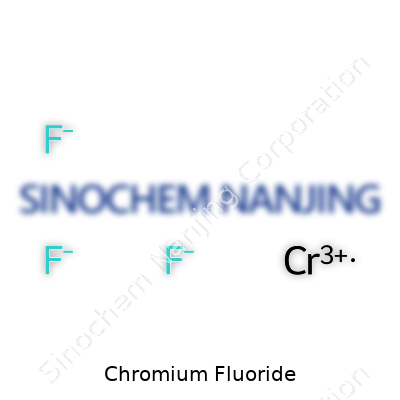
| Names | |
| Preferred IUPAC name | chromium trifluoride |
| Other names |
Chromium trifluoride Chromium(III) fluoride Chromic fluoride |
| Pronunciation | /ˈkroʊmiəm ˈflʊəˌraɪd/ |
| Identifiers | |
| CAS Number | 7788-97-8 |
| Beilstein Reference | 2397443 |
| ChEBI | CHEBI:52585 |
| ChEMBL | CHEMBL3301084 |
| ChemSpider | 13387629 |
| DrugBank | DB14297 |
| ECHA InfoCard | 03a1c07e-e4a4-496c-b090-cdfc84aa2410 |
| EC Number | 232-142-6 |
| Gmelin Reference | Gmelin Reference: 13 |
| KEGG | C18734 |
| MeSH | D002990 |
| PubChem CID | 24594 |
| RTECS number | GB6650000 |
| UNII | 3Z53Y09M13 |
| UN number | UN3260 |
| Properties | |
| Chemical formula | CrF3 |
| Molar mass | 107.990 g/mol |
| Appearance | white crystalline powder |
| Odor | Odorless |
| Density | 3.8 g/cm3 |
| Solubility in water | Slightly soluble |
| log P | -2.0 |
| Vapor pressure | Vapor pressure: 1 mm Hg (1290 °C) |
| Acidity (pKa) | ~9.5 |
| Basicity (pKb) | 10.2 |
| Magnetic susceptibility (χ) | +11000·10⁻⁶ cm³/mol |
| Refractive index (nD) | 1.43 |
| Dipole moment | 0.00 D |
| Thermochemistry | |
| Std molar entropy (S⦵298) | 128.6 J/(mol·K) |
| Std enthalpy of formation (ΔfH⦵298) | -1015 kJ/mol |
| Pharmacology | |
| ATC code | A12CR |
| Hazards | |
| Main hazards | Toxic by inhalation, ingestion, and skin absorption; causes burns; reacts violently with water. |
| GHS labelling | GHS02, GHS06 |
| Pictograms | GHS07,GHS09 |
| Signal word | Danger |
| Hazard statements | H301 + H331: Toxic if swallowed or if inhaled. |
| Precautionary statements | P261, P264, P271, P273, P280, P304+P340, P305+P351+P338, P312, P337+P313, P362, P403+P233, P405, P501 |
| Lethal dose or concentration | LD50 oral rat 186 mg/kg |
| LD50 (median dose) | LD50 (median dose): Oral-rat LD50: 208 mg/kg |
| NIOSH | KW7375000 |
| PEL (Permissible) | 0.5 mg/m3 |
| REL (Recommended) | 0.01 mg/m³ |
| IDLH (Immediate danger) | 250 mg/m3 |
| Related compounds | |
| Related compounds |
Chromium(III) chloride Chromium(III) bromide Chromium(III) oxide Chromium(III) sulfate |



