Chloromethyl Ethyl Ether: Past, Present, and Paths Forward
Bringing Chloromethyl Ethyl Ether into the Picture
People working in labs with organic chemicals can't ignore the weight of chloromethyl ethyl ether’s name. Chemists who tinker with complex molecules often rely on this compound to build new carbon frameworks, particularly through introducing chloromethyl groups to aromatic rings or other sensitive structures. This compound has played a tug-of-war role in chemical synthesis, at different times admired for its precise reactivity and loathed for the ugly dangers it brings. Standing at the intersection of innovation and risk, its story reflects the broader narrative of how science chases progress and then has to face consequences.
Tracing Back the Historical Roots
The path leading to widespread use of chloromethyl ethyl ether stretches back to the growing pains of the chemical industry in the twentieth century. Its synthesis and deployment followed in the tracks of rapid development of organic chemistry, particularly expansion of research on alkylating agents during and after the world wars. Early synthetic chemists could not anticipate modern standards for chemical safety and environmental stewardship. The compound carved out a spot in the toolkits of researchers focused on pharmaceuticals, agrochemicals, and dyes, part of a generation that valued reactivity and efficiency over long-term effects. Many of today's hard restrictions have origins in alarming toxicology studies and industrial spill stories that unfortunately came with the learning curve.
Understanding the Compound: Physical and Chemical Realities
Chloromethyl ethyl ether brings together volatility, strong chemical reactivity, and pungent odor. This colorless to pale yellow liquid boils at a relatively low temperature, making it prone to vaporization and inhalation risks. It dissolves in many organic solvents, a feature appealing for lab use but dangerous during accidents. In wet air, it hydrolyzes to release hydrochloric acid—creating risk for tissue burns and rapid corrosion. Reactivity with water makes safe storage a challenge, pushing users toward rigorous controls. Those who handle it remember the almost instant spread and harshness of its fumes—a feature that never lets users forget just what they’re working with.
Technical Aspects that Matter Most
Exacting chemists track the purity of chloromethyl ethyl ether by gas chromatography and distillation. Any traces of polychlorinated byproducts can trigger safety concerns or derail a sensitive synthesis. The specification sheets will call for minimal contamination and strict packaging requirements; most supply is sold and shipped only under strict regulations due to its toxic history. Labels on bottles warn of toxicity and carcinogenicity, urging respirators, gloves, and fume hoods every time it comes off the shelf. Laboratories adopted barcodes and tracking systems not only for inventory but to meet audits and regulatory paperwork, living proof that scientific tools can carry heavy administrative strings.
How Synthesis Works in Practice
Preparation uses deep knowledge of organic chemistry: chloromethyl ethyl ether comes from reacting ethyl ether with formaldehyde and hydrogen chloride gas. The process sometimes ends up generating its infamous cousin, bis(chloromethyl) ether, a known human carcinogen, adding another layer of risk for anyone running batch production. Only specialized teams, backed by containment engineering and emergency protocols, attempt the synthesis now. Academic and industrial labs that used to consider it routine gradually stepped back once safety and waste disposal caught up with the older chemistry.
Chemical Behavior: Opportunities and Hazards
One appeal of chloromethyl ethyl ether comes from its role as a chloromethylating agent. In the hands of skilled chemists, it attaches a chloromethyl group onto aromatic rings—a tool for building linkages in drugs or polymers that would be tricky otherwise. Its reactions run fast, often outpacing milder methods. The flip side is harshness: anything in range may get alkylated, making selectivity tough in complex mixtures. Reactivity with water, bases, and nucleophiles means every reaction must get mapped out to avoid accidental runaway or the formation of more toxic derivatives. Anyone in the lab long enough realizes that its utility gets constantly weighed against the shadows it casts over health and safety.
Name Game: What Chloromethyl Ethyl Ether Goes By
Different books reference the same compound by a handful of names: ethyl chloromethyl ether, CEE, or sometimes just “chloromethylating ether.” Cross-checking between regulatory documents and research papers can lead to confusion, as synonyms pop up from older literature and regional naming conventions. Plenty of chemists needed to pick through lists, triple-checking that what’s in the catalog matches what’s in the bottle, dodging identity mix-ups that could trigger dangerous mistakes.
Staying Safe—Not Just a Suggestion
Dealing with chloromethyl ethyl ether never feels routine. Its designation as a probable human carcinogen by leading health agencies keeps anxiety in the air. Best practice means never working alone, checking that every fume hood is certified, and that emergency eyewashes and spill kits work. Respirators and double-layer gloves aren’t just for show. Disposal follows strict hazardous waste rules—no shortcuts without risking audit failures or even criminal charges. Inspections and training sessions happen regularly, sometimes with stories and grim reminders about workers harmed in decades past. These reminders breed a culture where skipping steps is rare and every safety alert gets shared widely.
Where Chloromethyl Ethyl Ether Shaped Research
Academic and industrial research used it extensively to lay the groundwork on pharmaceuticals, especially in building intermediates used in antihistamines and certain anticancer drugs. Polyether and epoxy resin synthesis also found the compound valuable in improving properties like strength or adhesion. As rules tightened, organic chemists found alternatives and newer, milder reagents, but the lessons from using this ether left their mark on how new reagents get vetted for lab use. Looking at patent records and old pharmaceutical manufacturing processes shows how much chemistry adapted as health data emerged.
Digging into Toxicity and the Push for Alternatives
The real turning point for chloromethyl ethyl ether came when epidemiologists and toxicologists started connecting the dots between worker exposure and high cancer rates, especially respiratory and bladder cancers. Animal studies produced sobering statistics—exposure led to tumors and reproductive effects. Cleanup operations after accidental releases spurred changes, often too late for many exposed workers. These stories have become talking points for advocates pushing for “green chemistry.” Younger generations of chemists now question why earlier innovators tolerated the risks for so long and actively participate in developing safer reagents, rigorous containment, and risk assessment before adopting anything new in the lab.
Looking Toward the Future: Safer Science and Smarter Choices
Chloromethyl ethyl ether serves as a chemical turning point in modern science. Rather than an everyday tool, it now comes out only for specialized, unavoidable reactions—sometimes in tiny quantities under contract screen. Research culture thrives by moving beyond the nostalgia of "tried and true" reagents; safer substitutes and innovative reaction methods take center stage. Advances in catalysis, milder chloromethylation, and computational chemistry push forward without reopening old wounds. New generations still learn about it, not as a staple, but as a cautionary tale that progress in science comes with long-term accountability. Every discussion about its future brings a reminder: just because a reaction works doesn't mean it belongs in every toolbox. Today's research focuses on not just what chemists can do, but what they should do—using the past as a blueprint for a safer and smarter tomorrow.
What is Chloromethyl Ethyl Ether used for?
Looking Closer at Chloromethyl Ethyl Ether
Chloromethyl ethyl ether isn’t a household name. Still, chemists and people in some industries know it well. This chemical acts as both a reagent and a solvent, with a reputation for being tough to handle. Its main job shows up in the lab, where researchers and manufacturers lean on it to change molecules and build new compounds. There’s a reason many labs keep a close eye on it, and safety precautions hang heavy around its use.
Role in Making Medicines and Polymers
Pharmaceutical companies rely on careful chemistry to create new drugs. Chloromethyl ethyl ether steps up when it’s time to add or swap certain groups on a molecule. For example, chemists use it to install protective groups, called ethyl groups, onto amines or alcohols. This stops unwanted chemical changes during longer syntheses. Though it rarely works alone, its effect shows up in core-stage reactions. If you want a painkiller, an antibiotic, or even certain cancer drugs, odds are that somewhere along the line, chloromethyl ethyl ether played a part.
Polymer producers also use it to start or guide the chain reaction that makes plastics. You don’t see it in the final water bottle or toy; its work happens much earlier, making sure the right building blocks join up in the correct way. Chemists sometimes call this “alkylation,” and without it some tough plastics wouldn’t exist. Nobody talks about the hidden work of these obscure chemicals, but without them, a lot of familiar goods simply wouldn’t get made.
Health and Safety Issues
Every experienced lab worker knows this chemical as a serious health hazard. Breathing in its vapors or letting it touch your skin runs the risk of burns, chronic lung problems, and even cancer. The U.S. Occupational Safety and Health Administration (OSHA) lists it as a potential human carcinogen. Forgetting proper gloves or masks around it isn’t just a bad idea — it could leave you with real health problems later. I’ve heard stories from colleagues about reactions gone wrong, triggering evacuations and treatment. It doesn’t take much to cause trouble. This tells me that safety training and investment in proper equipment aren’t just legal boxes to check; people’s lives genuinely depend on thoughtful, careful handling.
Alternatives and Future Solutions
Some chemists now hunt for safer options. Greener chemistry grows more popular as awareness about health risks and environmental pollution spreads. Researchers have found ways to swap out dangerous chemicals for milder ones in some procedures — this helps people in the lab work safely while cutting down on environmental waste. Still, not every substitute does the same job just as well. That’s the real challenge: finding safer chemicals that still help create life-saving medicines and strong plastics.
If I see any hope here, it’s in education and investment. Making chemists more aware of the risks, giving them tools to protect themselves, and funding the hunt for new, safer chemicals carries real value. This approach doesn’t just keep labs humming — it protects people working to build a better world one molecule at a time.
Is Chloromethyl Ethyl Ether hazardous or toxic?
Getting Real About Chemical Safety
Chloromethyl ethyl ether might sound like just another name in a chemistry textbook, but anyone who spends time around laboratories and chemical plants will tell you this substance deserves respect – and a lot of caution. Exposure to dangerous chemicals is not a theory; for workers and nearby communities, the stakes are high. Based on years of safety data and the real problems reported by people who handle this compound, chloromethyl ethyl ether earns a spot on the list of the most hazardous substances you could encounter.
The Facts: Toxicity and Carcinogenic Potential
Scientists and regulators don’t throw around the word “carcinogen” lightly. Chloromethyl ethyl ether joins compounds like benzene and formaldehyde on government-watched lists for a reason. The US Environmental Protection Agency and the International Agency for Research on Cancer label it as a Group 1 carcinogen – that means there is clear human evidence linking it to cancer, especially in the lungs.
Breathing even low levels of its vapor can irritate the eyes, nose, throat, and lungs. The news only gets worse with longer exposure: studies have linked this chemical directly to aggressive forms of lung cancer, and animal studies back up the findings seen in human cases. Direct contact burns skin and damages tissue. People with long careers in environments where chloromethyl ethyl ether was handled without strong protections often report lasting respiratory issues or worse. So this is not just some lab hazard; it can change, shorten, and take lives.
Not Just an Occupational Risk
While chemical professionals face the highest risks, communities near manufacturing sites cannot afford to relax. A single mishap, like a spill or improper disposal, can send toxic vapor into the air or leach into groundwater. Once that happens, residents might face exposure without ever seeing or smelling the source. History books and court records are full of stories—Union Carbide, Love Canal, and others—where chemicals underestimated by the public turned whole neighborhoods into hotspots for cancer and chronic disease.
Why Lax Safety Puts Lives at Risk
Some employers and managers choose to downplay risks or cut corners on protective gear. I’ve seen this mindset firsthand – the “we’ve always done it this way” attitude does more harm than good. Engineering controls like fume hoods, face shields, and ventilation are not suggestions; they are the bare minimum. Regular health checks and immediate incident reporting protect not just workers but their families, who may unknowingly bring toxins home on clothing.
Government regulations exist because voluntary compliance just doesn’t cut it in real-world workplaces. Laws require strict labeling, handling procedures, and exposure limits. Inspections force compliance, but honest safety cultures start with management and training. Building a strong reporting system for near-misses, rewarding whistleblowers, and giving staff the power to shut down unsafe processes can actually save money by preventing lawsuits, lost workdays, and tragedy.
Moving Toward Solutions
Companies turning away from chloromethyl ethyl ether for less toxic alternatives often benefit both employee health and their brand image. Research into safer substitutes, closed-system manufacturing, and on-site neutralization makes a difference. Strong community relations and transparent safety records can rebuild trust after past disasters. When disasters do happen, clear emergency planning and rapid cleanup limit lasting damage.
Reading facts and government reports is part of the story, but listening to the people who live and work around these chemicals brings the reality home. Financial costs and productivity pressures can overshadow health concerns – until someone lands in the hospital or gets a life-changing diagnosis. Protecting lives means respecting warnings, investing in safer methods, and refusing to trade health for profit.
What are the storage requirements for Chloromethyl Ethyl Ether?
A Chemical with a Notorious Reputation
Chloromethyl ethyl ether brings risk wherever it goes. As someone who has worked alongside chemical storage professionals, I’ve learned that not every substance gets the same treatment. This chemical serves as a prime example where basic storage rules simply don’t cut it—real vigilance pays off. It’s classed as a probable human carcinogen and releases toxic fumes that can cause severe respiratory problems, liver damage, and even death. This is not something to handle with a casual attitude.
Temperature and Ventilation: Two Essentials
Rooms holding Chloromethyl ethyl ether stay cold and dry by design. Warm environments increase the odds of hazardous vapors building up, and a leaky roof ruined by stormwater will speed up decomposition. Emergency responders and industrial hygienists prefer ventilated spaces, but relying on open windows and cheap fans simply doesn’t provide the steady airflow that this chemical demands. Only professional-grade chemical storage units with exhaust systems work for this job; caretakers make sure air moves away from the room—and away from workers.
Protecting from Incompatible Substances
Mix-ups can cause fires or explosions in a heartbeat. Acids, bases, oxidizers, and strong reducing agents all ramp up risks if Chloromethyl ethyl ether sits anywhere near them. Segregation is more than just a checklist item; it’s a habit that prevents warehouse disasters. Industrial codes recommend concrete or cinderblock enclosures, not simple shelving or plastic lockers. Chemical-resistant flooring cuts down the chances of uptakes if something spills. After years of walking plant floors, I’ve seen far too many storage accidents that stemmed from overlooked separation.
Choosing the Right Containers
Plain glass, not metal or plastic, gets the green light here. Chloromethyl ethyl ether corrodes many common materials, especially lightweight aluminum or alloys, so using the wrong drum or canister can mean leaks that go unnoticed until symptoms hit staff. Good practice puts amber glass bottles inside sealed secondary containers, both for spill protection and vapor containment. Labels include not just the name but hazard warnings visible from a distance; most safety protocols insist on this as a daily discipline, not mere compliance.
Responding to Spillage or Leaks
Even with every precaution, unexpected accidents still pop up. Chemical handlers require respiratory gear and absorbent pads, not just gloves, since even tiny droplets can send toxins into the air. Facilities keep neutralizing agents and emergency eyewash stations within a few steps of storage. Federal OSHA guidelines spell out emergency planning because waiting for something to go wrong before acting is a gamble no responsible site manager takes.
The Bigger Picture: Accountability and Community Safety
Compliance inspectors make unannounced visits, and for good reason. Negligence affects not just workers but entire neighborhoods. In 2022, a warehouse incident in Texas led to the evacuation of hundreds when a chemical fire quickly overwhelmed a poorly ventilated room. That story underlines the importance of rigorous staff training, honest recordkeeping, and steady investment in safer storage technologies. Good storage is not just about ticking off regulations—it’s a practical way to protect lives and livelihoods.
How should Chloromethyl Ethyl Ether be handled safely?
Not Your Ordinary Chemical
Chloromethyl ethyl ether shows up in some specialized settings—mainly in chemistry labs or manufacturing facilities working with advanced synthesis. It doesn’t announce itself with wild colors or dramatic effects, but its danger comes from what you can’t see. Breathing in even a tiny amount carries a real risk. This substance causes severe irritation, damages lungs, and potentially causes cancer. The hazard is real, and it’s invisible.
Past Mistakes, Hard Lessons
It’s easy to think, “I know my way around the bench. I’ve handled dozens of other compounds.” Then a moment’s distraction turns into a splash accident or a lingering vapor that drifts along an air current. Twenty years ago, I saw a graduate student suffer serious lung damage after opening a container of another alkylating ether without proper ventilation. Chloromethyl ethyl ether demands proper respect. The stakes aren’t just rashes or headaches. It can change the course of someone’s life in minutes.
Ventilation and Containment: The First Line of Defense
Opening a bottle or setting up a reaction with this ether belongs in a certified fume hood. Fans in the ceiling or a cracked window don’t cut it. The vapor moves fast. A good hood, tested and logged regularly, gives room to work and a cross-current strong enough to trap dangerous fumes before they escape. Glove boxes, with tight seals and scrubbers, offer another option, especially for small-scale procedures.
Personal Protective Equipment: What Really Works
Regular lab coats and thin nitrile gloves won’t stand up to a spill. Double gloves, chemical-resistant aprons, and even face shields come out for this substance. Goggles that seal, not just safety glasses, block vapor contact with eyes. Tyvek sleeves and extra booties keep fabric and skin away from splashes. I’ve seen too many shortcuts with cheap gloves that left people with chemical burns or worse.
Storing It Right
Chloromethyl ethyl ether needs a cool, well-marked spot. Flammable storage cabinets with locking doors, far from heat or sunlight, work best. Every label matters—bold hazard icons and dated inventory checklists. Unmarked containers, even “temporary” ones, are a recipe for disaster. Accidents often happen when someone else assumes the bottle holds something safe.
Training and Emergency Prep
Facts show that proper training lowers accident rates with these chemicals. Regular drills mean people don't freeze up during a real spill. Spill kits with neutralizing agents, absorbent pads, and proper disposal bags need to sit near the workspace, not locked away. Eyewash stations and safety showers must stay accessible and free from clutter. Nobody should work alone with this stuff, and everyone in the lab should know where the fire alarm and exits are.
Responsible Use Starts With Respect
Safety doesn’t come from rules alone—it’s a daily choice. Lab managers and supervisors who lead by example build good habits. Routine checks, open conversations about risk, and real accountability keep everyone honest. Regulators can help by requiring up-to-date data sheets and restricting purchase to trained, licensed users. Companies should push for safer alternatives where possible, but for now, anyone who handles chloromethyl ethyl ether owes it to themselves and their team to slow down and do it right. The price of a shortcut usually comes due in pain, panic, and regret.
What are the recommended first aid measures for exposure to Chloromethyl Ethyl Ether?
Understanding the Risks
Working with chemicals like Chloromethyl Ethyl Ether brings more than one hazard to the table. This compound can irritate the eyes and lungs and carries carcinogenic properties. Accidental exposure is not something to take lightly. Having spent time near labs that run on compounds tougher than household bleach, I've seen firsthand how a quick slip-up calls for much more than simple soap and water.
Immediate Steps for Inhalation
Breathing in Chloromethyl Ethyl Ether triggers coughing, choking, or a burning feeling deep in the chest. People around need to help the exposed person out to fresh air without delay. Those helping should shield themselves with proper masks or respirators if they can access them. If the exposed person stops breathing, someone should start rescue breathing. If there's no pulse, someone trained should use CPR. Emergency medical services must be called at this point. Getting to the hospital quickly makes all the difference.
Dealing with Skin Contact
Spilling this substance on the skin can bring on redness, pain, or blisters. A shower is not a suggestion; it’s a mandate. Remove contaminated clothing fast—a process easier said than done if panic sets in. Use cool running water to rinse off every spot of chemical, scrubbing gently with soap. This rinsing needs to last at least 15 minutes. The person may need medical attention, especially if burning or blistering appears. In my own lab days, we practiced these wash-downs often, but no one truly relaxes until the medics arrive.
Treating Eye Exposure
Eye splashes create an emergency that can go downhill in seconds. Begin rinsing the eye at an eyewash station right away. Hold the eyelids open and allow water to flow over the eyeball for at least 15 minutes. Do not rub the eye, though it feels instinctual. Ask someone to call emergency services as soon as rinsing starts. The person exposed stays seated until help arrives to reduce the risk of fainting.
If Chloromethyl Ethyl Ether Is Swallowed
If someone swallows this chemical, keeping them calm matters. Don’t let them drink anything unless directed by medical professionals. Never induce vomiting—this could cause even more damage. Poison control should be your next call. Medical staff will want to know the estimated amount swallowed, their age and weight, and any symptoms. Ingestion remains rare, but every lab and workplace should set up safety plans for worst-case scenarios.
Prevention and Practical Safety
Over the years, I’ve learned the strongest safety measure includes regular training and rehearsals. Safety showers and eyewash stations must work; they should not be dusty or blocked. Every person working with Chloromethyl Ethyl Ether needs the emergency contacts and first aid steps posted where accidents might happen. Gloves, goggles, and masks stand between you and the ER; nobody regrets wearing too much PPE. Assign one team member as the safety lead for each workday. Signs of trouble—odd smells, burning eyes, or hard breathing—signal everyone to stop and check for leaks before resuming the task.
Supporting Each Other After Exposure
Everyone remembers serious chemical accidents. People struggle with shock long after the immediate threat has passed. Debrief the team, talk through what went wrong, and adapt safety rules. Include mental health check-ins; a stressful event can linger for weeks. Transparency prevents rumor mills and prepares everyone for future work.
Resources
For more detailed steps, rely on the National Institute for Occupational Safety and Health (NIOSH), OSHA, and poison control centers. They provide updated advice reflecting the latest science. In workplaces, always update safety data sheets and keep them handy for all team members.
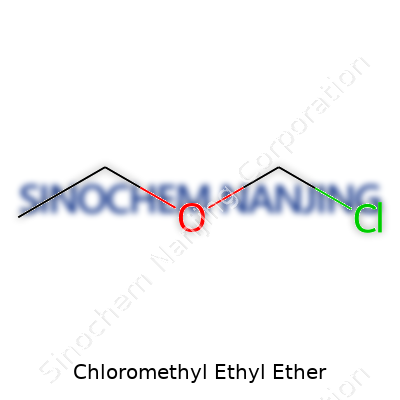
| Names | |
| Preferred IUPAC name | 1-chloroxyethane |
| Other names |
CME Ethyl chloromethyl ether 2-Chloro-1-ethoxyethane Ethylene chloromethyl ether Ethoxy(chloromethyl)ether |
| Pronunciation | /ˌklɔːrəˌmɛθɪl ˈiːθər/ |
| Identifiers | |
| CAS Number | 1004-44-4 |
| Beilstein Reference | 3587261 |
| ChEBI | CHEBI:81856 |
| ChEMBL | CHEMBL22439 |
| ChemSpider | 6349 |
| DrugBank | DB14172 |
| ECHA InfoCard | 100.005.215 |
| EC Number | 200-449-4 |
| Gmelin Reference | Gmelin 8252 |
| KEGG | C01808 |
| MeSH | D002704 |
| PubChem CID | 6361 |
| RTECS number | KJ7175000 |
| UNII | UJ9275A6X2 |
| UN number | UN1233 |
| Properties | |
| Chemical formula | C3H7ClO |
| Molar mass | 108.54 g/mol |
| Appearance | Colorless liquid |
| Odor | ether-like |
| Density | 1.008 g/cm³ |
| Solubility in water | React slowly with water |
| log P | 0.5 |
| Vapor pressure | 175 mmHg (20°C) |
| Acidity (pKa) | 15.2 |
| Basicity (pKb) | –3.6 |
| Magnetic susceptibility (χ) | -7.8e-6 cm³/mol |
| Refractive index (nD) | 1.370 |
| Viscosity | 1.543 mPa·s (at 20 °C) |
| Dipole moment | 2.10 D |
| Thermochemistry | |
| Std molar entropy (S⦵298) | 332.6 J·mol⁻¹·K⁻¹ |
| Std enthalpy of formation (ΔfH⦵298) | -95.6 kJ/mol |
| Std enthalpy of combustion (ΔcH⦵298) | -616.0 kJ/mol |
| Hazards | |
| GHS labelling | GHS02, GHS05, GHS06, GHS08 |
| Pictograms | GHS02,GHS06 |
| Signal word | Danger |
| Hazard statements | H225, H301, H311, H314, H317, H331, H351, H370 |
| Precautionary statements | P210, P260, P261, P271, P280, P301+P310, P304+P340, P305+P351+P338, P308+P311, P320, P330, P403+P233 |
| NFPA 704 (fire diamond) | 3-3-2 |
| Flash point | 6°C |
| Autoignition temperature | 228°C |
| Explosive limits | 3.4–15% |
| Lethal dose or concentration | LD50 oral (rat): 143 mg/kg |
| LD50 (median dose) | LD50 (median dose): Oral-rat LD50: 74 mg/kg |
| NIOSH | KJ0350000 |
| PEL (Permissible) | PEL (Permissible Exposure Limit) for Chloromethyl Ethyl Ether: 0.001 ppm (2.9 µg/m³) |
| REL (Recommended) | REL (Recommended Exposure Limit) for Chloromethyl Ethyl Ether: 0.001 ppm (0.005 mg/m³) as a ceiling |
| IDLH (Immediate danger) | 2 ppm |
| Related compounds | |
| Related compounds |
Bis(chloromethyl) ether Methylal Dimethoxyethane |



