Chlorobutanol Hemihydrate: More Than a Preservative
Historical Development
Chlorobutanol hemihydrate has roots that stretch back to the earliest days of synthetic chemistry in medicine. Its discovery was more a product of dogged curiosity in the late 19th century than a planned breakthrough, and it found immediate purpose thanks to its antimicrobial effects. Chemists of the time spent long days experimenting with halogenated alcohols, driven by the rising threat of contamination in medical treatments. Some of the first applications targeted injectable solutions, which often failed due to microbial growth. Healthcare settings became safer as chlorobutanol hemihydrate got accepted as a reliable, stable preservative. Since then, research papers, pharmacopeia monographs, and manufacturing handbooks have tracked its steady journey from niche use to a fixture in pharmaceutical preservation. Its lasting presence says something about its reliability and the role that persistence in research plays.
Product Overview
At its core, chlorobutanol hemihydrate functions as a chemical shield within many products: eye drops, injectable medicines, topical creams, and diagnostic reagents. Manufacturers keep coming back to it because it checks several boxes: stability, effectiveness against a spectrum of microbes, and predictable behavior in different solution types. Hospitals, clinics, and millions of patients depend on compounders who know that a touch too much or too little can offset therapeutic results. Many generics and branded injectables list chlorobutanol hemihydrate on their labels, even though its presence often stays invisible to the average user. Each batch sent to market reflects the outcome of rigorous quality control, since oversight on this level is non-negotiable when patient safety comes first.
Physical & Chemical Properties
A closer look in the lab shows a colorless to white crystalline solid, melting between 78°C and 81°C. It produces a distinct, camphor-like odor—noticeable the first time you end up working with it in a compounding room. Its chemical structure (C4H7Cl3O·0.5H2O) includes three chlorine atoms, making it both hydrophobic and, paradoxically, moderately soluble in water. Dissolution proceeds slowly and can benefit from gentle warming or stirring. Its stability across a wide pH and temperature range makes it hard to replace. The water content stabilizes the solid, and suppliers often add purity guarantees for minimum assay values above 98 percent, further supporting lot-to-lot reliability.
Technical Specifications & Labeling
Pharmacopeia standards (including USP and Ph. Eur.) layout purity, moisture content, and microbial limit thresholds. Containers must indicate the precise hydrate state, lot number, storage conditions, and expiration date. Labels in regulated contexts list not just the compound’s common name but also its chemical formula, manufacturer, country of origin, and sometimes even batch testing results. Staff handling these products rely on clear, unambiguous information to prevent dosage errors and inappropriate substitutions. Pharmacists, chemists, and quality control officers regularly evaluate certificates of analysis as part of everyday operations. Mislabeling or incomplete data can send a batch back faster than any microbial contaminant, slowing down logistics and, ultimately, treatment schedules.
Preparation Method
The classic synthesis requires the reaction of chloroform with acetone under alkaline conditions. Experience teaches that tightly controlled temperature, reaction time, and mixing make all the difference. Precision glassware, proper ventilation, and chemical-resistant gloves become necessary because of the volatility and toxicity of precursors. Yields vary depending on the catalyst concentration and how efficiently the mixture gets quenched and purified. Filtration and crystallization then yield pure chlorobutanol hemihydrate, followed by careful drying to ensure proper hydration. Lessons learned over decades point to the importance of small adjustments: stirring speeds, order of reagent addition, and purity of starting materials. Sloppy technique reduces yields and purity, multiplying waste costs. Modern plants use process automation and in-situ monitoring, but compounding pharmacies and academic labs still rely on well-trained hands.
Chemical Reactions & Modifications
Chlorobutanol hemihydrate excels in stability, but it doesn’t sit idle in all conditions. Exposure to strong acids or bases pushes it toward decomposition, sometimes forming chloroform and hydrochloric acid, especially when heated. Under ultraviolet light, photodegradation can generate toxic byproducts, an outcome that emphasizes careful packaging and storage. Researchers seeking new antimicrobial agents or less toxic analogues modify the compound by swaps or substitutions at its alcoholic or halogenated sites, but most variations mean trade-offs in stability or cost. Combination with other excipients and stabilizers remains common, trying to broaden compatibility without inviting new risks or reducing the preservative effect. Anyone attempting modifications faces a stack of regulatory and safety screening before anything reaches market scale.
Synonyms & Product Names
Pharmacists and chemists encounter names like 1,1,1-Trichloro-2-methyl-2-propanol, Chlorbutol, and Trichloro-2-methylpropanol among others. Trade names appear in compounding catalogs, generic drug monographs, and safety data sheets. Despite the multiple synonyms, industry policy demands explicit labeling to avoid confusion and double-check compatibility across international markets. Hospitals and manufacturing sites sometimes still run into communication gaps when one supplier refers to “chlorbutol” and another uses “chlorobutanol hemihydrate,” but product codes and catalog numbers usually clear up any ambiguity. IT systems in modern supply chains use these cross-references to keep stockrooms running smoothly.
Safety & Operational Standards
Raw material handlers learn quickly that exposure limits exist for good reason. Chlorobutanol hemihydrate irritates skin, eyes, and respiratory systems, though acute toxicity for trained professionals remains rare with standard PPE. I recall an incident where a misplaced scoop clouded a prep room with vapor, underlining the need for fitted fume hoods. Material Safety Data Sheets (SDS) detail first aid protocols and disposal instructions—details reinforced in every training session. Storage in cool, dry conditions keeps potency high and spoilage low. Regulatory inspectors expect up-to-date SOPs for weighing, transfer, and cleaning, with clear logs for environmental monitoring. Staff participation in regular drills keeps error rates low, making real accidents far less likely.
Application Area
Its role in ophthalmic formulations stands out. Most over-the-counter and prescription eye drops use chlorobutanol hemihydrate as a frontline preservative because bacteria thrive in multi-dose containers. Hospitals stock intravenous medication vials that list this additive, using it to maintain sterility during repeated withdrawals. Topical creams and antiseptic solutions keep longer in medicine cabinets, cutting down on waste and ensuring patient access during shortages. Diagnostic kits, especially those for microbiology, depend on this preservative to prevent false positives from environmental contamination. Each application area balances concentration against irritation risk—the art of compounding is about precision, not just science.
Research & Development
Research communities keep evaluating the optimal dosing and alternatives that balance safety with antimicrobial effectiveness. Several teams investigate structural tweaks aimed at minimizing toxicity and improving compatibility with modern delivery systems like smart injectables and dissolving ocular films. In the lab, improved analytical methods such as HPLC and mass spectrometry help confirm both content and purity. Global efforts continue tracking microbial resistance trends: as bacteria learn to circumvent traditional preservatives, regular updates to guidelines protect public health. Partnerships between universities, contract research organizations, and the pharmaceutical industry generate novel delivery systems, though any improvement must undergo long-term safety and stability testing before regulators sign off.
Toxicity Research
Published data point to a relatively low risk at approved pharmaceutical concentrations, but toxicity spikes when exposure exceeds therapeutic levels or occurs over extended periods. Animal studies show effects on central nervous and hepatic systems at large doses. Case evidence collected over decades links rare allergic reactions to improper dosing in sensitive patients, mostly in topical or ophthalmic use. Regulatory agencies such as FDA and EMA call for strict adherence to concentration limits and ongoing post-market surveillance. Reproductive and developmental studies receive continual updates, keeping the safety profile current with changes in usage patterns and patient populations. Team members in academic toxicology labs keep these records active, ensuring new warning labels reflect any shift in known risks.
Future Prospects
Chlorobutanol hemihydrate keeps its place among legacy preservatives by adapting to technological and regulatory changes. Advances such as smart packaging, low-dose delivery, and antimicrobial coatings test the limits of older compounds but also invite integration with time-tested chemicals. Research around antimicrobial stewardship keeps the heat on—reducing unnecessary preservative use and favoring lower concentrations whenever possible. With growing scrutiny on environmental toxicity, waste minimization strategies and greener synthesis routes gain momentum in R&D budgets. Stronger partnerships between regulators, manufacturers, and academic scientists could phase out outdated practices and promote innovations in both synthesis and delivery, offering hope for safer, more sustainable preservative options tomorrow.
What is Chlorobutanol Hemihydrate used for?
A Staple in Preserving Medicines
Ask any pharmacist about old-school preservatives, and chlorobutanol hemihydrate will come up. Tracing its roots back over a hundred years, this chemical pops up most often in eye drops, injectable medicines, and topical ointments. The reason for this relies on its knack for keeping bacteria and fungi from turning these products into petri dishes. Without it, contamination ruins more than just a bottle of medicine — spoiled medicine often means serious health risks. Hospital staff and pharmacists count on chlorobutanol because it works without needing a big dose or complex storage conditions.
Behind the Label: What Makes It Reliable?
My years working in a busy pharmacy taught me the value of trusting what’s behind the medicines on our shelves. Chlorobutanol hemihydrate carries a reasonable safety profile when used at low concentrations, making it useful across a range of formulations. In eye care, the tiny volume of the product doesn’t leave room for microbes; that’s where this preservative makes a difference. Chlorobutanol’s low toxicity and ability to blend in without changing the product’s feel or performance give it a practical edge.
Beyond the Pharmacy
This isn’t just a matter for pharmacists. Dentists often use rinses or anesthetics stabilized with chlorobutanol hemihydrate. Without preservatives, infections from contaminated rinses create a bigger headache than a cavity ever could. Even the world of personal care can’t ignore this chemical. Certain lotions and skin creams keep longer on store shelves thanks to this same ingredient.
The Fine Print: Safety and Environmental Concerns
No chemical comes without a debate about safety. Long-term use or swallowing products loaded with chlorobutanol has caused side effects like skin irritation, headaches, or heart effects, especially at high doses. I’ve seen overenthusiastic shoppers overlook warnings and wonder why their skin feels different after using certain creams. Manufacturers face the challenge of delivering the benefits of preservation without overdoing the dose.
Research into biodegradable preservatives pushes the industry in a safer, greener direction. Regulatory bodies like the FDA and EMA watch the levels of preservatives such as chlorobutanol. They challenge companies to review ingredient lists and align with both health and environmental goals. Recently, medical waste and water pollution studies have put this chemical under the microscope. That’s forced more honest conversations about how many synthetic preservatives need to stay in regular products.
What Could Change?
People want more transparency and fewer unnecessary chemicals in what they use. Companies relying on chlorobutanol hemihydrate face pressure to prove it’s truly necessary. Natural product stores and clean-label advocates push alternatives such as grapefruit seed extract or new synthetic blends with a lighter footprint. Scientists work on better testing to spot even tiny traces in water sources. As a result, new preservatives might one day edge out classics like chlorobutanol, but replacing something tried-and-true takes solid evidence, not just marketing claims.
Looking Forward
As someone who’s watched regulations change over the years, I know standards only get tougher. The line between effective preservation and overexposure stays thin. Consumer education and honest labeling matter—people should know why a medicine or cream lasts, and what goes into keeping it that way. Chlorobutanol hemihydrate brings real value, but better technology and research never hurt in updating old solutions for modern life.
What are the storage conditions for Chlorobutanol Hemihydrate?
Keeping It Cool and Dry: The Basics Aren’t Optional
Chlorobutanol hemihydrate doesn’t ask for much on the surface, but getting its storage right solves a long list of headaches. This compound finds its way into lots of products as a preservative—think pharmaceuticals, ointments, even some eye drops. Temperatures, light exposure, and moisture all make a big difference in how well it stands up over time. In pharmacies and labs I've worked with, someone always sets up a dry, well-ventilated shelf away from sunlight for this exact reason.
Dryness cuts down on clumping, which can happen if the chemical pulls in water from the air. Too much humidity and you end up with sticky, degraded powder. That means losing effectiveness or risking failures in whatever product it’s supposed to protect. Keeping things at around 25°C (77°F), with humidity under control, usually covers the basics. Refrigeration helps for longer storage, but freezing often creates its own set of issues—caking, and sometimes uneven thawing. Sticking with a temperature range between 15°C and 30°C keeps things predictable.
Why the Right Container Changes Everything
Most of the trouble I’ve seen starts with the wrong choice of container. Chlorobutanol hemihydrate likes to pull moisture out of the air, so regular plastic bags or paper containers won’t cut it. Airtight bottles made from amber glass keep both light and moisture out. Polyethylene bottles work fine if stored away from direct sunlight. Clear jars or loosely closed lids create paths for light and air, leading to breakdown and contamination. That means inaccurate dosing or worse, ruined product.
No Room for “Almost Clean” Storage Spaces
It’s easy to underestimate how much regular dust and room air impact chemical storage. Contamination isn’t always visible at first. Over time, even trace amounts of unexpected substances in the air can kick-start chemical changes. When I store small batches in a lab, I clean and label every spot and seal everything up tight, using silica gel packets to keep moisture low. Staff in many pharmacies do the same because anything less leads to mistakes in compounding and risks for patients.
Packing, Labeling, and Checking Expiry Dates—Every Time
Freshness counts just as much as proper environment. Every container should list the date of receipt and an assigned expiry date. It’s always tempting to grab whatever container looks full, but that shortcut usually ends up costing more in the long run. In my experience, you can’t trust a label unless you check it—many recalls have started because someone ignored a faded or missing date.
Double-checking inventory and rotating stock helps. Once the expiration window closes, the chemical’s not reliable. Using up older stock first, throwing out questionable powder, and keeping careful logs all cut down on waste and keep people safe. Chemistry isn’t forgiving with old ingredients.
Looking for Solutions: Automation and Ongoing Training
Small improvements add up fast. Using electronic humidity trackers flags problems early. Locking storage areas and limiting access prevents cross-contamination. Regular in-house training—for both experienced techs and new arrivals—keeps everyone sharp and up-to-date on handling specifics. Learning from mistakes, staying alert to regulatory changes, and sharing stories from real cases go further than memorizing rulebooks.
No chemical stays stable on its own. Getting storage right for chlorobutanol hemihydrate means less risk, fewer delays, and products that do their job. That’s what matters to anyone relying on pharmaceuticals and medical products for their health.
Is Chlorobutanol Hemihydrate safe for human use?
What Is Chlorobutanol Hemihydrate?
Chlorobutanol Hemihydrate pops up quite a bit in the pharmacy world. You find it in eye drops, creams, and some injectable medicines. Its main role is as a preservative, keeping bacteria and fungi from growing where they shouldn't. Anyone who has ever used a bottle of eye drops that sits around for weeks may already owe some relief to this little chemical.
Why Safety Questions Come Up
Chemicals in our everyday products spark debate for good reason. Today, quality and safety are under more scrutiny than ever. The questions about this ingredient boil down to two main points: toxicity and how the body processes it. People have concerns about what happens if you absorb too much through your skin or get exposed repeatedly.
Living with asthma and sensitive skin, I'm usually wary about preservatives and fragrances. Over years of using medicated creams and eye drops, I grew familiar with how quickly preservatives can bother people. In some rare cases, folks do react to chlorobutanol with irritation or allergy.
Examining Toxicity and Regulations
Lab tests show chlorobutanol at high doses acts as a depressant on the nervous system. This effect led to its reputation as a sedative decades ago. At the tiny levels used in medical products, the chemical doesn’t come close to those doses. Agencies like the FDA and European Medicines Agency watch ingredients like this closely. Their public records show that chlorobutanol remains approved as a preservative in certain formulations, provided companies stick to strict concentration limits. Most eye drops and creams carry about 0.5% or less.
Doctors expect that swallowing or injecting large amounts would cause real problems, from drowsiness and confusion to breathing issues. In the United States, poison control centers handle household accidents involving medicines practically every day, but you rarely see emergencies tied to this chemical at the permitted strengths.
Long-Term Effects and Current Use
Long-term safety always gets a hard look. Modern reviews track whether folks using it for years in eye products show higher rates of harm. Most published data say no. Still, some experts urge drug companies to look for alternatives, especially for those who use these products daily or have allergic histories.
Older adults, children, and people with chronic conditions should always check with a doctor before trying new medicated products. Some skin and mucous membrane reactions pop up among folks with multiple allergies or eczema.
Looking Ahead: Alternatives and Advice
Healthcare keeps moving toward products with fewer preservatives, especially for sensitive groups. Single-use eye drop vials and preservative-free creams have become more popular over the past decade. These options help people avoid unnecessary exposure even further.
For now, chlorobutanol hemihydrate stays on the list of approved additives in regulated concentrations. Reading product labels and discussing any history of allergies with a healthcare provider helps reduce risk even more. Awareness and stricter reporting keep both patients and science moving in a safer direction.
What is the shelf life of Chlorobutanol Hemihydrate?
Understanding Expiry in Everyday Terms
Chlorobutanol hemihydrate pops up in a lot of hospital and pharmacy settings. Whether it’s sitting in a bottle of eye drops or holding down the preservative front in injectables, its staying power becomes a big question—not just for scientists but for patients and caregivers, too. If you’ve ever wondered why a bottle in your medicine cabinet has an expiration date stamped across the label, this preservative gives a good example.
What the Science Tells Us
Straight from the chemistry side of things, manufacturers and regulators agree that chlorobutanol hemihydrate holds up around 24 to 36 months under cool, dry storage. University lab testing and published reference sources like the United States Pharmacopeia back up these numbers. Start skipping the basics—like keeping the container tightly sealed and away from heat or sunlight—and shelf life runs shorter.
Inside drug or cosmetic products, things get complicated fast. Mixing several ingredients, a liquid base, or even opening the package regularly—every one of those moves chips away at the original shelf life. Pharmacies and hospitals often err on the side of caution, setting shorter expiry limits to protect patients from breakdown products or loss of preservative power. Chlorobutanol degrades over time into hydrochloric acid and other side products, especially when moisture and high temperature come into play. Safety and effectiveness then dip below what anyone would want in a bottle of eye drops for a newborn or an injection for an immune-compromised patient.
Real-World Impacts
Shelf life goes well beyond a line on a spreadsheet or a check for compliance. A nurse grabbing a vial in the early morning hours doesn't have time to puzzle over chemistry. If chlorobutanol hemihydrate drops below its intended threshold, bacteria might slip in. The odds of contamination spike, whether on a hospital tray or a home bathroom shelf.
Nobody wants a medicine cabinet full of products that stopped doing their job. Patients end up back at the pharmacy, clinics waste money tossing expired stock, and risks sneak in for those who ignore expiry dates or don't know better. In smaller clinics or in low-resource settings, the margin for error shrinks even more. Every day past the reliable shelf life means one more chance for things to go wrong.
Supporting Safe Use and Storage
Whoever works with chlorobutanol hemihydrate—pharmacists, manufacturers, caregivers—faces a shared challenge in education and safety. Clear labeling and handbook reminders matter. So does staff training in clinics and pharmacies, so old stock rotates out before safety drops.
Manufacturers keep working on more stable formulations and better packages that limit light and moisture. Some switch to single-use options, cutting the risk of contamination each time a vial gets opened. Though these advances add costs up front, the payoff comes in reliability and trust for every dose.
Regulators still set the bar. Independent testing labs and official references such as the USP help confirm that every batch keeps its potency from factory to pharmacy shelf—no guesswork. When those standards slip, headlines follow, with recalls or product warnings.
What It Means for All of Us
Taking shelf life seriously means fewer medical mistakes and more consistent care. People rely on these products to stay safe from infection and to work as intended. Paying attention to how chlorobutanol hemihydrate behaves over time doesn’t just support the science—it supports everyone who puts their health on the line when they open a bottle.
Are there any side effects or precautions associated with Chlorobutanol Hemihydrate?
Understanding What’s in the Bottle
Chlorobutanol Hemihydrate finds its way into more places than you’d expect. It’s common in eye drops, skin creams, and sometimes even as a preservative in vaccines. Most people don’t scan the fine print, but this chemical has been around for decades and it keeps things from going bad. Still, just because something is tried and true doesn’t mean it’s all smooth sailing.
What Happens If You Use Too Much?
Small doses tend to play it safe. The trouble usually starts with larger amounts or prolonged use. There are cases where people have had skin irritation or rashes after using a cream that contains chlorobutanol. I’ve seen folks toss out a supposedly “gentle” eye wash because their eyes became red or stung after two days of treatment. For them, stopping it did the trick, but some had to use antihistamines for relief. Even inhaling the vapors by mistake can lead to headaches or a little nausea, not something anybody signs up for willingly.
What Makes Some People React?
Looking at reports, folks with allergies or sensitive skin seem to take the biggest hit. If you already know your skin breaks out easily, always check ingredient labels. My neighbor, who’s dealt with eczema most of her life, notices her flare-ups get worse from certain creams and after some trial and error, chlorobutanol proved to be the trigger. Similar problems have surfaced among people prone to asthma—vapors from poorly ventilated labs or during production have set off attacks. There’s a reason safety data sheets recommend masks and gloves in workplaces using chlorobutanol.
Inside the Body: Not Just Skin Deep
Swallowing chlorobutanol, which happens by accident with children and pets sometimes, brings higher risks. Symptoms can run from drowsiness to more serious problems like difficulty breathing or even a slow heart rate. Some poison control centers report confusion and coordination problems in severe cases. Most adults probably don’t have to worry about this happening unless something goes terribly wrong in production, but families with curious toddlers should double-check what’s within reach.
Why Doctors Stay Cautious
Doctors usually keep solutions with chlorobutanol locked down, especially for infants and pregnant people, since the long-term effects haven’t been studied enough. There’s a practical reason why you rarely see this ingredient in children’s products or anything used during pregnancy. Just a little extra caution can avoid a world of trouble. The World Health Organization and FDA both mention safe exposure levels but suggest that less is better whenever possible—the science supports minimizing unnecessary chemical exposure as a rule.
Safe Use Isn’t Just a Technicality
At the pharmacy, pharmacists remind customers not to use old or opened bottles of eye drops or skin products, since bacteria can sneak in once chlorobutanol loses its punch over time. Some manufacturers pull products before their actual expiry date because the preservative may not last. Storing products properly, away from heat, helps slow down that breakdown. It’s smart to read expiration dates because expired medicine won’t protect you from infections, and degraded chlorobutanol might add to the risk.
What Makes the Difference?
For those handling large amounts in labs or production lines, using gloves and working in well-ventilated spaces lowers exposure risks. At home, watch for allergies, and don’t keep products around forever. If you notice redness, itching, or a strange smell, toss the product out. People who do a little homework before using anything new—from creams to drops—end up with fewer regrets. Most everyday products with chlorobutanol cause no problems if used responsibly, but paying attention to your body’s reaction matters more than any promise on a label. Real-world experience, reports from poison control, and health data don’t lie: respect the risks, and you’ll most likely stay in the clear.
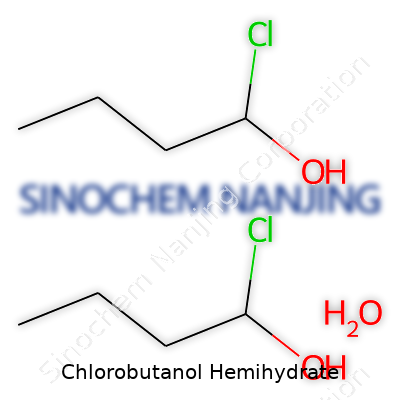
| Names | |
| Preferred IUPAC name | 1,1,1-Trichloro-2-methylpropan-2-ol hemihydrate |
| Other names |
Chlorbutol Hemihydrate Chlorbutanol Hemihydrate 1,1,1-Trichloro-2-methyl-2-propanol hemihydrate |
| Pronunciation | /klɔːr.oʊˈbjuː.tə.nɒl ˌhɛmiˈhaɪdreɪt/ |
| Identifiers | |
| CAS Number | 107-59-5 |
| Beilstein Reference | 87258 |
| ChEBI | CHEBI:87323 |
| ChEMBL | CHEMBL2104937 |
| ChemSpider | 23407 |
| DrugBank | DB06725 |
| ECHA InfoCard | 100.011.144 |
| EC Number | 200-952-4 |
| Gmelin Reference | 8427 |
| KEGG | C07155 |
| MeSH | D002701 |
| PubChem CID | 6603853 |
| RTECS number | FS3150000 |
| UNII | F4P6VV5384 |
| UN number | UN2810 |
| CompTox Dashboard (EPA) | DTXSID7013497 |
| Properties | |
| Chemical formula | C4H7Cl3O·0.5H2O |
| Molar mass | 208.57 g/mol |
| Appearance | White crystalline powder |
| Odor | Characteristic odor |
| Density | 0.980 g/cm3 |
| Solubility in water | Soluble in water |
| log P | 2.57 |
| Vapor pressure | 0.0077 hPa at 25 °C |
| Acidity (pKa) | 15.2 |
| Basicity (pKb) | 4.60 |
| Magnetic susceptibility (χ) | -7.2e-6 cm³/mol |
| Refractive index (nD) | 1.521 |
| Viscosity | Viscous liquid |
| Dipole moment | 1.8470 D |
| Thermochemistry | |
| Std molar entropy (S⦵298) | 364.4 J·mol⁻¹·K⁻¹ |
| Std enthalpy of formation (ΔfH⦵298) | -920.46 kJ/mol |
| Std enthalpy of combustion (ΔcH⦵298) | -4942 kJ/mol |
| Pharmacology | |
| ATC code | N01AX03 |
| Hazards | |
| Main hazards | Harmful if swallowed, causes serious eye irritation, may cause respiratory irritation. |
| GHS labelling | GHS02, GHS07 |
| Pictograms | GHS06,GHS07 |
| Signal word | Warning |
| Hazard statements | Causes skin irritation. Causes serious eye irritation. Harmful if swallowed. May cause respiratory irritation. |
| Precautionary statements | P264, P270, P301+P312, P330, P501 |
| NFPA 704 (fire diamond) | 1-2-0 |
| Flash point | 75 °C (closed cup) |
| Autoignition temperature | > 270 °C |
| Lethal dose or concentration | LD50 Rat oral 2,606 mg/kg |
| LD50 (median dose) | LD50 (oral, rat): 450 mg/kg |
| NIOSH | Not established |
| PEL (Permissible) | PEL (Permissible exposure limit) for Chlorobutanol Hemihydrate: Not established |
| REL (Recommended) | 5 mg/m³ |
| IDLH (Immediate danger) | Not listed |
| Related compounds | |
| Related compounds |
Chloral hydrate Chloroform Butanol Trichloroethanol |



