Calcium Hypochlorite: A Look at Its Journey, Uses, and Challenges
A Brief Tour of Calcium Hypochlorite’s History
Calcium hypochlorite’s story stretches back to the early nineteenth century when scientists started poking into the possibilities of chlorine compounds for water cleaning. The earliest records show its use in disinfecting everything from hospital spaces to drinking water, cutting dramatically the number of outbreaks tied to contaminated water. Folks working in public health practically built campaigns around this chalky substance, leveraging its effect on typhoid and cholera. Through the years, the process of producing calcium hypochlorite became more refined, shifting from crude blending of lime and chlorine gas to more controlled, industrial methods. As populations boomed in cities, the demand for effective water sanitizers went up, and calcium hypochlorite stepped forward, playing an outsized role in public safety.
What Sets Calcium Hypochlorite Apart
People know calcium hypochlorite by its trade names — pool shock, bleaching powder, chlorinated lime. It stands out as a solid material, usually powdery or granulated, distinct from its more troublesome liquid cousin, sodium hypochlorite. If you open a bucket of pool shock, the sharp chlorine scent tells you right away: this stuff means business. The chemical structure, written as Ca(OCl)2, keeps things relatively stable during transport and storage compared to other chlorine compounds. This stability, along with a high percentage of available chlorine, makes it a go-to for folks needing to keep pathogens in check. Over the years, users learned how this compound keeps working even in hot, humid places — a blessing for folks in tropical regions fighting harmful microbes in drinking water and swimming pools.
Digging Into Chemistry and Technical Details
Calcium hypochlorite appears white or grayish, gritty to touch, and packs a solid punch in the oxidation department. Its odor tells you it contains active chlorine, usually between 65% and 70%. Structurally, it’s a double salt with calcium chloride and calcium hydroxide often riding along as impurities. This mixture helps it hold up on the shelf but also builds the reasons for careful storage. Its solubility in water runs moderate, forming a cloudy, highly alkaline and strongly oxidizing solution that can go after bacteria, algae, and slime with single-minded determination. Technical standards require careful control of moisture, particle size, and chlorine content, but the real challenge comes from keeping the material dry and away from acids or organic matter. Mixing moisture with this compound produces heat and releases chlorine gas — a spark for accidents in both home garages and factory floors.
How Calcium Hypochlorite Is Made — And Why Preparation Matters
Production at scale usually starts by reacting hydrated lime with chlorine gas under controlled conditions. Workers add chlorine to a slurry of calcium hydroxide, watching closely to prevent overheating or runaway reactions. This process spews off several byproducts — everything from calcium chloride to a little unreacted lime — requiring extra steps to purify and standardize the product. Modern plants have to wrangle with environmental regulations on chlorine emissions, dust, and contaminated waste. If you’ve ever worked near a chemical plant, that tickle in your throat after a wind shift tells you how demanding it is to balance efficiency and safety. Future production technology might lean on closed systems and dust suppression to guard both workers and communities.
Chemical Reactions and Modifications
Add calcium hypochlorite to water, and it cranks out hypochlorous acid and calcium hydroxide. Hypochlorous acid goes straight to breaking down and oxidizing organic gunk or pathogens. Under warm conditions, it loses strength faster; sunlight speeds up breakdown to oxygen, chloride, and various byproducts. Mix it with acids, and it smokes up toxic chlorine gas — a short route to trouble for the untrained or unwary. Chemical engineers tinker with formulations, stabilizing the powder for harsh climates, or cutting dust generation in bulk packaging. Research has also looked into blending with stabilizers to slow down chlorine loss during storage, but these tweaks come with added costs and often trade convenience for shelf life.
Synonyms and Product Names: Changing Faces, Same Function
Whether folks call it bleaching powder, pool shock, or chlorinated lime, they’re reaching for the same core chemical under a range of brand labels. A surprising number of synonyms pop up in textbooks: calcium oxychloride, calcium chlorohypochlorite, and granulated chlorine are just a few. These names often reflect regional traditions, regulatory quirks, or marketing aims. For public health and safety workers, the important point involves recognizing that various names on labels can hide the same potent, reactive substance.
Meeting Safety and Operational Expectations
Anyone handling calcium hypochlorite faces a buffet of safety headaches. The biggest problems start with moisture and heat, since just a little water or friction ramps up decomposition and chlorine release. I’ve seen folks in swim clubs and rural clinics learn the hard way — improper storage can turn bulk product into a volatile mess, or even lead to fires when mixed with oils, acids, or organic scraps. Regulators require special bins, secured lids, and labeling that screams “oxidizer.” Training sits at the center of safe use: users get coached to keep it away from combustibles, check expiration dates, and store away from sunlight or rain leaks. For those moving barrels and sacks in warehouses, personal protective equipment means more than checking a box — it means shielding eyes, skin, and lungs from a single accident that could change a worker’s life.
Field Applications: More Than Just Pools
Swimmers and pool owners recognize calcium hypochlorite as their main defense against murky, unsafe water. Yet its uses stretch a long way beyond backyard pools. Emergency response teams use this compound to disinfect water supplies following floods and storms, often in areas where clean water runs scarce. Public utilities dose municipal supplies, rural clinics clean jugs and storage tanks, and food processors disinfect equipment to stop microbial outbreaks. Even in post-disaster zones, volunteers and health workers bring in drums and buckets to mix up chlorine solutions for handwashing stations and temporary kitchens. Over half the world’s population relies, at least part of the year, on some mixture made with calcium hypochlorite for microbiological control. While more advanced systems take over in big cities, this powder remains a lifeline in developing regions with little access to high-end technology.
Research Horizons and Development Tracks
Academic labs and industrial teams push the boundaries of what calcium hypochlorite can do. Researchers look at how to stabilize the compound against heat and humidity, examine more efficient production routes, and map its reaction byproducts for environmental risk assessment. Recent papers probe its performance against emerging pathogens, asking whether tweaks in formulation might boost effectiveness or reduce unwanted residues. Some try to engineer granular forms that resist caking or dusting, making handling safer for everyone from market vendors to municipal engineers. Others focus on reducing emissions or byproducts during production, aiming to meet tighter environmental regulations. Global development agencies often support studies on smaller, community-scale disinfection kits, which rely on calcium hypochlorite for ease of use and broad applicability.
Toxicity: Keeping Risks Front and Center
No discussion feels complete without covering toxicity. The hazards of calcium hypochlorite stretch from acute chlorine exposure to longer-term worries over chemical byproducts. Stories from the field tell how easy it is for careless mixing to end in breathing trouble or skin burns. Long-term studies dive into the byproducts that follow routine water disinfection: certain chlorinated organics can show up in finished water under specific conditions, sometimes raising red flags for chronic exposure. Yet public health experts point to balancing risks — disinfected water has saved millions of lives, and most documented byproducts fall within regulatory limits when treatment follows best practices. Training and public information campaigns help users understand where dangers lie and how to keep themselves and the environment safe.
Looking Down the Road: Future Prospects for Calcium Hypochlorite
With global urbanization on the rise and waterborne illness still a looming threat in many regions, the role of calcium hypochlorite appears secure. Innovation will likely focus on safer forms, better packaging, and formulations less prone to breakdown in hot or damp environments. Environmental pressures may push for lower-dust products, more biodegradable byproducts, or hybrid systems that combine this chemical with newer tech. As more communities wrestle with water stress and deteriorating infrastructure, simple, reliable disinfectants like calcium hypochlorite are poised to play an even bigger part, so long as training, oversight, and research keep pace. Building a safer, smarter system doesn’t mean reinventing the wheel — it means getting the basics right and adapting along with the science.
What is Calcium Hypochlorite used for?
Getting Down to the Basics
Calcium hypochlorite often finds itself front-and-center in the world of water treatment. Simple, effective, and powerful—this is the white powder or tablet that keeps pools blue and drinking water safe. Most folks have splashed in pools that owe their sparkle to this chemical. Walking by a public pool, there’s a familiar sharp aroma in the air—that’s calcium hypochlorite at work, killing off bacteria and making the water safe for everyone. Even off the diving board, its impact reaches far beyond pool fences.
Pools, Parks, and Potable Water
Behind every clear pool is a story of prevention. Bacteria like E. coli and cryptosporidium lurk where warmth and humidity meet. A swim in untreated water can bring stomach cramps or worse. Calcium hypochlorite punches above its weight, blowing out germs before anyone catches a bug. It’s so trusted that health guidelines across the United States recommend its use for regular pool shock treatments.
The need goes up after heavy pool use, storms, or outbreaks. At these times, managers might double up on treatments. Years ago, after a spike in pool-related illnesses, pools that switched to a consistent calcium hypochlorite schedule saw a steep drop in complaints about upset stomachs and skin rashes. This transition made a big difference for community health, especially for families with young kids—always the first to catch and carry anything nasty.
Safe Drinking Water—Beyond the Pool Gate
Remote rural towns and emergency shelters often face the impossible choice between dirty water and no water. Portable water purification kits, handed out by relief organizations, rely heavily on calcium hypochlorite as the active ingredient. After Hurricane Katrina, aid workers set up temporary tanks and made tap water safe again by mixing in careful amounts of the compound. Without it, thousands could have faced cholera, dysentery, or even worse. The Centers for Disease Control and Prevention points to calcium hypochlorite as one of the most reliable ways to disinfect water quickly and affordably. A small tub of powder can treat thousands of gallons, turning river water from a risk into a life-saver.
Behind the Counter, On the Shelf
It’s not just pool staff or emergency managers who reach for these white granules. Homeowners use calcium hypochlorite to treat well water, keep livestock tanks fresh, and prevent harmful algae from spreading. In my own backyard, after a summer storm knocked out our well system, I followed the same directions found in disaster guides: dissolve a spoonful in a bucket of water and run it through the pipes. The chlorine taste lingered a day, but everyone stayed healthy.
Staying Safe—and Looking Ahead
Calcium hypochlorite works best in skilled hands. Dose matters. A little too much, and swimmers complain of burning eyes; too little and bacteria make their move. Training helps, but labels and community outreach do even more. Stores began providing clearer dosing charts, and pool supply chains started offering customer workshops. This has brought mistakes down and health complaints with them.
Looking ahead, staying informed makes all the difference. As climate shifts put more strain on clean water access, calcium hypochlorite will become even more important. Families, first responders, and facility managers will need clear guidance and steady supply. Smart policy and good consumer education take this humble white powder from the storeroom to the frontline, fighting disease before it has a chance to spread.
How should Calcium Hypochlorite be stored safely?
Why Storage Matters
Calcium hypochlorite helps keep our pools clean and drinking water safe. Its value can't be denied, but mishandling it has serious consequences. I once spoke with a local pool manager who learned this lesson the hard way; a small spill mixed with rainwater led to noxious fumes and an emergency evacuation. Stories like his stick with you, highlighting the need for real attention to storage practices—not just rules in a binder.
The Risks We Don’t Always See
Leave a pail of calcium hypochlorite out in humid or hot weather, and it can react with moisture to release chlorine gas. Mix it—even by accident—with an acid or fuel, and it might trigger a fire. The US Chemical Safety Board has dozens of reports about facility fires and injuries traced back to poor storage, so this isn't a rare fluke. It’s an everyday weakness in many workplaces, from small pool sheds to municipal water plants.
Safe Environments Start With Simple Choices
Keep containers tightly closed. Store them in a dry, cool, well-ventilated space—a locked cabinet in a separate shed works well. Never store it near combustibles like paper, wood, gasoline, or even cleaning rags. Never stack containers higher than recommended; a toppling drum risks a spill, and cleanup may involve more than just a mop. Every spill response pulls people from their work, and in some situations, the fire department ends up involved. Simple discipline—returning the lid after each use, or checking for leaks—makes real difference.
Clear Labels and Training
I’ve visited facilities where labels were faded, containers mixed together, and nobody seemed sure which powder was which. One wrong guess could trigger a disaster. Containers should show clear chemical names and hazard information. Training matters—new hires should practice safe handling and understand the reasons behind each rule. The best-run places always hold regular safety drills, including simulated chemical spills, and review how storage areas get inspected. Mistakes get corrected early, not after an incident.
Avoiding Accidental Mixing
Don’t use the same scoop or measure for other chemicals. If calcium hypochlorite dust sneaks into the lid of another drum, especially one with an acid, things might heat up fast. Assign clear, color-coded tools for each chemical. Employees should be confident about what’s inside each drum before opening it. I’ve worked on teams where a few minutes extra care paid off many times by avoiding scary close calls.
Knowledge and Common Sense Go Hand in Hand
Complacency grows when nothing has gone wrong for a while, but it’s exactly this attitude that leads to slip-ups. Managers must foster a culture that welcomes questions and urges people to err on the side of caution. Clear protocols backed by everyday common sense stop most accidents before they start. In my experience, having a clearly marked eye wash station close to storage areas also gives people peace of mind, knowing help is never far in case of a surprise splash or fume.
Regulation Is the Floor, Not the Ceiling
Government rules, like those from OSHA in the US or HSE in the UK, offer bare minimums—use them only as a starting point. Regular reviews, inventory checks, and honest conversations about near-misses build teams that rarely see serious incidents. We owe that effort not just to our workplaces, but to neighbors, families, and local firefighters too.
Is Calcium Hypochlorite safe for swimming pools?
Understanding Calcium Hypochlorite
Calcium hypochlorite finds its place at the center of swimming pool maintenance for a good reason: it disinfects. Pool owners and community pool managers reach for it because they know it keeps water clear and helps protect swimmers from illness. No one wants to swim in cloudy water, and nobody enjoys getting sick after a dip.
Direct experience shows the difference between pools treated regularly and those neglected. Water treated with calcium hypochlorite stays balanced and clear if measured out right. But too little leads to algae, bacteria, and ear infections. Overdoing it triggers sharp chlorine smells, irritated eyes, and itchy skin.
How Safe Is It—Fact Versus Fear
Stories float around about chlorine "burns" or even loss of poolside grass. Most complaints don't come from the product but from poor handling or dosing. Calcium hypochlorite is strong: it usually comes in solid form, so overenthusiastic scoops or dumping it in all at once causes trouble. Pool chemistry works best through deliberate steps.
The U.S. Centers for Disease Control and Prevention (CDC) affirms that, when used properly, calcium hypochlorite provides safe, low-cost protection from waterborne pathogens. World Health Organization guidelines echo that sentiment. Pool operators worldwide rely on it.
Tricks and Trouble Spots
A few years back, I watched a friend dump a hefty dose directly into her above-ground pool. The next day, patches of liner had bleached. Water burned her son’s eyes. The lesson was clear: slow and steady wins this race. Mixing it in a bucket of water, then pouring it gently around the perimeter avoids hot spots and keeps pool liners safe.
Dust from the product irritates lungs and eyes if you aren’t paying attention. Gloves and goggles don’t seem like overkill, especially for children helping with chores. Kids tend to skip the instructions, thinking more pool shock means cleaner water. It really doesn’t.
Common-Sense Safety Steps
Sound pool management starts with regular testing. I’ve seen folks skip test kits, believing their eyes and nose could judge safe water. A digital or drop test kit provides clear guidance. Keep calcium hypochlorite in a dry, ventilated spot well away from acids and anything flammable. If stored close to fertilizers or other pool chemicals, accidents can happen. Keeping one chemical per shelf makes mixing mistakes less likely.
Anyone operating a shared pool needs to post simple instructions and speak with bathers about showering before swimming. The less sweat, sunscreen, and debris, the fewer unwanted chemical reactions. That means less chlorine overall and calmer, gentler swims.
Potential Alternatives and Improvements
Saltwater pools offer some competition, and some people believe they suit sensitive skin better. But salt generators still create chlorine, just by a different method. Calcium hypochlorite remains popular because it stores easily and works in most climates, even hot, humid summers. Automated dosing pumps and pool monitoring services take out the guesswork, making safety easier.
Keeping an open line of communication with pool professionals helps everyone—homeowners and swimmers alike. It only takes a few minutes to check the chemical balance and store pool shock properly. Pools treated with respect, using science and a bit of common sense, stay safe.
What is the proper dosage of Calcium Hypochlorite for water treatment?
Understanding What’s at Stake
Safe water matters more today than ever. Contaminated water causes sickness fast and, in the worst cases, outbreaks that threaten entire communities. Disinfecting water with calcium hypochlorite powders or granules is one of the oldest and most trusted methods. Getting the dosage right isn’t something to gamble with—too little means bacteria and viruses sneak through, too much leads to eye and skin irritation, bad taste, and wasted product. There’s always a balancing act between safety, practicality, and affordability.
Finding the Right Dosage
My time working in local government taught me that no two water sources look or behave the same. Surface water from rivers or lakes often comes loaded with microorganisms and organic gunk. Well water sometimes looks clear but could pack a punch with hidden threats. Standard dosages offer a starting point, yet experience on the ground reveals real water often drifts outside neat textbook examples.
For emergency disinfection, public health agencies like the CDC and WHO often recommend adding about 1 level teaspoon (roughly 5 grams) of calcium hypochlorite per 200 liters of water. This achieves approximately 50 milligrams per liter of available chlorine. After mixing thoroughly and allowing at least 30 minutes contact time, most pathogens are neutralized. For regular municipal treatment, the dose usually drops far lower: between 1 and 4 milligrams per liter, adjusted to maintain a detectable free chlorine residual, usually in the 0.2–0.5 milligrams per liter range when the water reaches consumers' taps.
The Importance of Measurement and Testing
Pretending that “a little extra for luck” keeps nobody safe. I once saw a crew eyeball a handful of calcium hypochlorite into a tank after a heavy rain, thinking they were doing good. Residents noticed bleach odors for days. Even experienced teams have made mistakes, especially without working test kits or clear protocols.
Each batch of calcium hypochlorite varies by available chlorine content, often around 65–70%. Testing water both before and after dosing, using colorimetric test kits or electronic testers, has become non-negotiable in professional settings. The right dose hinges on both the water’s condition and real-time measurement, not guesses or fixed schedules. Regular checks catch mistakes before they hit the end user.
Roadblocks and Solutions
Cost, training, and supply chain hiccups all challenge safe dosing. Many small-scale or rural water projects run with part-time teams, minimal training, and inconsistent access to supplies. A shipment stuck en route or a miscalculated dose can mean trouble. Leveraging support from local universities, health departments, and NGOs has made a big difference in my experience. Sometimes, creating simple step-by-step posters and sharing them at water points reduces mistakes dramatically. Encouraging community involvement grows trust and builds resilience—people learn to spot problems early.
Blending Science and Practicality
Maintaining safe water, particularly in places with limited resources, walks a line between chemistry, experience, and community involvement. The numbers matter, but so does consistency with testing and clear communication. Calcium hypochlorite aids millions every day, but its power lies in respect for both the math and the realities of the field. Proper dosage doesn’t happen in a vacuum; it depends on vigilance, smart checks, and a willingness to ask for help.
What precautions should be taken when handling Calcium Hypochlorite?
The Risks: Not Just Pool Maintenance
Calcium hypochlorite often gets attention for its role in keeping swimming pools clear. That small, white tablet can disinfect a pool pretty fast. But the story doesn’t stop with clean water. This chemical packs a punch. Once you understand what it can do, treating it with care isn’t just smart—it becomes second nature.
My own uncle spent a summer cleaning swimming pools. He talked about the smell that stuck to his clothes and the way the powder seemed to follow him, clinging to his skin, finding its way into every little cut. That was all it took to appreciate the power and danger hidden in what looks like simple bleach powder.
Direct Contact Is Trouble
Skin burns up easily if calcium hypochlorite lands directly on it. Eyes don’t stand a chance. I’ve seen a stubborn friend try to brush off spilled powder with his bare hand. A few hours later he couldn’t wear a watch because of the irritation and redness. Gloves matter here—nitrile or rubber, not the thin food-safe stuff you use in the kitchen. Eye protection with snug goggles shouldn’t be negotiable.
Spilled powder on clothes means a change is in order. Don’t brush it off and keep working. That chemical keeps working too. It’s worth the extra trip home or to the locker room to change out contaminated clothing. Wash your skin thoroughly with water after a spill, before any irritation gets worse.
Mixing and Storing: No Shortcuts
Improper mixing or storage turns this cleaning product into a serious hazard. Calcium hypochlorite reacts with everyday items—detergents, acids, motor oil, even other types of pool chemicals. These combinations can spark fires or toxic gas clouds within seconds.
Many accidents come from people scooping out the powder with a wet or dirty scoop. The moisture speeds up breakdown, which heats up the chemical and sometimes sets it off. Storage should be dry, cool, and away from sunlight, with tight lids that lock out humidity. Don’t store near fuel, fertilizer, or anything flammable. Maintaining original packaging helps avoid confusion, since similar containers for other products can lead to dangerous mix-ups.
Ventilation and Clean Environments
Good airflow in the storage space takes away dangerous fumes before they build up. One summer, the maintenance closet at my old community pool grew stuffy and hot. Handling the chemical in that room meant headaches for everyone, no matter how brief their visit. Opening windows and using a fan dropped the risk and made working much more comfortable.
Training and Community Safety
Nothing replaces solid training. Reading the label sounds simple, but skipping that step leads to injuries. Most workplace accidents involving pool chemicals come back to skipped instructions and poor habits. The Centers for Disease Control and Prevention reports that thousands of emergency room visits in the US each year stem from pool chemical injuries—showing that even familiar-looking materials deserve respect.
Many community organizations bring trainers in at the start of the pool season. Hands-on training, paired with written guidelines, keeps memories fresh and safety front of mind. Posting reminder signs about gloves, eye gear, and not mixing chemicals keeps everyone alert. Washing hands after handling the chemical keeps it from sneaking into your food, face, or eyes later on. Regular review after a close call reinforces safe habits, so the same mistake doesn’t play out again.
Responsibility for handling calcium hypochlorite safely doesn’t sit with one person. Teams, families, and organizations all play a part in keeping each other informed and protected. A little vigilance pulls a lot of weight and turns a risky chemical into a safer tool for everyone.
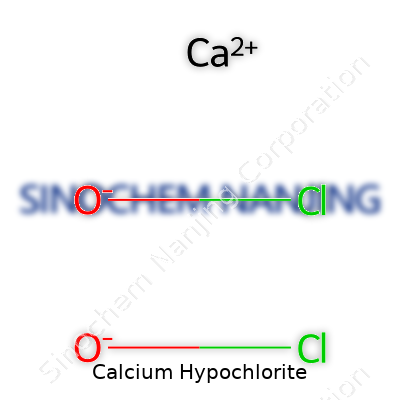
| Names | |
| Preferred IUPAC name | Calcium hypochlorite |
| Other names |
Bleaching powder Chlorinated lime Hypochlorous acid, calcium salt Cal hypo Calcium oxychloride |
| Pronunciation | /ˈkælsiəm haɪpəˈklɔːraɪt/ |
| Identifiers | |
| CAS Number | 7778-54-3 |
| Beilstein Reference | 3587264 |
| ChEBI | CHEBI:31344 |
| ChEMBL | CHEMBL1201478 |
| ChemSpider | 12217 |
| DrugBank | DB11505 |
| ECHA InfoCard | 100.017.289 |
| EC Number | 231-908-7 |
| Gmelin Reference | 778 |
| KEGG | C01786 |
| MeSH | D002121 |
| PubChem CID | 23256 |
| RTECS number | NH3486300 |
| UNII | G21X4ZQ0G5 |
| UN number | UN1748 |
| Properties | |
| Chemical formula | Ca(ClO)₂ |
| Molar mass | 142.98 g/mol |
| Appearance | White or grayish-white granules or powder |
| Odor | Chlorine-like |
| Density | 2.35 g/cm³ |
| Solubility in water | 21 g/L (20 °C) |
| log P | -2.11 |
| Vapor pressure | Negligible |
| Acidity (pKa) | The pKa of calcium hypochlorite is approximately 7.53. |
| Basicity (pKb) | 12.0 |
| Magnetic susceptibility (χ) | -30.0e-6 cm³/mol |
| Dipole moment | 0 D |
| Thermochemistry | |
| Std molar entropy (S⦵298) | 179.3 J·mol⁻¹·K⁻¹ |
| Std enthalpy of formation (ΔfH⦵298) | -1001 kJ/mol |
| Std enthalpy of combustion (ΔcH⦵298) | -1004 kJ/mol |
| Pharmacology | |
| ATC code | S2A1 |
| Hazards | |
| Main hazards | Oxidizer, causes burns, harmful if swallowed, toxic if inhaled, reacts violently with water and organic materials. |
| GHS labelling | GHS05, GHS06, GHS09 |
| Pictograms | GHS05,GHS09 |
| Signal word | Danger |
| Hazard statements | H272, H302, H318, H331, H335, H410 |
| Precautionary statements | P210, P220, P221, P260, P264, P273, P280, P283, P305+P351+P338, P310, P301+P330+P331, P303+P361+P353, P304+P340, P306+P360, P370+P378, P391, P403+P233, P405, P501 |
| NFPA 704 (fire diamond) | 3-0-1-OX |
| Autoignition temperature | 180°C |
| Lethal dose or concentration | LD₅₀ oral rat: 850 mg/kg |
| LD50 (median dose) | 850 mg/kg (rat, oral) |
| NIOSH | GN4010000 |
| PEL (Permissible) | PEL (Permissible Exposure Limit) for Calcium Hypochlorite: 5 mg/m³ |
| REL (Recommended) | 1 mg/L |
| IDLH (Immediate danger) | 100 mg/m3 |
| Related compounds | |
| Related compounds |
Sodium hypochlorite Potassium hypochlorite Lithium hypochlorite Calcium chloride Calcium chlorate |



