Calcium Ascorbate: Commentary on Its Evolution and Role in Modern Applications
Historical Development
Science has always sought safer and more stable forms of vitamin C. Synthetic ascorbic acid came about in the early 1900s, but chemists soon discovered that pure ascorbic acid could irritate the stomach. In the 1930s and beyond, researchers started looking for mineral ascorbates to solve these problems. Calcium ascorbate appeared as a buffered alternative that put less stress on digestion, opening up use in food, beverages, and supplements. This step reflected a mindset shift: chemistry could improve not just nutrition but daily comfort and tolerance for many people.
Product Overview
Calcium ascorbate exists as a white, odorless powder, well recognized and used in dietary supplements, nutritional foods, and fortified drinks. At its core, this compound blends vitamin C and calcium, both of which remain essential in the diet. It doesn't taste as sharp as pure ascorbic acid, and absorbs well in the human gut. This product shows up in chewable tablets for children, bakery mixes, fruit juices, and vitamin blends on grocery shelves and pharmacy aisles worldwide.
Physical and Chemical Properties
A strong point for calcium ascorbate comes from its reduced acidity. Chemically, it consists of C12H14CaO12 with a molecular weight around 426.3 g/mol. At room temperature, it appears as a free-flowing crystalline powder, soluble in water, and demonstrates relative stability under normal storage conditions. Its neutral pH distinguishes it from the more acidic ascorbic acid, making it less likely to corrode packaging or alter the taste of foods. Heat and light, still, can degrade it if stored improperly, so manufacturers often advise keeping it in a cool, dry spot.
Technical Specifications & Labeling
Regulations vary from country to country, but most ingredient lists refer to it as calcium ascorbate, sometimes with the notation E302 in the European Union. Product purity and Ca content are key specs for food and supplement makers. Reliable suppliers list purity levels—commonly 97% or higher—and specify precise calcium percentages, as these affect both nutritional labeling and final product performance. Ingredients lists in functional foods and supplements often highlight both the vitamin C and calcium content contributed by this compound, giving consumers a clear sense of its dual nutritional effect.
Preparation Method
Manufacturing calcium ascorbate isn’t rocket science, but it does require precision and control. Factories usually react high-purity ascorbic acid with calcium carbonate or calcium hydroxide in water. After thorough mixing, the calcium reacts with ascorbic acid to form the salt, releasing carbon dioxide in the case of calcium carbonate. Careful drying under low heat yields the white powder wanted for product assembly. This process ensures a product free from impurities like heavy metals or residual acids that could affect flavor, performance, or safety.
Chemical Reactions & Modifications
This molecule stays stable in cooler, dry locations but doesn’t love heat or moisture. It gets involved in oxidation-reduction reactions, acting as an antioxidant and helping to preserve foods and beverages from spoilage. Calcium ascorbate can also combine with other compounds to create custom blends for special nutritional products or functional foods. Still, manufacturers need to avoid mixing it with strong oxidizers; exposure leads to rapid loss of its vitamin function and can lower the shelf life of finished products.
Synonyms & Product Names
Besides calcium ascorbate, look for names like E302, ascorbic acid calcium salt, or simply vitamin C calcium salt on ingredient decks. In some markets, brands promote the material as “buffered vitamin C” to emphasize its gentler impact on the stomach. Some dietary supplement companies highlight proprietary blends using special trademarked names, but the core chemistry remains the same—a combination of essential calcium and ascorbic acid.
Safety & Operational Standards
Decades of use and rigorous toxicological testing back the safety of calcium ascorbate when consumed in reasonable amounts. Reputable producers stick to food-grade standards, testing for contaminants like lead, arsenic, and microbial hazards. The Joint FAO/WHO Expert Committee on Food Additives lists it as a permitted food additive. It rarely causes side effects, but ingesting much more than the daily requirements of vitamin C or calcium can create digestive discomfort or contribute to kidney stones in sensitive individuals. Manufacturing plants also follow strict worker safety rules to minimize dust, and they train staff in spill management and proper personal protective equipment.
Application Area
Across the world, calcium ascorbate fortifies processed and packaged foods, juices, cereals, and dietary supplements. Bakeries add it to bread dough to enhance texture and shelf stability, taking advantage of its antioxidant effect. Sports nutrition companies turn to calcium ascorbate to keep their vitamin blends easy on the stomach. Snack brands mix it into fruit-based snacks, where it helps keep bright color and fresh taste longer. Manufacturers also rely on it as an ingredient in pet foods and veterinary products. Agricultural uses include animal feed enrichment, with the added calcium supporting bone strength in livestock.
Research & Development
Research teams around the world don’t rest on their laurels. Ongoing projects target improved bioavailability of the calcium and vitamin C in a single dosage form, innovative coatings for better tablet stability, and optimized blends with other nutrients like magnesium. More studies examine its antioxidant capacity in fighting free radical damage, both in human clinical studies and in food preservation contexts. Some university and commercial labs explore calcium ascorbate as a potential adjunct in medical nutrition, such as cancer therapy nutritional support or slowing bone loss during aging.
Toxicity Research
Careful research in lab animals and large-scale population surveys shows calcium ascorbate breaks down in the body to ascorbic acid and calcium ions, both well-tolerated at reasonable intakes. The safety margin remains wide, with few people reporting adverse effects at the dosages typically found in food and supplements. Occasionally, people consuming extremely high doses of vitamin C—several grams per day—can develop gastrointestinal symptoms or, in rare cases, kidney stones. People with a history of calcium oxalate stones or certain metabolic conditions should stick to recommended intake limits and consult their healthcare provider before heavy supplementation. Food authorities continue to monitor new toxicity data, but nothing recent suggests a reason to restrict its use under current good manufacturing practices.
Future Prospects
Demand for functional nutrition and value-added food keeps calcium ascorbate on the radar for formulators worldwide. Interest in “clean label” fortification with natural and well-tolerated ingredients is growing fast. Researchers focus on next-generation forms with even better stability and absorbability. Producers refine crystallization and blending methods to deliver consistent, shelf-stable products. As personalized health becomes mainstream, look for calcium ascorbate in custom vitamin packs, targeted snacks, and beverages aimed at active and aging populations. The future likely holds more blending with plant-based products, as well as rising use in sustainable food systems. Many see it as a reliable bridge between high performance and everyday well-being.
What are the benefits of Calcium Ascorbate?
Why Calcium Ascorbate Matters
People sometimes overlook minerals and vitamins unless there’s a specific deficiency. Calcium ascorbate pulls double duty as both a source of vitamin C and calcium. You find it in supplements and certain fortified foods. Unlike regular vitamin C, this compound brings the benefits of both nutrients in a single, gentle form. Having spent plenty of time working in nutrition education, I’ve seen the confusion folks have over supplements and absorption. Calcium ascorbate often comes up when looking for a vitamin C option that is a little easier on the stomach.
Gentle Support for Sensitive Stomachs
If you’ve ever dealt with acid reflux or an upset stomach after taking vitamin C, you know how tricky it feels to try and get enough, especially during cold and flu season. Calcium ascorbate is less acidic than ascorbic acid, so it usually works well even for those with sensitive stomachs. I remember helping clients who couldn’t tolerate regular vitamin C but felt fine after switching to this buffered form. That makes a real difference for people who want to keep their immune system strong without side effects.
A Boost for Immunity and Bone Strength
Vitamin C stays popular for its immune-boosting properties, but a lot of people forget about calcium’s role, especially beyond bone health. Both nutrients support daily energy and help the body heal after injury or illness. Calcium ascorbate lets you increase your vitamin C intake without taking in too much acid, which can wear on tooth enamel or digestive tissues. I’ve seen athletes and older adults benefit most from this: strong bones, quick recovery, and fewer missed training days due to colds.
Better Absorption and Practical Applications
Combinations sometimes work better than single nutrients. Calcium ascorbate’s structure makes it easy for the body to absorb both calcium and vitamin C efficiently. That means you get more benefit from each dose. I often talk with clients about how small changes like switching to a buffered supplement can lead to better long-term habits. Folks who want to cut pills often find powder forms easy to mix into drinks or food, which also helps with absorption and routine use.
Facts Backed by Real Experience
Plenty of clinical research shows that calcium ascorbate gets absorbed efficiently and supports both bone and immune function. A review published in the European Journal of Clinical Nutrition found that buffered vitamin C forms, including calcium ascorbate, produced fewer gastrointestinal problems. On the ground, in pharmacies and clinics, I’ve noticed pharmacists recommending it to people who don’t tolerate acidic supplements, from children to older adults. The improvement in adherence to daily supplements can be obvious in these cases.
Accessible Solutions for Busy Lives
Most people live busy lives and want simple ways to fill nutritional gaps. Calcium ascorbate’s gentle nature, broad benefits, and multiple forms (tablet, powder, even in some chewables) make it a practical choice. Sometimes the best solutions are the least complicated. Many of the people I have worked with just wanted something to help them stay energized and bounce back from stress. A supplement that covers vitamin C and calcium, without sending you running for antacids, can make consistency much easier in real life.
Smart Strategies for Getting Enough
Focusing on a grouped nutrient supplement like calcium ascorbate helps keep things simple. Regular check-ins with your doctor or dietitian can help, too. I’ve found that reviewing supplements once or twice a year saves people from taking too much or using brands that skimp on quality. Most importantly, pairing this supplement with a balanced diet and enough movement really pays off—no single pill solves everything, but smart choices make a clear difference in how you feel every day.
Is Calcium Ascorbate safe for daily use?
Calcium Ascorbate: More Than a Trend in Supplements
Supplement aisles today feature all sorts of vitamin C choices. Calcium ascorbate shows up on many labels, often billed as a less acidic, “gentler” form. Instead of the tang that comes with ascorbic acid, it brings a neutral taste. People with sensitive stomachs glance at that promise and figure they’ve found a loophole. The question deserves a close look: Is it actually safe to scoop this powder or swallow these pills daily?
Understanding What You’re Taking
Calcium ascorbate combines two familiar nutrients. Vitamin C keeps the immune system ticking, helps heal wounds, and acts as a natural antioxidant. Calcium helps bones and muscles function properly. Both ingredients show up in daily life through fresh food. The supplement form usually comes into play when someone struggles with fruit or dairy allergies, or thinks their diet falls short.
A standard dose of vitamin C for adults runs from 65 mg to 90 mg a day, according to the National Institutes of Health. Calcium ascorbate offers the vitamin plus a small calcium boost. Research shows it dissolves easily, so people absorb it faster than some traditional pills. Stomach upset often steers people away from pure ascorbic acid. Studies published in the European Journal of Clinical Nutrition found that buffered vitamin C compounds, like calcium ascorbate, go easier on the digestive tract—even at doses as high as 1000 mg a day.
Risk and Reward: Separating Fact from Hype
Vitamin C gets a health halo and most folks think of it as harmless. For many, it is. Problems do crop up with megadoses, especially above 2000 mg a day. Too much can cause kidney stones, nausea, or diarrhea, regardless of form. Folks managing kidney disease or trying to limit calcium, especially those with hypercalcemia, should tread carefully. The extra calcium is small but adds up alongside fortified foods and other supplements. According to the Mayo Clinic, people with a history of kidney stones should avoid excessive vitamin C for this reason alone.
For healthy adults sticking to the recommended daily allowance and eating a varied diet, calcium ascorbate does not pose a special danger. The FDA lists it as generally recognized as safe (GRAS). No furor has emerged from decades of use. Still, dietary supplements don’t always land on the doctor’s radar. Active ingredients and possible interactions rarely show up on checklists unless you bring them up.
Sensible Use: Facts and Solutions for Daily Habits
Most vitamin C in supplements walks through your system quickly; what isn’t used, you pass in urine. The real issue is choosing supplements in place of vegetables and fruit. Fresh food gives fiber, water, plant chemicals and diverse forms of nutrition—things that isolated powders miss. No pill covers all that ground. As someone who tried regular vitamin C and then switched to calcium ascorbate for a sensitive stomach, I saw an improvement in how I felt after taking a supplement. It helped on busy travel days, but sticking to natural sources left me feeling less dependent on pills. The supplement works as a backup plan, not a substitute for fresh produce.
To avoid hidden risks, check the labels and tally up sources of vitamin C and calcium from everything you eat or drink. Bring up regular supplement use at your next checkup, especially if you juggle other health conditions. Supplements work best as the last five percent, not the whole health strategy. Food sits at the center. Supplementation, used thoughtfully, fills in the narrow gaps—not the entire plate.
How is Calcium Ascorbate different from regular Vitamin C?
Beyond the Label: What’s in the Bottle
Shoppers often check labels for “Vitamin C” without seeing the finer details. Most supplements list either ascorbic acid or calcium ascorbate, but not everyone knows how these forms set themselves apart. Both work to support healthy immune function, but their small differences can affect how people feel or use them. I started asking questions about this when I noticed my own stomach reacting badly to some Vitamin C products, and it got me on a hunt for answers.
Regular Vitamin C: Sticking to the Basics
The typical Vitamin C people find in chewables, capsules, and powders is ascorbic acid. This is the pure form, with tart taste and a bit of bite, especially if swallowed without much water or food. It’s what’s naturally present in oranges, kiwi, peppers, and many other foods. Ascorbic acid acts as an antioxidant, keeps cells safe from damage, and helps with iron absorption. Doctors trust this form, and studies always point out how it supports everything from skin health to immune response. But ascorbic acid’s sharpness isn’t for everybody—large doses on an empty stomach have left me with a sour stomach more than once.
Calcium Ascorbate: A Softer Approach
Calcium ascorbate takes that Vitamin C molecule and connects it with calcium. This changes a few things. First, it makes the powder less acidic. I’ve found that even people with sensitive digestion can handle larger amounts without stomach upset. Nutrition studies support this, showing better tolerance for those battling gastrointestinal issues or those on long-term supplements. The addition of calcium adds a small mineral boost. Now, it’s not a massive source of calcium, but every bit counts for bone health, especially in people who don’t get much dairy.
Does It Change Absorption or Benefits?
Some people worry that calcium ascorbate doesn’t work as well as ascorbic acid. Research doesn’t show a drop-off. The body absorbs both forms, and they both increase circulating Vitamin C. Once inside, the body treats all forms of Vitamin C the same way. What changes is the experience—if someone can take a supplement without heartburn or indigestion, it’s easier to keep up with. I’ve spoken with dietitians who often recommend buffered forms like calcium ascorbate specifically for older adults or those with sensitive stomachs.
Facts from Food and Supplements
Eating fruits and vegetables remains the best way to get Vitamin C. People choosing supplements usually want convenience, or they need more due to health issues or certain medications. Buffered Vitamin C, like calcium ascorbate, offers a gentle option for those at risk of stomach pain or acid reflux. I’ve even recommended it to friends who gave up on supplements because of constant digestive complaints.
Smart Supplement Choices
Choosing between ascorbic acid and calcium ascorbate isn’t just a science question—it’s personal. For many, cost matters, too. Regular Vitamin C tends to cost less and sits on every drugstore shelf. Calcium ascorbate can run higher, but for anyone with acid reflux or chronic GI issues, that extra expense can make a world of difference. Always check for quality brands, third-party testing, and honest labeling.
What is the recommended dosage for Calcium Ascorbate?
Understanding Calcium Ascorbate
Most people know Calcium Ascorbate as a type of vitamin C that’s buffered with calcium. Instead of being rough on the stomach like plain ascorbic acid, it’s gentler and gives an extra shot of calcium. Working in healthcare for several years, I had folks ask about these supplements, especially those who would get heartburn or upset stomach from regular vitamin C.
Recommended Dosage Ranges
Doctors and pharmacists often stick to science-backed advice. The Recommended Dietary Allowance (RDA) for vitamin C for adults is roughly 75 mg per day for most women and 90 mg per day for most men. One gram (1,000 mg) of Calcium Ascorbate delivers about 890 mg of vitamin C, with the rest as calcium. Many over-the-counter vitamin C supplements come in daily servings of 500-1,000 mg because most people tolerate those amounts well. Calcium Ascorbate fits right into this daily range.
Taking more than 2,000 mg of vitamin C in a day can spark stomach cramps or diarrhea. The Tolerable Upper Intake Level for vitamin C sits at 2,000 mg for adults. Sticking below that is wise for most, unless a doctor says otherwise. For the calcium part, the RDA for adults runs from 1,000 to 1,200 mg, depending on your age and whether you’re pregnant or breastfeeding.
Who Should Pay Extra Attention?
People with certain health conditions—like kidney problems or a history of kidney stones—often need to talk to their doctor before adding calcium-rich supplements to their diet. Excess calcium can trigger kidney stones, especially if you’re already prone to them. People with iron absorption issues should also pay attention, since massive doses of vitamin C can boost iron absorption to a level that isn’t good for everyone.
As someone who worked in a pharmacy, I learned how easy it is to go overboard with supplements. More isn’t always better. Vitamin C and calcium are both water-soluble, but that doesn’t mean extra amounts just wash away harmlessly. Staying within proven healthy ranges matters.
Getting the Benefits Without Overdoing It
Supplement companies often advertise higher doses because it looks impressive on the label. The body only uses what it needs for the day, then gets rid of the rest. Eating a balanced diet with fruits, veggies, and some dairy or leafy greens supplies a good portion of your vitamin C and calcium needs already. That makes a moderate supplement—up to 1,000 mg daily—enough for most people, unless you have a condition that requires more.
Registered dietitians and healthcare pros steer people toward getting these nutrients from food first. Supplements fill a gap when the diet doesn’t cover it, or during cold season for a small bump in vitamin C. Long-term, a steady diet matters more than any pill.
What About Kids and Older Adults?
Young kids and seniors tend to need less than healthy adults. Kids between 1 and 3 years only need about 15 mg of vitamin C a day, while teens need around 65–75 mg. Seniors sometimes use calcium and vitamin C supplements to prevent bone loss, but their dosage should match their doctor’s advice.
Best Advice
Before making changes, connect with your healthcare provider. Blood tests and a look at your diet can help determine what, if any, extra supplement fits your needs. Keep daily intake under the 2,000 mg threshold for vitamin C with any form, including Calcium Ascorbate. Use food first if you can, and treat supplements as a backup.
Are there any side effects of Calcium Ascorbate?
The Scoop on Calcium Ascorbate
Calcium ascorbate mixes vitamin C with calcium, turning it into a less acidic option than plain ascorbic acid. This catches the eye of folks with sensitive stomachs, and more and more folks now pick it up at pharmacies and grocery stores for that reason. It sounds good on paper: extra vitamin C for immunity and a bonus boost to your calcium intake. But every supplement brings both benefits and drawbacks, especially if used without much thought.
Not Everyone Gets Off Easy
Taking calcium ascorbate in large doses can cause some real discomfort for the digestive system. People sometimes complain of bloating, cramps, or even diarrhea if they go overboard. It’s not much different from what can happen with high vitamin C alone, though many people handle calcium ascorbate better than pure ascorbic acid. Some folks notice they feel “off” after upping their supplement game, and not all bodies adjust easily to changes, no matter how gentle the form of the vitamin.
Mixing too much vitamin C and calcium can also swing the other way. Sometimes, someone tries to “play it safe” with one supplement and ends up doubling their intake by not realizing vitamin C hides in drink powders, breakfast bars, and multivitamins too. Too much vitamin C, especially paired with calcium, increases the risk of kidney stones in those prone to them. I’ve seen people skip water or ignore labels, only to wind up with a problem that could have been avoided.
Who Needs to Pay Extra Attention?
One group that needs to watch out: people with kidney problems or a history of stones. High doses of vitamin C, including in buffered forms like calcium ascorbate, can tip the balance in the kidneys. The ascorbate part can turn into oxalate in the body, especially at high doses, raising the stone risk for susceptible people. Folks who already get enough calcium through food may find themselves taking more than the body can handle, possibly leading to hypercalcemia. That means more risk of nausea, muscle weakness, and irregular heartbeat. Medical advice shouldn’t be skipped for those with conditions like hemochromatosis, gout, or certain metabolic disorders.
What Can Be Done To Avoid the Downsides?
Reading supplement labels may sound boring, but it’s a simple step that helps avoid a world of trouble. Tracking both calcium and vitamin C from food and pills makes it easier to stay under the safe daily limits set by health authorities—usually around 2,000 mg of vitamin C for most adults and 1,000-2,500 mg of calcium, depending on age and sex. I always recommend dividing larger doses throughout the day and never using supplements as a total replacement for real foods like oranges, strawberries, or leafy greens.
A chat with a trusted healthcare provider goes further than any online advice, especially if you have chronic health issues or take other medications. Allergic reactions do happen, even with something as simple as a “gentler” vitamin C, so it pays to stay alert to rashes, swelling, or anything unusual.
The Bottom Line for Everyday Use
Supplements like calcium ascorbate can help when diets fall short or during times of illness, but more isn’t always better. Real peace of mind comes from paying attention to your body, talking with your doctor, and keeping things in balance. That’s the kind of practical approach I see work, again and again, both for myself and others in the long run.
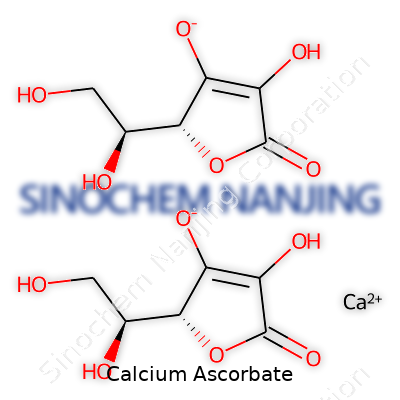
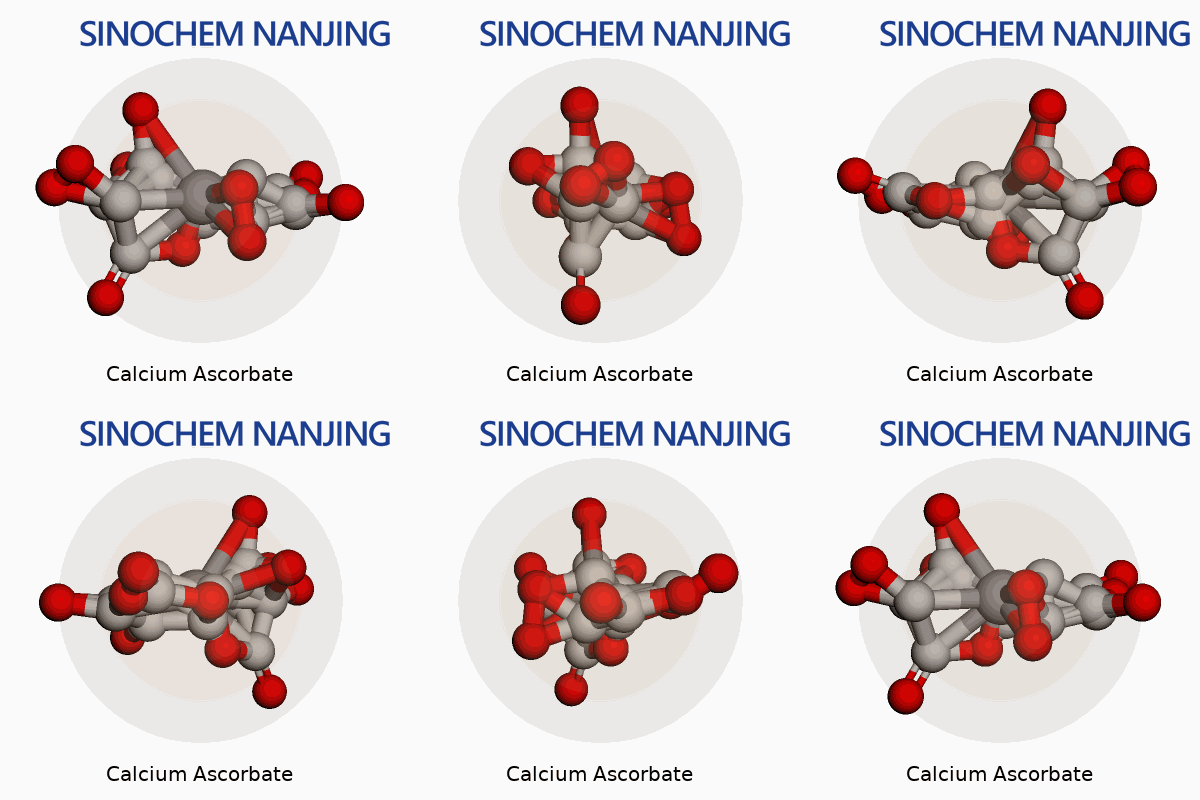
| Names | |
| Preferred IUPAC name | calcium (2R)-2-[(1S)-1,2-dihydroxyethyl]-4-hydroxy-5-oxo-2,5-dihydrofuran-3-olate |
| Other names |
Ester-C Ascorbic acid calcium salt Calcium diascorbate Calcium L-ascorbate |
| Pronunciation | /ˈkæl.si.əm əˈskɔːr.beɪt/ |
| Identifiers | |
| CAS Number | 5743-28-2 |
| Beilstein Reference | 3537082 |
| ChEBI | CHEBI:31345 |
| ChEMBL | CHEMBL1201561 |
| ChemSpider | 67310 |
| DrugBank | DB11092 |
| ECHA InfoCard | ECHA InfoCard: 03-2119981500-40-0000 |
| EC Number | EC 220-901-1 |
| Gmelin Reference | 64374 |
| KEGG | C18320 |
| MeSH | D018064 |
| PubChem CID | 5684 |
| RTECS number | AW8050000 |
| UNII | J345XB0878 |
| UN number | UN3077 |
| Properties | |
| Chemical formula | C12H14CaO12 |
| Molar mass | 426.488 g/mol |
| Appearance | White to slightly yellowish crystalline powder |
| Odor | Odorless |
| Density | 1.8 g/cm³ |
| Solubility in water | Soluble |
| log P | -2.15 |
| Acidity (pKa) | 6.2 |
| Basicity (pKb) | 8.2 |
| Magnetic susceptibility (χ) | Diamagnetic |
| Refractive index (nD) | 1.62 |
| Viscosity | Viscous liquid |
| Dipole moment | 2.92 D |
| Thermochemistry | |
| Std molar entropy (S⦵298) | 143.96 J·mol⁻¹·K⁻¹ |
| Pharmacology | |
| ATC code | A11GA01 |
| Hazards | |
| Main hazards | May cause mild skin and eye irritation. |
| GHS labelling | GHS07 |
| Pictograms | GHS07 |
| Signal word | Warning |
| Hazard statements | No hazard statements. |
| Precautionary statements | IF IN EYES: Rinse cautiously with water for several minutes. Remove contact lenses, if present and easy to do. Continue rinsing. If eye irritation persists: Get medical advice/attention. Wash hands thoroughly after handling. |
| NFPA 704 (fire diamond) | 1-0-0 |
| Lethal dose or concentration | LD50 (oral, rat): >5000 mg/kg |
| LD50 (median dose) | LD50 (median dose): 11,900 mg/kg (oral, rat) |
| NIOSH | Not Listed |
| PEL (Permissible) | 10 mg/m3 |
| REL (Recommended) | Calcium Ascorbate: 1,000 mg |
| Related compounds | |
| Related compounds |
Ascorbic acid Sodium ascorbate Magnesium ascorbate Potassium ascorbate Erythorbic acid |



