Ammonium Bifluoride: A Hard Look at a Chemical with Far-Reaching Impact
Historical Development
Ammonium bifluoride didn’t grab headlines like some famous chemicals, but it has shaped entire industries since chemists started using it in the late 1800s. Its utility in etching glass emerged well before modern health and safety standards, and back then, little attention was paid to its hazards. Glassworkers dealt with stubborn residues and transmission of light in glass, and they turned to fluoride compounds to solve these problems. The industry learned by trial and error, faced the costs of exposure, and kept refining how they used this and similar chemicals. As chemical manufacturing evolved, ammonium bifluoride found new roles, especially wherever traditional acids had limits. People kept asking questions, figured out what worked for cleaning, etching, or metal treatment, and brought the lessons forward, often at real risk.
Product Overview
Today, ammonium bifluoride earns respect as both a cleaner and a trouble-maker. Its white crystalline appearance belies the challenge it brings to safe handling. The chemical (NH4HF2) is stocked in many facilities for its ability to clean metals, etch glass, and prepare surfaces for further finishing or welding. The fact that it interacts with both silicates and oxides means it covers jobs where weaker agents fall short. Realistically, facilities stocking ammonium bifluoride keep it controlled, not just due to regulations but because past accidents highlight just how unforgiving a misstep can be. Chemical engineers, lab techs, and even janitorial staff learn about its risks before using it. The material plays a big part in industrial cleaning, particularly when oil, scale, or rust make surfaces unusable.
Physical and Chemical Properties
Every time you pick up a bag of ammonium bifluoride, you’re reminded of its strong, sharp smell—enough to prompt care without reading labels. The crystals dissolve easily in water, reacting in ways that are tough on minerals but also skin. Heating releases hydrogen fluoride, a toxic gas, so temperature control in processing areas matters. This tendency to release fumes pushes operations to invest in ventilation and training. Chemically, it splits into ammonia and various fluoride ions, and these breakdown products do the heavy lifting for etching and cleaning. Only a handful of chemicals can touch glass or silicate minerals the way ammonium bifluoride does, but that advantage always brings the question of how to keep it nowhere near people’s skin or lungs. It doesn’t ignite, but in contact with acids or strong oxidizers, the hazard list grows fast.
Technical Specifications and Labeling
Labels for ammonium bifluoride carry stark warnings, a requirement shaped by its track record and international standards. Hazard pictograms cover acute toxicity, corrosion, and environmental harm. Containers—always tightly closed—show hazard and precautionary statements in large print. The specs cover handling temperatures, moisture control, purity ratings, and producer safety information, ensuring nobody feigns ignorance. The labeling isn’t just regulatory theater; seasoned workers pay attention because accidents can happen in seconds, and the text reflects lessons learned from real events. Over the years, the standard shifted from minimal warnings to detailed instructions, evidence that people pushed for safer workplaces through collective effort.
Preparation Method
Producing ammonium bifluoride is simple in concept, demanding in practice. Industry typically mixes ammonia or ammonium carbonate with hydrofluoric acid, keeping the mix cool to prevent hazardous fumes. The reaction generates heat, so cooling baths, containment, and real-time detectors get built into the process. As someone who’s watched chemical plants in action, I’ve seen what it takes to design a prep area that keeps workers safe from splashes and vapors. Equipment engineers use corrosion-resistant piping and pumps, and facilities run frequent maintenance checks—otherwise hydrofluoric acid ever so slowly eats away at metal and seals. Preparation lines rarely operate without backup ventilation and always stock calcium gluconate for accidental contact, even if no one expects to need it.
Chemical Reactions and Modifications
Chemists prize ammonium bifluoride for its double-barreled action: ammonium ions buffer the reactivity, while bifluoride ions enable aggressive mineral attack. It’s a secret behind etched glass markings and the smooth finish on airplane parts. The chemical engages in double replacement with silicates, breaking down glass and releasing gaseous silicon tetrafluoride under the right conditions. For modifications, researchers look at blending with other fluorides or acids to adjust reaction speed and strength. It reacts with hydrogen peroxide to clean metals without over-etching, offering a narrow window where cleaning is precise rather than destructive. For anyone working in surface preparation, understanding these reaction pathways means you can tune the result rather than just hope for the best.
Synonyms and Product Names
The label on a drum or bottle may read ‘ammonium hydrofluoride,’ ‘ammonium acid fluoride,’ or even ‘NH4HF2’—the same core substance using regional or historical names. Chemical catalogs and material safety data sheets keep pace with regulatory demands, listing all synonyms prominently to cut down on confusion. Industry veterans check for alternate names before mixing chemicals, particularly since confusion around naming can lead to dangerous cross-use or errors in storage. This isn’t just a red-tape issue; incidents have hinged on which synonym appeared in a work order or shipment. Labs and plants standardize terminology from the start, reducing the odds of a preventable mistake.
Safety and Operational Standards
No other aspect of using ammonium bifluoride carries as much weight as safety. Its history of burns, inhalation injuries, and environmental releases means no responsible operation skimps on training or personal protective equipment. The compound penetrates skin, attacking deeper tissue and causing pain out of proportion to contact size. Immediate use of calcium-based antidotes can limit the damage, but time isn’t on anyone’s side with this chemical. Proper ventilation, double-gloving, and full face protection become routine. Equipment design changes—such as splash guards, sealed feed systems, and real-time fume detection—save lives and reduce injuries, not just box-ticking for compliance. The chemical’s volatility in the presence of acids or heat puts an added burden on storage and emergency planning. For every operator, the stakes are personal: past mistakes spread by word of mouth so the next shift comes home healthy.
Application Area
Factories, workshops, and research centers turn to ammonium bifluoride for missions that demand more than soap and water. It’s the chemical behind that frosted glass finish, a mainstay in cleaning heavy machinery, and the reason certain metal alloys emerge free of rust before welding or painting. Oil refineries, nuclear plants, and even the semiconductor industry lean on it for surface prep. In auto manufacturing, it removes stubborn oxidation before bonding or painting—a critical step that decides if a car body lasts a decade or fails early. Stone cleaning and restoration work also use this agent, despite the risks, because there’s no easy substitute for its effect on mineral stains. Many niche applications, from etching precision lenses to cleaning steam turbine blades, come down to the trick of managing ammonium bifluoride’s strength without letting safety slip.
Research and Development
Researchers keep searching for ways to harness ammonium bifluoride’s potential without dragging its dangers along. In surface chemistry labs, I’ve seen teams test new additives or delivery systems that attempt to limit harmful vapors or bind excess fluoride. Others work on automation—robotic arms and sealed automated mixers bring consistency and keep people away from splashes and fumes. Some progress shows in new labeling, color-changing indicators for spills, and continuous air quality monitors near process lines. Advances in protective coatings for storage vessels, and hybrid compounds that retain cleaning strength but reduce risk of exposure, have started to emerge. For every challenge, labs piece together the regulatory, environmental, and worker safety puzzle, aiming to set new standards for how such a tough chemical might fit into tomorrow’s workplaces.
Toxicity Research
Toxicologists have spent decades tackling the effects of ammonium bifluoride, and their findings push safety practices to evolve. Exposure through skin or lungs leads to rapid fluoride ion uptake, which triggers muscle and nerve effects, disrupts calcium levels, and is tough to reverse without immediate medical care. Animal studies, industrial accident case reports, and forensic reviews tell a consistent story: underestimating the hazard means real, lasting harm. The research pushed authorities to up the ante on permissible exposure levels, training requirements, and emergency response plans. Every batch used in a plant or lab comes with a data sheet that reflects this research, and regular training ensures workers handle spills and exposure with the seriousness it deserves. Toxicologists also investigate longer-term ecological effects, particularly runoff into water, prompting extra controls for wastewater treatment and runoff containment.
Future Prospects
Looking to the future, ammonium bifluoride’s role in industry isn’t vanishing, but the drive for safer alternatives is only getting stronger. Research into greener, less hazardous cleaning agents and etchants accelerates as environmental and labor regulations tighten. Robotics and remote handling technologies look promising, offering new ways to limit direct human contact with hazardous reagents. Regulatory agencies continue to update guidelines, responding both to research and to incidents that reinforce the need for vigilance. For some applications, like high-precision glasswork or heavy-duty equipment cleaning, no perfect replacement yet exists, so R&D teams focus on improved packaging, delivery systems, and personal protection as bridges to the future. Industry and science will likely keep learning from harsh experience, balancing the chemical’s strengths against its undeniable risks, driven by the shared goal of safe, reliable progress.
What is ammonium bifluoride used for?
A Chemical With Real-World Muscle
Ammonium bifluoride doesn’t show up in many people’s kitchen cupboards, but it plays a bigger part in modern life than most realize. In the glass industry, it’s a crucial ingredient for etching and frosting glass. Glassmakers rely on it because it reacts with the silica in glass, making permanent patterns, logos, or designs. I once toured a small workshop where glassworkers dipped panels into vats of ammonium bifluoride solution, describing how no other chemical delivered such precise results without damaging their equipment. Those etched shower doors and decorative windows at local hardware stores come from this exact process.
The Power of Industrial Cleaning
Cleaning up after a manufacturing operation is never simple. Grease, mineral scale, or stubborn rust stick to factory equipment like glue. Industrial cleaners bank on ammonium bifluoride to cut through these messes. Even the railroad industry counts on it for cleaning locomotive wheels and engines. One cleaning crew I met wore special gear just to handle products containing this stuff. Their supervisor pointed out that nothing else peeled off mineral deposits from tankers so quickly. It’s strong, but that unforgiving bite comes with a catch.
Metal Finishing and Surface Prep
Before aluminum or steel parts reach the assembly line for cars or planes, they need a surface treatment so paint sticks and parts perform as they should. Ammonium bifluoride helps prep these surfaces, turning grimy metals into paint-ready materials. Powder coating shops across the country count on it. I’ve seen operators carefully mix it into pre-treatment baths, explaining that the results just can’t be matched with milder acids. The payoff is gear and vehicles that last longer and resist rust. On the downside, workers tell me the fumes and risk of burns always lurk in the back of everyone’s mind.
Risks and Responsible Use
Handling ammonium bifluoride takes real respect for safety. Exposure can cause severe burns—sometimes experts call it “the invisible burn” because pain might not hit right away, but the damage underneath grows all the same. In my own experience talking with safety trainers, even a droplet can land on your skin, and you might not realize the seriousness until it’s too late. Factories using it have the responsibility to give workers thorough training, keep first aid kits stocked with calcium gluconate gel, and make sure nobody gets sloppy with their personal protective equipment.
A Need for Safer Alternatives
The push for greener, safer chemicals has been picking up. Companies and researchers are testing replacements that clean and etch but don’t carry the same poison risks. While some progress shows promise, nothing matches the sheer punch ammonium bifluoride brings. Investing in new tech, better protective clothing, and proper ventilation systems can cut down exposure. We need government rules to keep standards high, but those only work if businesses and workers stick to them. Not every innovation gets widely adopted overnight, but pressure from customers and workers matters.
What’s at Stake?
Ammonium bifluoride isn’t a household name, but the products and jobs it supports touch almost everyone. That power gives it a place in industry, but also a responsibility. No glass etching, concrete cleaning, or metal prepping is worth risking a worker's life. I've seen real improvements in hands-on safety, but those gains only last if people keep learning and caring about what these chemicals can do—to materials, and to each other.
Is ammonium bifluoride hazardous or toxic?
What Ammonium Bifluoride Really Is
Ammonium bifluoride gets a job done in etching, glass cleaning, and treating some metals. Walking past an industrial shop, you might catch a whiff of something sharp and sour—chances are, it comes from a salt like this one. In my college chemistry lab, we kept ammonium bifluoride locked away, not just on a single high shelf but inside a chemical-safe cabinet. That wasn’t paranoia. This chemical packs a punch.
Touching and Breathing: Where Trouble Starts
Any direct contact with ammonium bifluoride triggers major problems for skin, eyes, and lungs. You rub a bit on your arm? It may burn, ache, and blister. A few of my classmates ended up with red, swollen hands just after cleaning a beaker that contained traces of the compound. Under a microscope, the salt breaks down and can release hydrofluoric acid—something that’s famous for causing deep tissue damage and pain way out of proportion to its appearance.
Tough gloves, goggles, and a fume hood provide more than just peace of mind. Hydrofluoric acid can sneak up on nerves, and the pain sometimes shows up hours after exposure. Medical journals and poison control centers describe lifelong scarring and, if swallowed or inhaled at high levels, the real risk of life-threatening heart problems. Calcium and magnesium inside the body get bound up, which sends nerves and muscle tissues into chaos.
Long-Term Risks and Environmental Factors
Few of us work every day with ammonium bifluoride. But for those who do—maintenance workers in glass factories, for instance—chronic low-level exposure still poses risk. Reports from occupational health researchers show a clear increase in respiratory problems, like asthma, from inhaling the dust. Breathing in this stuff day after day makes lungs angry and sends immune systems into overdrive.
The environment gets left behind when ammonium bifluoride rinses down a drain. Fluoride ions enter water, sticking around for a long time, building up in soil, and harming aquatic plants and animals. One major spill at a manufacturing plant in Europe wiped out fish populations in a nearby river for almost a year.
What Solutions Make a Difference
Strict rules work best in protecting people and places. I watched how seasoned lab managers set out training programs that drill safety rules into muscle memory: always double-glove, never pour straight from the bottle, dispose of waste in marked containers. The American Conference of Governmental Industrial Hygienists sets real exposure limits for both the dust and any hydrofluoric acid it can create.
Substitution also helps. Glass etching companies now try milder acids where possible. Automated handling steps in where people once mixed by hand. At the end of the line, smart wastewater systems neutralize fluoride before it goes anywhere near a river.
Educators and employers share stories and medical cases because learning the hard way doesn’t have to be part of the package. Quick access to first aid—including calcium gluconate—is a top priority anywhere ammonium bifluoride gets used. If someone gets exposed, seconds count. These days, industrial workplaces drill those response steps just like fire drills in schools.
The Path Forward
Hazardous chemicals demand sharp respect, not just from scientists but from everybody in the supply chain. Strong safety culture, real-time monitoring, and constant push for less toxic alternatives change the story from accident reports to successful, safe shifts. Overlooking the dangers of ammonium bifluoride hands out severe reminders; making it a rare hazard rather than an everyday one brings real health and safety wins.
How should ammonium bifluoride be stored and handled?
Looking Closer at the Danger
Ammonium bifluoride isn’t a substance you scoop up and leave on a shelf. This stuff demands respect. Having watched a warehouse manager learn the hard way, I know plenty about how even small slips turn into big headaches. The white, crystalline powder may look harmless compared to oils or acids that eat straight through boots, yet contact with skin or eyes can cause deep burns. Breathing in the dust is also bad news for lungs. The fact that it reacts with glass shows just how aggressive it can get. Experts from OSHA and the CDC sound alarm bells for good reason. If big industry players and small shops alike pay attention, unnecessary injuries disappear.
Don’t Cut Corners: Storing It Safely
Storing this chemical isn’t just about tossing it in any bin out back. Ammonium bifluoride belongs in corrosion-resistant containers–think high-density polyethylene, not metal or glass. Every bag or drum has to stay tightly closed so humidity doesn’t make the powder clump or cause acid fumes to build up. I’ve seen people try to stack containers too high or stuff them into cramped shelves. That’s a risk not only to worker safety but to the business, because leaks and spills create problems you can’t sweep under the rug.
Ventilation makes a big difference. If ammonium bifluoride fumes build up, anyone walking in that storage room faces a hazard. Fresh air and well-designed vent systems prevent vapor from hanging around. Signs that make it clear this chemical sits inside keep everyone on alert. I always tell folks, don’t put this stuff next to acids, bases, or anything it could react with. Store it in its own space, away from food and unrelated materials. Some companies invest in locked cabinets or separate chemical storage areas, making sure only trained people have access.
Personal Protection: Nothing Fancy, Just Essential
I’ve been on enough plant tours to spot the biggest misstep: skipping protective gear because it "takes too long" to suit up. When handling ammonium bifluoride, no shortcut is worth it. Workers need chemical-resistant gloves, face shields, goggles, and a solid lab coat or a chemical suit. Nitrile or butyl gloves hold up much better than plain latex. Respiratory protection is a must if dust might get in the air, especially during transfers or spills.
Training comes into play here too. I insist on hands-on drills, not just a slide show or quick briefing. If something goes wrong, seconds count. Everyone should know the emergency shower location and have calcium gluconate gel ready in the first aid kit, since that helps fight off fluoride burns in an accident.
Smart Practices Make the Difference
Every facility should keep detailed records. Track how much product comes in, where it sits, and how it’s used. Regular inspections catch leaks or damage before accidents happen. I’ve found that keeping clean floors and no clutter makes spill cleanup easier if something goes sideways. If a bag rips or a drum tips, stop work, contain the area, and clear out anyone without the right protection.
Waste shouldn’t go down the drain. Only trained professionals handle and dispose of ammonium bifluoride leftovers. Working with local hazardous waste vendors helps keep the facility and the community safer.
Moving Forward
Paying attention to detail saves lives and prevents lawsuits. Invest in protective gear. Train everyone. Store and label everything the right way. This isn’t about following rules for the sake of paperwork—it’s about keeping a day at work from turning into a trip to the ER. The right steps mean ammonium bifluoride serves its purpose in industry, not as a safety headline.
What are the safety precautions for using ammonium bifluoride?
Why Ammonium Bifluoride Matters
Anyone who’s spent time around industrial cleaning or glass etching has probably heard about ammonium bifluoride. Its punchy ability to cut through grime, rust, and minerals sets it apart from ordinary cleaners. While this stuff gets the job done, it can ruin your day in a hurry if handled carelessly. It’s not only about stains or bad smells — we’re talking burns, breathing issues, and long-term health problems.
Handling Dangers, Not Just Dirt
The main concern is corrosive power. Ammonium bifluoride releases fumes that can irritate your nose and throat right away. Skin contact causes real pain, turning into blisters or worse. Eyes stand no chance if exposed to this chemical. What stuck with me during my time at a fabrication shop was how accidents never get a second chance: one splash, and someone lands in the emergency room. Chronic exposure slowly gnaws away at your health, especially if inhaled repeatedly.
Simple Steps: Big Difference
Precaution isn’t about fancy gear or million-dollar training. Here’s what worked well for us on the shop floor:
- Wear The Right PPE: Skip the shorts and t-shirts — full coverage matters. Chemical-resistant gloves, eye shields, and a sturdy apron make all the difference. In tight workspaces, a face shield and long sleeves keep the chemical away from your skin and eyes.
- Good Ventilation: If you can smell it, there’s a problem. We always kept doors open and worked near vents or fans. Indoor work demands a fume hood or strong exhaust to keep those toxic vapors out of your lungs.
- Keep Water Nearby: Accidents aren’t about “if,” but “when.” A safety shower and eye wash station must sit close by, never blocked. Quick rinsing can limit lasting damage if something splashes.
- No Shortcuts With Storage: This chemical reacts with glass and certain metals. Strong plastic containers stay in cool, dry spots, never in direct sunlight or mixed with acids and bases. A clear label means anyone can spot the danger, even those popping by for a quick delivery.
- Training Everyone—Not Just Experts: New hires, delivery folks, janitors — they all need to know what’s in those drums and how to act if things go sideways. I’ve seen near-misses avoided just because someone remembered a tip from a quick “in-between-jobs” safety talk.
Accidents Demand Action
If exposure happens, don’t freeze up. Splash in the eyes or on skin? Rinse for 15 minutes, not a few quick seconds. Call emergency services. If dust gets inhaled, seek fresh air, watch for breathing problems, and report to a supervisor right away.
Building a Culture of Respect
The shops with fewest incidents never left safety to chance or convenience. A simple checklist taped on the wall near the storage rack saved more than one job — or set of hands. No one got laughed at for double-checking their gear or asking about stronger gloves. Stories shared during morning meetings about near-misses opened eyes to risks, making the rulebook real.
Better Options and Smart Choices
Alternatives to ammonium bifluoride sometimes get overlooked. Citrus-based cleaners or mechanical scrubbing won’t always match its power, but they’ll keep off the burns. For jobs that absolutely require this chemical, folks need the right knowledge and equipment. Skipping steps just to finish faster doesn’t save time if it leads to an injury that puts people off work for weeks.
Looking Ahead
More attention to safety pays dividends well beyond compliance checks. Fewer injuries means fewer lawsuits, less lost time, and a better reputation for any business. If someone plans to use ammonium bifluoride, a respect for the risks — plus a few smart habits — turns a dangerous tool into a workplace asset instead of a hazard.
How do you dispose of ammonium bifluoride safely?
Handling Real Hazards, Not Just Paperwork
Ammonium bifluoride’s danger isn’t just some label on a drum. Growing up around a family metal shop, I learned this compound would chew through concrete, glass, and skin. Its main job in industry—removing oxide scales, cleaning, etching—often leaves people thinking disposal equals dumping it down a drain. But the story doesn’t end when it leaves the shop floor. Neighborhood rivers, wastewater treatment workers, and even pets upstream could pay the price for sloppy handling.
Getting Past Myths and Mistrust
The big issue with ammonium bifluoride is its strength. Touching or inhaling it isn’t just uncomfortable—it can cause permanent damage. Too many people get the idea a quick rinse with water solves the problem, but that risks forming hydrofluoric acid in the pipes. Both compounds attack calcium. That’s not just bad for bones; municipal water networks take a beating from free fluoride ions.
It Starts with Knowledge and PPE
Protective equipment goes past goggles and gloves with this substance. Acid-proof aprons, face shields, and an emergency shower close by are all needed during cleanup. Many safety teams I’ve worked with got tripped up by underestimating how dusts or diluted residues hang around surfaces. Spilling this near ventilation shafts or washing tools in a utility sink without the right permissions causes headaches for years after.
Neutralization: Not a Quick Fix
Lots of people think dumping in some lime will magically neutralize ammonium bifluoride. The truth looks messier. Neutralizing with calcium compounds like lime or soda ash changes the chemical makeup, binding the fluoride. But you have to add slowly, under controlled conditions, with constant pH checks. Over-neutralizing creates chunks that block drains. Go too light, and you risk flushing dangerous species out to public sewers.
Regulations That Matter
State and federal guidelines are clear about this process. The Environmental Protection Agency and the Occupational Safety and Health Administration push for on-site treatment, not shipping unknown containers off to landfills. Most places demand a hazardous waste contractor. Licensed teams test for leftover fluoride ions, after neutralization, and file the paperwork. Skipping steps—just to save a little money or time—means heavy fines and possible criminal charges.
Real Solutions: Keep It Small and Get Expert Help
Reducing leftover chemicals at the start beats any fix-it-later plan. Only mix what you’ll use the same day. If you wind up with excess, store it in sealed, labeled containers, away from heat and steel, because the fumes can damage infrastructure and lungs alike. Contact your local hazardous waste authority before you even pull on gloves. In my experience, they’re often practical folks willing to guide homeowners or small businesses through the process. I’ve seen best results from working with certified disposal outfits—they have the right gear and training, and they prevent one problem from turning into many.
Room for Improvement
We all like to think we’re careful until something gets missed. Having strong protocols, regular safety briefings, and solid documentation isn’t about bureaucracy—it stops emergencies before they start. An old mentor of mine used to say, “It’s not the chemical, but the shortcut, that gets you.”
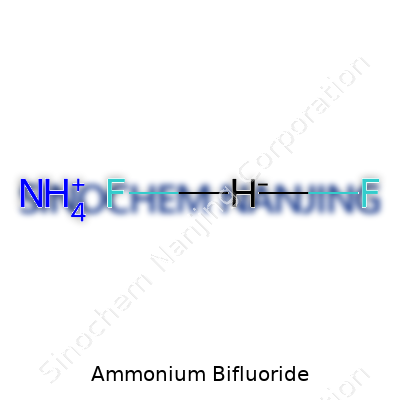
| Names | |
| Preferred IUPAC name | ammonium difluoranuide |
| Other names |
Ammonium acid fluoride Ammonium hydrogen fluoride Ammonium hydrofluoride Ammonium fluoride hydrofluoride |
| Pronunciation | /əˌmoʊniəm baɪˈfluːəraɪd/ |
| Identifiers | |
| CAS Number | 1341-49-7 |
| Beilstein Reference | 1365310 |
| ChEBI | CHEBI:30173 |
| ChEMBL | CHEMBL1233452 |
| ChemSpider | 54635 |
| DrugBank | DB15570 |
| ECHA InfoCard | ECHA InfoCard 01-2119489180-38-XXXX |
| EC Number | 215-676-4 |
| Gmelin Reference | 778 |
| KEGG | C14311 |
| MeSH | D000648 |
| PubChem CID | 24639 |
| RTECS number | BQ6300000 |
| UNII | RWY6TE75Z2 |
| UN number | UN1727 |
| CompTox Dashboard (EPA) | DTXSID5023861 |
| Properties | |
| Chemical formula | NH4HF2 |
| Molar mass | 57.04 g/mol |
| Appearance | White crystalline solid |
| Odor | Pungent |
| Density | 1.50 g/cm³ |
| Solubility in water | Very soluble |
| log P | -2.0 |
| Vapor pressure | 14 mmHg (20°C) |
| Acidity (pKa) | 10.5 |
| Basicity (pKb) | 10.5 |
| Magnetic susceptibility (χ) | '-46.5·10⁻⁶ cm³/mol' |
| Viscosity | Viscous liquid |
| Dipole moment | 4.22 D |
| Thermochemistry | |
| Std molar entropy (S⦵298) | 117 J·K⁻¹·mol⁻¹ |
| Std enthalpy of formation (ΔfH⦵298) | -691.13 kJ/mol |
| Pharmacology | |
| ATC code | J05AX27 |
| Hazards | |
| Main hazards | Toxic if swallowed, causes severe skin burns and eye damage, harmful if inhaled. |
| GHS labelling | GHS02, GHS05, GHS06 |
| Pictograms | GHS05,GHS06 |
| Signal word | Danger |
| Hazard statements | H302, H314 |
| Precautionary statements | P260, P264, P270, P271, P273, P280, P301+P330+P331, P302+P352, P304+P340, P305+P351+P338, P310, P321, P363, P391, P403+P233, P405, P501 |
| NFPA 704 (fire diamond) | 3-0-2 Acid |
| Autoignition temperature | 515 °C (959 °F; 788 K) |
| Lethal dose or concentration | LD50 oral rat 130 mg/kg |
| LD50 (median dose) | LD50 (median dose): 130 mg/kg (oral, rat) |
| NIOSH | MW3850000 |
| PEL (Permissible) | 2.5 mg/m3 |
| REL (Recommended) | 2 mg/m³ |
| IDLH (Immediate danger) | 300 ppm |
| Related compounds | |
| Related compounds |
Ammonium fluoride Hydrogen fluoride Sodium bifluoride Potassium bifluoride |



