Alpha-Methylstyrene: Beyond the Lab Bench
The Old and the New: A Look at Alpha-Methylstyrene’s History
Alpha-Methylstyrene, or AMS as some chemists like to call it, doesn’t make headlines like more glamorous chemicals, but its story stretches back to the early years of industrial chemistry. Early records show this compound surfacing as a byproduct during the production of cumene, which feeds the phenol and acetone industries. Over time, companies noticed its usefulness and started capturing rather than discarding it. The method, while simple in concept—dehydrogenation of cumene—opened doors for new polymers and resins. Watching how a “waste” product grew into a valuable commodity still fascinates me. It gives a lesson in respecting side products, and how paying attention to byproducts can sometimes lead to significant breakthroughs across chemical manufacturing. The lessons learned from the rise of AMS can guide the development of more circular, less wasteful production lines in other chemical segments.
Getting to Know Alpha-Methylstyrene
Alpha-Methylstyrene belongs in the family of aromatic hydrocarbons, the kind that show up in diverse places, from the scented molecules in perfumes to the tough polymers in auto parts. In the bottle, AMS looks like a clear, colorless liquid, and almost every chemist who’s handled it could spot the signature sharp, sweet odor. The stuff boils at a lower temperature than styrene, thanks to that alpha-methyl group that tweaks its structure. It doesn’t mix easily with water but blends well with organic solvents, which fits most industrial blending and reaction protocols. The chemical formula, C9H10, doesn’t capture the full range of what AMS can do, but those who have worked with it on the bench or in the plant know that it brings unique polymerization behavior to the table. The methyl branch doesn’t just change reactivity—it enables products with toughness and flexibility that pure styrene can’t deliver on its own.
Labeling, Specs, and a Few Misunderstandings
Technical labels for Alpha-Methylstyrene usually list the chemical as 2-phenylpropene, among other synonyms. In practice, each drum or container carries details on purity, inhibitor content (most often tert-butylcatechol or BHT), and residual solvents—critical, since AMS can polymerize when left unattended. Those working in quality control labs can recite the ASTM or ISO standards by heart. These standards get tweaked occasionally, sometimes due to new research showing safer or more efficient stabilizers. One issue with labeling is that different manufacturers or distributors might use different names, so staying alert avoids confusion. As chemists, accuracy in naming matters, both in the lab and on the shipping dock, because a mislabel leads to mistakes that ripple down the production line or put workers at risk.
How It’s Made: The Shopfloor Reality
AMS production often starts with cumene, already at the heart of the acetone and phenol process. Most production lines use dehydrogenation—strip off hydrogen atoms to yield AMS and hydrogen gas. This still creates a cocktail of side products, like dimers, which calls for careful distillation at the end. I recall visiting a plant where operators walked me through the challenge of keeping everything just so: pressure too high or temperature off by a bit, and impurities creep up, raising purification costs or reducing yield. Industry professionals keep refining catalysts and temperature profiles aiming for a production setup that balances throughput, safety, and output purity. This kind of ongoing improvement is what keeps operations running smoothly and competitive on cost, while also reducing energy use per ton of product.
Chemistry in Action: Reactions and Adjustments
People in polymer chemistry know AMS for its reluctance to polymerize on its own. The methyl group slows down the reaction, which can frustrate those hoping for rapid chain growth in a reactor, but in the right hands, this property is gold. Introduce AMS into a styrene polymerization, and the resulting resins often turn out with better impact resistance and less brittleness at low temperatures. Some labs use it to tweak the glass transition temperature of copolymers. AMS also enters addition and alkylation reactions, occasionally making appearances in the synthesis of specialty chemicals, plasticizers, and surfactants. Its chemistry remains active and versatile, even if it’s not as reactive as its relatives.
Safety Practices and Chemical Handling Realities
AMS doesn’t let anyone off easy when it comes to safety. The compound is volatile and flammable. Workers handling it wear respirators and gloves, and flammable liquid storage cabinets often bear AMS’s name. Most MSDS sheets flag the risk of inhalation and skin contact, and real-world experiences back this up—small splashes can cause irritation, and more serious exposure leads to headaches or dizziness. Operations teams also watch for polymerization in transit or storage; even a trace of acid can trigger a runaway reaction. The need for proper inhibitors and routine testing remains high on the checklist. No shortcut here—solid procedures and respect for the chemical keep both people and facilities safe.
Not Just a Lab Curiosity: Where AMS Ends Up
Alpha-Methylstyrene’s end uses touch a surprising swath of modern life. In everyday applications, AMS-modified resins help toughen plastics—think appliance housings, auto parts, and protective packaging. For adhesives and coatings, the presence of AMS brings flexibility and resilience that regular styrene-based resins can’t match. In the world of antioxidants, AMS derivatives play supporting roles, stepping in to modify molecular scaffolding for greater stability. Some smaller specialty markets use AMS-based products in wax blends and sealants. Industrial chemists prefer AMS for its balancing act between rigidity and toughness, especially in products that get banged around, exposed to the cold, or need long-lasting gloss and clarity.
Where Science Pushes AMS Forward
Researchers keep digging into AMS’s polymerization mechanisms, always after new catalysts or processes to unlock even better blends. Some projects examine the use of AMS as a green alternative in specialty polymers, especially where regulations push for lower environmental impact and safer process flows. Analytical chemists have developed high-resolution chromatographic techniques to tease apart impurities in AMS batches—this keeps downstream products pure, and keeps us guessing where further improvements in yield and purity could come from. Some teams look into AMS-based block copolymers, aiming for materials with designer properties that meet tomorrow’s performance standards in industries like electronics and aerospace. The intersection of materials science, greener chemistry, and process control creates plenty of room for innovation.
Harmful or Harmless: The Toxicity Debate
Alpha-Methylstyrene doesn’t get classified as extremely toxic, but modest exposure can cause trouble. The vapor irritates the nose and throat, and in higher doses, research shows it can depress the central nervous system. This drives industrial hygiene policies that carefully control air exposure and prompt immediate action to clean up spills. Chronic exposure isn’t well studied, so many plants take a better-safe-than-sorry approach—limit exposure, use personal protective equipment, and train staff. Occasional headlines about related aromatic hydrocarbons remind readers and workers that ongoing research matters. Data on AMS’s breakdown products and their fate in the environment also spark debate, with some groups pushing for tighter monitoring of effluent streams and spill responses. It’s a familiar story with many synthetic chemicals: keep up the research, stay vigilant, and never underestimate small doses.
Looking Down the Road for AMS
The outlook for Alpha-Methylstyrene depends on shifts in the broader chemical markets and how demands for sustainability push for new feedstocks and safer compounds. As more industries switch away from traditional plastics or resin systems, AMS will either adapt or play a new role as chemists design next-generation materials. Advances in catalytic efficiency and purification hold promise for cutting carbon footprint per batch. Increased transparency and regulatory attention might push producers to tighten up production controls. All this points toward a future where AMS maintains value, whether in toughening up polymers or finding low-impact pathways into high-end applications in electronics, automotive, and beyond. Seeing how a “byproduct” moved from waste stream to essential building block hints that no good molecule goes unappreciated for long.
What is Alpha-Methylstyrene used for?
More Than a Chemical Name
Alpha-methylstyrene sounds like the kind of thing you’d only encounter in a chemistry textbook or maybe a factory floor deep in some industrial zone. In reality, this compound sits behind a lot of things that touch daily life, far outside any lab or warehouse. From experience working in the manufacturing world, it’s often surprising just how many places these specialty chemicals turn up—places most people never think about.
Inside the Grip of Everyday Plastics
Alpha-methylstyrene, known to folks in the industry as AMS, finds its way into plastics in a big way. It doesn’t get paraded across marketing materials the way some terms do—like BPA-free or biodegradable—but AMS matters to anyone who’s ever used a tough, clear plastic product. Makers of Acrylonitrile Butadiene Styrene (ABS) resin count on AMS to give their plastics the kind of durability and appearance people expect in car dashboards, computer cases, and many kids’ toys. Sourcing reliable AMS keeps prices stable and products consistent. If AMS supplies dry up or go haywire, manufacturing takes a hit, and those costs find their way to consumers.
Solvent Skills: Cleaning, Extraction, and Synthesis
AMS doesn’t just boost plastics—it also plays the role of a solvent. In the production of adhesives, AMS delivers the right properties so that glues stick strong but don’t get brittle. It works better than other solvents for certain extraction processes. In chemical synthesis, AMS speed things up or lets chemists get a cleaner product. Having access to solvents like AMS opens doors for making everything from specialty coatings to pharmaceuticals. Without AMS, industries lose an important lever for scaling up safe, effective goods.
Resins and Coatings: Not Just a Surface Matter
More folks lean on AMS for resins and coatings than you might guess. Manufacturers use it in specialty paints and varnishes—furniture and flooring owe some of their scratch resistance to AMS-modified resins. In the coatings world, what matters isn’t just how something looks, but whether it survives years of wear. Products built to last depend on tried-and-true ingredients like AMS. Skip it, and you lose the resilience buyers want.
Handling Alpha-Methylstyrene Safely Matters
Like many chemicals, AMS brings some health risks if people handle it carelessly. Companies need to train workers to use proper ventilation, gloves, and goggles. Long-term exposure or spills can spell trouble not just at the workplace but for the wider environment. Regulatory standards exist for a reason, but keeping up with them often proves easier said than done. In my experience, periodic safety reviews plus investment in equipment upgrades cut down accidents and delays.
Thinking Ahead: Safer Alternatives or Smarter Use
Science moves fast, and researchers always hunt for drop-in alternatives that might cut risks further. Some startups focus on bio-based solvents or greener ways to process plastics. Still, AMS holds a spot in production lines because it works: it’s tested, reliable, and available at industrial scale. Companies that take the time to improve handling, recycle more, and minimize releases into the environment lead the charge in reducing chemical footprints.
The Big Picture
Alpha-methylstyrene rarely makes headlines, yet it ties directly to affordable, safe, and long-lasting products that millions rely on. Paying attention to how this chemical gets used—and how companies manage the risks—helps keep industry honest and products within reach.
What are the safety precautions when handling Alpha-Methylstyrene?
Why Alpha-Methylstyrene Demands Caution
Alpha-Methylstyrene turns up in a range of industrial uses, from making resins to producing plasticizers. Folks who work with it often don’t realize it brings a set of hazards if handled wrong. Breathing its vapors can irritate the eyes, nose, and throat, even causing dizziness or headaches if the concentration goes up. Spills create a fire risk, and skin contact leads to discomfort or worse after repeated exposure. So, rolling up sleeves and getting to work without a game plan isn’t an option worth taking.
Personal Protective Equipment that Matters
No matter how experienced someone feels, basic protective gear makes all the difference. Splash-proof goggles offer real protection from burns or eye damage. A full-face shield works even better where splashing or spray is possible. For the hands, chemical-resistant gloves—like those made of nitrile or neoprene—keep the liquid from soaking in. Long sleeves, shop aprons, or chemical suits give another layer against accidental slips or drips. In enclosed spaces, a proper respirator with organic vapor cartridges helps prevent inhalation. Relying on a flimsy mask just sets people up for trouble down the line.
Keeping the Workplace Safe
Ventilation stands out as one of the biggest keys to staying safe. Moving air out of the workspace, especially where Alpha-Methylstyrene gets used or stored, drops vapor levels before they become a problem. Exhaust fans above bench tops and storage cabinets help, but regular checks for buildup or leaks make sure nothing lingers. Open flames, static sparks, and unshielded heating equipment need to stay far from storage and use areas. This chemical’s flash point hovers around 42°C (107°F), so open flames or hot surfaces can quickly set off a fire.
Dealing with Spills and Storage
A small spill can lead to a slippery mess—and a big one can send harmful vapors into the air. Absorbent pads or sand trap the liquid before it spreads, then workers scoop up the waste and seal it in a labeled drum for hazardous disposal. Never send it down the drain or sweep it under the rug. For storage, only tightly-sealed containers should do the job. Stash them in cool, well-ventilated places, out of sunlight and away from oxidizing agents. Clearly marked labels prevent mix-ups. Fire extinguishers rated for chemical fires need to stay close by, and staff should know where and how to use them.
Why Training and Communication Count
New hires and veterans both need refreshers on what Alpha-Methylstyrene can do if things go wrong. A team that talks openly about risks does a better job looking out for each other. Emergency showers, eyewash stations, and first aid kits should always be ready to go—not collecting dust. Emergency numbers and clear evacuation routes make recovery faster when things don’t go according to plan. No one should ever feel embarrassed to ask questions or double-check procedures.
Building a Safer Routine
Some people think luck or habit keeps them safe, but those are shaky bets. Using PPE, double-checking containers, and respecting the volatility of Alpha-Methylstyrene build a safety culture that pays off every day. Reviewing procedures together, reporting issues early, and learning from close calls set the tone for safer work, not just with this chemical but with any hazardous material. The details may vary, but careful habits protect health, property, and everyone else on the crew.
What is the chemical formula and CAS number of Alpha-Methylstyrene?
The Formula and CAS Number
Alpha-Methylstyrene, known among chemists for its versatility, carries the chemical formula C9H10. Its unique structure—featuring a phenyl ring attached to a propene side chain—makes it a choice raw material in manufacturing. The CAS number for Alpha-Methylstyrene is 98-83-9, serving as its digital fingerprint for databases around the world. These identifiers form the building blocks of accurate communication between suppliers, labs, and regulators. In fields where a single digit can shift the outcome of an entire process, mixing up one chemical name for another is an easy recipe for disaster.
Where It Finds Use
The plastics and resins industry relies on monomers like Alpha-Methylstyrene to fine-tune properties in finished goods. This compound adds heat resistance and toughness in plastics destined for electronics, motor vehicles, and consumer goods. Years spent watching industrial chemists at work taught me that a small tweak in the material formula can mean surviving the heat of summer without a gadget melting down. Polymeric additives coming from Alpha-Methylstyrene often end up in rubber compounds, coatings, and adhesives. Its specialty lies in enhancing things people use every day, usually without realizing the chemistry behind them.
Health, Safety, and Environmental Considerations
Many people hear "chemical" and instinctively worry; in the case of Alpha-Methylstyrene, precautions remain necessary. As documented in workplace safety data, exposure can cause skin and eye irritation, and inhalation of its vapors triggers discomfort. In practice, factory staff learn the value of gloves and well-ventilated spaces quick: nobody enjoys dealing with these kinds of irritants, especially when a splash goes astray. Regulators like OSHA and the EPA list guidance for handling this monomer, from storage in tightly sealed drums to emergency spill procedures.
On the environmental side, the journey of Alpha-Methylstyrene through manufacturing can leave its mark. Releases into air, soil, or water risk pollution if not managed. The chemical breaks down in the atmosphere by reacting with naturally occurring compounds, but preventing releases remains far more effective than betting on cleanup technology. From my own time consulting for small manufacturers, regular audits and updated employee training cut down mistakes that might send chemicals downstream.
Improving Industry Practice
More and more companies invest in green chemistry and safer alternatives, driven by both public expectation and the threat of tighter regulation. Substituting or reducing volatile chemicals often starts with looking for improvements in process design. Real progress, though, sometimes comes from unexpected places—like finding better containment or switching to less hazardous ingredients in similar roles.
Transparency in supply chains allows companies and customers to trace materials back to their source. Consumers pay more attention than ever to what goes into their electronics and plastics, even if few people actively look up chemical formulas or CAS numbers. Tracking this data helps prevent illegal dumping and keeps everyone along the supply chain more accountable.
Navigating the Modern Chemical Landscape
Alpha-Methylstyrene's story reflects the broader challenge of using synthetic chemicals to meet real human needs, while protecting health and the environment. Every bottle with the label C9H10, CAS 98-83-9, carries with it a responsibility for careful handling and clear communication—on the factory floor, in transport, and all the way to regulatory offices.
How should Alpha-Methylstyrene be stored?
Understanding the Risks Up Close
Alpha-Methylstyrene (AMS) sees plenty of action in factories and labs that deal with plastics, resins, and adhesives. This oily, colorless liquid plays a role in making everyday products last longer, look better, and stay tough. When I worked in a plant that molded plastic casings, the sight of AMS drums in the warehouse made everyone pay a bit more attention. This stuff smells sharp and has a stubborn way of getting into the air, even if left open for a few minutes on a hot day.
Missteps can happen. Years back, a neighboring facility ignored some basics, leaving a few AMS barrels exposed. That summer, a fire ripped through half their storage area. AMS fumes catch fire easily, especially in poorly ventilated spots. According to the National Fire Protection Association, AMS falls into the same risk group as other volatile organic compounds. A static spark or stray source of ignition in the wrong corner can start a chain reaction nobody wants to see.
Best Practices Learned the Hard Way
AMS belongs inside tightly sealed containers, away from sunlight and heat. At my old job, the supervisor drilled it into us: keep storage temperatures below 30°C (86°F) and never leave drums near heaters or sunlight streaming through the windows. Even indirect warmth can trigger problems.
Not every company can afford high-end, climate-controlled storage lockers, but keeping AMS inside dedicated, well-ventilated rooms goes a long way. Fire doors and chemical-resistant floors stay high on the checklist, based on advice from the U.S. Occupational Safety and Health Administration (OSHA). They know spills happen—so floors that don’t absorb liquids and walls that resist corrosion buy emergency crews precious minutes if something leaks.
Separation stands out as another lesson. It’s tempting to stack different chemicals together to save space, but mixing AMS with acids or oxidizers invites trouble. One former coworker lost a month’s wages after propping a leaking AMS barrel next to some bleach—the fumes sent half a dozen people outside coughing and worse for wear.
Why Labeling and Training Make the Difference
Clear labels matter just as much as sturdy containers. Safety data sheets hang by every entrance for a reason: workers can react faster during a spill or fire if they know what they’re facing. Familiar faces at regular safety meetings usually remember what to do, but new hires sometimes scramble. Drilling practice evacuations helps everyone stay calm, and hands-on spill drills show how to use absorbent pads, clamping leak stoppers, and fire extinguishers properly.
Facilities that invest in spill containment kits, static grounding wires, and gas detectors get more restful weekends. My team checked drum seals each shift and logged every container’s condition by hand. The people upstairs grumbled about the extra work, but we clocked out every night knowing nobody got hurt because of a shortcut.
Solving Problems Through Accountability
AMS needs steady attention beyond just ticking off checklists. Nobody should trust luck with volatile workplace chemicals. Accountability means giving every team member real responsibility for storage, regular monitoring, and speaking up if standards slip. Incentives for safe handling and fast reporting of potential leaks—or even just odd smells—keep workers engaged.
Regulations exist for good reason, but in my experience, real safety comes from a culture that values clear routines, honest communication, and constant respect for both the material and the people around it.
Is Alpha-Methylstyrene hazardous to health or the environment?
Understanding Alpha-Methylstyrene’s Place in Industry
Alpha-Methylstyrene shows up in a lot of manufacturing processes. You’ll find it in resins, plastics, adhesives, and even some waxes. Workers who spend time around alpha-methylstyrene likely know it more as a sharp-smelling, colorless liquid than any abstract chemical formula. Its presence isn’t some far-off concept. It’s often packed and shipped in large drums, moved around in warehouses, and measured into mixing vats in real workplaces. That handling means real, everyday contact for real people.
How People Get Exposed
Folks who work around alpha-methylstyrene have a bigger chance of breathing in fumes or getting it on their skin. Since its boiling point sits below the temperature in a hot summer warehouse, spills and leaks evaporate into the air quickly. In my days working around industrial chemicals, I saw containers sometimes get jostled, and strong smells would linger unless the place had solid ventilation. Gloves and masks aren’t a suggestion; they’re the kind of safety measure you regret skipping.
Possible Health Effects
Every time a worker breathes in fumes, there’s a real risk. Health agencies, like the National Institute for Occupational Safety and Health (NIOSH), have listed symptoms. Short-term exposure can leave people with irritated eyes, scratchy throats, headaches, and dizziness. Getting liquid on the skin can bring burning and redness. Reports even mention breathing problems if someone is around heavy concentrations. There’s limited evidence suggesting alpha-methylstyrene could cause liver or kidney issues if exposure happens again and again, especially in places ignoring proper safeguards.
Nobody’s linked alpha-methylstyrene directly to cancer in humans, but studies in animals at very high doses have seen tumors. Fact: regulations on exposure limits exist because not enough research means nobody feels totally at ease.
Environmental Impact
Factories releasing alpha-methylstyrene into the air don’t just harm workers, they risk local environments. The vapor stands out in air samples near chemical plants. Once it gets outside, sunlight can help break down alpha-methylstyrene, but close to the source, it sticks around. Waterways pick it up during spills or leaks, sometimes with runoff. Fish and bugs exposed to higher doses get hurt. There’s not much long-term data on tiny amounts, but bigger accidents sharply impact creatures living downstream.
What Can Improve Safety?
Simple changes make a difference. Properly installed exhaust fans in buildings and open warehouse doors help sweep out fumes. Training workers to spot leaks and handle spills right away means fewer accidents. Good gloves, safety glasses, and fit-tested respirators put a layer of protection between skin and hazardous liquids. Labeling all drums and lines, even the ones tucked behind other supplies, keeps everybody on the same page.
Outside the factory, local officials need to keep an eye on air and water quality around plants. Quick, honest reporting of all incidents lets communities protect their own. Companies should commit to regular checks on pipes, storage tanks, and waste systems so the environment sees the smallest hit possible. Cleaner alternatives for some applications might cost more up front, but they head off bigger bills from spills and lawsuits later.
Transparency and Real-World Accountability
Workers, neighbors, and everyone else deserves clear answers about the chemicals in use near their homes or jobs. Speaking from experience, honest updates and clear warnings about risks—no matter how minor—grow trust faster than technical reassurances. Companies and community leaders can choose transparency right now, before anyone presses for it.
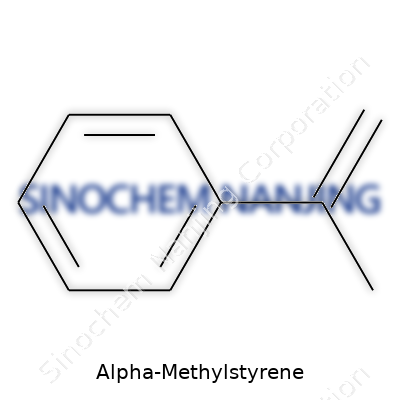
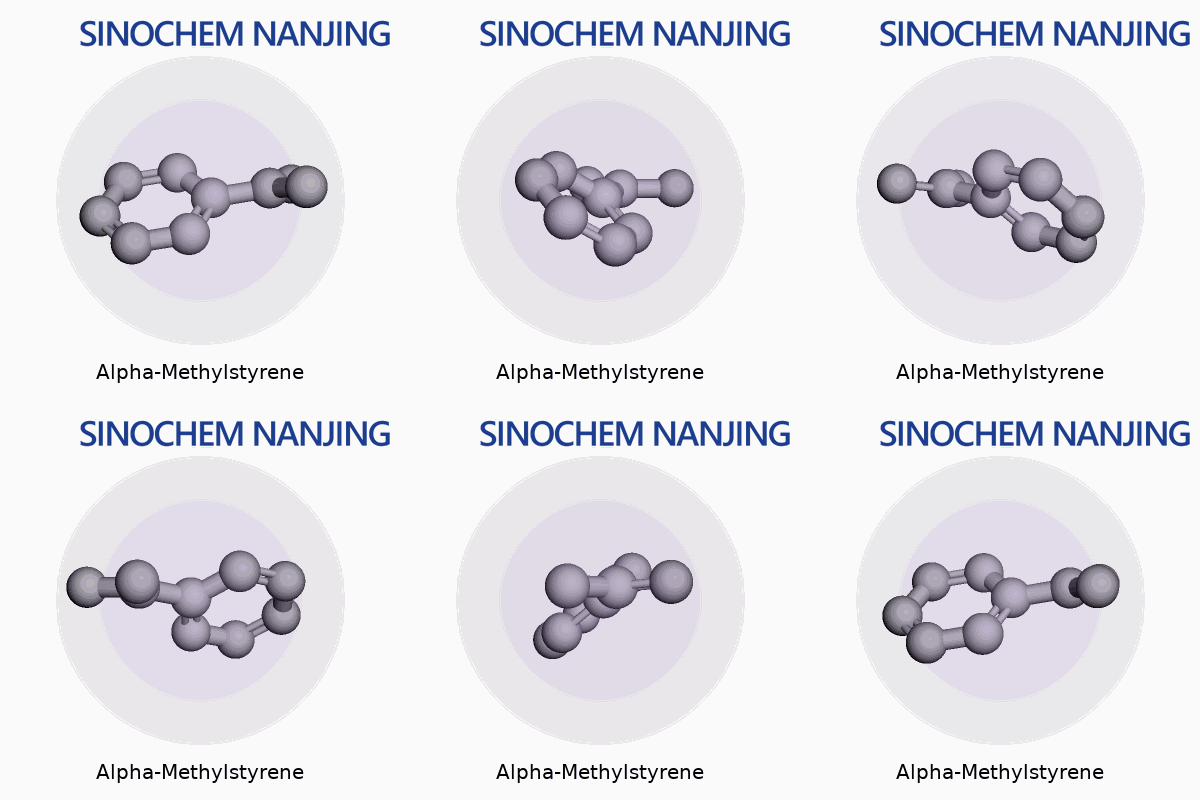
| Names | |
| Preferred IUPAC name | 1-phenylprop-1-ene |
| Other names |
Isopropenylbenzene AMS 2-Phenylpropene 2-Phenyl-1-propene |
| Pronunciation | /ˌæl.fəˌmiː.θəlˈstaɪ.riːn/ |
| Identifiers | |
| CAS Number | 98-83-9 |
| 3D model (JSmol) | `3D model (JSmol)` string for **Alpha-Methylstyrene**: ``` CUc1ccc(cc1)C(C)=C ``` |
| Beilstein Reference | 1841090 |
| ChEBI | CHEBI:17698 |
| ChEMBL | CHEMBL14176 |
| ChemSpider | 5285 |
| DrugBank | DB02055 |
| ECHA InfoCard | 17c4b6ef-7cab-41cf-bfd8-6bc40be139e6 |
| EC Number | 201-297-1 |
| Gmelin Reference | Gmelin Reference: "120888 |
| KEGG | C02382 |
| MeSH | D000574 |
| PubChem CID | 7501 |
| RTECS number | WL5075000 |
| UNII | W1XTI5320Z |
| UN number | UN2303 |
| CompTox Dashboard (EPA) | DTXSID4020714 |
| Properties | |
| Chemical formula | C9H10 |
| Molar mass | 118.18 g/mol |
| Appearance | Colorless to pale yellow liquid |
| Odor | aromatic |
| Density | 0.925 g/mL at 25 °C |
| Solubility in water | Insoluble |
| log P | 2.8 |
| Vapor pressure | 0.6 mmHg (20°C) |
| Acidity (pKa) | 19.41 |
| Basicity (pKb) | 12.46 |
| Magnetic susceptibility (χ) | -7.97×10⁻⁶ cm³/mol |
| Refractive index (nD) | 1.513 |
| Viscosity | 1.1 mPa·s at 20°C |
| Dipole moment | 0.74 D |
| Thermochemistry | |
| Std molar entropy (S⦵298) | 321.6 J·mol⁻¹·K⁻¹ |
| Std enthalpy of formation (ΔfH⦵298) | 284.7 kJ/mol |
| Std enthalpy of combustion (ΔcH⦵298) | -4886 kJ/mol |
| Hazards | |
| GHS labelling | **GHS labelling string for Alpha-Methylstyrene:** GHS02, GHS07, GHS08, Danger, H226, H315, H319, H332, H335, H351 |
| Pictograms | GHS02,GHS07 |
| Signal word | Warning |
| Hazard statements | H226, H332, H315, H319 |
| Precautionary statements | P210, P280, P305+P351+P338, P304+P340, P312, P403+P235 |
| NFPA 704 (fire diamond) | 2-3-2 |
| Flash point | 52 °C (126 °F; 325 K) |
| Autoignition temperature | 490°C |
| Explosive limits | 1.0–6.0% |
| Lethal dose or concentration | LD50 oral rat 4750 mg/kg |
| LD50 (median dose) | LD50 (median dose): Oral-rat LD50: 2930 mg/kg |
| NIOSH | RN3675000 |
| PEL (Permissible) | 100 ppm |
| REL (Recommended) | 10 ppm |
| IDLH (Immediate danger) | 900 ppm |



