Agmatine Sulfate: The Full Picture From Discovery to Prospects
Historical Development
People started taking a closer look at agmatine in the early 20th century after its discovery as a natural derivative of the amino acid arginine. The scientist Albrecht Kossel first isolated agmatine from herring roe all the way back in 1910. That kicked off a wave of research into biogenic amines, a group that includes other big names like histamine and dopamine. Chemists and physiologists hustled for decades, at first considering it just a curious byproduct in animal tissues, mostly in the brain and liver. Later on, labs found a link between agmatine and several key pathways tied to cardiovascular health, neurotransmission, and cell signaling. All those lab notebooks and data sheets led to new possibilities in both supplements and pharmaceuticals, turning an obscure molecule into something that now gets a lot of attention in health stores and academic journals.
Product Overview
Agmatine sulfate comes as a white, crystalline powder with a slightly bitter, salty taste. On supplement store shelves, agmatine often appears as capsules or bulk powder with serving sizes running from a few hundred milligrams up to a full gram per scoop. Labels usually promote nootropic potential, pre-workout energy, or support for mood and metabolism. The food-grade product typically lands somewhere between 98% and 99% purity, which matters for both research and safe, predictable use in humans. It stands out among amino acid derivatives for its robust shelf stability, making it easy to package and use without much fuss over spoilage or breakdown under normal conditions.
Physical & Chemical Properties
You can recognize agmatine sulfate as a highly water-soluble compound, forming clear solutions across a range of concentrations. At a molecular weight of 228.28 g/mol (for the sulfate salt), it dissolves best under slightly acidic to neutral pH. It doesn’t hold up as well in strongly basic conditions, as high pH can prompt hydrolysis. The crystalline solid forms needle-like clusters or compact powder depending on the batch and synthesis method. Its melting point, hovering around 263°C for the stable salt, means ordinary storage temperatures don’t risk degrading the product.
Technical Specifications & Labeling
Most product labels must include batch, lot number, and expiration date. Supplements listing agmatine sulfate often describe purity levels, manufacturing source, and sometimes disclosure of allergens or potential contaminants like heavy metals. In pharmaceuticals or research labs, typical specs list content via HPLC or NMR (nuclear magnetic resonance) to verify batch integrity. Users should be able to spot information on chemical structure (C5H14N4 · H2SO4), solubility, and sometimes warnings—especially for those pregnant or taking blood pressure medication—on reputable products.
Preparation Method
Large-scale manufacture starts with L-arginine, a widely available amino acid, as the raw source. Through a decarboxylation reaction—most commonly using arginine decarboxylase or via chemical synthesis under controlled temperatures and pH—raw agmatine is isolated. The crude agmatine then undergoes purification, after which it reacts with sulfuric acid (in controlled quantities) to form the stable, easily handled sulfate salt. Purification steps often involve recrystallization and filtration to weed out byproducts and unreacted arginine. Some industrial processes toss in extra steps like lyophilization or drying under vacuum to get that high-purity, free-flowing powder seen in commercial tubs.
Chemical Reactions & Modifications
Chemists recognize that agmatine sulfate can take part in redox reactions, act as a base by accepting protons, or serve as a substrate in various enzymatic reactions found in mammalian tissues. Derivatives emerge through acetylation or methylation, giving rise to a handful of analogs that researchers explore for unique properties. Sulfate binding imparts extra stability and solubility compared to free agmatine, making it the go-to choice for supplements and research. Pharmaceutical R&D also investigates formulating agmatine with liposomes or nanoparticle carriers, aiming to tweak absorption and distribution within the body.
Synonyms & Product Names
Agmatine pops up under names like 4-(Aminobutyl)guanidine, decarboxylated arginine, and sulfate salt of agmatine. Supplement brands toss out terms like AGY, Agmat, or “neurotransmitter modulator” to catch eyes on bottles. For regulatory and inventory purposes, CAS number 2482-00-0 uniquely identifies this molecule while skipping brand hype.
Safety & Operational Standards
Producers must meet GMP (Good Manufacturing Practice) rules when making agmatine supplements. That involves controlling dust, cross-contamination, and monitoring solvent residues from synthesis. Companies with strong reputations often submit products for third-party testing from labs like NSF or USP, aiming to reassure customers about purity and accurate dosing. Employees and lab workers need gloves, goggles, and sometimes respirators during weighing, mixing, and packaging, since inhalation or skin contact with high-purity agmatine or sulfuric acid can sting or irritate. Down the supply chain, logistics companies keep it dry, sealed, and out of sunlight to avoid caking and decomposition.
Application Area
In the supplement world, gym enthusiasts and athletes reach for agmatine sulfate to boost nitric oxide, chase bigger pumps, and dial in focus before heavy sets. Some clinics look at it as an adjunct for neuropathic pain or as part of stack therapies for mood disorders, anxiety, or opioid withdrawal. Animal research indicates possible cardiovascular benefits, creating buzz among scientists about future heart disease treatments. Meanwhile, agmatine’s unique ability to modulate polyamine pathways and interact with NMDA receptors spurs ongoing research into cognitive enhancement and neuroprotection. As usual, the market tends to move faster than published results, so some uses outpace peer-reviewed backing.
Research & Development
Ongoing studies continue to map out agmatine’s routes in the body. European researchers push into psychiatric territory, testing it for depression and anxiety relief, especially in cases where standard treatments stall. Biomedical labs in Asia tinker with injectable agmatine for spinal cord injuries and stroke recovery, reporting promising results in animal models. US universities run human studies—mostly small and short-term—to track benefits and side effects when combined with exercise or other supplements. These projects keep interest high among both scientists and industry, yet more peer-reviewed publishing and replication are needed to confirm early glimmers of promise.
Toxicity Research
Animal studies find moderately high doses of agmatine sulfate cause few acute side effects when given orally, though injections or very large oral loads can bring on low blood pressure or gastrointestinal upset. Some rat studies observed minor behavioral changes at extremely high doses, pushing scientists to recommend well-monitored trials before anyone extends those findings to people. Case reports from clinics imply few long-term risks at typical dietary levels, but experts keep a wary eye on interactions with blood pressure meds or antidepressants based on agmatine’s biological roles. No hard evidence ties routine doses to organ toxicity, liver stress, or lasting neurochemical changes, yet calls grow louder for real, long-term human trials instead of just animal or short-run studies.
Future Prospects
If the laboratory excitement makes its way into regulated medicine, agmatine sulfate could branch far beyond proteins and powders for athletes. Researchers see a path forward for agmatine as an adjuvant in chronic pain care, stroke rehab, and even as a next-generation antidepressant. Supplement makers look for new forms—chewable tablets, timed-release capsules, stack blends with synergists—to capture both mainstream shoppers and hardcore lifters. The future also hinges on regulatory clarity: better safety data from large-scale human trials could open or close doors, determining if agmatine shifts from “biohacker favorite” into something prescribed by your family doctor. If research delivers on its hints, and if companies keep quality high, agmatine sulfate might end up in the medicine cabinet alongside many household names you grew up with.
What is Agmatine Sulfate and what are its benefits?
Digging Into the Basics
Agmatine sulfate isn’t just another supplement in the long line of things promising energy or focus. For a lot of people walking around the local gym or scrolling through nutrition threads, its name has popped up next to brain health, pain relief, and workouts. Agmatine comes from arginine, an amino acid found in many high-protein foods. After a chemical transformation in the body, agmatine pops out. Even though scientists learned about it more than a hundred years ago, its role only entered supplement conversations recently.
Possible Benefits Backed by Experience and Science
People often mention agmatine sulfate for its help in easing pain signals — researchers have looked at this in animals and humans. As someone who’s struggled with aches from heavy lifting, I keep an eye on anything that could help with nagging pain that’s not relieved by basics like stretching or rest. I’ve noticed folks in pain management forums swap stories about agmatine giving them another tool when over-the-counter pain medicine stops working well. Early studies point to agmatine interacting with pain pathways in the brain, almost like hitting a dimmer switch on discomfort. Still, I believe more large-scale human studies need to confirm how strong or reliable this effect really is.
There’s also talk about its impact on mood and stress. Some people say they feel calmer or more balanced. The science here points to agmatine’s connection with neurotransmitters like serotonin and norepinephrine — both involved in mood. From my view, mental well-being needs a mix of things: routine, sleep, support networks. But small shifts from supplements, especially in tough times, catch my attention because even a bit of relief can feel big. Scientists have tested agmatine for its antidepressant-like properties in early trials, noticing some promise, but large, long-term trials remain rare.
Agmatine’s role in workouts also never fails to draw gym-goers. Some claim they see better muscle pumps and recovery. On the biological side, agmatine seems to help expand blood vessels, which means extra nutrients and oxygen get to tissues faster during and after exercise. For years, I relied on caffeine and creatine for focus and recovery, but agmatine does something different by working on blood flow, according to several published trials. Still, nothing beats real food, good hydration, and consistency in the training results I’ve witnessed.
Safety, Questions, and Where to Go From Here
Supplements always walk a fine line. Agmatine sulfate doesn’t usually cause side effects, but some people mention stomach cramps or feeling lightheaded. Research on long-term use or higher doses still runs a bit thin. If you’re already taking blood pressure meds or antidepressants, mixing in other supplements can cause unexpected interactions, so talking to a primary care doctor makes sense.
Labels on supplements don't always guarantee what’s in the bottle, either. Trustworthy third-party testing and picking reputable brands helps cut the risk of contamination or wrong doses. Price does not always mean quality, so digging up recent lab reports or trusting companies that invest in transparency is worth your while.
Looking Ahead
Agmatine sulfate sits at the crossroad of brain, pain, and performance health trends. Early science gives hope, and stories from those who try it add weight to that. I’d like to see more comprehensive, independent research, especially tracking both benefits and side effects in a broad mix of people over years, not just days or weeks. For now, curiosity mixes with caution, personal experience, and a focus on established healthy habits.
How should I take Agmatine Sulfate and what is the recommended dosage?
Finding Clarity in Supplement Advice
Agmatine sulfate sparked curiosity in me after reading about its buzz in fitness forums and nootropics circles. The compound comes from arginine, an amino acid common in protein foods. Some folks look to agmatine for perks like sharper focus, milder anxiety, or even stronger workouts. The range of claims gets wide, fast—that’s why I started with a real dose of skepticism and focused on what well-known sources and researchers actually say.
What the Science Says About Agmatine
Doctors at big research hospitals have looked into how agmatine interacts with receptors in our brains and bodies. Studies in Frontiers in Pharmacology and the Journal of Neurochemistry talk about its role influencing neurotransmitters like serotonin and dopamine. Athletes love discussing blood flow and muscle pumps, too. As with any supplement, the hype needs matching with evidence. Clinical trials suggest agmatine might help manage pain, especially neuropathic pain, and could even blunt some of the effects of opioid tolerance. On the mental health side, research shows some potential for easing mild anxiety, but people react differently.
I noticed most investigations stick to moderate, short-term usage. The safety data supports daily supplements up to around 2.7 grams, but most positive reports circle in the 500-1,000 mg range per day. This narrower window stands out when compared to sometimes wilder advice found online.
How I Take Agmatine Sulfate
Over months of using agmatine sulfate, I’ve settled on 500 mg once a day, usually before a workout or with breakfast. Capsules feel easier on my stomach, but some people use the powder mixed with water. Timing plays less of a role for me compared to steadiness. Keeping a consistent routine matters. On training days, I stick to the schedule. On rest days, I take the same amount, and I haven’t had side effects—other than a slight headache once after doubling up by mistake.
People with kidney issues, major health concerns, or those on prescription medications (especially antidepressants or blood pressure drugs) should double-check with their doctor and a registered dietitian. The risk of interactions runs higher for these groups, and a supplement as potent as agmatine isn’t something to toss into your stack without a conversation. My own experience feels smoother after a thumbs-up from a sports medicine doctor familiar with my health background.
Common Missteps and Realistic Expectations
A lot of supplement shoppers want quick fixes. Agmatine isn’t a magic bullet for lifting more or curing bad moods overnight. The most common problems show up when folks chase huge doses hoping for dramatic effects. Large amounts won’t turn a slow progress story into an overnight transformation, and you court more side effects like stomach discomfort or dizziness.
I always buy from sources that publish third-party lab tests for quality and purity. Ingredients from less transparent brands sometimes bring contamination risks. Supplements aren’t as tightly regulated as people hope, so vetting your source matters just as much as following a smart dose.
Seeking Balance, Not Miracles
Agmatine sulfate supports my workout routine and feels like a plus for my mental sharpness, but only as a piece of a bigger lifestyle—balanced diet, good sleep, and regular exercise. Anyone looking to start should keep to moderate doses, steer clear of miracle claims, and trust medical guidance before adding anything new. Results come slow and steady, not overnight.
Are there any side effects or risks associated with Agmatine Sulfate?
Real-World Curiosity About a Supplement
Agmatine sulfate’s name pops up a lot among fitness enthusiasts and biohackers. Plenty of people talk about sharper moods, stronger workouts, even hints of relief from pain or depression. It sounds tempting—sharper focus, faster recovery, potential support for mental health. But every supplement brings its own set of questions, and agmatine is no different. People want to know: Does it do harm if you take it for a long time? Is it safe with other medications?
The Science Behind the Headlines
Agmatine shows up naturally in foods like fermented soy and in small amounts in our bodies. Scientists discovered that it influences several important chemical pathways—impacting neurotransmitters like serotonin and dopamine, and even playing a role in how the body feels pain. Some animal studies suggest it may help protect nerves or lower blood pressure. Supplement brands point to these findings as proof it’s safe, but human research doesn’t always line up perfectly with lab studies.
Recent safety studies in healthy adults haven’t shown any major side effects from moderate doses. Still, this research is limited. Doses in supplements often run higher than what’s found in food. A paper published in the Journal of Dietary Supplements reported headaches, upset stomach, and mild diarrhea as possible issues at higher amounts.
Risks for Certain Groups
Medications like antidepressants, painkillers, or treatments for high blood pressure interact with agmatine’s pathways. Taking them together can cause trouble. For example, agmatine has been shown to support nitric oxide production. People using drugs for high blood pressure could see unexpected drops in their numbers, especially if they start a supplement without talking to their medical provider.
Those who struggle with kidney disease face higher risks. The kidneys have to filter out compounds like agmatine and extra amounts can pile up if their function slows down. One case report in a nephrology journal described a patient with kidney disease who developed confusion and abnormal movements after regular use. Not everyone with kidney issues will react this way, but stories like this remind us that more isn’t always better.
Safety Remains an Open Book
No supplement in the United States gets the same oversight as prescription drugs. Labels can stretch the truth, websites hype up the positives, and real dangers often fly under the radar. Smaller side effects get dismissed, but they deserve honest attention. Reports show some users dealing with digestive issues, agitation, or sleep problems after starting agmatine.
People chasing a mental or physical boost need to weigh any promise against the lack of long-term safety data. Companies rarely perform large, diverse studies. Most trials use young, healthy volunteers. Older adults, pregnant people, and anyone juggling chronic health problems have no guarantees on safety.
Healthy Steps Toward Smarter Supplement Use
Talking honestly with a healthcare provider is the best move—especially if medications or health problems already complicate things. Start small if you insist on trying agmatine. Watch for changes in mood, digestion, blood pressure, or sleep. Report problems rather than pushing through. Check for updated research instead of taking marketing at face value.
Supplements like agmatine don’t come with a crystal-clear safety net. Respect your body, listen to its signals, and never treat any pill or powder as a shortcut.
Can Agmatine Sulfate be taken with other supplements or medications?
What’s Agmatine Sulfate, and Where Does It Fit?
Agmatine sulfate shows up in conversations around fitness supplements, mood support, and even pain management research. It’s a compound produced in the body from arginine, linked to neurotransmitter function and nitric oxide production. You’ll spot it in pre-workout blends or nootropic stacks, and plenty of people talk about its “pump” effect in the gym. Researchers also keep testing its influence on mood and nerve pain. Because agmatine targets several biochemical processes, the question of combining it safely with other products isn’t just an afterthought.
Stacking Supplements: What to Watch For
I remember the excitement of my early supplement experiments. Combine this, stack that. But sometimes things didn’t mix as well as I hoped. Agmatine sulfate especially deserves respect for its interaction profile. Mixing it with other supplements is common, but not always straightforward. For example, combining agmatine with high doses of arginine doesn’t make sense—agmatine actually blocks some pathways of arginine, so you could sabotage the intended effect. It’s like trying to run a race with one foot on the brake.
Another pairing to think about: Creatine. In my experience, people toss both into their gym bag, but there isn’t strong evidence of direct synergy or negative interaction. Reports point to mostly safe use, although anyone can react differently. Some users stack agmatine with caffeine for focus, but combining too many stimulants could churn up anxiety, or boost blood pressure more than expected. There’s also the issue of mixing it with l-citrulline or betaine, popular for workout support. The results appear safe in healthy adults based on current research, but most evidence comes from anecdotal reports or small studies. Bottom line: Evaluate the overall stimulant load before building a dense supplement stack.
Medications Deserve Extra Caution
Add prescription drugs to the picture, and things get tricky. Agmatine attaches to receptors targeted by antidepressants, painkillers, and blood pressure medicines. Some studies on rats hint at agmatine boosting the effects of antidepressants like SSRIs or tricyclics. In human experiences, some users report improved mood, but there’s no broad clinical trial data. Mixing agmatine with medications that affect blood pressure demands care, because agmatine can lower blood pressure on its own. For someone on antihypertensives, this may produce dizziness or even risky drops in pressure. Anyone on insulin or diabetes medication should be wary, since agmatine might change carbohydrate metabolism—blood sugar could dip lower than intended.
I’ve seen friends tempted to “upgrade” their prescriptions by stacking supplements, but this can spiral into unexpected side effects. Trying something new feels exciting, but drug-nutrient interactions sometimes stay hidden until they cause a problem. A pharmacist or knowledgeable doctor can help spot conflicts before they appear. Real safety comes from talking openly with professionals, not just chasing anecdotal results online.
Building a Thoughtful Approach
Before jumping in, jot down all current supplements and medicines—honesty helps. Bring the full list to a healthcare appointment. Pharmacists notice patterns that slip past most of us and can explain real-world risks. Check supplement labels for hidden ingredients. Overlapping compounds pop up all the time, especially with athletic stacks, and unexpected combinations pile up quickly.
Quality also matters. Reputable companies test for contamination. Since supplements aren’t tightly regulated, products sometimes include things not on the label, like stimulants or even banned drugs. Pick brands with third-party verification to lower risks. Trust and transparency beat marketing buzz every time. At the end of the day, combining agmatine sulfate with other supplements or prescription medications calls for respect, a little research, and conversation with the right experts.
Is Agmatine Sulfate safe for long-term use?
What Is Agmatine Sulfate, and Who Uses It?
Walk through any supplement store or athletic forum and agmatine sulfate pops up again and again. It’s drawn attention for its possible benefits – from pain management to boosting workouts. People look to agmatine for everything from potential mood support to recovery after pushing their limits in the gym.
Agmatine sulfate isn’t just creatine’s little-known cousin or another “magic” capsule. It comes from arginine, an amino acid you find naturally in your diet. Scientists found that agmatine affects certain receptors in the nervous system, and this drew the eyes of researchers, biohackers, and anyone hungry for an edge — or relief from chronic pain.
Addressing Safety: What Does the Science Say?
The buzz about benefits travels faster than hard facts about safety. Some studies, like a 2020 review in the journal Frontiers in Pharmacology, point out that agmatine generally seems safe in short-term trials, often up to 90 days, at doses ranging from 2.67g to 3.56g per day. Research in people with neuropathic pain has looked at daily use for weeks to months, and most participants handled agmatine without serious side effects.
That said, open the medical journals and you notice the gaps. Most research doesn’t follow users for years, and sample sizes stay small. Some “n=1” stories across the internet mention side effects like stomach upset, headaches, or mild anxiety. If someone’s using prescription antidepressants or medication for blood pressure, it makes sense to be extra cautious – agmatine could interact in ways doctors don’t fully understand yet.
Why the Lack of Long-Term Data Matters
Something I’ve noticed in the supplement world: products show up, gain a reputation fast, and then people get creative or impatient, pushing for bigger results with higher doses or daily use. Supplements like agmatine haven’t faced the same regulatory testing as pharmaceutical drugs. Long-term safety studies cost real money and take years, so they rarely happen unless a supplement looks like a blockbuster.
Looking at the available facts, nobody has done a multi-year, large-scale examination of agmatine. That leaves us, the users, with educated guesses based on early animal data or scattered human case reports. People with kidney or liver problems face extra risks, since those organs help process what you put into your body. At the same time, no supplement is magic. For most of us, improvement means consistency — not just hoping today’s shortcut turns into tomorrow’s breakthrough.
Personal Take and Smarter Choices
I’ve tried many supplements chasing energy, mental focus, or pain relief from old sports injuries. Agmatine came on my radar through trusted lifters and a couple of nutrition experts. I noticed that almost everyone who stuck with it for more than a few months kept regular checks with their doctor and used the lowest effective dose. They resisted the urge to “push it” just because they weren’t seeing the overnight results splashed across online ads.
Anyone considering agmatine sulfate for the long haul should look at blood pressure, kidney and liver function, and stick to reputable brands with verified testing. During my own experiments, being honest with my doctor, tracking how I felt, and checking lab work gave me more peace of mind than any label promise. Everybody’s risk tolerance is different, but one thing stays true: nobody wants to trade quick gains for long-term harm.
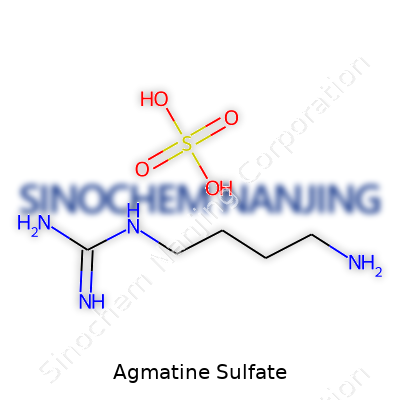
| Names | |
| Preferred IUPAC name | [[2-(Aminomethyl)butyl]guanidine] sulfate |
| Other names |
(4-Aminobutyl)guanidine sulfate Agmatine sulphate 1-(4-Aminobutyl)guanidine sulfate Agmatin sulfate |
| Pronunciation | /ˈæɡ.məˌtiːn ˈsʌl.feɪt/ |
| Identifiers | |
| CAS Number | 2482-00-0 |
| Beilstein Reference | 3492302 |
| ChEBI | CHEBI:17596 |
| ChEMBL | CHEMBL1237 |
| ChemSpider | 124701 |
| DrugBank | DB08375 |
| ECHA InfoCard | ECHA InfoCard: 100.230.859 |
| EC Number | EC 223-429-4 |
| Gmelin Reference | 188212 |
| KEGG | C06074 |
| MeSH | D000382 |
| PubChem CID | 126941 |
| RTECS number | CY20G0203T |
| UNII | 4Y2UB7RW7M |
| UN number | UN2811 |
| CompTox Dashboard (EPA) | DTXSID2098203 |
| Properties | |
| Chemical formula | C10H28N6O4S |
| Molar mass | 228.28 g/mol |
| Appearance | White crystalline powder |
| Odor | Odorless |
| Density | 1.6 g/cm3 |
| Solubility in water | Soluble in water |
| log P | -4.3 |
| Acidity (pKa) | 10.8 |
| Basicity (pKb) | 5.89 |
| Dipole moment | 0 D |
| Thermochemistry | |
| Std molar entropy (S⦵298) | 340.45 J·mol⁻¹·K⁻¹ |
| Hazards | |
| Main hazards | May cause respiratory and skin irritation. |
| GHS labelling | GHS07, GHS08 |
| Pictograms | GHS07 |
| Signal word | Warning |
| Precautionary statements | P264, P270, P301+P312, P330, P501 |
| NFPA 704 (fire diamond) | Health: 1, Flammability: 0, Instability: 0, Special: - |
| Autoignition temperature | 290°C |
| Lethal dose or concentration | LD50 (rat, oral): > 5000 mg/kg |
| LD50 (median dose) | 2510 mg/kg (rat, oral) |
| NIOSH | NO DATA |
| PEL (Permissible) | Not established |
| REL (Recommended) | 1000 mg |
| IDLH (Immediate danger) | No IDLH established. |
| Related compounds | |
| Related compounds |
Agmatine Arginine Putrescine Cadaverine Spermidine Spermine |



