5-Hydroxy-L-Tryptophan: A Deep Dive into Its Science and Significance
Historical Journey of 5-Hydroxy-L-Tryptophan
Curiosity about 5-Hydroxy-L-Tryptophan, better known as 5-HTP, runs back to the mid-20th century, long before the supplement world saw it line pharmacy shelves. Early chemists isolated it during tryptophan metabolism trials, chasing clues connected to serotonin’s role in human behavior and mood. By the late 1960s, researchers in Europe began using it for experimental therapies in both psychiatric and sleep clinics. It caught a wave of interest just as society started talking openly about mental health and the search for non-pharmaceutical solutions. Decades later, 5-HTP shifted from labs and clinics to health stores, riding on a blend of hope, science, and anecdote.
What Makes Up the Product
Strong demand for 5-HTP comes mostly from plant sources, especially the African shrub Griffonia simplicifolia. Each capsule or powder jar on the market usually carries a sharp label detailing milligram strength. Most commercial products settle between 50 mg to 200 mg per serving, designed with careful measurement to balance effectiveness against overstimulation. Tablets and capsules stay the common route, each packed to limit breakdown before the body absorbs what it needs.
Physical and Chemical Properties
Holding a sample of pure 5-HTP, you see a white to off-white crystalline powder, easy to mistake for simple sugar at first glance. But its molecular setup (C11H12N2O3) supports brain chemistry rather than taste. Water loves this molecule, letting it dissolve smoothly, something that helps absorption inside the body. Melting sits around the 293–296°C range, a point where chemists check for purity. Its stability resists light, but long exposure can bring yellowing as compounds degrade. Unlike tryptophan, adding a hydroxy group changes how it travels through body systems and how researchers handle it in the lab.
How Technical Specifications and Labels Unpack the Details
In one supplement aisle, label details can make or break trust. Labels for 5-HTP list source plant, purity (with 98% and above as industry-accepted), any residues from the extraction process, and batch analysis details. Regulations in the US and Europe press brands to list allergens, gluten, and whether fillers sneak into the mix. Some supply certificates prove GMO-free status to satisfy the health-conscious crowd. For quality control, brands emphasize third-party testing, and recent batches often provide QR codes linking to lab results. Not all bottles share these features, but the best-known brands lay everything out in the open.
Preparation Method: From Plant to Product
The usual preparation route begins with harvesting seeds of Griffonia simplicifolia. Seeds undergo cleaning before extraction starts with ethanol or water-based solvents. Companies often depend on patented extraction cycles, cycling through solvents under heat and pressure to pull out 5-HTP while keeping impurities low. After extraction, filtration clears the mess, and the solution passes through activated charcoal to remove any plant byproducts. Next comes crystallization, drying at strict temperatures, and powder milling. Each step checks for batch yield and purity using HPLC and mass spectrometry. The finished lots reach encapsulation or blending lines, where strict checks stop contaminants and allergens from tagging along.
Digging Into Chemical Reactions and Modifications
5-HTP chemistry draws attention in labs focused on modifying amino acid metabolism. In the body, 5-HTP changes into serotonin thanks to aromatic L-amino acid decarboxylase. In synthesis labs, chemists sometimes tweak its hydroxy group, turning it into various analogs to probe brain chemistry or slow down its breakdown inside the liver. Simple reactions—like forming salts with hydrochloric acid—improve its stability and solubility for some formulations. Recently, researchers tried grafting different aromatic groups to the backbone, hoping for compounds that cross the blood-brain barrier more efficiently. The avenue for 5-HTP analogs keeps medical chemists busy as mood disorder research pivots toward less toxic, more controlled therapies.
Synonyms and Product Names
Beyond “5-HTP,” plenty of terms circle the globe. Some use “oxitriptan” in clinical circles. The supplement world likes “5-hydroxytryptophan,” while older pharmacists remember “L-5-hydroxytryptophan.” Griffonia extract labels, especially in Europe, often skip chemical terms and stick to botanical origins. A few products blur lines, using brand-specific names that try to imply higher absorption or purity, but the molecule underneath remains the same. Such overlap can confuse buyers, especially in online markets where regulatory enforcement trails behind marketing claims.
Safety and Operational Standards
Safety starts with batch purity. Leading brands run each lot through microbial and heavy metal screening, due to a few ugly scandals in the supplement market’s past. Proper manufacturers set strict storage rules: low moisture, cool temperatures, away from direct light. For those working with large-scale powder or bulk solutions, wearing dust masks, gloves, and googles counts as normal, not optional. European and US regulators publish clear rules on acceptable trace contaminants, solvents, and what residue levels mark the border between supplement and pharmaceutical class. Regular audits aim to spot shortcuts before they cause problems. On a personal note, always scanning for GMP or NSF marks puts real quality ahead of hype.
Application Across Sectors
Mental health leads the list for 5-HTP’s uses, especially where anxiety and mood struggles cloud daily life. Over-the-counter products target insomnia, sometimes promising support for restless legs or migraine relief. Medical trials keep tapping it for cases where selective serotonin reuptake inhibitors fall short or come with rough side effects. Wellness and biohacking communities ride the serotonin story, pushing for more research on appetite and weight control, believing serotonin’s downstream effects hold keys to obesity management. A few sports recovery brands experiment by adding low-dose 5-HTP to blends, betting on improved sleep and mood helping with muscle repair—or at least with sticking to a smart routine.
Research and Development Landscape
Academic groups in Europe, the US, and parts of Asia pump out studies on 5-HTP every year. Some focus on isolating new plant strains with higher concentrations, shaving down land and resource needs for cultivation. Pharmaceutical research digs into how 5-HTP derivatives pass the blood-brain barrier, aware the next generation of antidepressants might draw from amino acid science. Sleep centers and psychiatric clinics run trials that change the public conversation. Recent years saw more scrutiny of long-term use and interactions with common antidepressants, as strange side effects and serotonin syndrome reports stirred the debate. Each new set of data keeps both the supplement market and clinical community adjusting their guidance and warnings.
Toxicity and Safety Research
Safety debates heat up when stories of poorly-regulated supplements make the news. Animal trials set the groundwork for human safe dosing, but isolated incidents of heart valve issues or serotonin syndrome—most often from irresponsible stacking or mega-dosing—fuel calls for better oversight. Some toxicity studies focused on neurological health, chasing the risks of chronic overuse or unintentional contamination with peakone, a once-infamous impurity. Others explored possible kidney or liver burden, showing that most healthy adults process regulated doses without trouble, but flagged hidden drug interactions with SSRIs or MAO inhibitors. Regulators and research teams—especially after the tryptophan supplement scares of the 1990s—made batch analysis and raw material tracking mandatory for serious suppliers. Anyone considering 5-HTP for the first time hears the same refrain: start low, work with a professional, watch for side effects, and steer clear of unknown blend brands.
Future Prospects of 5-HTP
Looking ahead, plant breeding programs in West Africa and biotech labs in Europe aim to boost yields and cut the reliance on wild harvesting, easing some ecological pressure. Genetic engineering offers routes to more stable and bioavailable 5-HTP, and clinical trials refine dosing and safety profiles. Consumer apps and digital diagnostics may soon help guide safe use, matching personal genetics or health conditions to supplement regimes. More countries press for clearer regulations, seeing the mental health and wellness boom not as a fad, but a call for improved guidance and strict requirements. As synthetic biology matures, it's possible factory fermentation will outpace extraction, decreasing costs and environmental tolls alike. The intersection of neuroscience, plant science, and supplement safety suggests that 5-HTP probably won’t be a one-note story, but a model case for how evidence, patient need, and commercial interests shape the next generation of dietary and mental health solutions.
What is 5-Hydroxy-L-Tryptophan and how does it work?
The Basics of 5-HTP
5-Hydroxy-L-Tryptophan, commonly known as 5-HTP, comes straight from an amino acid we all need called tryptophan. This amino acid is found in foods like turkey, eggs, and cheese. In the body, tryptophan gets converted into 5-HTP, which then gets turned into serotonin—a brain chemical that keeps mood and appetite in check. Grocery store supplements usually source their 5-HTP from the seeds of an African plant called Griffonia simplicifolia. People often seek out these pills hoping for an edge in beating low moods, getting better sleep, or managing stress.
Why Serotonin Matters
Serotonin does a lot behind the scenes. Low levels of it link to mood swings, anxiety, sleep issues, and even weight gain. Taking 5-HTP supplements bumps up serotonin production, which might explain why people reach for it in tough times. Some studies show a boost in mood and sleep. For instance, published clinical research suggests that 5-HTP can help ease symptoms of depression and possibly provide some relief for those struggling with insomnia. Others turn to it to curb cravings, especially when tackling weight loss.
The Science and Skepticism
Some small-scale studies back up claims that 5-HTP brings real benefits. For example, a trial published in the American Journal of Psychiatry reported improved depression symptoms with 5-HTP compared to a placebo. Another study from Alternative Medicine Review noted improvements in sleep quality for those using it. That's promising, but not every researcher is sold. Science wants larger, better-designed trials before giving the green light for everyone to take 5-HTP daily. The supplement doesn’t work the same way for everyone. People have unique brain chemistry, nutrition, and habits that change how the body uses this nutrient.
Risks and the Need for Caution
It’s tempting to think that natural means harmless. That isn’t always the case. 5-HTP can spark side effects like stomach upset, nausea, or diarrhea, especially at higher doses. There’s a very real risk called serotonin syndrome if someone piles on too much 5-HTP—especially if mixed with antidepressants or migraine medications. Doctors warn that symptoms like confusion, rapid heart rate, and high blood pressure need medical attention. The supplement market in many countries doesn’t require the same rigid testing as prescribed drugs, either, so purity and dose accuracy can’t be taken for granted.
Choosing Wisely and Looking Ahead
People exploring 5-HTP need to talk with their healthcare providers, especially if they use other medications or have existing health concerns. Labels on supplements often stretch the truth; doctors and pharmacists help cut through the clutter. Nutrients from a mixed, healthy diet remain important—no pill replaces that foundation. Researchers keep digging into how 5-HTP interacts with our unique bodies. Future studies need to sort out safe doses and long-term impacts, and look at how nutrition, gut health, and genetics affect serotonin production. Trusted sources for supplements and solid relationships with healthcare helps keep wellness efforts safer and more effective.
What are the benefits of taking 5-Hydroxy-L-Tryptophan?
Understanding 5-HTP
5-Hydroxy-L-Tryptophan, known as 5-HTP, gets plenty of attention in health circles for its link to mood and sleep. As someone who digs into both personal experience and science, I can see why. This supplement comes from the seeds of an African plant called Griffonia simplicifolia and helps raise levels of serotonin in the brain. Serotonin affects everything from mood to digestion. Low serotonin often brings feelings of worry or leaves a person feeling run down.
Supporting Mood and Well-being
Research shows people who add 5-HTP report fewer feelings of sadness or anxiety. I once tried 5-HTP during a tough patch, and I noticed a gentle shift in my mood after a couple of weeks. This track record isn’t just anecdotal. Studies published in journals like Neuropsychopharmacology suggest that 5-HTP can raise serotonin and support people going through stress, loss, or long-term challenges. The key is consistency rather than instant results.
Better Sleep Through Serotonin
Sleep quality means a lot for energy and focus. Serotonin plays a big role in sleep since it helps the body produce melatonin, the hormone tied to the sleep-wake cycle. Some people take 5-HTP and find they fall asleep easier and wake less often at night. I’ve spoken with people who work shifts or struggle with jet lag, and they often look for better sleep habits rather than heavy medications. Taking 5-HTP gave them another non-prescription option worth considering along with regular bedtime routines.
Help with Weight Management
Difficulty managing weight can tie back to mood or sleep troubles, not just diet and exercise. It’s been interesting to see research show that 5-HTP can help by controlling appetite. Studies, including those from the American Journal of Clinical Nutrition, found that people eating fewer calories while taking 5-HTP felt fuller for longer. That meant less nighttime snacking and smaller portions at meals. Emotional eating sometimes creeps in during stressful periods, and 5-HTP's impact on serotonin can indirectly help steer some of those cravings.
Informed Use and Safety
People need to make decisions based on good information. The safety profile of 5-HTP looks solid when used at recommended doses for short periods. Side effects like stomach upset or drowsiness can pop up, so it makes sense for anyone interested to talk to their healthcare provider, especially those taking antidepressants. The key is to look for reputable brands since the supplement industry has its share of low-quality products.
Broader Health Approaches
No single supplement fixes everything. 5-HTP shows benefits for mood, sleep, and appetite, but I’ve always believed in the power of habits—regular movement, whole foods, meaningful relationships. Supplements like 5-HTP work best alongside these daily choices, not as quick fixes. Quality sleep and balanced eating still anchor a healthy mind and body.
Are there any side effects or risks associated with 5-Hydroxy-L-Tryptophan?
A Closer Look at 5-HTP’s Effects
5-Hydroxy-L-Tryptophan, or 5-HTP, pops up in plenty of supplement aisles and online health forums. It’s marketed for mood support, sleep, even weight control. I remember a period where friends talked up 5-HTP as if it were nature’s answer to life’s rough patches. Their stories sounded convincing—quick sleep-ins, brighter mornings, fewer stress headaches. But there’s usually more to the picture, and that’s worth digging into.
5-HTP spins out from tryptophan, one of those amino acids the body grabs from food. The body turns tryptophan into serotonin, the so-called “happy chemical.” So the pitch is that 5-HTP nudges serotonin upward, smoothing out mood and calming nerves. Yet that isn’t the whole story. Unlike tryptophan in turkey or cheese, 5-HTP comes as a direct supplement. Higher doses and quick absorption lead to bigger changes—sometimes too big.
Where Trouble Crops Up
Real people have reported nausea when trying 5-HTP. Stomach cramps and diarrhea aren’t rare, and more sensitive folks might experience headaches or heart palpitations. One medical reason for stomach upset: serotonin itself steers a lot of gut activity. Push those levels away from natural balance, and things get uncomfortable.
In my own trial run—after reading blogs, consulting with a pharmacist, and tracking my mood—I learned two capsules a night left me foggy the next morning. Others in my circle mentioned similar stories. Survey data supports these effects. A clinical study in the Journal of Neural Transmission found up to a third of participants struggled with gastrointestinal issues on daily 5-HTP. Fatigue or strange dreams also came up.
Potential for Serious Risks
The bigger concerns? Serotonin syndrome. This rare but serious reaction happens when the body overloads on serotonin. Anyone already using antidepressants, like SSRIs or MAOIs, stands at greater risk. Symptoms include agitation, high blood pressure, fever, and sometimes muscle twitching. Emergency rooms have caught these cases and flagged them as dangerous. Pairing supplements and prescription drugs isn’t just risky—it can land you in serious trouble.
Another layer of risk comes from unregulated supplement quality. Independent analysis from ConsumerLab and other watchdogs has shown that some 5-HTP bottles contain less or more than claimed. One batch in 1998, contaminated with “peak X,” caused blood and muscle disorders in dozens of users. That episode left some with permanent health issues.
What Sensible Use Looks Like
Health professionals often urge patients to proceed with real caution. Checking with a doctor before adding 5-HTP, especially with prescription meds or a history of mental health or digestive conditions, avoids some landmines. Track any new symptoms on paper for two weeks and pause at the first sign of discomfort. Choosing third-party tested supplements can reduce quality worries.
Inside healthcare, the trend isn’t to banish 5-HTP but to keep its use targeted—short-term, for specific needs, not as a cure-all. Real-world experience and research point to a need for informed, careful trial. Not every supplement delivers promised benefits, and some bring sharp side effects along for the ride.
What is the recommended dosage for 5-Hydroxy-L-Tryptophan?
A Look at 5-HTP: What People Want to Know
5-Hydroxy-L-Tryptophan, better known as 5-HTP, pulls attention for its reputed effects on mood, sleep, and general wellbeing. It’s the supplement people ask about after hearing how it boosts serotonin, that brain chemical often linked to happiness and calm. If you walk through any vitamin aisle, the little bottles make big promises. Still, a lot of folks want to know: How much is safe, and how much is too much?
Lessons from Clinical Studies and Medical Advice
Experience shows that most dietary supplements give best results in moderation. 5-HTP is no different. Studies track dosages ranging from as low as 50 mg to as high as 400 mg per day, depending on the reason for taking it. For general mood balance or mild sleep trouble, people typically start at 50 to 100 mg, once or twice per day. Some clinical trials looking at support for mood in depression used up to 300 mg a day, split into multiple doses. You rarely see good science supporting doses above 400 mg per day, and even then under the watch of health professionals.
Doctors tend to advise starting low with supplements like 5-HTP, because the body can react in unexpected ways. Too much too soon means headaches, nausea, digestive trouble, or the risk of serotonin syndrome, a serious condition caused by too much serotonin in the brain. Anyone mixing 5-HTP with antidepressants faces even bigger risks; things can go sideways in a hurry. Pharmacists I know recommend talking through your whole medication list before picking up that supplement bottle.
The Realities Behind Serving Size and Supplement Labels
Supplement labels often print wide dosage ranges, but that doesn’t always reflect individualized health needs. Companies try to cover their bases, sometimes overstating the power of their pills. From experience, reading labels shouldn’t replace having a real conversation with a doctor or a pharmacist. I’ve heard from nurses who say patients rarely talk about supplements until side effects show up. Keeping open communication closes that gap.
Older Adults and Special Considerations
Some age groups need extra caution. Older adults, or those managing chronic health conditions, face a greater chance of interactions or unwanted responses. I’ve seen family members dealing with blood pressure swings or odd heart rhythms after starting supplements without guidance. Add a supplement like 5-HTP and the stakes shift, especially if sleep medications, pain relievers, or psychiatric drugs play a role in daily routines.
Towards Responsible Supplement Use
Getting real value from 5-HTP—without crossing lines into danger—means respecting researched guidelines. That usually points to 50-100 mg, once or twice daily, taken with a meal to avoid stomach upset. People coping with migraines or certain sleep disorders sometimes try 100-200 mg, but only after talking to a health professional. A family member once found relief from mild insomnia at a low dose, but upping the amount brought on grogginess that lingered into the next day.
Everyone wants results yesterday, especially when it comes to mood or sleep problems. The smartest move stays the same: patience, clear communication with a doctor, and realistic expectations. Real-life experience and current science both point in the same direction: start low, check in regularly, and don’t let high hopes push you toward reckless choices. That’s where trust and wellbeing start to build, one conversation at a time.
Can 5-Hydroxy-L-Tryptophan be taken with other medications or supplements?
Looking Deeper Into 5-HTP
Most people hear about 5-Hydroxy-L-Tryptophan—shortened as 5-HTP—when searching for something to lift mood or sleep better. It comes from the seeds of an African plant called Griffonia simplicifolia. Once in the body, it turns into serotonin, a brain chemical that helps with sleep, appetite, and the feeling of well-being.
I’ve seen a lot of excitement around natural alternatives for stress, but with 5-HTP, the story isn't as simple as just popping a supplement. Plenty of folks think, “It’s from a plant, so it can’t hurt.” But mixing it with medications or other supplements can land someone in real trouble.
Where Problems Can Start
Medications that raise serotonin—SSRIs for depression, SNRI drugs, even prescription painkillers like tramadol—don’t mix safely with extra serotonin-producing supplements. Combining 5-HTP and these drugs can cause serotonin syndrome. That’s a dangerous overload leading to anxiety, tremors, high blood pressure, and in rare cases, something even scarier.
From what I’ve seen as a health writer covering supplement use among people balancing mental health, plenty forget to mention herbal products to their doctors. Many don’t realize the brain doesn’t care if serotonin comes from a prescription or a plant. It all adds up, and side effects follow.
Interactions Extend Further
Sleep aids, migraine medications, and even cough syrups with dextromethorphan add risk when thrown in the mix. Older adults often juggle various pills, and their systems don’t clear out serotonin as fast. The potential for complications grows quickly.
Supplements aren’t off the hook, either. St. John’s Wort, saffron, and L-tryptophan itself all push serotonin levels. People hear about benefits for mood and assume doubling up speeds things along. It reminds me of folks self-dosing vitamins thinking more means better when the body just gets overloaded.
Spotting Trouble Signs Early
People often miss early warning signals when serotonin climbs too high. Agitation, nausea, or a rapid heartbeat might seem like side effects from another medication or a stressful day. I’ve met more than one person who upped a supplement dose only to feel jittery and out of sorts for weeks without realizing what was happening.
Smart Paths Forward
Anyone thinking about adding 5-HTP should make their healthcare provider part of the decision. Pharmacists and doctors spot drug interactions quickly; they see the whole picture. It helps to list every supplement and medicine—prescription or not. A trusted dietitian or clinical pharmacist reads between the lines and gives advice banks can’t provide.
If someone already relies on mood or sleep medicine, an honest talk comes before any trip to the vitamin aisle. Regular blood pressure checks and a close eye on side effects protect health better than hoping for the best. If side effects show up, stopping the supplement and calling a doctor beats pushing through “until it gets better.”
The Bottom Line for Wellness Shoppers
Clear information removes surprises. 5-HTP offers potential, but trust builds by leaning on professionals and real facts before adding it to a daily routine. Curiosity about health choices is a good thing, but so is patience and asking smart questions before shifting gears.
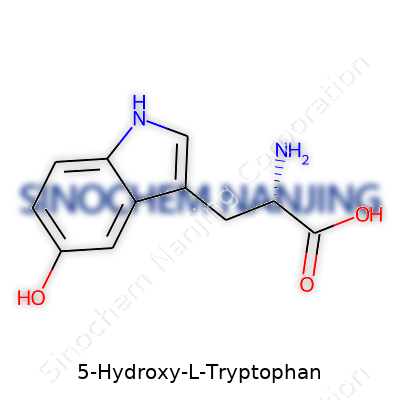
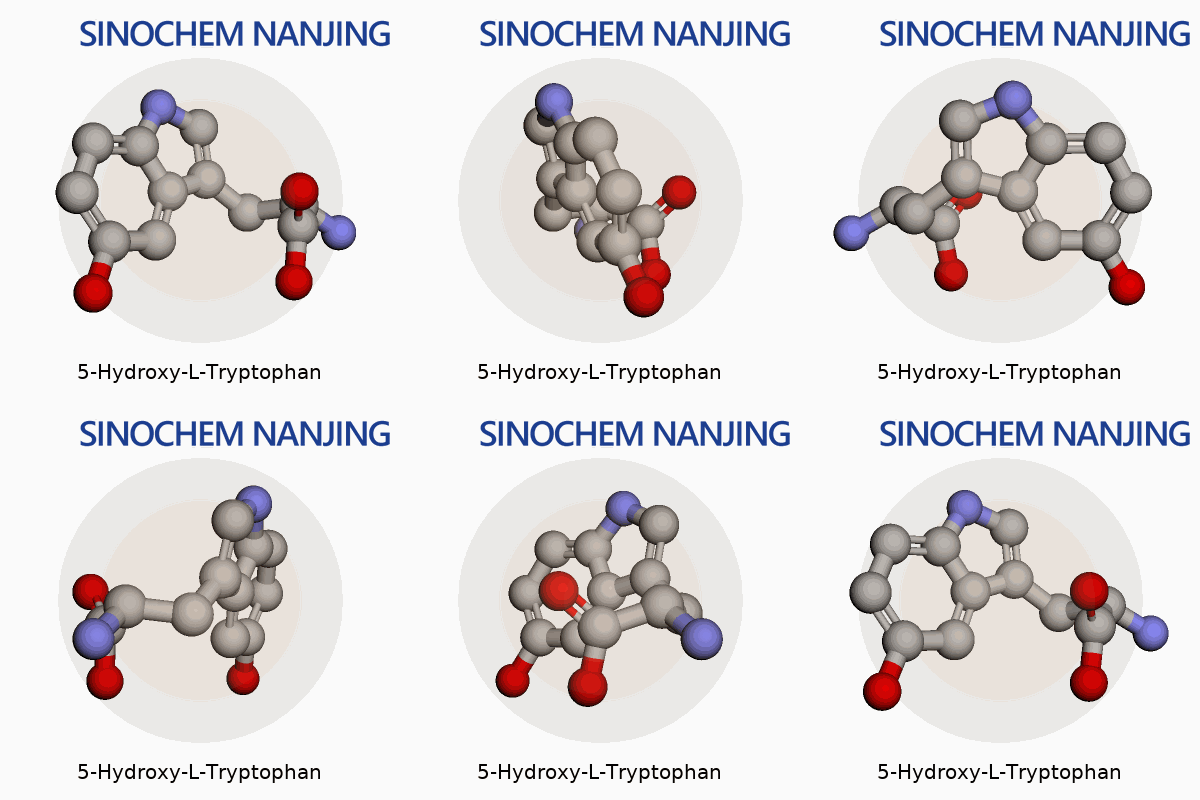
| Names | |
| Preferred IUPAC name | (2S)-2-amino-3-(5-hydroxy-1H-indol-3-yl)propanoic acid |
| Other names |
5-HTP Oxitriptan L-5-Hydroxytryptophan 5-Hydroxytryptophan |
| Pronunciation | /faɪ haɪˈdrɒksi ɛl trɪpˈtəfəˌn/ |
| Identifiers | |
| CAS Number | 56-69-9 |
| Beilstein Reference | 127983 |
| ChEBI | CHEBI:15749 |
| ChEMBL | CHEMBL451 |
| ChemSpider | 211061 |
| DrugBank | DB02230 |
| ECHA InfoCard | 03b081af-c5e9-4df5-abc7-6e3acdc311f3 |
| EC Number | 1.1.1.193 |
| Gmelin Reference | 80881 |
| KEGG | C05558 |
| MeSH | D017547 |
| PubChem CID | 167453 |
| RTECS number | WH6825000 |
| UNII | Q08PMZ4J8Y |
| UN number | UN2811 |
| Properties | |
| Chemical formula | C11H12N2O3 |
| Molar mass | 220.23 g/mol |
| Appearance | White to off-white powder |
| Odor | Slightly characteristic |
| Density | 1.6 g/cm³ |
| Solubility in water | Soluble |
| log P | -2.0 |
| Vapor pressure | 3.04E-10 mmHg at 25°C |
| Acidity (pKa) | 9.39 (amino group), 2.32 (carboxyl group) |
| Basicity (pKb) | 6.11 |
| Magnetic susceptibility (χ) | -5.2·10⁻⁶ cm³/mol |
| Dipole moment | 2.3633 D |
| Thermochemistry | |
| Std molar entropy (S⦵298) | 198.6 J·mol⁻¹·K⁻¹ |
| Std enthalpy of formation (ΔfH⦵298) | −452.6 kJ·mol⁻¹ |
| Pharmacology | |
| ATC code | N06AX22 |
| Hazards | |
| Main hazards | May cause respiratory tract irritation. May cause eye and skin irritation. |
| GHS labelling | GHS07, GHS08 |
| Pictograms | GHS07 |
| Signal word | Warning |
| Hazard statements | H315, H319, H335 |
| Precautionary statements | P261, P264, P270, P272, P273, P280, P302+P352, P305+P351+P338, P312, P332+P313, P337+P313, P362+P364, P501 |
| NFPA 704 (fire diamond) | 1-1-0 |
| Flash point | 190.5 °C |
| Lethal dose or concentration | LD50 (oral, mouse): 4200 mg/kg |
| LD50 (median dose) | LD50 (mouse, oral): 454 mg/kg |
| NIOSH | TRC7050000 |
| PEL (Permissible) | Not established |
| REL (Recommended) | 100–300 mg daily |
| IDLH (Immediate danger) | No IDLH established. |
| Related compounds | |
| Related compounds |
5-HTP Oxitriptan L-Tryptophan Serotonin Melatonin |



