Rethinking 3-Methyl-1-Butanol: A Closer Look at an Underappreciated Chemical
Historical Development
3-Methyl-1-butanol has carved out a quiet but reliable spot in the world of organic chemistry. Its story goes back to discoveries in natural fermentation processes. Yeasts, especially Saccharomyces cerevisiae, have been producing 3-methyl-1-butanol for centuries—long before anyone could write a formula for it. Brewmasters and distillers identified its peculiar aroma as a “fusel oil” note, not always welcome in spirits and beers during the nineteenth century’s industrial boom. Early chemists isolated it from these mixtures, puzzled by its strong odor and sticky residue. Decades of incremental research followed, where chemists improved distillation methods and organic synthesis tactics, each time mapping the molecule with better accuracy. Now, this compound earns attention for flavors, fragrances, and as an intermediate in industrial chemistry. It has moved out of the shadows of byproduct status into a well-studied compound used across several industries.
Product Overview
In laboratories and production lines, 3-methyl-1-butanol looks straightforward compared to heavyweights like benzene or ethanol. The molecule contains five carbons, with a methyl group branching from its backbone. This structure gives it the alternative names “isoamyl alcohol” and “isopentyl alcohol.” You probably catch its whiff if you've smelled overripe pears or caught the tailnotes in whiskey. Companies tap its properties for flavors, fragrances, and solvents. Its low toxicity (in small amounts) and malty aroma explain why flavorists and perfumers keep it handy. Outside the world of scents and taste, it shows up as a building block in the synthesis of esters, helping make banana oil and other fruity flavors standard in food science and even cleaning products.
Physical & Chemical Properties
Molecular formula C5H12O tells chemists they're working with a compact alcohol. At normal room temperature, the liquid has a high boiling point—around 132 °C—showing stronger molecular interactions than its simpler cousin, ethanol. This also means it evaporates slower, lingering stubbornly in air and giving it staying power in fragrances. The density hovers just under that of water, so it floats in what appears to be oily layers. Its clear, colorless appearance makes it easily mistaken for water from a distance, but its pungent, almost medicinal smell quickly corrects the error. Polarity lets it dissolve a range of nonpolar and slightly polar compounds, a reason why chemists reach for it during liquid-liquid extractions.
Technical Specifications & Labeling
Any skilled chemist or industrial operator knows purity defines the difference between lab success and a failed run. 3-Methyl-1-butanol often comes labeled by its percent purity—99% or higher for analytical work. Labels refer to its refractive index, boiling and melting points, and water content. Flammability warnings front every bottle, matched by tightly sealed containers resistant to solvent attack. Proper, easily readable hazard communication and globally harmonized system pictograms make its handling clear across workplaces. Shelf-life matters in formulations prone to impurity buildup or oxidation, though 3-methyl-1-butanol resists breaking down under typical storage conditions. Regulatory codes may accompany industrial shipments, especially when scaling beyond laboratory quantities, reflecting a world increasingly invested in safe handling.
Preparation Method
Fermentation gives the most time-honored route to 3-methyl-1-butanol. Yeasts breaking down amino acids, especially leucine, steer the metabolic path toward this alcohol in the classic Erlich pathway. Brewers have—willingly or not—been making this alcohol in every batch since the craft began, tweaking conditions to reduce unwanted “fusel” aromas. Synthetic chemists pursue alternative, less smelly methods: Grignard reactions, hydroformylation, or reduction processes starting from isovaleraldehyde provide more direct, controllable yields. Industrial makers focus on catalyst optimization, raw material efficiency, and waste minimization. These process tweaks drive down costs and raise purity—a constant arms race between efficiency and quality control, nudged along by stricter environmental policies in developed nations.
Chemical Reactions & Modifications
3-Methyl-1-butanol stands out for its reactivity at the alcohol group. Esterification gets top billing, as it reacts speedily with acids to create fruity-smelling esters, like isoamyl acetate. Oxidation takes it toward isovaleraldehyde, used in flavor work and as a chemical intermediate. Dehydration transforms it into olefins, making it a gateway to more complex organic syntheses. Chemists also note it serves well in substitution reactions, prepping it for use as a precursor in pharmaceuticals, agricultural chemicals, or even specialty polymers. Each transformation leverages the accessible alcohol group while keeping the branched carbon backbone intact, carving a special lane in synthetic organic chemistry.
Synonyms & Product Names
People working in aroma science or chemical engineering know it wears many hats and even more names. “Isoamyl alcohol” sticks as the classic synonym, especially among brewers and liquor distillers. “Isopentyl alcohol” pops up in technical manuals and academic papers. Look far enough through industrial catalogs and you’ll find “active amyl alcohol” as the descriptor. Chemistry students get familiar with all of these since older textbooks and papers jump between names, which can throw off anyone new to the field. This name tangle underlines a point often overlooked: legacy naming conventions persist long after standards committees decree changes, and knowing each synonym pays off when tracing research or reviewing safety documentation.
Safety & Operational Standards
Handling 3-methyl-1-butanol never drifts too far from routine safety practices, though its strong odor and volatility mean extra ventilation always helps. The molecule isn't classified as high toxicity, but it causes irritation when splashed in the eyes, inhaled in concentrated vapor, or if skin exposure runs too long. Personal protective gear—gloves, goggles, and lab coats—remains standard operating procedure. Fire risk takes priority since its vapors mix readily with air to form flammable blends. Anyone uncapping a bottle learns quickly to keep ignition sources away and work in fume hoods or well-aired spaces. Regulatory standards push for clear labeling, transparent transport documentation, and safe storage. Disposal gets attention, too: trained personnel neutralize or incinerate waste, steering product away from drains or the regular trash to protect groundwater and local wildlife.
Application Area
The reach of 3-methyl-1-butanol stretches farther than most would think. Beverage makers fight to control its level, since a hint of it helps with complexity, but excess brings rough, solvent-like flavors to whiskey, brandy, and beer. In flavor chemistry, its fruity profile lays groundwork for artificial banana and pear notes, lending authenticity to candies and soft drinks. The fragrance world appreciates a low threshold for odor, using it to trigger fresh, natural scents in perfumes and personal care. Industrial users tap its solvent power when dissolving resins, inks, or oils, blending well with nonpolar ingredients. Chemistry labs count on its reactivity for syntheses, especially as a handle for building up more intricate compounds in pharmaceuticals or specialty materials.
Research & Development
New work on 3-methyl-1-butanol often chases better methods for controlling its production, especially through metabolic engineering of microbes. Scientists tinker with yeast gene expression to fine-tune yields and shift byproduct profiles. Analytical chemists design improved sensors to track its levels in fermentation, given its outsized impact on food quality and safety. Pharmaceutically, it serves as a scaffold for making new molecules—derivatives may offer antiviral, antibacterial, or even anti-inflammatory effects not present in the parent compound. Environmental scientists look at low-impact sourcing and biodegradable routes to manufacture, trying to minimize waste and avoid fossil-derived precursors. Each development moves it from a centuries-old byproduct into a green chemistry mainstay.
Toxicity Research
3-Methyl-1-butanol doesn’t match the infamy of methanol or formaldehyde, but that doesn’t mean it coasts on safety. Toxicologists note low acute toxicity in animal tests at doses found in foods and beverages, which makes exposure through regular consumption unlikely to pose health risks. At high concentrations, inhalation or ingestion triggers headaches, dizziness, and nausea. Long-term studies focus on whether chronic exposure in industrial settings can harm liver or respiratory function, with current results pointing to manageable risks if safety procedures follow best practices. Ecotoxicity remains a question mark; while it degrades relatively fast, large spills in waterways could disrupt aquatic life. Regulatory agencies recommend conservative exposure limits and clear safety data sheets to reduce risk across the board.
Future Prospects
Demand for 3-methyl-1-butanol tracks shifts in the food, beverage, and green chemical sectors. Ongoing R&D into bio-based production promises new yeast or bacterial strains that deliver better yields, using less energy and producing fewer polluting byproducts. Biotechnologists see potential as a next-generation biofuel, given its relatively high energy density compared to ethanol. Downstream, new esters and derivatives offer greener fragrances and lower-toxicity solvents for industry. Global growth in the specialty chemicals market sharpens focus on safer, renewable building blocks, and 3-methyl-1-butanol stands poised as one of those building blocks. Future regulations may foster greener synthesis pathways, improved monitoring during fermentation, and more transparency in supply chains—changes that would cement its role from distiller’s headache to valuable industrial input, shaping food, fragrance, and chemical markets for years to come.
What is 3-Methyl-1-Butanol used for?
A Quietly Essential Chemical in Modern Life
Mentioning 3-Methyl-1-Butanol usually draws blank stares. It doesn’t have a glamorous name. In fact, most people haven’t encountered it outside a chemistry lab. Yet, this organic compound plays a hidden role in daily routines—reaching far from the beaker into food, fragrance, fuels, and even scientific research.
Where Food Meets Science
Bakers and distillers know 3-Methyl-1-Butanol more intimately than most. Anyone who has walked into a bakery or gone near a brewery has likely encountered its aroma. Naturally, yeast pumps this alcohol out during fermentation. The compound adds nuance to the flavor profile of whiskey, beer, and even bread. Without it, lagers lose a bit of character and classic scotch fades into blandness. In the world of food science, companies use 3-Methyl-1-Butanol as a flavor enhancer. It brings complexity to artificial flavors in everything from candies to soft drinks. A handful of researchers have spent careers mapping out how trace amounts of this alcohol transform the sensory experience.
The Smell Behind the Scenes
Step into the world of perfumes and you will brush up against 3-Methyl-1-Butanol again. Perfumers exploit its fruity, sweet aroma to craft blended scents. On its own, the compound has a fresh, pleasant smell—too sharp undiluted, but just right in the hands of a skilled nose. This alcohol acts as a fixative, helping anchor lighter volatile top notes so that a fragrance lingers long after you leave the room. Fragrance development often feels like tinkering with a recipe, but with molecules. Here, small differences make a world of difference, and 3-Methyl-1-Butanol earns its place with every spray.
Industrial Uses: From Lubricants to Fuels
Industrial chemists value 3-Methyl-1-Butanol for its versatility. Its structure allows it to dissolve in oils and certain solvents, so it turns up in paint thinners, inks, and lubricants. Transportation experts and researchers took notice, too. Efforts to green up transportation have led to biofuels made from fermentation. 3-Methyl-1-Butanol works as an alternative fuel component, blending well with gasoline and improving combustion characteristics. One study from the National Renewable Energy Laboratory found that isoamyl alcohol-based biofuels reduce emissions in some engine tests. There’s research underway to scale up production from agricultural waste or engineered microbes, which could lower the carbon footprint of biofuel manufacturing.
Laboratory Workhorse
Beyond flavors and fragrances, science labs use 3-Methyl-1-Butanol for technical applications. Biologists extract DNA from cells using this alcohol as part of the purification process. It helps separate nucleic acids from proteins, making it possible to analyze genetic material in everything from medical diagnostics to forensic crime labs. Analytical chemists use it as a reference standard to calibrate equipment. From my own time in a genetics lab, I remember its faint smell in the extraction room—a reminder of how often big breakthroughs ride on basic building blocks like this.
Looking at Safety and Progress
Routine exposure stays low for the public, but workers in manufacturing plants need careful handling. Direct contact can irritate the skin and eyes, and prolonged inhalation calls for protective gear. Companies pay attention to these risks, ensuring workplace safety regulations cover proper ventilation and personal protection. Developing cleaner and safer production techniques keeps progress on track and minimizes problems for workers and the environment.
A Small Molecule with a Broad Impact
3-Methyl-1-Butanol doesn’t draw much attention outside technical circles. Despite that, it shapes the taste of favorite foods, the scent of personal care products, and the fuel in car engines. Paying attention to its uses shows the value of what might look like just another chemical. Decisions to improve public health and protect the environment start with seeing the story behind familiar ingredients—even ones with names hard to pronounce.
Is 3-Methyl-1-Butanol safe to handle?
Looking at the Facts
3-Methyl-1-butanol isn’t a household name, but plenty of lab staff, industrial workers, and specialized trades bump into it enough to ask about safety. I’ve spent time in chemistry labs and had my share of complaints about strong-smelling solvents. This alcohol packs a noticeable, fusel aroma. It shows up in fermentation, fuels, and additive blends. That strong odor should serve as a first clue: respect the stuff and keep it contained.
Health Hazards Up-Close
Let’s keep it simple. Too many solvents go overlooked because they don’t burn skin on contact. 3-Methyl-1-butanol isn’t likely to cause severe instant burns, but it can sting the eyes and irritate airway passages if fumes drift up your nose. Prolonged contact with skin causes dryness or rashes. Some studies out of regulatory agencies have reported headaches, dizziness, and nausea if ventilation runs low.
Once I watched a new intern pop open a bottle on the benchtop without gloves or a mask. Twenty minutes later he dripped sweat and rubbed his eyes as the lab filled with fumes. That story ended with a headache and a lesson in chemical care, not a trip to the ER—a reminder that most accidents bring discomfort, not drama. Missing personal protective equipment just isn’t worth the risk.
Environmental Insights
Spills aren’t rare in industrial spaces. One spill pooled under my station during a hurry-up project, and the lingering smell cleared half the crew until we scrubbed up with proper gear. The Environmental Protection Agency notes that this compound breaks down in air, but it sticks close to the ground because of its density. Waterways pick it up and spread it around—fish and other organisms may react badly with chronic exposure. While the compound doesn’t linger in soils for years, repeated leaks add up and cause problems.
Protect Yourself The Smart Way
Anyone working around 3-Methyl-1-butanol should keep basic safety gear close. Eye goggles, nitrile gloves, and a fitted lab coat form the rock-bottom minimum. If there's a chance for splash or loads of vapor release, go for a full-face shield and make sure the room exhaust fan runs at full blast. Emergency eyewash stations should always stay within reach. Regular training on chemical hygiene cuts down those avoidable mistakes—something every supervisor ought to enforce.
Supporting Safe Handling
Manufacturers and safety authorities back up these recommendations for a reason. Safety Data Sheets from government or company sources indicate threshold limit values. Once concentration in the air starts creeping up, headaches and nausea spike for people breathing it in. Wearing a proper mask with organic vapor cartridges during heavy-use jobs makes the workday far safer.
I’ve seen places skip routine risk reviews. An updated inventory and consistent label checks would help most teams spot problems early. New employees should shadow a trained worker during first encounters, not flip open bottles by themselves. Clean-up kits with spill pillows, absorbent pads, and plenty of gloves get used more often than most supervisors admit.
Strong Emphasis on Practical Safety
Everyone knows to treat strong-smelling chemicals with caution, but reminders help. Treat 3-Methyl-1-butanol seriously: gear up, ventilate, and check those labels. A single careless day can leave you nauseous, spread fumes beyond the immediate area, or put a coworker at risk. Real safety in chemical work grows from habits, not shortcuts or luck.
What are the physical properties of 3-Methyl-1-Butanol?
Breaking Down the Substance
3-Methyl-1-butanol pops up frequently in talk about biofuels and flavors, but its story starts with those physical properties no one can afford to ignore. Pour some in a clear glass: it comes off as colorless, moves like a light oil, and gives off a sharp yet faintly sweet scent. This isn’t just another lab chemical. It shows up in nature too — especially in some fruits and even in beer after fermentation. You won’t need a microscope to spot its presence if you know what you’re sniffing for.
Boiling and Melting Points Matter More Than Numbers
One reason folks tend to reach for 3-methyl-1-butanol lies in its boiling point, hanging around 131°C (about 268°F). That’s high enough not to vanish in a hot room, yet low enough for standard distillation setups. Nobody wants a solvent that disappears in a puff, or one that sticks around and gums up machinery. Working with this alcohol at room temperature doesn’t feel much different from handling water, except for that signature scent — but fire safety still stays top of mind since its flash point sits near 43°C (110°F). It lights up easier than some oils, but harder than gasoline.
Mixing With Water and Other Liquids
Try pouring some 3-methyl-1-butanol into water and the picture turns cloudy. Big oil-like droplets form, refusing to mix completely; this signals low water solubility (about 15 grams per liter at room temp). That trait matters in wastewater, alcohol extractions, and food chemistry — less mixing means more layering. Still, it blends without fuss into alcohols, ether, and many organic solvents, making it a go-to ingredient for anyone chasing pure flavors or extracts. Those working in labs or kitchens aiming for a controlled effect often lean on this separation trick.
Density and Handling On the Ground
Lift a bottle: the density reads a little less than water, about 0.81 g/cm³. Spills spread fast, leaving a slick film that’s tricky to mop up but floats on top of water. From experience, any open container in a warm space lets the fumes escape fast, so solid ventilation and real caution become non-negotiable. Labs insist on using gloves and fume hoods, not just because of regulations, but because even slight exposure can cause headaches over time.
Facing Risks and Eyeing Solutions
Breathing in vapors might trigger dizziness or a mild sore throat, which points out the need for keeping workspaces free of build-up. Some countries have set occupational limits for exposure, with good reason; repeated run-ins with this stuff should never be brushed off. Better training, more ventilation systems, sealed storage, and basic PPE go a long way. In food and beverage science, tighter purification keeps off-flavors and byproducts out of the end product, protecting both workers and customers. 3-methyl-1-butanol reminds us that chemicals from nature or industry can demand just as much attention to safety and purity, and those who handle the stuff regularly see clear benefits from treating its physical properties as more than just trivia.
How should 3-Methyl-1-Butanol be stored?
Understanding the Risks of 3-Methyl-1-Butanol
Working with chemicals turns any average day into one that demands extra attention. 3-Methyl-1-Butanol, known for its powerful odor and use in flavors or solvents, brings its own list of concerns. Its low flash point makes it a fire risk. Without planning, even careful workplaces can slip up and run into trouble.
The Essentials of Safe Storage
Forget the idea of just tossing chemicals onto a shelf. 3-Methyl-1-Butanol calls for a cool, well-ventilated spot away from sunlight and ignition sources. Storing it near open flames or next to oxidizing agents like peroxide means gambling with disaster. Many experienced lab workers keep it in flame-proof metal cabinets, not only for the legal box-ticking but out of lived experience—chemical fires can ruin more than just your day. Combining flammable chemicals in a single spot is like playing with matches. Segregate by hazard class to keep fire risks down.
Personal Lessons from the Field
In school labs and small biotech companies, cost-cutting often derails good storage practice. I’ve seen bottles left half-open, labels faded, or hazardous chemicals next to paper files—recipes for trouble. One time, an unsecured bottle of 3-Methyl-1-Butanol found its way into a fridge full of snacks. That spoiled lunch for a whole week. Good storage needs clear labeling, sturdy containers sealed tight, and easy-to-read hazard warnings.
Practical Steps: Do Them Every Time
Use containers designed for flammable liquids, preferably ones with secure lids and chemical-resistant materials, like PTFE or glass. The storage area should have excellent ventilation. Relying on a closet or back room invites vapor build-up, leading to unsafe breathing air and potential ignition. I once visited a workspace where fumes lingered in a poorly vented room. Employees got headaches without knowing the cause. A dedicated chemical fume hood or well-drafted extraction system fixes this.
Never stack or crowd containers. After a tumble, leaks spread quickly and steal precious response time. Bunds or spill trays offer one line of defense—those plastic collection trays look cheap, but they trap dangerous spills from spreading. Proper racks make finding the right bottle easier and keep things upright.
Respect the Paperwork: Legal and Moral Obligations
Many forget that laws like OSHA or local health codes carry real weight. Fines cost more than extra shelving or lockboxes ever will. Inspectors arriving unannounced care more about what they see than what you say. They want clear records—when chemicals arrived, how they’re used, and how much is left. My time as a safety volunteer taught me inspectors take points off for carelessness, not just accidents.
Emergency Preparedness Means Living It, Not Listing It
A shelf full of flammables is only safe if workers know what to do in emergencies. Fire extinguishers rated for chemical fires need to be nearby, never blocked or covered. Good emergency training beats posters on the wall. During drills, we learned hands-on—the real fire blanket, not just the one in the training video. Emergency eyewash stations and showers should never gather dust. Knowing where they are and how they work keeps injuries down.
Building a Culture of Chemical Respect
Storing 3-Methyl-1-Butanol safely means more than ticking boxes. Every well-labeled bottle, every clean spill tray, every trained staffer—these choices save property and lives. Regular reviews, honest risk assessments, and a healthy respect for what can go wrong set apart workplaces that merely store chemicals, from those that respect them. The small details prevent big regrets.
What are the main hazards associated with 3-Methyl-1-Butanol?
Chemical Overview
3-Methyl-1-butanol shows up in a lot of labs and industrial processes. It’s a handy solvent, and chemistry folks see it as an intermediate for making fragrances, flavors, and some plasticizers. The molecule has a bit of a hoppy smell, which means you’ll find it naturally in beer and other fermented products. Still, working with large quantities changes the game—handling pure chemicals needs a clear perspective about risk.
Where Trouble Starts: Health Risks
Breathing in 3-Methyl-1-butanol’s vapors quickly makes you dizzy or tired. The fumes irritate your eyes and nose fast, which makes workers back off and search for fresh air. Swallowing or getting liquid on the skin can feel a lot worse. The liquid burns, leading to redness, itching, or outright rashes. If you splash some in your eyes, pain and irritation quickly follow. It’s not some mysterious poison, but repeated exposure leads to headaches, nausea, and a slow grind on the nervous system.
Lab studies have shown that inhaling too much can mess with reaction times and memory. Some forgetfulness here or there might sound harmless, but losing focus in a hazardous environment puts entire teams at risk. There’s a reason why strong ventilation and personal protective equipment matter so much—no one wants an easily-avoidable mistake to snowball into an accident.
Fire and Explosion Hazards
This solvent catches fire more easily than water boils. The flash point runs low, which means a stray spark or hot surface could start a blaze. Vapors are heavier than air, sinking along floors and traveling farther than most expect. I’ve seen cases where folks stored a drum near an electrical spark, and it didn’t take long before the fire department got called. In a fire, it creates toxic byproducts like carbon monoxide, so fire crews need both breathing gear and chemical foam—not just water hoses.
Environmental Worries
If 3-Methyl-1-butanol seeps into soil or waterways, bacteria eventually break it down. Yet, concentrated spills kill fish and plankton populations, tipping the balance in streams. Wastewater treatment can handle drips, but big releases push those systems too far. Containing run-off and storing barrels on spill-proof containment helps keep accidents small.
Safer Habits and Smarter Practices
No one expects to get hurt by a chemical that seems routine. Over time, people relax and take shortcuts, letting safety habits slide. Simple actions make a big difference—using gloves, goggles, and working with a fume hood stand out. Reading the Safety Data Sheet before starting a job makes people think twice before opening a drum or mixing solutions in a tight space.
Regular ventilation checks and leak detection stop most surprises. Emergency eyewash stations and spill kits should be stocked and tested. If a company notices headaches and eye irritation among its workers, it’s a loud warning to check air quality and ventilation systems. Training everyone who steps in the lab, not just chemists, gives teams a reason to speak up if something feels off. That keeps small mistakes from leading to big harm.
Looking Ahead
Newer solvents show promise, but industries move slow because cost and supply chains matter. Until safer options dominate, getting basics right is the best shield—store it in cool, well-ventilated rooms, away from sparks, and don’t skimp on safety gear. Workers who respect the hazards create a culture that values health and looks out for each other.
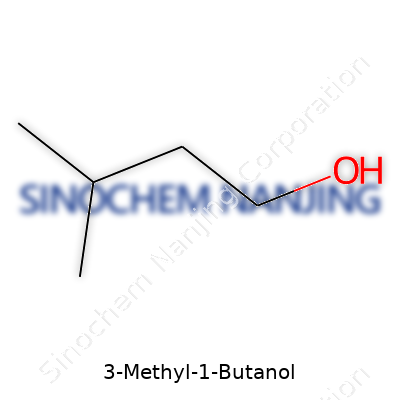
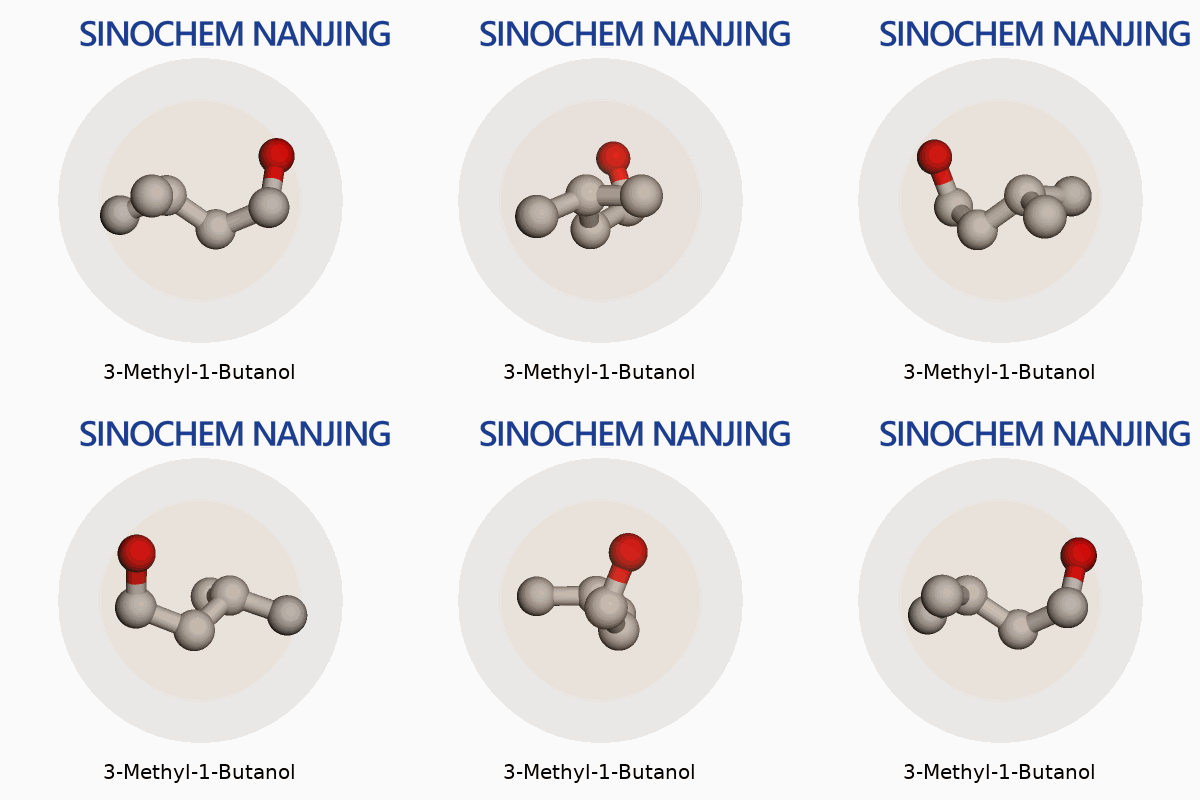
| Names | |
| Preferred IUPAC name | 3-Methylbutan-1-ol |
| Other names |
Isoamyl alcohol Isopentyl alcohol 3-Methylbutan-1-ol Isopentanol Isopentylol |
| Pronunciation | /ˈθriːˈmɛθɪl waɪn ˈbjuːtənˌɒl/ |
| Identifiers | |
| CAS Number | 123-51-3 |
| Beilstein Reference | 1209224 |
| ChEBI | CHEBI:4427 |
| ChEMBL | CHEMBL46396 |
| ChemSpider | 5499 |
| DrugBank | DB02152 |
| ECHA InfoCard | 100.004.022 |
| EC Number | 200-746-9 |
| Gmelin Reference | 58827 |
| KEGG | C00474 |
| MeSH | D000386 |
| PubChem CID | 7907 |
| RTECS number | EL6160000 |
| UNII | 3HGF3OOG8C |
| UN number | UN1105 |
| Properties | |
| Chemical formula | C5H12O |
| Molar mass | 88.15 g/mol |
| Appearance | Clear, colorless liquid |
| Odor | banana-like |
| Density | 0.814 g/mL at 25 °C |
| Solubility in water | slightly soluble |
| log P | 1.13 |
| Vapor pressure | 2 mmHg (20°C) |
| Acidity (pKa) | 19.2 |
| Basicity (pKb) | pKb = 5.99 |
| Magnetic susceptibility (χ) | `-56.9 × 10⁻⁶ cm³/mol` |
| Refractive index (nD) | nD 1.405 |
| Viscosity | 4.62 cP (20°C) |
| Dipole moment | 2.27 D |
| Thermochemistry | |
| Std molar entropy (S⦵298) | 210.6 J·mol⁻¹·K⁻¹ |
| Std enthalpy of formation (ΔfH⦵298) | -322.6 kJ/mol |
| Std enthalpy of combustion (ΔcH⦵298) | -3327.9 kJ/mol |
| Hazards | |
| GHS labelling | GHS02, GHS07 |
| Pictograms | GHS02,GHS07 |
| Signal word | Warning |
| Hazard statements | H226, H315, H319, H335 |
| Precautionary statements | P210, P233, P280, P303+P361+P353, P304+P340, P312, P370+P378 |
| NFPA 704 (fire diamond) | 2-2-0 |
| Flash point | 40 °C |
| Autoignition temperature | 285 °C |
| Explosive limits | 1.4% - 10.5% |
| Lethal dose or concentration | LD50 Oral Rat 2460 mg/kg |
| LD50 (median dose) | LD50 (median dose): Oral rat 2460 mg/kg |
| NIOSH | PB6050000 |
| PEL (Permissible) | PEL (Permissible Exposure Limit) for 3-Methyl-1-Butanol: Not established |
| REL (Recommended) | REL (Recommended Exposure Limit) of 3-Methyl-1-Butanol is "100 ppm (320 mg/m³)". |
| IDLH (Immediate danger) | 100 ppm |
| Related compounds | |
| Related compounds |
3-Methyl-2-butanol 1-Butanol 2-Methyl-1-butanol Isoamyl acetate Isoamyl nitrite |



