The Many Sides of 3-Chloronitrobenzene: Looking Beyond the Molecule
Historical Development
Back in the early days of organic chemistry, researchers in Europe dug deep into aromatic compounds, often using crude distillation and high temperatures—sometimes in ways that would terrify today’s safety officers. Among the clutch of new molecules, 3-chloronitrobenzene emerged around the late 19th century, a result of the growing obsession with dye intermediates and explosives. Chemists soon figured out that attaching a nitro group and a chlorine atom to a benzene ring opened all kinds of doors for new reactions and applications. The molecule’s development mirrored much of industrial Europe’s own rise, with entire sectors hinging on these simple tweaks to familiar compounds. The importance of 3-chloronitrobenzene grew as it made its way into colorants and pharmaceuticals, helping drive developments way beyond the laboratory.
Product Overview
3-Chloronitrobenzene looks ordinary enough—slightly yellow crystals or flakes, consistent with what you’d expect from aromatic nitro compounds. The average lab worker encounters it in old glass jars mixed in with supplies for synthetic organic chemistry. The real story sits not in its appearance but in the fact that this compound steps up as a workhorse building block, acting as a crucial intermediate for creating dyes, pesticides, and drugs. Production typically relies on a solid base of reliable chemical processes, keeping quality steady, even though the end uses seem almost endless.
Physical & Chemical Properties
Chemically, 3-chloronitrobenzene does its job without much show—slightly soluble in water, more willing to dissolve in organic solvents, with a melting point just under 60 degrees Celsius. Its nitro group pulls electrons while the chlorine lends some unique reactivity, letting chemists reach for precise substitution reactions. These traits mean the molecule never behaves as a simple bystander in a chemical reaction. Instead, it interacts keenly with reagents, carving out its role in everything from Friedel-Crafts reactions to sophisticated reductions.
Technical Specifications & Labeling
In chemical plants and labs, few things matter more than clear labeling. 3-Chloronitrobenzene’s identification relies on CAS numbers and consistent technical specifications, often emphasizing purity, moisture content, and residual organics. Any lapse in quality opens up opportunities for unwanted side reactions—something every chemist dreads. Labels also bear hazard info, mainly due to the toxic and irritant nature of the compound. Given its volatility in the right conditions, handling protocols also find their way onto packaging, especially where industrial operators have to store large drums.
Preparation Method
Most manufacturing routes for 3-chloronitrobenzene use nitration of chlorobenzene with mixed acid (a soup of concentrated nitric and sulfuric acids) at controlled temperatures. The process sounds simple—until you factor in the potential for byproducts and runaway reactions. Older methods produced symmetric and asymmetric derivatives, so operators moved toward processes that emphasize selectivity and minimize waste. Chemical engineers adjusted factors like temperature, acid ratios, and agitation, and some plants installed sophisticated separation units to pick out the meta- isomer efficiently. For someone who’s watched a nitration tower in action, the importance of process control means more than just economics; it decides whether the production line runs safely day after day.
Chemical Reactions & Modifications
3-Chloronitrobenzene serves up plenty of possibilities for downstream modification. That nitro group welcomes all sorts of reductions, quickly leading to meta-chloroaniline—vital for dyes and pharmaceuticals. Its chlorine lends itself to nucleophilic aromatic substitution, letting labs swap it out for amines or other groups under the right conditions. The chemistry sounds routine, but scaling it up demands sharp attention to detail: selectivity, byproduct suppression, and proper waste handling shape every reaction. In practical terms, these reactions often end up making every chemist ponder cleaner methods and newer catalysts to edge out traditional, harsher routes.
Synonyms & Product Names
Anyone flipping through a chemical catalog or searching a research database will find 3-chloronitrobenzene bundled with a host of synonyms—meta-chloronitrobenzene, 1-chloro-3-nitrobenzene among others. These names trace back to how the community chose to number and arrange the groups on the benzene ring over time. Multiple nomenclature systems can trip up even experienced chemists, and there’s little room for error given the narrow margin for mistakes with toxic intermediates.
Safety & Operational Standards
Safe handling sits front and center in any discussion about nitro aromatics. 3-Chloronitrobenzene brings the hazards you’d expect: inhalation and skin exposure present health risks, and prolonged contact can spark more serious symptoms. In shop floors and universities alike, the instructions for gloves, goggles, and adequate ventilation get repeated like a mantra. Disposal raises its own issues, as no one wants these compounds leaking into groundwater or local air. The regulatory world stepped up decades ago, with OSHA, EPA, and international bodies rolling out enforceable limits. Regular audits, air monitoring, and strict recording of use and disposal ensure that the molecule gets treated with due respect.
Application Area
Stepping into the world of applied chemistry, 3-chloronitrobenzene’s versatility becomes obvious. Dye manufacturers lean heavily on it as a backbone for colorants that still light up fabrics in homes and factories. Agrochemical sectors count on it when pushing the synthesis of herbicides and insecticides intended to protect food security worldwide. Pharmaceutical researchers often dip into its reactivity for cardiovascular and antimicrobial drug synthesis. Beyond these industrial uses, academic labs in universities keep the compound close at hand, employing it in reaction studies and organic synthesis courses. Each area brings its own challenges, from regulatory scrutiny of pesticide residues to the medical ethics of drug intermediate safety. For communities relying on synthetic advances to solve problems, the reach of this compound stretches further than many realize.
Research & Development
Looking at where things stand with R&D, there's ongoing pressure for greener and more efficient synthesis. Academic journals brim with papers on alternative reaction conditions: using ionic liquids for cleaner extraction, replacing hazardous acids with safer oxidants, or developing flow reactors for continuous operation with fewer byproducts. Startups and established chemical giants alike keep an eye on economic and environmental payoffs, searching for catalysts that cut down reaction times, or separation techniques that recover byproducts for resale. In my own work, greener synthesis routes have shifted from “nice to have” to a core demand for grants and regulatory approval. Today’s researchers aim to close the loop, reducing raw material use and eliminating problematic emissions, all while keeping yields strong enough for industrial viability.
Toxicity Research
Toxicologists have learned plenty from years of study. 3-Chloronitrobenzene carries health risks, with exposure leading to symptoms like headache, drowsiness, or in serious cases, methemoglobinemia—a dangerous drop in blood’s oxygen-carrying power. Long-term studies have raised concerns about possible mutagenic effects, so strict worker protections remain the norm. Communities near production facilities look to decades of research and regulatory oversight for reassurance. Factory protocols get re-examined with each new toxicology finding, bleeding into policies on permissible exposure limits and public reporting of spills or emissions. Animal studies, while ethically fraught, have helped shape modern guidelines that now emphasize both humane treatment and actionable risk data. More recent approaches look to cell-based assays and predictive computational models, hoping to reduce animal use while catching subtle hazards earlier.
Future Prospects
For all its history, 3-chloronitrobenzene still faces shifts ahead, both technically and socially. Stricter environmental rules now drive companies to revisit old synthetic processes, aiming to slash emissions, recycle solvents, and cut back on hazardous inputs. Biobased processes—where bacteria or engineered enzymes replace mineral acids or harsh reagents—have started gaining attention, promising cleaner and more sustainable routes. Companies now watch for trends in dye market demand, consumer preference for safer agrochemicals, and global supply chain pressures. Regulatory agencies are increasingly tying chemical approvals to robust toxicity and environmental impact data, so the next generation of process chemists will need deep grounding in both synthesis and sustainability. With rapid changes in technology and policy, innovation will hinge on finding smarter ways to deliver value without saddling future generations with unresolved health or waste concerns.
What is 3-Chloronitrobenzene used for?
What is 3-Chloronitrobenzene?
Everyday products often rely on chemicals that most folks never hear about. One of those behind-the-scenes players is 3-Chloronitrobenzene. This compound forms the backbone for creating a wide range of materials, especially in fields like medicine, agriculture, and industry. In my time working with chemical formulations, I’ve seen just how central it becomes, not in the obvious ways but as a stepping stone to things we use or take for granted.
Key Uses in Pharmaceuticals
Drug manufacturers turn to 3-Chloronitrobenzene for its versatility. Hanging out in the background, this compound acts as a starting point for building more complex molecules. It's found in the process of making certain antibiotics and analgesics. Many painkillers or infection-fighters draw on these building blocks to get the job done. Without this chemical, the process slows down, driving up costs and limiting what researchers can develop. Experienced chemists lean on it because it reacts efficiently, letting them try new combinations as they search for better treatments.
Agricultural Impact
Pesticides and herbicides often start with 3-Chloronitrobenzene in the early steps. Farmers rely on crops that resist pests, and this chemical is one reason those products exist. Its structure allows scientists to add other groups and create targeted solutions, which helps protect wheat fields or rice paddies from threats. Over the years, I’ve noticed how essential such intermediates are; their absence doesn’t just slow progress, it sometimes blocks it altogether. Chemical advances feed into food security, and farmers benefit directly.
Dyes and Pigments
If you’ve ever picked up a vibrant T-shirt or noticed the color in plastic goods, 3-Chloronitrobenzene probably made a quiet appearance in the supply chain. Dye makers look for chemicals that bring strong, lasting color. This compound fits the bill. By reacting with other chemicals, it produces azo dyes known for their intense hues and ability to hold up over time. Industries invest in these compounds because they deliver reliability—fabric doesn’t fade, plastics stay bright, and manufacturers avoid nasty failures after products hit the market.
Industrial Chemicals and Plastics
Beyond drugs and dyes, this compound also helps create rubber chemicals, corrosion inhibitors, and specialty plastics. In my experience, these products often require reliable synthesis steps, and 3-Chloronitrobenzene delivers. Tires that grip the road and pipes that last longer often owe their existence to the way this chemical interacts in the plant. Its properties let engineers fine-tune end products without long waits or costly experiments. Time after time, plant managers choose it because it forms strong chemical bonds, speeding up the line and trimming costs.
Safety, Environment, and Better Solutions
Working with chemicals like 3-Chloronitrobenzene raises questions about health and sustainability. It brings hazards if mishandled: skin contact, inhalation, or spills can harm workers and the environment. Companies adopt training, protective gear, and robust procedures to reduce risks. Before governments approve new uses, they expect strict evidence of safe handling. Waste from production also gets close attention; today, more producers find ways to limit byproducts, recycle solvents, and treat wastewater. Green chemistry pushes research into alternatives with fewer risks, yet right now, 3-Chloronitrobenzene remains a practical choice for many.
Looking Forward
Knowing what fuels modern manufacturing means understanding the key pieces—often overlooked—that keep innovation alive. As scientists and engineers create better medicines, safer pesticides, and brighter dyes, they depend on compounds like this one. Continued focus on worker safety, strong regulations, and new technologies will shape how and where it gets used. Until new options take the lead, 3-Chloronitrobenzene keeps holding the line for industries and consumers alike.
What are the safety precautions for handling 3-Chloronitrobenzene?
Respecting the Risks
3-Chloronitrobenzene doesn’t look all that menacing at first glance, but ground-level experience in chemical labs has taught me not to judge a substance by its appearance. This compound plays a part in making dyes, pesticides, and pharmaceuticals. It demands real respect for its toxic and irritating nature. Workers sometimes overlook just how rough it can be on the skin, eyes, and lungs. Even a quick whiff leaves your nose burning, and a splash on bare skin will remind you to always double-check your gloves.
PPE That’s Actually Worth Wearing
Basic rules of chemistry lab safety get drilled in early: always put on your gloves, goggles, and a crisp lab coat. With 3-Chloronitrobenzene, you don’t cut corners. Disposable nitrile gloves block accidental drips. Safety goggles stop the painful sting that comes from just a drop hitting your eye. A lab coat—buttoned all the way—saves you from scrambling to wash off spills. My old mentor swore by chemical splash goggles and a face shield for bigger transfers, and that advice still holds. Fume hoods aren’t just another line item on a checklist. Breathing pure 3-Chloronitrobenzene vapors is a shortcut to dizziness, coughing, and far worse. Cracking a small window at home won’t keep up, so proper ducts and strong ventilation save headaches—and your lungs.
Proper Storage Can’t Wait
Locked chemical cabinets serve a purpose beyond keeping things tidy. 3-Chloronitrobenzene asks for a tight, labeled container in a cool, dry spot—away from acids, strong bases, or anything flammable. Some folks like to use secondary containment—think of a sturdy tray under your bottles—just in case something leaks. My old lab frowned on storing these near high-traffic areas, and work spaces were always clean after a shift. One careless slip or spill puts everyone at risk. That attitude rubbed off on me early and stuck for life.
Handling Spills: Fast Action Matters
It’s easy to panic when a bottle tips over. A pile of absorbent pads beats paper towels every time. Spill kits stay nearby for a reason, loaded with neutralizing agents and disposable tools. Avoid skimping on clean-up; residual dust left behind on surfaces or clothing can cause rashes or breathing issues later in the day. Once, a hasty clean-up left a nasty rash spreading up my wrist—a lesson learned for life. Waste disposal isn’t just throwing something into the trash. Closed, marked containers go straight to hazardous waste teams. No shortcuts here; legal fines and environmental fallout can haunt a company for years.
Preparation Makes the Difference
Before even opening the bottle, checking the most up-to-date Safety Data Sheet gives a fighting chance to avoid hospital visits. Training new team members saves a lot of trouble, since experienced hands share the little tricks that textbooks don’t cover. Never work alone—someone needs to call help if things go sideways. Showers and eyewash stations aren’t just decorations. I once watched a quick dash to the eyewash save someone’s vision after a splash, and it changed how I look at emergency drills.
Common Sense for Real Safety
Real safety with 3-Chloronitrobenzene doesn’t rely on luck. It grows out of habit, vigilance, and learning from close calls. No one likes filling out accident reports or making that phone call home, but a firm commitment to personal protection and tidy workspaces stops most trouble before it starts. Treat every bottle like it matters. For those of us who have felt that painful chemical burn or watched a colleague recover from exposure, the lesson sticks: there’s no shortcut to safety.
What is the chemical structure of 3-Chloronitrobenzene?
Getting Up Close with the Structure
3-Chloronitrobenzene reveals a story about how tiny molecular tweaks change everything in chemical synthesis. Think benzene, that flat ring everybody saw in high school science class, and start adding ingredients. Attach a nitro group (NO2) at spot number one. Next, hook a chlorine atom at spot three. That’s where the “3-chloro” part shows up: chlorine goes two carbons away from the nitro group, counting along the ring.
The real structure looks like a six-carbon benzene ring as the base. Hanging at the first position, a nitro group brings negative charge and strong electron withdrawal. Across the ring, at position three, chlorine stands out — smaller than nitro but heavy and with a strong personality. This arrangement affects everything about the molecule, from how it reacts in a lab to how it smells and dissolves in a factory beaker.
Why This Structure Gets Attention
Tweak a benzene and you open doors to new jobs for that molecule. In synthetic chemistry, orientation matters. The combination of a nitro group and a chlorine atom at defined spots lets chemists build dyes, antioxidants, pharmaceuticals, and more. The structure changes the way future chemical reactions unfold. Switch the chlorine to another spot, or swap the nitro group for something else, and suddenly the behavior changes — solubility, reactivity, even safety shifts.
3-Chloronitrobenzene grabs attention in research because that specific structure brings unique reactivity. Nitro groups like to pull electrons away, making the ring extra hungry for new bonds in targeted spots. Chlorine, on the other hand, brings both steric hindrance (it blocks other things from getting too close) and a strong pull when reacting with other chemicals. These features don’t just sit on a molecular diagram; they show up in the real work of designing chemicals that end up in industry, medicine, and environmental cleanup.
Health and Environmental Considerations
Chemists have learned from decades of experience in working with aromatic compounds. 3-Chloronitrobenzene doesn’t act friendly to living things when left uncontrolled. The nitro group, especially, brings along risks. Workers using this compound in industry learn — often the hard way — about handling with gloves and ventilation. Studies show that nitrobenzenes can impact blood and nervous systems in high doses. Chlorinated aromatics can linger in the environment, resisting breakdown and sometimes building up in the food chain. Safety data sheets put it bluntly: avoid breathing vapors, protect skin, and handle waste with care.
The chemical’s stubborn persistence means factories and labs need responsible waste management plans. Filtration, incineration, and chemical treatment all play a role. Government rules set limits for disposal, and in places with lighter regulation, trouble follows. Looking back at incidents and spills reminds us why chemical structure isn’t just academic — it has direct, sometimes lasting, effects on people and ecosystems.
Paths Forward
From a personal perspective, tackling molecules like 3-chloronitrobenzene means knowing both the molecular science and the broader impact. Green chemistry principles urge researchers to keep searching for safer alternatives or cleaner ways to build these compounds. Chemists at the bench can make a difference by testing new catalysts, reusing solvents, and monitoring waste streams in real time. Industry leaders and regulators carry responsibility for keeping standards high, investing in ongoing safety checks and transparent reporting.
Anyone working with or around these chemicals can’t ignore the structure — it shapes what happens in labs and beyond. The lessons stick: attention to detail saves lives, protects nature, and creates new possibilities for sustainable careers in science.
How should 3-Chloronitrobenzene be stored?
Understanding What’s At Stake
I’ve handled plenty of chemicals over the years, and 3-Chloronitrobenzene isn’t your average off-the-shelf acid or base. Its structure—a benzene ring with both nitro and chloro groups attached—means there’s a lot going on inside that drum. Getting storage right protects workers, communities, and investments. Fumbling this can spell trouble, from leaks to fires or exposure risks.
Keep It Sealed, Keep It Cool
Out of all the storage lessons I’ve learned, this one holds up every time: keep the container tightly sealed. Air and moisture start chemical reactions you don’t want in your storeroom. A metal drum or an HDPE container with a reliable gasket works well. No cracks, dents, or hasty repairs—anything less invites risk.
Don’t Store Near Heat or Flames
3-Chloronitrobenzene doesn’t ignite as quickly as gasoline, but it remains a flammable solid. I always keep it far away from heat sources. Do not stack near steam pipes, electric heaters, or sunlight streaming through a nearby window. Temperatures rising above room temperature accelerate decomposition and increase chances of an accident. Dedicated flammable storage cabinets with fire-rated walls are a smart investment.
Avoid Reactive Zones
Chemists love talking about incompatibilities for good reason. Store this chemical far away from strong reducing agents like zinc dust or sodium hydrosulfite. Drop it next to a pile of organics and you set up a chain reaction that’s no fun for emergency response. I use clear labels and separation by physical distance—often an entire aisle apart—to avoid cross-contamination.
Ventilation Matters More Than People Think
I’ve worked in stuffy storerooms with poor airflow, and you always sense trouble brewing. 3-Chloronitrobenzene gives off toxic vapors under certain conditions. Forgetting about ventilation puts anyone nearby in danger. Go for rooms with constant, gentle air flow that channels vapors out. Simple gravity vents or mechanical fans save headaches and health.
Spill Response: Don’t Assume Luck
Spills and drips happen. I keep absorbent pads, chemical socks, and neutralizers a few feet from where we open or move the container. Quick cleanup becomes the only way to prevent spreads and bigger messes. Workers must know the exact procedure and have gloves, goggles, and coveralls within reach—no one wants to run around looking for PPE during an emergency.
Labelling Is More Than a Tag
I once found an unmarked bottle in a cabinet, and nobody knew what lurked inside. Always apply clear, tough labels with the chemical’s name, hazard symbols, and date of receipt or transfer. GHS pictograms and NFPA diamonds stand out with bright colors. Legibility can make the difference during an emergency, especially for firefighters or first responders.
Don’t Skimp On Training or Audits
Training goes beyond tossing a safety sheet at someone. In my experience, walking people through the process, rehearsing spills, and testing alarms pays off. Regular audits—checking for leaks, updating inventory, and reviewing procedures—catch problems before they cause harm.
Practical Solutions for Safer Storage
Simple tools keep storage hassle-free. Use secondary containment trays to catch leaks. Limit access to trained staff only, and record all usage with a basic logbook. Treat 3-Chloronitrobenzene the same as you would a high-value asset—one mistake can undo months of careful handling. A common-sense approach, plenty of respect for what chemistry can do, and clear lines of responsibility make storing this compound safer for everyone involved.
What are the physical and chemical properties of 3-Chloronitrobenzene?
Physical Qualities Stand Out Immediately
Pick up a bottle of 3-chloronitrobenzene in a chem lab, and you’ll notice right away that it’s a pale yellow solid. Some compare it to fine powder or small crystals. It doesn’t dissolve in water much, staying pretty stubborn thanks to its structure, but toss it in organic solvents—like ethanol, ether, or chloroform—and it mixes in with little trouble. Its melting point hovers around 53°C, and it boils at roughly 242°C, so it stands up to a moderate amount of heat before it starts to decompose rather than simply evaporate.
This compound also carries a distinct, somewhat pungent odor. That’s a trait shared by several nitroaromatic chemicals, and honestly, it’s a signal to keep good ventilation running. Its density measures about 1.41 g/cm³, a detail that matters if you’re calculating shipping, storage, or weighing it out for a reaction mix.
Digging into Chemical Reactivity
3-Chloronitrobenzene gets its bite from both the nitro and the chloro groups glued to the benzene ring. The nitro group locks to the third carbon while chlorine grabs another spot. Because both of these groups pull electrons away from the ring, the compound enters most reactions more slowly than plain benzene.
Still, chemists like working with 3-chloronitrobenzene as a starting point. The chlorine on the ring gives a handle for substitutions—swap it for an amine, drop it out for a phenol, or build the skeleton for pesticides and dyes. The nitro group stays put during a lot of reaction conditions but turns into an amine if you’ve got the right metal-acid combo, which unlocks even more routes toward useful materials.
Health, Safety, and Environmental Concerns
If you’ve logged any time around aromatic nitro compounds, you know most don’t play nice with your health. 3-chloronitrobenzene is no exception. Inhalation or skin contact can bring irritation and, with enough exposure, lead to methemoglobinemia—a condition that drops the blood's ability to carry oxygen. Gloves, goggles, and fume hoods aren't just recommendations; they're critical barriers between you and chronic effects.
Water doesn’t break down 3-chloronitrobenzene all that fast, so if spills land in the environment, contamination can linger. Biodegradation moves slowly. Regulatory agencies like the EPA flag these traits as reasons to treat disposal and handling with care. Incineration at high temperatures remains the best way to destroy residues outside the lab setting.
Finding Practical Solutions and Safer Practices
Years in the field drive home one point: safe work with nitroaromatics means respect for both their benefits and their risks. Ventilation, acid-resistant gloves, and double-checking storage containers reduce accidental exposure. For anyone scaling up from a bench reaction to a larger process, systems that recapture or scrub fumes cut down on both worker risk and environmental impact.
Greener chemistry is more than a buzzword here. Some chemists push for alternative synthetic routes, starting from less toxic precursors or using catalysts that produce fewer unwanted byproducts. Steps like these shrink the environmental footprint while keeping the workflow steady.
Takeaways for Chemistry and Industry
3-Chloronitrobenzene finds its way into pharmaceuticals, pigments, and agrochemicals, earning its place in industrial portfolios. Handling it safely often means blending time-tested protocols with updated safety tech. For those who work with it, knowledge and preparation offer the best protection against both common risks and the problems that only turn up after years.
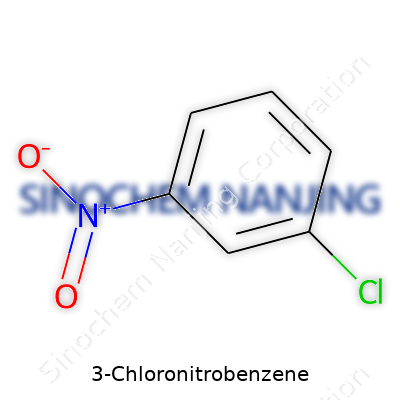
| Names | |
| Preferred IUPAC name | 3-chloronitrobenzene |
| Other names |
m-Chloronitrobenzene 1-Chloro-3-nitrobenzene m-Nitrochlorobenzene 3-Nitrochlorobenzene |
| Pronunciation | /ˌθriː-klɔːrəˌnaɪtrəʊbɛnˈziːn/ |
| Identifiers | |
| CAS Number | 121-73-3 |
| Beilstein Reference | 1209233 |
| ChEBI | CHEBI:140907 |
| ChEMBL | CHEMBL13838 |
| ChemSpider | 12022 |
| DrugBank | DB14084 |
| ECHA InfoCard | ECHA InfoCard: 100.003.293 |
| EC Number | 209-066-6 |
| Gmelin Reference | Gmelin 132041 |
| KEGG | C01406 |
| MeSH | D002693 |
| PubChem CID | 7811 |
| RTECS number | CZ0175000 |
| UNII | XU6J9F2E5K |
| UN number | 1578 |
| Properties | |
| Chemical formula | C6H4ClNO2 |
| Molar mass | 157.55 g/mol |
| Appearance | Pale yellow crystals |
| Odor | Odorless |
| Density | 1.36 g/cm3 |
| Solubility in water | slightly soluble |
| log P | 2.57 |
| Vapor pressure | 0.13 mmHg (25°C) |
| Acidity (pKa) | 13.0 |
| Basicity (pKb) | 10.87 |
| Magnetic susceptibility (χ) | -67.0·10⁻⁶ cm³/mol |
| Refractive index (nD) | 1.578 |
| Viscosity | 2.02 mPa·s (20°C) |
| Dipole moment | 3.41 D |
| Thermochemistry | |
| Std molar entropy (S⦵298) | 129.8 J·mol⁻¹·K⁻¹ |
| Std enthalpy of formation (ΔfH⦵298) | -5.5 kJ/mol |
| Std enthalpy of combustion (ΔcH⦵298) | -3303 kJ/mol |
| Pharmacology | |
| ATC code | D06AX06 |
| Hazards | |
| Main hazards | Harmful if swallowed, causes skin and eye irritation, may cause respiratory irritation, toxic to aquatic life with long lasting effects. |
| GHS labelling | GHS02, GHS07, GHS09 |
| Pictograms | GHS07,GHS09 |
| Signal word | Danger |
| Hazard statements | H302, H315, H319, H332, H335, H410 |
| Precautionary statements | Precautionary statements: P261, P264, P271, P273, P280, P301+P312, P302+P352, P304+P340, P305+P351+P338, P312, P330, P337+P313, P362+P364, P403+P233, P405, P501 |
| NFPA 704 (fire diamond) | 3*2*0* |
| Flash point | 108 °C |
| Autoignition temperature | 129°C |
| Explosive limits | Explosive limits: 2.2–11% |
| Lethal dose or concentration | LD50 oral rat 490 mg/kg |
| LD50 (median dose) | LD50 (median dose) 2540 mg/kg (Rat, oral) |
| NIOSH | CN3675000 |
| PEL (Permissible) | PEL (Permissible Exposure Limit) of 3-Chloronitrobenzene: "1 mg/m³ (skin) |
| REL (Recommended) | REL: 2 mg/m3 |
| IDLH (Immediate danger) | IDLH: 100 ppm |
| Related compounds | |
| Related compounds |
Nitrobenzene 1,3-Dichlorobenzene 3-Chloroaniline 3-Bromonitrobenzene 3-Chlorobenzonitrile |



