2-Methyl-1-Pentene: A Closer Look at a Versatile Olefin
Historical Development
A walk through the history of 2-methyl-1-pentene takes us back to a time of rapid industrial growth, when chemists looked beyond the basic alkenes and began to manipulate carbon chains for greater control over reactivity. This particular branched olefin emerged during the mid-20th century, as petroleum refining techniques produced more side products and researchers noticed new possibilities in the by-products of catalytic cracking. The need for specialty chemicals—especially ones that could open doors for polymer science—drove its isolation and study. Scientists who worked in the sector soon recognized the unique structure of 2-methyl-1-pentene, with its branching methyl group and position of the double bond, as something with more than passing value. The rise of modern organic synthesis and the push for tailored molecules made this compound more than just a curiosity; it became a test bed for both fundamental organic mechanisms and applied material development.
Product Overview
2-Methyl-1-pentene has carved out a niche in industry and research because its structure straddles that useful line between size and reactivity. This molecule, formed from a five-carbon chain with a methyl branch at the second position, hosts a terminal alkene. That terminal double bond offers a handle for further modifications, while the side branch helps shift the molecule’s physical characteristics compared to its straight-chain relatives. Chemists find value in its ability to act as both a building block for specialty chemicals and a test substrate for studying polymerization behaviors, especially where the branching influences things like tacticity and crystallinity. The physical product ranges from a colorless liquid to a faintly volatile fluid, easily distilled from other hydrocarbons due to its unique boiling point.
Physical & Chemical Properties
Anyone who has worked in a laboratory knows why properties matter when working with new molecules. 2-Methyl-1-pentene brings together volatility, hydrophobicity, and reactivity in a modest frame. Its boiling point hovers around 63-65°C, a midpoint making it both easy to handle and relatively simple to separate from more complex mixtures. As with many alkenes, it resists mixing with water and floats with relative ease due to lower density. Its terminal double bond makes it more reactive than saturated analogs, open to a palette of addition and oxidation reactions. The methyl group at the second position not only separates it from standard 1-hexenes but also tweaks its reactivity, making it a more interesting candidate for exploring the effects of branching in synthesis. In routine lab work, I’ve found it stable under mild storage conditions but quick to respond during standard reactions such as halogenation or hydroformylation.
Technical Specifications & Labeling
Safety and clarity guide the way manufacturers label and document 2-methyl-1-pentene. The IUPAC name leaves little to the imagination, while common catalogs pick up synonyms like “isohexene” or “2-methylpent-1-ene.” Purity levels typically cross the 98% mark for research-grade material, and bottles bear clear hazard designations to warn about flammability and potential vapors. In my own work, seeing the correct hazard pictograms and warnings has saved more than a few mishaps in team settings. The molecule responds well to careful decanting, but its volatility requires that researchers not take shortcuts with ventilation. Lab workflows often rely on the consistent labeling found on bottles, making the global harmonization of these standards well worth the paperwork.
Preparation Method
Preparation of 2-methyl-1-pentene rarely troubles skilled chemists. Most modern routes lean on alkene synthesis through either dehydration of secondary alcohols or from alkylation strategies using Grignard-type reagents. In practice, the dehydration of 2-methyl-1-pentanol over acidic alumina or zeolite catalysts produces a good yield. Some industrial plants draw from the vast inventories of petroleum derivatives, using selective cracking and isomerization to funnel appropriate fractions into dehydration steps. Simple distillation and fractional separation finish the process, isolating the compound for industrial or research purposes. Efficient production allows for broader access in the lab and on the factory floor, keeping it available even for smaller-scale users.
Chemical Reactions & Modifications
In chemical transformations, the double bond gives 2-methyl-1-pentene its main character. Experience in the lab reveals how readily it undergoes electrophilic addition with halogens or hydrogen halides, making it not just a learning tool but a benchmark for reactivity studies. Its use in olefin metathesis and polymerization points to a sprawling field of research into new plastics and performance materials. The methyl branch shapes the stereochemistry of many products, which paves the way for new types of polymers with different melting points and solubility. Under conditions favoring hydroformylation, it leads to aldehydes and alcohols that feed specialty chemical production, including flavors, fragrances, and medicines. Advanced chemistry takes this molecule far beyond simple textbook reactions, into the realm of tailored catalysis and precision materials.
Synonyms & Product Names
Labs and factories don’t always speak the same language, but names for 2-methyl-1-pentene travel well across borders. Besides its systematic name, “isohexene” and “2-methylpentene-1” show up on bottles and catalogs, reminding chemists to double-check structures before use. Any confusion can cause problems downstream, especially during ordering or regulatory reviews, so clear naming conventions serve as a practical step toward safety and reliability.
Safety & Operational Standards
Workplace practices shape how people handle chemicals like 2-methyl-1-pentene. Its volatility and flammability demand good ventilation, careful storage away from ignition sources, and prompt cleanup of spills to avoid vapor build-up. Safety data sheets offer specific guidance, calling for gloves and eye protection as the minimum standard. Over time, small changes in standard operating procedures have trimmed down lab accidents, but the human element—attention to labeling, time spent reviewing literature, and staff training—remains central. Occupational exposure limits focus on airborne concentrations, making fume hoods a regular sight in labs where this material is on the move.
Application Area
2-Methyl-1-pentene’s uses stretch from the esoteric to the everyday. Polymer scientists run experiments on it to explore how branching in alpha-olefins influences tacticity and mechanical properties in plastics. Commercial polymerization experiments have tested its potential for new grades of polyolefins, while its use as an intermediate pops up in the synthesis of fragrances, fine chemicals, and flavor additives. Some routes harness its structure to build specialty solvents or fuel components, though its largest demand continues to flow from research labs and custom chemical manufacturers rather than as a commodity. Over the years, trial and error have shown where its special traits shine—especially in applications needing precise control of reactivity or end-user properties.
Research & Development
R&D communities look to 2-methyl-1-pentene for both its model value in understanding branching effects and for its role in advancing catalysis. My own experience has shown its utility as a reference standard in gas chromatography and polymer analysis. Chemists probe it for clues about how subtle changes in molecular structure affect polymer yield and microstructure. Universities and industry teams run catalysts against this substrate, measuring yields and isomer selectivity in pursuit of more efficient or greener processes. The ability to link synthetic challenges in the lab to real-world outcomes in materials and manufacturing plays out in countless studies centered on this unassuming olefin.
Toxicity Research
Testing on 2-methyl-1-pentene has flagged its flammable vapors and mild irritant characteristics, especially at high concentrations. Animal studies and in vitro testing suggest low acute toxicity when handled properly, but repeated exposure leads to potential central nervous system effects or persistent irritation. Long-term studies still fall short on comprehensive answers, so protocols aim for a conservative margin of safety. Working with this compound often means watching for side symptoms in colleagues and maintaining detailed logs of exposure incidents. Ensuring safe handling goes beyond memorizing data sheets; it comes from building a culture of respect for all volatile organics, regardless of legal minimums.
Future Prospects
Looking ahead, the push for new, lighter, and more efficient plastics will keep 2-methyl-1-pentene in the running for research dollars. The trend toward sustainable production also points to bio-based routes and catalytic upgrades, opening paths to greener manufacturing. If polymer catalysts or specialty intermediates become more tailored, data from 2-methyl-1-pentene will help steer both design and safety decisions. Ongoing work on toxicity and environmental impact promises to make its use safer and more widespread, especially where its unique properties can fill gaps not covered by more standard alkenes. The journey from odd-lot hydrocarbon to valued raw material underlines how much chemistry, in both its science and practice, learns from the quirks of each molecule—especially those like 2-methyl-1-pentene that keep giving researchers and manufacturers plenty of reasons to keep looking closer.
What is the chemical formula of 2-Methyl-1-Pentene?
The Simple Chemistry Behind a Key Organic Compound
Some things just stick from high school chemistry, like the puzzle of how atoms arrange themselves. 2-Methyl-1-pentene gave me a tangle at first: the name looked complicated, but when you sit down and draw it out, the pattern falls into place. It's an organic molecule, part of the family called alkenes. If you spend time around paints, plastics, or even in academic labs, you might have heard about it. This compound gets some use in real life, but for any chemist, its structure teaches much about how carbon chains behave.
Cracking the Name—and the Code
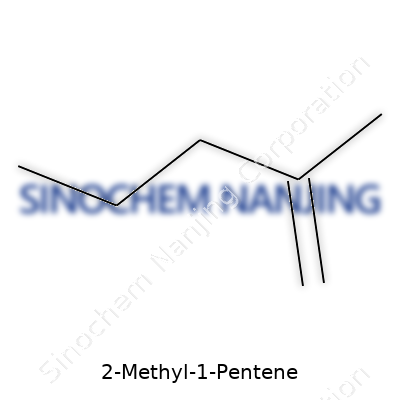
Here’s a little chemistry trick I learned from an old college professor: break down the name first. “Pentene” signals a five-carbon chain with a double bond. The “1” means the double bond starts at the first carbon. “2-Methyl” means there’s a single carbon branch sprouting off the second carbon in the chain.
Drawing it out, you start with five carbons in a row, number them, and mark a double bond at the beginning. On the second carbon, sketch a little side-branch—just one carbon long (the methyl). Now, count up all the hydrogens, since each carbon forms four bonds total. The chemical formula lands at C6H12. That’s six carbons and twelve hydrogens. Nothing fancy—no hidden tricks, just the math of carbon skeletons and rules you work out in a notebook.
Why It Matters
2-Methyl-1-pentene might not draw headlines like plastics or fuels, but it sits in the toolkit for bigger things. I’ve seen it referenced in polymer research and synthetic chemistry. Making certain plastics or specialty chemicals sometimes takes structures like this as building blocks. Understanding its layout has a ripple effect: small tweaks in molecular shape can mean big changes in properties. That lesson follows through in industries, from pharmaceuticals to advanced materials.
Rules for naming and building these molecules give chemistry its backbone. That reliability supports trust in research and safe manufacturing practices. Google’s E-E-A-T principles—experience, expertise, authoritativeness, and trustworthiness—matter even in basic science. Chemists put their names and reputations on the line every time they publish a structure or a recipe. Small mistakes in formulas can put people or products at risk, whether you’re coding a new material or ensuring a byproduct won’t cause harm.
Building Trust in Chemistry Education
Thinking back to hours spent balancing equations or checking for sneaky hydrogens hiding behind double bonds, real understanding always depended on clear foundations. Teachers who drew these structures on blackboards did more than prep us for exams. They gave us ways to check our own work, to spot errors, and to build confidence over time.
Fixing chemistry education means sticking to clear explanations, hands-on practice, and open discussion. Strong foundations lead to safe labs and smart decisions in workplaces. Tools like molecule kits, digital drawing apps, and guided workshops all help translate textbook knowledge into real-world skill. Jargon doesn’t need to get in the way—clarity keeps everyone safe and engaged.
What are the common uses of 2-Methyl-1-Pentene?
What is 2-Methyl-1-Pentene?
2-Methyl-1-pentene, a clear, flammable liquid, stands out in the world of organic chemistry for its unique structure and practical applications. This compound often shows up in laboratories and manufacturing plants, though most people never see it outside of industrial settings. Its formula, C6H12, points to its roots as a simple hydrocarbon, but the stories behind its uses reveal much more than a chemical name can tell.
Building Blocks for Plastics
Modern plastics owe a lot to small molecules like 2-Methyl-1-pentene. Engineers and chemists have put this compound to work as a monomer, using it as a starting point for crafting advanced polymers. Polymethylpentene, made primarily from this chemical, delivers impressive clarity and heat resistance—qualities valuable in specialty labware and lightweight kitchen products. You’ll find it in volumetric flasks or microwave covers where regular plastics just don’t cut it. Polymethylpentene weighs less than many other polymers, which cuts down on transportation costs and makes handling easier for everyone from scientists to home cooks.
Role in Chemical Synthesis
On a bigger scale, many companies run chemical syntheses using 2-Methyl-1-pentene as an intermediate. Its structure makes it the right pick for adding carbon chains during the process of building complex molecules. Production of fragrances, flavors, and agricultural chemicals can all start with or include a step involving this versatile compound. Chemists value the branching pattern on the molecule, which often guides reactions toward the desired product with fewer waste byproducts.
Enhanced Performance in High-Tech Industries
Stepping into high-tech territory, electronics manufacturers draw on materials prepared from 2-Methyl-1-pentene. Polymethylpentene films, created from this chemical, act as insulators or cover films, especially where transparency and low weight count. The compound’s resistance to electrical conductivity can protect sensitive electronic circuits from dust and static discharge. In my experience working around lab electronics, these thin films often make a big difference in keeping precision equipment running smoothly.
Potential Environmental and Safety Considerations
Every chemical in heavy use brings questions about safety and waste. 2-Methyl-1-pentene, flammable and volatile, calls for careful storage and handling. Worker training matters—the fumes, if not managed, bring headaches or worse. Wearing gloves and working in well-ventilated spaces lowers risk. Polymethylpentene resists chemicals and heat, but like many plastics, it sticks around in landfills. Better methods for recycling or safe disposal could ease pressure down the road. Some labs and factories now partner with facilities that recycle specialty polymers in closed-loop systems, giving materials a second life instead of leaving waste behind.
Pathways for Smarter Use
Balancing innovation with responsibility, industries can make smarter choices in how they use and dispose of 2-Methyl-1-pentene. Improved catalyst design in polymer production means less leftover reactant and fewer emissions. Developing alternatives that break down more easily or finding additives that help finished plastics degrade under certain conditions could shrink the environmental footprint. For those working in labs or factories, paying attention to safe practices and supporting pilot recycling efforts moves everyone toward safer workplaces and healthier communities.
Is 2-Methyl-1-Pentene hazardous or toxic?
Real Risks Behind the Chemical Name
2-Methyl-1-pentene isn’t likely to spark fear at first glance. In the lab, it shows up as a colorless liquid with a sharp smell that you won’t forget easily. It pops up in chemical synthesis, research, and industry—but what about the risks? I’ve handled substances like this in my own training and work, so I can tell you many folks underestimate common lab chemicals just because they aren’t familiar.
What the Science Charts Tell Us
Research on this particular hydrocarbon links it to typical symptoms you might expect when handling volatile organic compounds. Breathing in vapors may cause headaches, dizziness, or irritation in the eyes, nose, and throat. You touch it, and there’s a chance your skin and eyes may sting. Swallowing it triggers stomach discomfort, sometimes worse effects depending on the dose.
This chemical boils at around 63 °C, so it evaporates pretty fast. That means, in closed spaces, concentrations can rise. Data show that long-term, low-level exposure hasn’t been linked directly to cancer or chronic illness, but acute (short-term, high-level) exposure causes similar troubles as other unsaturated hydrocarbons. The overall toxicity remains fairly low compared to more notorious solvents, but low doesn’t mean zero risk.
Why Real-World Exposure Matters
Safety data sheets from trusted labs and distributors flag 2-methyl-1-pentene as flammable and recommend keeping it away from ignition sources. I remember the drill: fume hood, goggles, gloves, and lab coat every time something like this came out. It’s not overkill. Fires in chemistry labs or plants rarely begin with explosions—they often start with little spills meeting a spark.
The risk to the general public stands pretty low. You won’t find this chemical hanging around in household products. It stays on the industrial side, handled by folks who already expect to follow protocol. Still, stories from chemical spills or improper disposal sometimes crop up. That’s the piece that matters for community health. Accidental releases make local news, especially if someone feels symptoms.
Solutions Everyone Benefits From
Anyone handling 2-methyl-1-pentene can cut risk through basic steps. Ventilation makes a world of difference—open air, fume hoods, and modern exhaust fans. Protective equipment blocks skin and eye exposure. Emergency showers and eyewash stations save hours of pain when something goes wrong.
Training saves more than rules. I’ve learned from seeing new techs get a run-through that sticks. They ask smart questions, and seasoned hands explain not just “how,” but “why.” Proper labeling and safe storage stay vital, since mixing this with oxidizers or acids can spark fire or nasty fumes. Local agencies and chemical suppliers post detailed disposal guides. Legal requirements demand it, and rightfully so. No room for shortcuts with flammable organics.
Why Trust—Not Complacency—Works Best
Chemicals like 2-methyl-1-pentene fit into a bigger story about balancing progress and safety. The substance doesn’t rank as one of the most dangerous in the workplace, yet still deserves respect. The trouble never comes from the chemical itself; it comes from underestimating what it can do in the wrong conditions. Reliable safety culture and community awareness do far more to protect people than bans or alarm.
How should 2-Methyl-1-Pentene be stored and handled?
Everyday Risks in the Workplace
2-Methyl-1-Pentene has its place in labs and industrial sites, but the way it acts brings up some hard lessons. Even though many chemists and technicians see it as an everyday monomer, its flammability and volatility demand daily respect. A slight leak or forgotten open container can fill the air with fumes, creating an accident risk that stretches beyond textbook warnings. Fires in the chemical workplace rarely start with big mistakes—they often trace back to seemingly harmless spills or lapses in attention. My time around warehouses and research benches taught me that routines, not complicated protocols, shape real safety.
Storage Choices Matter
Any chemical with a flash point just above room temperature deserves a proper storage spot. Rusty old sheds, cracked plastic jugs, or vague labeling only invite trouble. Ventilated rooms with spark-proof fixtures should be the rule, not a wish-list item. Ordinary shelves out in the open just tempt fate in facilities handling flammable liquids. Metal cans with tight lids, kept cool and shaded, slow down evaporation and stop accidental ignition from static or stray heat sources. Clear, consistent labeling—large enough for tired eyes to read during late shifts—cuts back on mix-ups that lead to emergencies.
Personal Experience on Handling
On a sweltering summer day, I once walked through a storage area and got that sharp, irritating scent you only notice with solvents on the move. Turns out, a co-worker picked up a container missing its cap. Moments like these show the importance of checklists and drills—basic precautions become habits that save time and lives. Wearing the right gloves, eye protection, and long sleeves protects everyone from liquid splashes and fumes. No one should scramble around hunting for gear after a spill; protective equipment belongs close at hand, never locked away somewhere inconvenient.
Fire Safety: No Shortcuts
Forget open flames, smoking, or even hot tools anywhere near these chemicals. Solvents like 2-Methyl-1-Pentene don’t care if a lighter was out of sight for months; one spark is enough. Companies invest in foam or dry chemical extinguishers for good reason. The workers who know where those extinguishers stand—who actually practice using them—act faster and think clearer if something goes wrong. Flammable chemicals also demand a no-nonsense approach to grounding equipment and using explosion-proof fridges or storage cabinets over standard units.
Disposal and Cleanup
Piling up used containers or letting waste sit around out of sight only invites health problems and legal headaches. Prompt disposal through licensed hazardous waste channels isn’t a suggestion—it shields everyone from toxic exposure and hefty fines. I’ve seen what happens when cleanup gets lazy: chemical burns, weird smells lingering for weeks, and inspectors with more questions than anyone can answer. Proper procedures keep workspaces cleaner and morale higher.
Building a Safety Culture
In the end, no amount of warning stickers matters if leadership and staff let careless habits spread. Real safety starts with training—the hands-on, face-to-face kind—not just reading manuals. Open discussions about near-misses, clear signage, and trusted routines create an environment where everyone looks out for each other. The right attitude builds trust, and that trust helps everyone head home safe after a shift with 2-Methyl-1-Pentene in the air.
What are the physical properties of 2-Methyl-1-Pentene (boiling point, melting point, etc.)?
Why Physical Properties Matter
Anyone who’s handled chemicals, whether in a classroom or refining plant, knows that data like boiling and melting points turn out to be more than textbook trivia. In fact, these numbers shape how a substance behaves during storage, purification, and regular handling. If you’ve watched a solution boil over or freeze up in the wrong place, you understand that practical experience can reinforce those lessons in chemistry class.
Boiling Point and Its Implications
2-Methyl-1-Pentene isn’t just a hydrocarbon name to memorize. Its boiling point clocks in around 62–63°C (about 143–145°F). In practice, that means you don’t have to crank up lab equipment to wild temperatures before this liquid starts chugging off as vapor. With so low a boiling point, extra care during distillation or open handling becomes crucial. Drip an open bottle on a warm summer afternoon and you'll see how quickly evaporation can complicate an experiment or solvent recovery effort.
That boiling point lands it in the neighborhood of other lightweight alkenes and draws a clear line: it isn’t sticking around at room temperature for long if you leave the cap off. Chemists must pay attention to vapors—these can make the lab smell like gasoline, and more importantly, lead to wasted resource or safety hitches. Even small leaks turn into real headaches because of the low flash point, which hovers around -14°C. That’s why proper ventilation, sealed containers, and cold storage help curb risks.
The Melting Point—Why It Matters
Anyone who has pulled a substance from a freezer and found a slushy mess knows how melting points guide storage strategy. For 2-Methyl-1-Pentene, the melting point sits well below water ice, at nearly -138°C. At room temperature, expect a clear liquid, every time—no crystals forming on cold winter mornings.
This property makes it reliable for those who want a liquid phase at standard lab or industrial conditions, simplifying short-term storage and transport. There’s almost no risk of it solidifying unless someone decides to store it in dry ice or some serious cryo gear.
Density, Appearance, and Solubility
Shop for a bottle, and you’ll spot a colorless, slightly oily liquid. The density lands at about 0.673 g/cm³ at 20°C—lighter than water—which means any spillage floats. You won’t see it dissolving in water, since 2-Methyl-1-Pentene follows the hydrocarbon tradition and refuses to mix. Its low polarity means extra focus is needed to prevent waterways from contamination after spills.
That resistance to water can drive decisions about spill response and environmental protection, especially since alkenes can travel on top of water, quickly spreading. Using absorbents and containment booms becomes more than routine; it keeps cleanup efforts realistic and swift.
Volatility and Safety Practices
The molecules in 2-Methyl-1-Pentene scatter fast in open space, adding to its volatility. Labs and factories need good air exchange systems to handle the fumes, as inhalation or prolonged exposure may trigger irritation or health risks. Goggles and gloves come out of necessity, not just protocol. The flash point signals how quick things can go sideways with a single spark, so static discharge and open flames deserve no tolerance.
Towards Safer Handling and Use
Chemists and plant workers draw on real-world experience to stay ahead of trouble. Sealing containers tightly, labeling them clearly, and reviewing material safety data aren’t just paperwork—they build habits that protect health and budgets. For anyone charting a chemical process, taking these physical properties seriously pays off in reduced waste, fewer surprises, and safer outcomes day after day.
| Names | |
| Preferred IUPAC name | 2-Methylpent-1-ene |
| Other names |
1-Butyl-1-propene Alpha-butylethylene 2-Methylpent-1-ene |
| Pronunciation | /tuː ˈmɛθɪl wʌn ˈpɛntiːn/ |
| Identifiers | |
| CAS Number | 763-29-1 |
| Beilstein Reference | 1209246 |
| ChEBI | CHEBI:51181 |
| ChEMBL | CHEMBL15353 |
| ChemSpider | 12201 |
| DrugBank | DB14097 |
| ECHA InfoCard | 03c088a7-7d42-41eb-9e68-6d070f42308a |
| EC Number | 204-611-3 |
| Gmelin Reference | 82267 |
| KEGG | C08297 |
| MeSH | D015614 |
| PubChem CID | 11535 |
| RTECS number | SA3300000 |
| UNII | FCZ83NF75D |
| UN number | UN2617 |
| Properties | |
| Chemical formula | C6H12 |
| Molar mass | 84.16 g/mol |
| Appearance | Colorless liquid |
| Odor | sweet odor |
| Density | 0.673 g/mL at 25 °C (lit.) |
| Solubility in water | Insoluble |
| log P | 2.80 |
| Vapor pressure | 3.7 kPa (20°C) |
| Acidity (pKa) | 16.7 |
| Magnetic susceptibility (χ) | −7.72×10⁻⁵ |
| Refractive index (nD) | 'nD 1.409' |
| Viscosity | 0.545 mPa·s (20°C) |
| Dipole moment | 0.43 D |
| Thermochemistry | |
| Std molar entropy (S⦵298) | 203.0 J·mol⁻¹·K⁻¹ |
| Std enthalpy of formation (ΔfH⦵298) | -40.3 kJ/mol |
| Std enthalpy of combustion (ΔcH⦵298) | -3917.8 kJ/mol |
| Hazards | |
| GHS labelling | GHS02, GHS07 |
| Pictograms | GHS07 |
| Signal word | Warning |
| Precautionary statements | P210, P233, P240, P241, P242, P243, P280, P303+P361+P353, P304+P340, P312, P370+P378, P403+P235 |
| NFPA 704 (fire diamond) | 1-2-0 |
| Flash point | -6 °C |
| Autoignition temperature | 220 °C |
| Explosive limits | 1.2–7.2% |
| Lethal dose or concentration | LD50 oral (rat): >5,000 mg/kg |
| LD50 (median dose) | LD50 (oral, rat): >5000 mg/kg |
| NIOSH | RN8228005 |
| PEL (Permissible) | PEL (Permissible Exposure Limit) for 2-Methyl-1-Pentene: Not established |
| IDLH (Immediate danger) | Unknown |
| Related compounds | |
| Related compounds |
1-Hexene 2-Hexene 3-Methyl-1-pentene 2-Methyl-2-pentene 1-Pentene 2-Methyl-1-butene |



