2-Chlorophenol: Looking Beyond a Simple Chemical
Historical Development
2-Chlorophenol's story starts in the days when chemists set out to modify phenol with the idea of enhancing reactivity or achieving new biological effects. Once the ability to introduce chlorine atoms into aromatic rings became routine in the late 19th and early 20th century, 2-chlorophenol became a staple laboratory and industrial reagent. Its rise came alongside the growing interest in organic synthesis—folks wanted simple ways to tweak molecular properties, and adding a chlorine atom showed promise for pesticide and antiseptic development. Production moved from niche research projects to industrial scales as manufacturers sought new intermediates for dyes, plastics, and pharmaceuticals. Decades of chemical research tracked safety issues and environmental fallout from the wider family of chlorinated aromatics, which has shaped how chemists handle and study these substances to this day.
Product Overview
For many years, 2-chlorophenol has ended up on chemical inventory lists for labs, chemical manufacturers, and wastewater treatment plants. It’s no specialty rarity. Its reputation sits at a crossroads between utility and concern. As a starting point for making other compounds, it carries out essential work, but its presence in waste streams means regulatory scrutiny. The balance between usefulness as a building block and concern as a pollutant shapes how we think about it—between what it can do for chemists and what it means for communities living near production or disposal sites.
Physical & Chemical Properties
2-Chlorophenol presents as a colorless or slightly yellowish liquid at room temperature, sometimes giving off that characteristic phenolic, medicinal odor people often associate with old antiseptics. Because of the added chlorine atom, its boiling point stands a bit higher than phenol. This means more heat is needed to move it into the gas phase—which matters for both industrial distillation and environmental risk. Its limited solubility in water, combined with a tendency to dissolve better in organic solvents, factors directly into handling and cleanup problems. The chemical’s molecular structure means it's reactive enough for many organic reactions, which explains its long-term popularity with organic chemists.
Technical Specifications & Labeling
Labels focus on purity, melting and boiling points, and the amount of water or other phenols as contaminants. Anybody who’s handled phenolic compounds knows that even slight impurities throw off reactions, so careful quality control stays at the forefront of production and supply. In recent years, labeling standards have grown stricter to reflect international chemical safety rules and hazardous materials handling. Accurate data on physical properties, hazard identification, and storage recommendations now appear on safety sheets as a matter of law, not just best practice.
Preparation Method
The key approach for making 2-chlorophenol involves straightforward chlorination of phenol—usually with chlorine gas or an equivalent, under controlled conditions to favor substitution at the ortho position. Catalysts and solvents can turn the reaction toward the desired isomer, but the trick remains moderation; too much heat, too little care, and unwanted byproducts stack up. Some chemical engineers have turned to copper salts and other catalysts to improve yields while reducing waste. Alternative strategies use modern green chemistry insights, pressing for lower-temperature, solvent-minimized operations without giving up reaction control. Yet, large-scale production still tends to rely on time-tested protocols from the early days of chlorination chemistry, because changing plant infrastructure demands more than a compelling paper or two.
Chemical Reactions & Modifications
Chemists value 2-chlorophenol for its dual personality as both aromatic and halogenated. The chlorine lends reactivity for nucleophilic aromatic substitution, helping create ethers, amines, or other derivatives in good yield. Laboratories run these reactions in search of innovative drug candidates, agrochemicals, or specialty materials. Its hydroxyl group enables further reactions seen in phenol chemistry—think esterification or aromatic substitution at the ring. Industry leans on this chemical for making higher-value intermediates, but managing byproducts like polychlorinated phenols (which are even more persistent and toxic) remains an ongoing challenge nobody shrugs off.
Synonyms & Product Names
2-Chlorophenol appears on reagent shelves under a variety of names—sometimes labeled "o-chlorophenol," or listed with specific catalog codes in research supply chains. The name may change by language, region, or supplier, yet anyone experienced in chemistry can spot the pattern among the variants. For historical reasons, older literature sometimes uses less systematic naming conventions. Keeping these synonyms straight matters for both procurement and hazard assessment, since different names may turn up in regulatory or environmental records.
Safety & Operational Standards
Safety procedures for handling 2-chlorophenol stem directly from its reputation as a skin and respiratory irritant, with the potential for more severe health effects following longer exposures. Personal protection—good gloves, goggles, and reliable engineering controls like fume hoods—aren't excess precautions. Operating guidelines have tightened since early reports showed links between chlorinated phenols and health or ecological risks. Facilities now follow strict spill response plans and track air concentrations carefully to prevent accidental overexposures. Wastewater and emissions face regulatory checks, since accidental releases threaten worker health and downwind communities. These safety practices don't just meet the letter of the law, but work to foster a workplace culture focused on prevention and respect for known hazards.
Application Area
2-Chlorophenol wears several hats in both industry and research. It fills a starring role in making herbicides and fungicides, where further chemical modification leads to highly active compounds. Some dye manufacturing routes use it as a starting point, leveraging the phenolic group for color development. On the pharmaceutical side, it occasionally steps in as a key intermediate toward antiseptics or analgesics, though more stringent rules on residual chlorinated compounds put pressure on drug makers to limit byproducts. Its occasional use as a disinfectant has declined, since new standards push for materials with a shorter environmental lifetime and less toxic breakdown products. Waste treatment professionals keep a close eye on it, not because it performs a treatment function directly, but due to its presence in the outflow from other chemical processing.
Research & Development
Current research on 2-chlorophenol leans heavily toward remediation and risk avoidance. Laboratories study how soil microbes or advanced oxidation processes break down the compound, seeking solutions for contaminated groundwater or industrial sites. Analytical chemists refine detection techniques, pushing the sensitivity and specificity of methods like GC-MS and HPLC in complex samples. Niche synthetic chemistry groups still explore its transformation into more complex molecules, but funding concentrates on mitigation as much as innovation. Testing new catalysts and green chemistry approaches may shift how the industry produces and consumes 2-chlorophenol, especially as pressure mounts to cut chemical waste and occupational hazards. Reviewing scientific literature shows a clear trend—a move away from ever-growing production toward smarter management aligned with environmental and worker safety.
Toxicity Research
2-Chlorophenol earned a place in many toxicology studies, thanks to concerns about both acute and chronic effects. Direct skin contact or inhalation brings irritation, and higher exposures run the risk of damaging the liver, kidneys, or even the nervous system. Animal studies support these findings, so regulatory agencies maintain strict allowable exposure limits. Environmental toxicologists worry about what happens after 2-chlorophenol escapes factory fences—it resists breakdown and can linger in water, soil, and living things, potentially damaging the local ecosystem. Some studies link chlorinated phenols to carcinogenicity, which further restricts its acceptable uses, especially where lingering environmental contamination could lead to repeated human exposure down the line. As society demands ever-higher health and environmental standards, the lessons from these studies remain front and center in regulatory change.
Future Prospects
Looking ahead, the future of 2-chlorophenol depends on how industry and regulators respond to both opportunity and risk. Chemical manufacturers may continue to use 2-chlorophenol where alternatives would be less effective or more costly, yet they face strong incentive to develop cleaner synthetic routes or swap in safer reagents. Process improvements—driven by green chemistry, stricter emissions controls, and advanced waste treatment—could help shrink the footprint of any remaining production. Innovations in remediation technology may handle existing contamination, reducing the legacy risk associated with past handling. Research likely will focus on understanding breakdown pathways in the environment, pointing to more robust risk models and safer work practices. If new uses emerge—especially ones that close the loop by recovering or recycling chlorinated waste—the balance could tip in favor of meaningful progress for scientists, workers, and the broader public alike.
What is 2-Chlorophenol used for?
Real Uses Behind the Chemical Name
2-Chlorophenol sounds like a compound most folks would only spot on a high school chemistry quiz. It shows up in some surprising places outside the classroom, though. Chemists and workers in many fields call on this chemical for good reason. In my experience in the environmental sector, the name meant careful handling, not just lab talk.
Where 2-Chlorophenol Turns Up
Factories producing antiseptics or cleaning solutions keep 2-Chlorophenol around because of its strong antimicrobial punch. Hospitals and veterinary clinics often benefit down the supply chain. It’s a core ingredient in some disinfectants, helping control the spread of germs in places where people risk catching more than a cold.
The same chemical shows value in the world of wood. Wood preservation isn’t just about keeping a deck looking good; it’s about fighting rot and insects. 2-Chlorophenol knocks out fungi and insects that ruin lumber, giving treated wood a much longer lifespan. Carpentry and building crews keep an eye on substances like this, aware of both their strengths and health risks.
Why It Gets Used — and Why It Raises Brows
Making other chemicals kicks off with ingredients like 2-Chlorophenol. For example, big chemical plants sometimes use it to craft larger molecules for dyes and pharmaceuticals, turning this sharp-smelling liquid into something far removed from its original form. If you’ve had certain colored plastics or medicines in your life, odds are this compound hid somewhere in the early stages of their making.
Safety overshadows convenience, though. Like many phenols, breathing vapors or touching liquid 2-Chlorophenol can irritate skin, eyes, and lungs. Chronic exposure links up with far graver health effects. Environmental scientists see it pop up as a pollutant in water and soil, particularly near manufacturing sites. I’ve stood by rivers where this chemical got mentioned in cleanup plans; the stuff lingers, posing risks for plants, animals, and people.
Solutions to Handling and Exposure
Tighter rules help keep accidents and pollution from turning into headlines. Workers in factories wear gloves and masks, and proper ventilation pulls harmful vapors out of work spaces. Regulations force companies to limit releases into waterways, tracking waste streams to avoid contamination. During my time consulting for cleanup projects, we relied on activated carbon filters, high-temperature incineration, and bioremediation—using microbes to break down chemicals like 2-Chlorophenol. These solutions don’t just sound good on paper; communities near treated sites report real improvements in health and wildlife after remediation finishes.
Past mistakes serve as strong warning signs. Nowadays, more companies look for safer alternatives or lean toward closed-loop processes that recycle chemicals instead of dumping leftovers. Green chemistry—designing new products and processes that use less hazardous substances—is a growing trend.
Why Knowing About 2-Chlorophenol Matters
The story of 2-Chlorophenol isn’t only for chemists or environmental watchdogs. Products in the home, hardware store, and medical clinic sometimes connect back to this chemical. Understanding where it lands in the production chain, its risks, and the value of using protective gear shapes better decisions for workers and consumers alike. Folks who live next to old industrial sites need the facts, not only warnings, and should push for transparency about cleanup plans.
Staying informed about chemicals in daily products goes a long way. It shapes smarter choices, supports safer workplaces, and helps keep our rivers and neighborhoods less polluted. My work and the stories of people living and working near these chemicals make the reasons clear: chemicals touch all our lives, so knowing more—not less—never hurts.
What are the hazards associated with 2-Chlorophenol?
A Chemical That Demands Respect
2-Chlorophenol tends to show up anywhere people manufacture pesticides, disinfectants, or run chemical labs. Its sharp odor gets into the air quick—if you've ever worked in an old chemistry stockroom, you know the smell. Stories in the news often highlight big spills or leaks. From the start, anyone who handles industrial chemicals learns that 2-Chlorophenol is no ordinary substance. Safety data call it out for skin burns, eye damage, and possible poisoning if swallowed or inhaled.
Health Hazards That Hit Fast
Painful skin burns tell you in minutes that it’s time to rinse off. Splashes feel oily before the burning starts. My experience with emergency showers taught me not to cut corners with chemical-resistant gloves and face shields. Overnight, skin blistering can spread past the contact spot. The vapor isn’t any gentler—working in tight quarters with an open jug brings on throat tightness, coughing, and headaches. Some mishaps end with people shipped to the hospital.
Lung damage from regular exposure sneaks up, leading to chronic cough or even asthma. Even at low concentrations, irritated eyes water and sting. The cut grass, hospital disinfectant smell seems harmless, but unchecked exposure puts workers out of commission for days. With chemicals like 2-Chlorophenol, the harm isn’t always instant—regular safety lapses add up to trouble.
Risks to the Environment
As a persistent pollutant, 2-Chlorophenol doesn’t break down easily once it escapes into the soil or water. Cities that depend on rivers downstream from factories face the fallout. Fish kills trigger alarms whenever this chemical shows up in waterways. Drinking water with trace residues causes headaches, nausea, and over long periods, a risk for liver or kidney effects. Communities living near waste lagoons or contaminated sites report rashes and breathing trouble, almost always after long-term leaks. Bioaccumulation in wildlife means birds and fish tend to carry higher levels, impacting entire food webs.
Fire Hazards and Chemical Reactions
Flammability deserves a close look. Spills near heat sources or open flames can ignite quickly, throwing up toxic smoke that spreads farther than you’d guess. Most local fire departments train for this—chemical fires need foam, not just water. I remember walking past a warehouse cleanup after an explosion, eyes burning just from the wind drifting chemical ash off the scene. In tight indoor spaces, even a spark from static electricity can start a major fire if leaked vapor builds up. Mixing 2-Chlorophenol by mistake with acids or metal powders ramps up the risk.
Keeping Workplaces and Neighborhoods Safer
Protection often starts with rules that mean something in real life. Good ventilation and hood systems keep vapors away from workers’ faces. Personal protective equipment—face shields, chemical suits, gloves—offers the last line of defense, not the first. I’ve watched teams get complacent, skipping over daily equipment checks, only to rush to clinics weeks later after symptoms get serious.
Tougher oversight of waste disposal brings measurable benefits. I’ve seen some companies shift to sealed waste drums and double-walled piping, cutting incidents of leaks. Regular groundwater tests nearby reveal problems before crises grow. Worker training using plain language helps more than thick manuals—people learn quickest from hands-on drills, mock spill scenarios, and real stories from their own facilities. On top of that, the best companies make it easy for staff to report hazards early, fixing issues before regulators or the news catch wind.
Facing the Challenges
2-Chlorophenol stands as a reminder that safety isn’t just paperwork—it takes action and follow-through. A single lazy habit or missed inspection can affect not just individual workers but families and neighborhoods. Responsible handling saves injuries today and conserves clean water for everyone tomorrow.
How should 2-Chlorophenol be stored?
Why Good Storage Practices Matter
2-Chlorophenol isn’t something most folks run into every day. In labs, factories, and industrial spaces, it sits quietly in containers, doing its job as a chemical intermediate or preservative. Anyone who’s stepped into a workroom with that sharp medicinal, hospital-like odor will tell you, mistakes around phenolic chemicals stick around. Breathing them in or spilling them isn’t just uncomfortable—exposure brings real risks. The difference between a normal day and an emergency can be as simple as how a chemical gets stored.
Understanding the Hazards
I remember walking into a facility years ago when a faint trace of phenol told a story before the safety officer could. 2-Chlorophenol has a way of making itself noticed. Breathing high concentrations can cause coughing, headaches, and even chemical burns on skin. Water doesn’t fix things either. That irritation grows worst through accidental absorption, especially if gloves or lab coats have small gaps or tears.
Fire presents another risk. 2-Chlorophenol is flammable. It won’t take much—a spark, a hot tool left out—to ignite an unexpected fire. Anyone overseeing warehouses or storage rooms with phenolic chemicals absolutely must care about where those cans and drums sit.
Setting Up Secure Storage
Storing 2-Chlorophenol has less to do with fancy compliance posters and more to do with simple habits. A cool, dry, and well-ventilated room cuts most danger down to size. Temperature swings help chemicals degrade, sometimes even causing pressure that can trash a container’s seal.
Every label on a 2-Chlorophenol drum should face out, plain and clear, because quick recognition prevents mistakes. In my experience, sorting chemicals in tight quarters usually tempts shortcuts—but separation makes a difference. 2-Chlorophenol doesn’t mix well with oxidizers or acids. A shelf or cabinet with its own secondary containment, away from anything reactive, keeps things safe. Spill trays catch leaks. Metal shelving, not cheap plastic, holds steady over time.
I’ve seen the difference regular inspections make. Containers age—caps crack, steel rusts. Quick weekly checks, looking for swelling or residue, can save a building. Safety showers and eye wash stations, placed near the storage area, add another layer of security.
Ignoring proper ventilation isn’t just a bad idea—it’s a recipe for headaches and lung problems. Fume hoods, or just strong exhaust fans that actually get maintained, matter in daily routines. People working near 2-Chlorophenol benefit from nitrile gloves, splash goggles, and aprons instead of old cotton shirts.
Why Real Training Beats Just Rules
Reading manuals only does so much. New hires learn fastest by walking through a storage area with a veteran. Practical knowledge, like knowing which containers to check or how to use spill kits, sets up a safer workplace. I still call up small bits of advice from my earliest mentors, especially during audits or routine cleanups.
Companies sometimes cut corners by skipping routine drills. All it takes is one random spill to humble a workplace. Training that includes real-world scenarios—quick access to extinguishers, running spill response steps, or simply knowing exactly whom to call—builds a culture that lasts.
Solutions that Work
The best way to keep trouble away is to match strong habits with good gear. Solid containment, fresh protective equipment, and reliable room ventilation together build defense in depth. Labs and warehouses that store 2-Chlorophenol have a responsibility to keep everyone safe, not just the employees but the cleaners and visitors too.
Robust practices, direct experience, and honest review of storage setups keep 2-Chlorophenol where it belongs—out of trouble and out of harm’s reach.
What is the chemical structure of 2-Chlorophenol?
Looking at the Basics
2-Chlorophenol isn’t just a lab curiosity. In daily life, this compound pops up on safety data sheets at wastewater plants, inside timber-treatment factories, and sometimes, as a faint, sharp whiff near chemical storage. Its structure might sound fancy, but most of its impact comes down to just a few atoms rearranged in a pretty simple way.
Understanding the Arrangement
A phenol molecule starts with a benzene ring—a hexagonal chain of six carbon atoms linked by alternating single and double bonds, giving it the familiar ring aroma chemists pick out almost instinctively. Attach a hydroxyl group (an -OH) directly to one carbon, call this new compound phenol. Slide a chlorine atom onto the ring next to the -OH group—right on the number two position—and you have 2-Chlorophenol. The aromatic ring keeps things stable; chlorine and hydroxyl bring new reactivity, changing how the molecule interacts with living cells and soil microbes.
Why Small Changes Matter
Switching one hydrogen for a chlorine might look tiny, but it punches up toxicity and persistence in ways that hit close to home for anyone who’s worked in water quality. Take the structure: chlorine’s presence creates a polar bond, shifting electron density around the ring. This matters a lot in how the molecule dissolves in water, sticks to organic matter, or moves through the environment. It also means more headaches on clean-up crews. Wastewater operators need to know whether a contaminant lingers or breaks down easily. 2-Chlorophenol sticks around longer than its siblings because that one chlorine atom makes it harder for bacteria to digest.
Health and Safety Impacts
Human health issues pop up sooner than you’d hope. Studies published in journals like Environmental Health Perspectives link exposure to 2-Chlorophenol with irritation to skin and mucous membranes, and possible longer-term effects with chronic exposure. Researchers found that workers in industries dealing with chlorinated phenols have shown increased risks for certain cancers. The World Health Organization flags 2-Chlorophenol as a substance to watch closely. Knowing its structure helps anyone in those trades understand just how important proper handling and disposal really are.
Solutions Within Reach
Chemical structure often reveals a path forward. Since the hydroxyl group and chlorine affect solubility and reactivity, engineers design filtration and chemical treatment processes with that knowledge in mind. Activated carbon takes up 2-Chlorophenol more efficiently thanks to the aromatic ring structure, so municipal water plants use carbon filters to catch these molecules before they reach taps. Advanced oxidation, using ozone or UV light, breaks apart the benzene ring, finally stopping the slow accumulation in soil and water. On an industrial scale, reducing chlorinated byproducts boils down to swapping out certain starting materials or using catalysts that avoid chlorination in the first place.
The Role of Community and Regulation
All this matters because 2-Chlorophenol has shown up in places it shouldn’t be. Without close regulation and active citizen oversight, the compound seeps into waterways and the risks keep stacking up. Community groups along factory corridors and downstream from treatment plants have pushed for fresher safety data and tighter monitoring. Real improvements come not just from knowing chemical structures, but from communities that keep asking hard questions.
Is 2-Chlorophenol toxic to humans or the environment?
Where 2-Chlorophenol Shows Up and Why It Matters
2-Chlorophenol pops up in more places than most folks realize. This stuff gets used for making other chemicals, like pesticides, dyes, and even antiseptics. It can also show up when burning certain materials, or from factory wastewater headed out into rivers. So, people anywhere near chemical plants or industrial run-off might bump into it in their water or air. That makes its risks hard to ignore.
What Exposure Does to Humans
My first experience hearing about 2-Chlorophenol came from a coworker who once worked maintenance in an old paper mill. Complaints in that place ranged from constant eye irritation to headaches—classic symptoms linked to breathing in low levels of phenol compounds. The U.S. Environmental Protection Agency flags this chemical as pretty troublesome for skin and eyes; lingering contact might not just mean a rash, but could cause burns. Swallowing even small quantities can mess with your liver, kidneys, or nervous system. Studies recorded nervous system symptoms like tremors and confusion among exposed workers.
Long-term data gives more to worry about. Animal studies spotted cancers cropping up after long exposure. Even though the evidence isn’t complete for humans, the risk seemed real enough that health agencies labeled 2-Chlorophenol as “possibly carcinogenic.” One thing is certain: safety regulators from Europe to North America call for lower workplace exposure limits. Places ignoring these warnings risk harm to workers and local families.
Environmental Impact—A Closer Look
Cleaning up polluted sites always costs more than anyone expects. 2-Chlorophenol hangs around in water and soil longer than many want to admit. It doesn't break down quickly. That means wildlife gets more than just a whiff—fish can accumulate it in their bodies, leading to illness and even die-offs downstream. Frogs and small mammals living near run-off sites have shown tissue damage and slow growth.
Backyard gardening in these regions gets trickier. The compound can move from soil into food plants, and then into kitchens. Nobody likes to think of putting contaminants on the dinner table. Studies tracked it turning up in crops from contaminated fields, though levels were usually low. Even so, I’d think twice about watering tomatoes with creek water near a chemical plant.
What Action Can Make Things Safer
Better controls work. On factory floors, exhaust fans and sealed systems push exposure down fast. Workers need gloves, goggles, and good training—those who take safety short-cuts pay a price down the road. Simple stuff like regular inspections and cleanup stop small leaks from turning into big problems.
Community monitoring could do a lot. Early warnings from local water testing give families a chance to filter water or buy bottled supplies as a stopgap. Public data helps keep factories honest. Companies that embrace cleaner alternatives, or treat waste more aggressively, cut the odds of compounds like 2-Chlorophenol slipping out in the first place.
It always strikes me how these risks don’t grab headlines until things go wrong. Still, folks understand clean water and air should come without worry. Regulators, factories, and neighbors each get a part to play making sure 2-Chlorophenol’s story doesn’t end up as a cautionary tale.
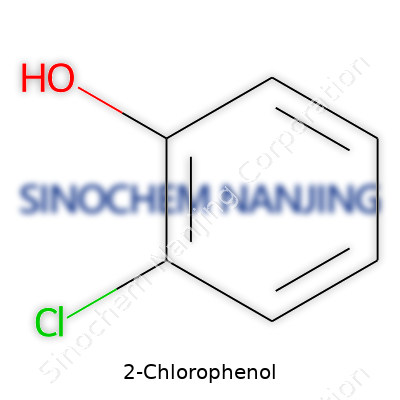
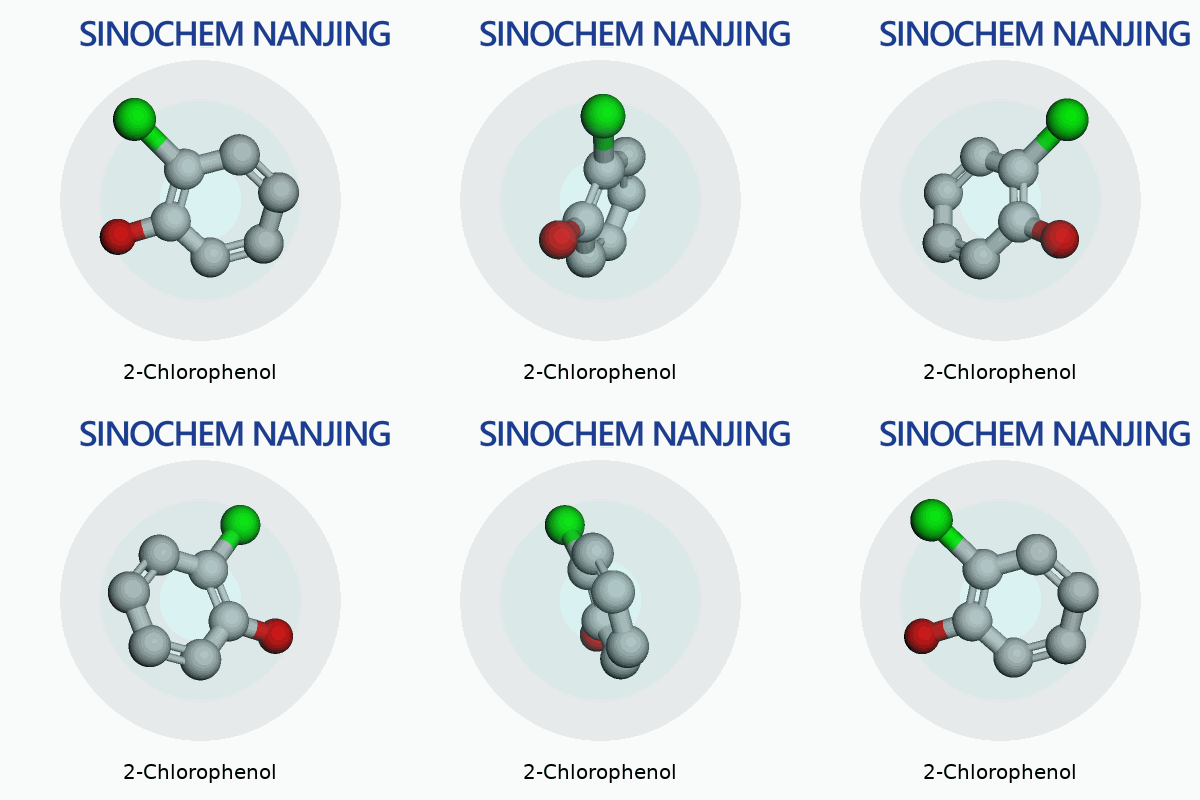
| Names | |
| Preferred IUPAC name | 2-Chlorophenol |
| Other names |
o-Chlorophenol 2-Hydroxychlorobenzene o-Chlorohydroxybenzene |
| Pronunciation | /tuːˌklɔːrəˈfiːnɒl/ |
| Identifiers | |
| CAS Number | 95-57-8 |
| Beilstein Reference | 1209222 |
| ChEBI | CHEBI:16205 |
| ChEMBL | CHEMBL15652 |
| ChemSpider | 5733 |
| DrugBank | DB13855 |
| ECHA InfoCard | 100.029.187 |
| EC Number | 2.8.1.58 |
| Gmelin Reference | 80545 |
| KEGG | C01337 |
| MeSH | D002757 |
| PubChem CID | 1621 |
| RTECS number | SN6475000 |
| UNII | U9CLH5QQ35 |
| UN number | UN2021 |
| Properties | |
| Chemical formula | C6H5ClO |
| Molar mass | 128.56 g/mol |
| Appearance | Colorless to pale yellow liquid |
| Odor | Strong, penetrating, unpleasant phenolic odor |
| Density | 1.265 g/mL at 25 °C |
| Solubility in water | slightly soluble |
| log P | 2.15 |
| Vapor pressure | 0.51 mmHg (at 25 °C) |
| Acidity (pKa) | 8.51 |
| Basicity (pKb) | 15.0 |
| Magnetic susceptibility (χ) | -73.5×10⁻⁶ cm³/mol |
| Refractive index (nD) | 1.553 |
| Viscosity | 3.226 mPa·s (at 20 °C) |
| Dipole moment | 1.98 D |
| Thermochemistry | |
| Std molar entropy (S⦵298) | 56.5 J·mol⁻¹·K⁻¹ |
| Std enthalpy of formation (ΔfH⦵298) | -66.6 kJ/mol |
| Std enthalpy of combustion (ΔcH⦵298) | −3460 kJ·mol⁻¹ |
| Pharmacology | |
| ATC code | D08AJ05 |
| Hazards | |
| Main hazards | Harmful if swallowed, causes skin burns and eye damage, toxic if inhaled, harmful to aquatic life with long lasting effects |
| GHS labelling | GHS02, GHS05, GHS06 |
| Pictograms | GHS05,GHS06 |
| Signal word | Danger |
| Hazard statements | H302, H315, H319, H332, H411 |
| Precautionary statements | P280, P273, P305+P351+P338, P309+P310 |
| NFPA 704 (fire diamond) | 2-3-0-Acidity |
| Flash point | 77 °C |
| Autoignition temperature | 605 °C |
| Explosive limits | 2.2–12% |
| Lethal dose or concentration | LD50 (oral, rat): 820 mg/kg |
| LD50 (median dose) | LD50 (median dose) of 2-Chlorophenol is "510 mg/kg (rat, oral) |
| NIOSH | C087 |
| PEL (Permissible) | 5 ppm |
| REL (Recommended) | 5 ppm |
| IDLH (Immediate danger) | IDLH: 15 ppm |
| Related compounds | |
| Related compounds |
Phenol 2-Bromophenol 2-Iodophenol 2-Fluorophenol 2-Chloroanisole 4-Chlorophenol 2,4-Dichlorophenol |



