2-Chlorofluorobenzene: Navigating the Complexities of a Simple Molecule
Historical Development
Chemistry often finds its heroes not in giant molecules but in the quiet utility players, and 2-chlorofluorobenzene belongs in that crowd. As someone who has spent late nights in university labs, I can appreciate the subtle presence of such compounds in the background of countless reactions. The story of 2-chlorofluorobenzene, or o-chlorofluorobenzene as chemists tend to call it, traces back to the mid-20th century, when chlorination and fluorination methods matured enough for the targeted synthesis of halogenated benzenes. With the rise of industrial chemistry and pharmaceuticals after World War II, halogenated aromatics appeared in a variety of synthetic routes and processes. This molecule started showing up in journals and process patents as a building block for more complex structures, a reliable stepping stone rather than a blockbuster star.
Product Overview
To folks outside of chemical industries, the name comes off a bit sterile, maybe even intimidating, but 2-chlorofluorobenzene is just a benzene ring carrying both a chlorine and a fluorine atom at neighboring positions. It’s seldom the focus, more often a quiet intermediate gearing up for transformation. Several years ago, I saw it in a process for producing plant protection agents—again, an essential step but never highlighted, its value lying in versatility, not glamour.
Physical & Chemical Properties
Looking at this molecule in a fume hood, you notice its clear, colorless, or sometimes faintly yellow liquid nature depending on storage and purity. With a boiling point around 137 to 139 degrees Celsius and a density that has it floating beneath water but above many other organics, it finds its way through separation funnels easily. The aromatic ring means it resists breakdown, while the two neighboring halogens ramp up both its lipophilicity and chemical stability. These atoms pull at electron density, shifting reactivity subtly—a story familiar to organic chemists. It’s got an edge in terms of chemical curiosity: aromatic enough to feel familiar, halogenated enough for interesting reactions.
Technical Specifications & Labeling
Quality control hinges on purity, usually exceeding 98 percent in most applications, and trace impurities make a measurable difference in downstream chemistry. Labels typically include not only its identification but storage instructions to keep it away from direct sunlight and strong bases or acids. Packaging changes based on shipment distance and use case, with steel drums for bulk and amber glass for research settings, reflecting concerns over light-sensitivity and containment of volatile fumes. Once opened, 2-chlorofluorobenzene’s fumes quickly remind you of the need for well-ventilated spaces.
Preparation Method
Making 2-chlorofluorobenzene means starting with benzene and introducing fluorine and chlorine at the right positions—a matter of precision and sequence. Direct halogenation rarely works, since both fluorine and chlorine want to sit on the ring but react in difficult, sometimes hazardous ways. More often, one substituent comes first, followed by directed ortho-halogenation using metal catalysts, often under pressure and in the presence of directing groups or stronger halogenation agents. I remember sitting through safety lectures that warned constantly about handling elemental fluorine—most labs wisely avoid it, opting for milder fluorinating agents.
Chemical Reactions & Modifications
In synthesis, having both a fluorine and a chlorine on a benzene ring opens doors. The electronegativity of these atoms makes the ring both a little less reactive and highly selective. Nucleophilic aromatic substitution comes into play—chlorine can be swapped for a variety of nucleophiles under the right conditions. This fact has shown up in synthesis routes for pharmaceuticals and agrochemicals, where the introduction of new groups at the ortho position is made easier. Coupling reactions, especially those leveraging palladium catalysts, have taken this compound further, letting its core become almost anything a medicinal chemist imagines.
Synonyms & Product Names
Chemists who know their way around a catalog might call it o-chlorofluorobenzene, 1-chloro-2-fluorobenzene, or use its registry number for clarity. Each name reflects a different camp in chemical nomenclature, but the molecule stays the same—a helpful reminder that naming is often a matter of tradition more than function.
Safety & Operational Standards
Handling 2-chlorofluorobenzene never feels routine. Its volatility and the presence of both chlorine and fluorine demand good gloves, splash goggles, and strict fume hood use. Skin contact can cause irritation; inhalation of vapors leads to similar trouble for airways. Storage guidance from every major chemical supplier says: keep away from oxidizers, acids, and bases, and always use proper spill containment. Fire brings toxic gases, so working with fire suppression systems is just part of safe operations. Regulations echo the real risk—waste handling falls under strict protocols because halogenated aromatics linger in the environment and can build up over time.
Application Area
Most 2-chlorofluorobenzene produced ends up downstream, put to use in pharmaceutical synthesis, crop protection products, or specialty polymers. Custom synthesis shops appreciate it for the precision it brings to modifications, often ringing in as a precursor to larger active pharmaceutical ingredients or as a monomer modification in plastics. In laboratories, I’ve seen it act as both reactant and starting material for analogues designed to probe biological systems or to tweak material properties. Its stability keeps it shelf-ready, while just enough reactivity keeps it interesting to synthetic chemists.
Research & Development
Ongoing research leans on this molecule in both classic and emerging fields. Medicinal chemists lean heavily into halogenated intermediates to modulate binding affinities and metabolic stability of drugs. The positions of the chlorine and fluorine matter when targeting enzymes or receptors. Materials science digs into the use of such building blocks for semiconductors and advanced polymers, looking for ways to tune electrical properties or chemical durability. Over the years, I’ve noticed an uptick in papers pushing the boundaries for more sustainable synthesis routes—catalysts with lower environmental footprints, milder reagents, or one-pot reaction systems that reduce waste.
Toxicity Research
Toxicologists keep a close watch on halogenated aromatics, since compounds like 2-chlorofluorobenzene can stick around in tissues and resist natural breakdown. Testing in vivo has shown moderate acute toxicity through inhalation and skin contact. Chronic exposure is a worry, particularly in manufacturing settings where vapor or accidental spills occur. I’ve been in labs that insist on continuous air monitoring for related compounds, and there’s good reason: even low levels of ongoing exposure can lead to health problems over time, including impacts on liver and kidney function. Environmental toxicity also sparks concern—what stays in soil and water can build up in living things.
Future Prospects
Looking ahead, growing demand for cleaner, safer industrial chemistry will likely shift how 2-chlorofluorobenzene is produced and handled. Companies and academic labs push to lower energy input, cut hazardous waste, and find alternatives to harsher reagents—partly for safety, partly due to tightening regulations across the world. There’s promise in biocatalysis and electrochemical methods, routes that could one day replace older, riskier processes. In the realm of product use, its ability to fine-tune molecular properties means 2-chlorofluorobenzene will keep showing up in pharmaceuticals, agrochemicals, and specialty materials. For chemists, these advances will mean not just better tools but also smaller health and environmental footprints, which makes the quiet work of perfecting such intermediates matter more than ever.
What is the chemical formula of 2-Chlorofluorobenzene?
Understanding 2-Chlorofluorobenzene
2-Chlorofluorobenzene has a chemical formula of C6H4ClF. On paper, it looks simple—a benzene ring with a chlorine atom and a fluorine atom attached. In the real world, that simplicity hides a story about why every atom’s spot, every twist of a molecule, can shape both research and daily life.
Why Molecular Structure Shapes Safety and Use
Chlorine and fluorine hang out on the benzene ring at specific positions—adjacent, in the case of 2-chlorofluorobenzene. This small difference changes how scientists work with it. Swapping the halogens changes its smell, its reactivity, and, importantly, how toxic it can be. Having worked with aromatic compounds in the lab, I can tell you vent hoods become your best friend very quickly. Strong odors, unpredictable reactivity, and persistence in the environment all raise important considerations around safety and environmental stewardship.
Chemical workers, paint makers, and even folks who handle electronic materials bump into compounds like this. Research from the American Chemical Society points to halogenated benzenes showing up in flame retardants, pharmaceuticals, and even agrochemicals. Each time you add a chlorine or fluorine, toxicity shifts. Strong chemical handling protocols protect workers, especially since both chlorine and fluorine atoms can create hazardous byproducts when burned or improperly disposed.
Why Formula Details Affect More Than Lab Notebooks
Someone might spot “C6H4ClF” and think—just another chemical formula. I’ve seen first-hand how this information keeps supply chains moving smoothly. Exact formulas guarantee the right product lands in factories, research labs, and pharmaceuticals. Several organizations, including the European Chemical Agency, require strict labeling for imports and sales. Mistaking a formula or swapping a chlorine with a methyl group can throw off experiments, waste money, and even stall drug development.
Reducing Environmental Impact
The story doesn’t end at the factory gate. Halogenated benzenes can linger in the environment. Wastewater treatment plants sometimes struggle to break down these molecules. Fluorine, in particular, builds up in soils and water because it doesn’t degrade easily. Greenpeace and academic researchers have shown halogenated aromatics in river sediments downstream from industrial sites, which can raise health concerns for fish and humans alike.
Many chemists now design synthetic pathways so that waste gets minimized and recycling improves. Catalysts designed for selective halogen removal grow more common in the industry. These changes haven’t solved every problem, but cleaner production and better disposal practices make a difference, both for people at the plant and communities nearby.
Smarter Choices, Safer Chemistry
Learning the formula for something as simple as 2-chlorofluorobenzene reminds me that chemistry isn’t just a set of numbers or wires on a page. Each arrangement of atoms guides where and how these materials move through our world. By paying attention to formulas, pushing for strong handling practices, and supporting research into safer alternatives, we all help keep today’s chemicals from becoming tomorrow’s problems.
What are the main uses of 2-Chlorofluorobenzene?
An Everyday Chemical with Industrial Pull
People don’t usually think of chemicals like 2-Chlorofluorobenzene unless they work in a lab or a factory. It’s just one of many clear liquids made in industrial plants. Still, one small molecule like this can drive whole branches of modern chemistry, giving a boost to manufacturing, medicine, and everyday goods.
Making Medicine Happen
Pharmaceuticals owe a lot to building blocks like 2-Chlorofluorobenzene. The structure, having both chlorine and fluorine on a benzene ring, fits right into many drug-making recipes. Drug companies often use it to create more complex molecules, which then turn into medicines for treating things like cancer or inflammation. The fluorine and chlorine atoms change the molecule’s behavior in the human body, often making drugs last longer or hit their targets with more punch.
This becomes particularly important for medicines needing stability or resistance to being broken down in our bodies. The presence of these two halogens isn’t accidental. Chemists have shown that putting fluorine or chlorine on basic rings can make the difference between a drug that works and one that doesn’t.
Specialty Chemicals in Crop Protection
Agriculture runs on more than just tractors and seeds. Farm chemicals, especially pesticides and herbicides, start from special compounds, and 2-Chlorofluorobenzene helps build some of these complex molecules. Chemical companies use it as a starting point—the base structure that gets built up into an ingredient that keeps insects or weeds from taking over fields.
With so many worries about food supply, growing enough crops safely depends on smart chemistry. Fluorine and chlorine both tweak how these chemicals stick to plants or bugs. They may help to make a pesticide effective only at tiny doses, reducing harm elsewhere. It all goes back to carefully chosen ingredients, 2-Chlorofluorobenzene among them.
Building Blocks for Dyes and Materials
Most people see synthetic dyes only as color in fabrics or plastics. Many pigments and colorants come from complicated, multi-step chemistry. 2-Chlorofluorobenzene steps in early as the key starting point for building parts of dye molecules. Dyes for textiles often feature rings like this, offering stability and vibrant colors that don’t fade easily.
It’s not just for color. The electronics industry also turns to this molecule during the production of specialty materials. Certain electronic components need exacting materials—often starting from aromatic rings with halogens like chlorine and fluorine. By developing such materials, manufacturers keep up with the relentless demand for brighter screens and longer-lasting devices.
Concerns and Smarter Handling
Working around chemicals like 2-Chlorofluorobenzene isn’t without risks. Like many industrial chemicals, its fumes and spills can harm skin or lungs, so it’s a good idea to keep tight controls during transport and use. Regulatory groups keep review processes in place, demanding records and safety plans for every big batch. Thankfully, better technology means more diligent tracking and tighter handling than what I saw years ago at chemical plants. Employers now take personal safety much more seriously, with air monitoring and improved protective gear.
Waste management stands as another challenge. Chemicals can linger in water or soil if not handled right. Manufacturers invest in scrubbers, recycling, and waste-treatment systems to cut down impact. It feels personal for anyone who remembers cleanup days or environmental warnings. The bigger picture means suppliers, buyers, and regulators need to stay vigilant, making sure the benefits of these materials don’t come at the expense of public health or the planet.
What safety precautions should be taken when handling 2-Chlorofluorobenzene?
Why Safety Matters with This Chemical
2-Chlorofluorobenzene sits on the list of aromatic organohalogens that need extra respect in a lab or plant. With an odor that sneaks up quick and toxic traits that don’t always show themselves right away, it deserves serious attention. Years in a research lab taught me to treat any chemical with both a halogen and a benzene ring as a double-barreled risk, especially when volatile vapors could go right through an open flask. Even a quick sniff can be a clue that more invisible vapors are floating around than you expect.
Protection You Can Count On
Every safe handling routine starts with solid personal protective equipment. A long sleeve lab coat that fits, chemical splash goggles, and solid nitrile gloves make a real difference. I’ve seen what happens when a hot summer leads to skipping gloves. It only takes a moment for a drop to land and cause irritation, or worse, a nagging rash for days.
Don’t forget chemical-resistant aprons if splashes are even a slight possibility. Boot covers help if you’re working with large volumes. It’s not just about ticking boxes for compliance; it’s about going home without tingling or redness on your hands.
Ventilation and Engineering Controls
This compound doesn’t belong on an open lab bench. Fume hoods move vapors away from your face and chest, keeping headaches and dizziness out of the picture. I’ve worked in older classrooms with weak airflow; folks complained of numbness and brain fog before anyone spotted the slow leak from a forgotten bottle. A well-maintained hood makes sure harmful vapors don’t drift toward colleagues or build up in the room.
Use tightly sealed containers for storage. This step prevents both accidental spills and vapor leaks. Label bottles with clear, large writing, and never rely on memory. At the end of the day, it’s quick glances that keep mistakes from happening, not long memory games.
Spill Response and Waste Disposal
Even with care, accidents can sneak in. Keep a spill kit close. Use absorbent pads and neutralizing agents because mopping with a towel only spreads the risk and leaves a thin residue of harmful chemicals. Dispose of waste in approved containers, not the general garbage. Incineration at a licensed facility deals with residues the right way.
Don’t toss gloves or goggles in regular trash after a spill or splash. Bag them up for hazardous waste. I’ve seen custodians unknowingly pick up regular bags, which leads to more risk and anxiety across the staff.
Don’t Forget Training
No safety manual or video beats hands-on drills. Walking through a spill scenario or putting on a full set of protective clothing in real time leaves a memory that sticks far longer than any PowerPoint. I learned important lessons during fire department drills, learning to communicate clearly and move with care when things get tense.
Updates to chemical safety sheets roll out every few years. Take time to read these changes. It’s not about bureaucracy; it’s about learning from new research on toxicity and better protective gear.
Promoting a Safety Culture
Shared habits set the tone in any lab or warehouse. If you see a cracked glove or a loose goggle strap, speak up. Modeling safe behavior brings people along who might otherwise cut corners. My teams always had a rule: call it out, fix it fast, thank the person later. Safety grows one reminder at a time.
What is the boiling point of 2-Chlorofluorobenzene?
Getting to the Core: What the Boiling Point Tells Us
2-Chlorofluorobenzene, a molecule that sounds like it belongs in a sci-fi novel, actually plays a down-to-earth role in real-world chemistry labs and industry. Its boiling point clocks in around 173°C. That number may seem like it only matters to professional chemists, but this kind of detail shapes more daily decisions than people realize. Boiling point data helps decide how to store, handle, and react a chemical safely. Skipping over this step leads to small mix-ups at best, and expensive accidents at worst.
Boiling Points Drive Lab Safety and Industrial Choices
I remember my early days in the lab, glassware foggy and nerves on edge, checking data sheets before even uncapping a bottle. Boiling point didn’t just inform how much heat I could use; it shaped every step from handling to waste disposal. Give a volatile material too much heat and the vapors become a nightmare for both personnel and air quality. Imagine working with 2-chlorofluorobenzene on a summer afternoon without proper ventilation, those 173 degrees Celsius coming a lot closer than anyone wants. Mishandled, even a simple solvent can form an invisible threat hovering above the bench.
Demand for Reliable Data Fuels Scientific Trust
Reliable chemical data underpins manufacturing, quality control, and regulatory compliance. Errors in reported boiling points trigger production errors that ripple out in cost, safety, and time. Trust builds on accuracy. Manufacturers depend on published data for everything from reactor design to environmental controls. A wrong boiling point isn’t just inconvenient; it breaks trust and sets the stage for more serious issues. Regulatory bodies count on that data to assign hazard labels and set exposure limits. Lab workers and plant operators rely on it to avoid costly, sometimes dangerous, mistakes.
Exploring the Impact through Concrete Examples
I’ve seen workers in facilities shut down distillation columns because of wrong temperature settings, only to later trace the root of the problem to an outdated data sheet. Chemical supply chains grind to a halt over details like this. Sourcing high-purity 2-chlorofluorobenzene for specialty applications—say, pharmaceuticals or advanced polymers—means knowing exactly how it behaves under heat before mixing it with anything else. The wrong boiling point messes up entire batches, racking up hours of lost work and barrels of wasted material.
Solutions and Best Practices for Better Outcomes
Technology makes data verification easier than ever. Open databases and peer-reviewed literature should always serve as a first stop. Double-checking vendor specifications against recent publications protects against common errors. Investing in real-time monitoring equipment in large-scale facilities brings down the chance for human error during heating processes. This includes basic temperature alarms and remote sensors that alert staff before things get out of hand. Training never goes out of style. Teams need clear procedures that run on up-to-date chemical information, regular safety drills, and open channels to update procedures as new data emerges. Regulatory agencies also play a part by making validated chemical data as accessible as possible. Better dissemination of accurate data prevents mix-ups long before they hit the floor.
Trust Through Accuracy
The humble boiling point of 2-chlorofluorobenzene illustrates the unexpected power of chemical property data in science and manufacturing. It’s not just a number on a chart. It’s a checkpoint that keeps processes running smoothly and workers out of harm’s way. Informed decisions grow from reliable facts. Whether handling small glass vials in a lab or overseeing tons of product in an industrial column, that trust is earned—one degree at a time.
Is 2-Chlorofluorobenzene hazardous to the environment?
Understanding 2-Chlorofluorobenzene
2-Chlorofluorobenzene may not ring a bell for most people, but this chemical shows up in multiple industrial processes, from making pharmaceuticals to specialty chemicals. Coming across names like this usually brings a mental image of complicated lab setups, safety glasses, and plenty of “Do Not Touch” labels. This compound contains chlorine and fluorine atoms attached to a benzene ring, making it one of many synthetic chemicals often created for convenience, performance, and profit.
Impact on Nature
This chemical does not occur naturally, so every bit found in air, water, or soil starts somewhere in a man-made process. The presence of chlorine and fluorine raises red flags. Both elements appear in several compounds famous for sticking around in the environment a long time. Once released, 2-chlorofluorobenzene won’t disappear fast. Sunlight, water, and soil bacteria struggle to break its tough bonds. The Environmental Protection Agency labels many chlorinated and fluorinated compounds as persistent organic pollutants for good reason.
Spill Risks and Water Contamination
Factories, transportation trucks, and storage tanks sometimes fail. Spills or leaks mean chemicals like this one find their way into streams, ground water, or even the air. That’s a big problem in places where people pull drinking water out of the earth. I’ve walked neighborhoods where chemical spills a generation ago left families buying bottled water because nobody can trust the well. Once chemicals like 2-chlorofluorobenzene seep below ground, cleanup takes decades and costs cities millions.
Health Worries Linked to Environmental Exposure
A chemical doesn’t need to be radioactive or explosive to threaten health. If this compound lands in water or food, animals can absorb it over time. Chronic exposure to some fluorinated and chlorinated molecules creates risks for liver and kidney damage, nervous system issues, or even cancers. There’s not enough human data for this specific chemical, but its structure matches those already linked with serious toxicity. Plants and animals at the bottom of the food chain take the first hit, but higher up, the risk doesn’t vanish. The food web just passes problems along quietly until one day they turn up in dinner.
Better Practices for Industry
Best-case result comes from industries that commit to strict control over leaks and have transparent processes for handling chemical waste. I’ve seen some companies get serious about reducing emissions, investing in top-notch scrubbers, and conducting peer-reviewed research into safer alternatives. Regulatory oversight from agencies like the EPA or European Chemicals Agency creates pressure and sets the bar, but companies make the real difference. Engineers and chemists work best when they know public health sits behind company profits in daily decisions.
Moving Toward Solutions
Nothing replaces open disclosure. Communities living near chemical plants deserve to know what’s in their air and water. Companies can publish independent test results, outline emergency plans, and back up talk with real investments in containment and disposal. Research into greener chemicals should get public funding and tax support. When government partners with industry and community groups, everyone gets skin in the game—and future generations stand a better chance of drinking clean water and breathing clean air.
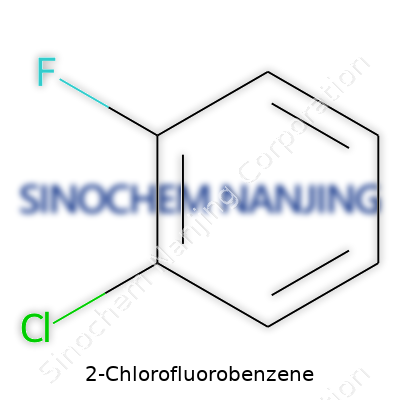
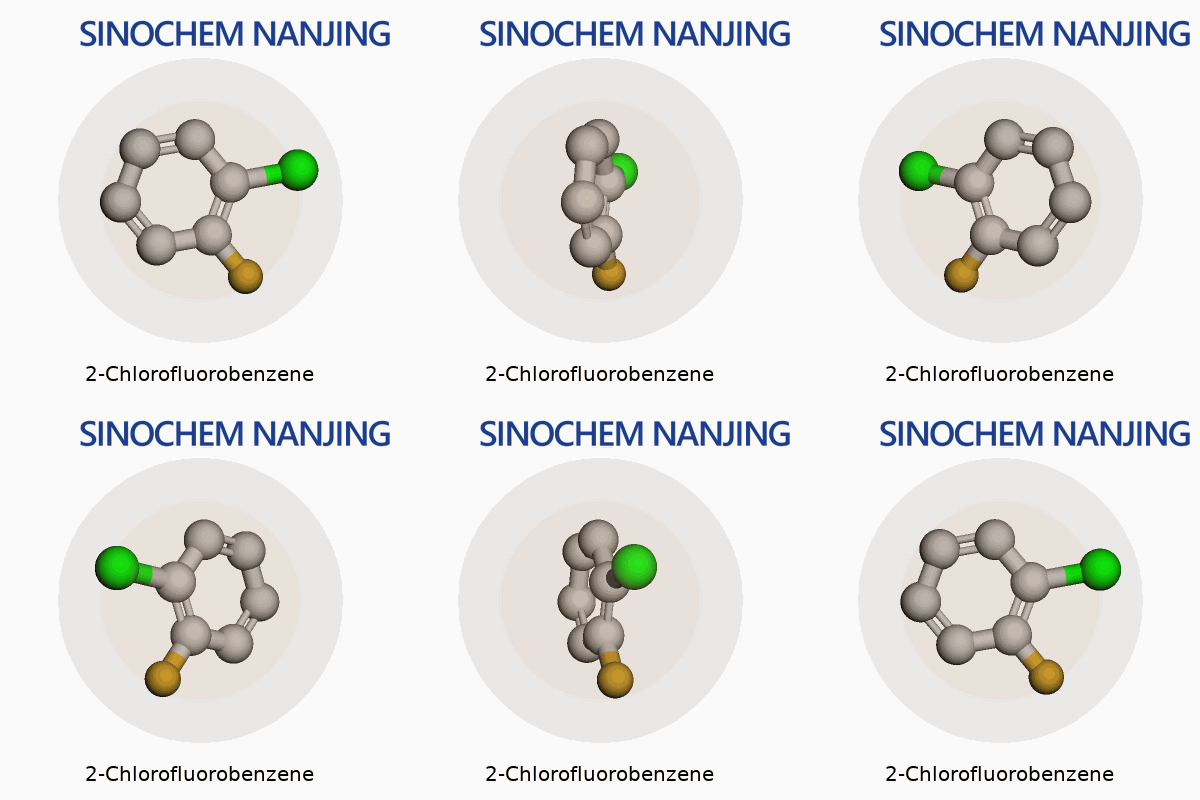
| Names | |
| Preferred IUPAC name | 1-Chloro-2-fluorobenzene |
| Other names |
o-Chlorofluorobenzene 1-Chloro-2-fluorobenzene 2-Chlorofluorobenzene 1-Fluoro-2-chlorobenzene 2-chloro-1-fluorobenzene |
| Pronunciation | /tuːˌklɔːrəˌflʊəˈrəʊbɛnziːn/ |
| Identifiers | |
| CAS Number | 348-63-2 |
| Beilstein Reference | 1209228 |
| ChEBI | CHEBI:38429 |
| ChEMBL | CHEMBL137904 |
| ChemSpider | 20218 |
| DrugBank | DB14668 |
| ECHA InfoCard | 100.005.365 |
| EC Number | 201-837-2 |
| Gmelin Reference | Gmelin 142070 |
| KEGG | C14324 |
| MeSH | D002829 |
| PubChem CID | 7256 |
| RTECS number | CY8575000 |
| UNII | 3G44P46P3U |
| UN number | UN2380 |
| Properties | |
| Chemical formula | C6H4ClF |
| Molar mass | 130.56 g/mol |
| Appearance | Colorless liquid |
| Odor | Sweet. |
| Density | 1.28 g/mL at 25 °C |
| Solubility in water | Insoluble |
| log P | 2.83 |
| Vapor pressure | 3.6 kPa (20 °C) |
| Acidity (pKa) | 40.2 |
| Basicity (pKb) | 15.73 |
| Magnetic susceptibility (χ) | -85.7×10^-6 cm³/mol |
| Refractive index (nD) | 1.527 |
| Viscosity | 0.798 cP (20 °C) |
| Dipole moment | 2.56 D |
| Thermochemistry | |
| Std molar entropy (S⦵298) | 165.2 J·mol⁻¹·K⁻¹ |
| Std enthalpy of formation (ΔfH⦵298) | -75.0 kJ/mol |
| Std enthalpy of combustion (ΔcH⦵298) | -4157.7 kJ/mol |
| Hazards | |
| GHS labelling | GHS02, GHS07 |
| Pictograms | GHS02,GHS07 |
| Signal word | Warning |
| Hazard statements | H226, H315, H319, H335 |
| Precautionary statements | Precautionary statements: "P210, P273, P280, P305+P351+P338, P337+P313 |
| NFPA 704 (fire diamond) | 2-1-0 |
| Flash point | The flash point of 2-Chlorofluorobenzene is "27 °C (closed cup)". |
| Autoignition temperature | 638°C |
| Explosive limits | 2.1–12% |
| Lethal dose or concentration | LD50 oral rat 648 mg/kg |
| LD50 (median dose) | LD50 (median dose): 1870 mg/kg (oral, rat) |
| NIOSH | CN8575000 |
| PEL (Permissible) | Not established |
| REL (Recommended) | 0.5 ppm (2.8 mg/m³) |
| IDLH (Immediate danger) | 500 ppm |
| Related compounds | |
| Related compounds |
Chlorobenzene Fluorobenzene Dichlorobenzene Difluorobenzene 2-Bromofluorobenzene 2-Iodofluorobenzene 2-Chlorotoluene |



