A Deep Dive into 2,6-Diaminotoluene: Outlook and Impact
Historical Pathways of 2,6-Diaminotoluene
The history around 2,6-Diaminotoluene reaches back over a century, tracking alongside the growth of synthetic organic chemistry. The chemical industry recognized the value of aromatic amines early, as these substances anchor themselves in dye and pigment production. Folks in the mid-19th century handled coal tar as a treasure chest for new compounds, and that push gave birth to dozens of important aromatic chemicals. Among these, 2,6-Diaminotoluene found attention for how it helped produce new shades of colorants and intermediates in pharmaceutical synthesis. The stories from that era show a time when industry and curiosity went hand in hand, and discoveries in one lab could ripple out, affecting everything from fashion to photography.
An Overview: What’s Behind 2,6-Diaminotoluene
This compound, better known among chemists as 2,6-Diaminotoluene, steps out in industry as a reliable building block. A derivative of toluene, it contains two amine groups attached to a benzene ring, making it quite reactive. It fits into a family of aromatic amines known for shaping other molecules. The most important uses stem from its versatility, allowing chemists to steer the compound toward many synthetic ends. Its reputation in dye chemistry stands firm, but today, it takes roles in polymer chemistry, too, notably in polyurethane production. Such applications show how one basic compound can unlock a whole spectrum of downstream products that pop up in daily life.
Physical and Chemical Character
At room temperature, 2,6-Diaminotoluene appears as a pale solid with a light, sometimes yellowish tint. Handle it just once, and its distinct, chemical odor lingers—the sort anyone familiar with aromatic amines recognizes. It melts easily, with a moderate melting point that allows for straightforward handling in industrial and lab settings. The substance dissolves in water only at low concentrations, but gives better solubility in organic solvents like ethanol or ether. Reactivity-wise, its two amine groups make it an easy target for acylation, alkylation, or diazotization, letting chemists build more complicated molecules. Air exposure can brown it, thanks to oxidation, reminding handlers of the need for airtight storage and quick use.
Technical Details and Labeling Routine
Chemical suppliers often provide 2,6-Diaminotoluene under high-purity grades, sometimes 98% or greater, to serve synthesis needs. Labels on containers carry hazard symbols and clear warnings about its potential toxicity. Storage instructions focus on cool, dry areas far from strong oxidizers. Since this material falls under international regulations for hazardous goods, packages must display both the UN shipping numbers and notifications about its possible health risks. Handlers get trained to look past the technical jargon and focus on glove use, goggles, and direct fume management, because regulatory bodies and industry standards both demand this care.
Preparation Methods: Time-Tested and Modern
Most large-scale production takes the nitro-reduction route. Chemists start with 2,6-dinitrotoluene, itself a product of careful nitration of toluene. Hydrogeneration—where hydrogen passes over the dinitro compound in the presence of a metal catalyst—removes those nitro groups, giving back the amines. Yields stay high under optimized conditions. Over years, refinements in purification, catalyst choice, and reaction monitoring have reduced waste and cut energy demands. Bench chemists have tried alternative reduction routes using metals like iron or zinc in acid, which serve in smaller-scale or educational demonstrations. Each method balances cost, speed, and environmental impact, but the hydrogenation process continues to anchor itself as the industrial choice.
Reactions and Modifications
2,6-Diaminotoluene’s dual amine groups line up perfectly for both electrophilic and nucleophilic attacks. The most popular reactions involve coupling to make azo dyes—a reaction that anyone with background in dye chemistry recognizes as core. Beyond that, the molecule shows strong reactivity in condensation reactions, lending itself to the production of diisocyanates, which then help make polyurethanes. It does not stop there. Some clever chemists have exploited the amines for forming Schiff bases and even integrating the molecule into high-performance plastics. Its footprint in synthetic organic chemistry keeps expanding as researchers find fresh routes to manipulate its reactive groups.
Other Names and Industry Synonyms
Scan technical literature, and 2,6-Diaminotoluene springs up under a handful of names. Some refer to it as 2,6-Toluenediamine, while older texts might call it 2,6-Toluylendiamine. Across global markets, chemical suppliers sometimes abbreviate it as TDA, especially when speaking about its workhorse status in polyurethane chemistry. Looking at safety data sheets and shipping records reveals that standardized naming systems help keep things clear, but anyone in the trade must double-check to avoid confusion in translation and handling.
Operating Safely: Industry Practices for a Powerful Reagent
People who deal with 2,6-Diaminotoluene daily treat it with respect. The direct contact with aromatic amines carries real risk: exposure links to toxic effects on blood, liver, and kidneys, and the material can trigger allergies upon long-term or repeated exposure. Following best practices—using closed systems, personal protective gear, air monitoring—protects workers and the wider environment. Regulatory agencies such as OSHA and the European Chemicals Agency expect companies to maintain full records of processes, reporting any overexposure or incidents as soon as possible. Chemical hygiene plans on shop floors rarely skip over benzene derivatives, and for good reason.
Core Applications: Coloring the World and Powering Industry
A stroll down the aisle of any hardware or crafts store brings the impact of 2,6-Diaminotoluene into clear focus. The compound builds the backbone for dyes that color fabrics with deep, lasting shades. This role in azo dye manufacture traces back generations. Beyond textiles, it shows up as an intermediate for pigments in automotive coatings and hair dye formulations as well. More recently, the growth in high-performance plastics and foams, particularly polyurethanes, finds direct links to this molecule, with the construction and automotive sectors counting on its consistent reactivity and performance profile. The demand in these areas rides on solid product knowledge and trust in reliable supply.
Research and Development: Chasing Cleaner Chemistry
Ongoing research into 2,6-Diaminotoluene stays active, with both industrial and academic labs chasing ways to make the compound cleaner, safer, and easier on the environment. Heavy investment goes into catalyst development, aiming to make reduction processes work more efficiently and with fewer greenhouse gas emissions. Analytical chemists have sharpened the detection of even trace impurities, helping quality control teams deliver higher-purity batches with less environmental waste. In polymer science, advanced formulations now use less monomer per unit of product, which cuts potential downstream exposure. Exploring biocatalytic or solvent-free synthesis stands as the next big leap, with some promising early findings.
Toxicity and Health Careful Work: Looking Past the Lab Bench
Published toxicology research draws strong lines around aromatic amines, and 2,6-Diaminotoluene sits right in that mix. Studies in animal models point out risks for hepatic and hematological damage. Chronic exposure runs the risk of carcinogenic effects—something no lab glosses over. These findings have spurred decades of improved ventilation, better chemical containment, and rigorous worker health monitoring in plants. Ongoing research guides policy, setting limits on workplace air concentrations and spill response strategies. Stronger analytical techniques have tightened personal exposure monitoring tools, giving workers and regulators higher confidence that safe levels are being followed. The conversation stays focused on risk recognition and robust mitigation, not denial.
Future Prospects: Sustainable Paths and New Ideas
As industry standards keep rising, the next decade may bring a changing landscape for 2,6-Diaminotoluene. Manufacturing companies push process chemistry toward greener, more sustainable methods, seeking alternatives to both starting materials and waste treatment. The growing calls for non-toxic colorants encourage chemists to design derivatives with less environmental persistence or easier breakdown. Polymers are evolving, and demand for high-performance, low-toxicity intermediates may shift the market’s reliance toward biobased or engineered amines. Even so, the practical value and chemical versatility of 2,6-Diaminotoluene gives it staying power, anchoring it as an enduring workhorse in both color and polymer science. The challenge standing now is to innovate responsibly, reduce hazards, and ensure that the benefits reach both industry and society without unchecked consequences.
What is 2,6-Diaminotoluene used for?
The Building Block Behind Color and Performance
2,6-Diaminotoluene doesn’t show up on most shopping lists, but it quietly powers some major parts of modern manufacturing. Lab workers often recognize it as a key part of hair dyes, coloring agents, and custom chemicals. The compound supports vibrant colors that actually stay put, unlike the cheap boxed dyes my teenage daughter learned about when her blue streaks vanished in a week. Without chemicals like this, that rich, long-lasting color people want just wouldn’t hold up after a few washes.
Why Manufacturers Turn to 2,6-Diaminotoluene
Most people connect 2,6-Diaminotoluene with the cosmetics industry because of its crucial role in permanent hair dye formulas. The way the molecule works, it pairs with peroxide and other developers, creating deep shades not just on the surface but in each hair strand. That chemistry matters because consumers demand color that lasts, whether for covering gray or experimenting with bold looks. A few companies have tried alternatives, but they usually fall short: color fades or irritations spike.
The uses stretch further than salon chairs and bathroom mirrors. Companies that produce dyes for textiles and leathers rely on 2,6-Diaminotoluene when they need tough, dependable color. There’s a solid reason for that—this compound leads to results that withstand real-world wear, not just the gentle touch of hands. In my own experience, nobody wants a jacket that screams with color in the store, only to go dull after the first rainy day out.
Beyond Color: Industrial Roles
Dig a little deeper, and this chemical supports several reaction pathways in the lab. It helps make antioxidants and compounds used to build high-performance adhesives. It often shows up in research circles where scientists need specific chemical building blocks—much like a home cook who keeps certain spices on hand for recipes that pop with flavor.
One major application involves polyurethane foams. Car makers and furniture producers use foams made from these kinds of chemicals because they can tune strength and flexibility. I’ve spent time exploring materials for hands-on DIY car repairs, and the seat cushions that actually hold up over years usually come from these advanced foam technologies.
Safety, Regulation, and Environmental Impact
2,6-Diaminotoluene brings value, but also raises safety issues. Long-term exposure can be toxic. Workers handling it need proper training, gloves, and ventilation. Regulations in the U.S. and Europe set clear limits on its use in end products and workplace air. Hair dye makers, especially in markets like California, pay careful attention to safety certifications and labeling because of these strict rules. Consumers deserve to know what goes into their products, especially for something as personal as hair coloring.
Toward Safer Alternatives
Modern science keeps looking for replacements that balance performance and safety. Plant-based colorants and safer synthetic dyes have gotten plenty of attention in recent years, thanks to increased demand for "greener" products. From my own work with community environmental groups, I’ve seen that companies willing to spend more on research can sometimes discover alternatives that don’t sacrifice quality for safety.
2,6-Diaminotoluene’s story isn’t just about chemistry, but also about trust. People rely on companies that respect science, protect their workforce, and show transparency on labels. The best path forward keeps innovation in balance with responsibility and clear communication, both for public health and the planet.
What are the safety precautions for handling 2,6-Diaminotoluene?
Understanding the Real Risks
2,6-Diaminotoluene turns up often in dye manufacturing, polymer production, and labs focused on organic synthesis. Anyone who has set foot in a chemical lab or worked around industrial processes knows these aren’t environments for shortcuts. This chemical can cause skin irritation, severe eye damage, and respiratory problems after exposure. Risk doesn’t only show up with direct contact. Dust in the air lingers and vapors can creep through tight spaces if storage isn’t airtight. Stories circulate every year of careless spills or splashes leading to lasting health problems. In 2018, a German research team published a report showing higher cancer rates among staff at plants using aromatic amines like 2,6-Diaminotoluene, linking long-term occupational exposure to health complications.
Personal Protective Equipment: More Than Just a Suggestion
Forget about half-measures. Nitrile or butyl rubber gloves, chemical splash goggles, and a lab coat or chemical-resistant apron keep your skin and eyes out of harm’s way. Respirators rarely feel comfortable, but when working outside a fume hood, that mask keeps fine dust or vapors out of your lungs. Safety data sheets don’t exist to gather dust—they tell us to use this stuff as a shield because the risk is real, even if a splash seems unlikely.
Engineering Controls and Storage Strategy
Ventilation makes a dramatic difference. I remember walking into a windowless high school storeroom—no matter what chemical you handled, fumes never had a way out. After years in the field, it’s clear that fume hoods and modern exhaust systems cut exposure way down. Good facilities invest in both fixed equipment and thorough staff training. Containers should always stay tightly closed, stored away from oxidizers or sources of heat. Flammable cabinets help slow down accidents and create a better barrier if fires break out.
Spills and First Aid: Move Fast, Stay Smart
Small spills belong inside the fume hood. Scoop up solids with a dedicated, chemical-resistant tool—don’t improvise with paper towels or bare hands. For liquids, absorbent pads designed for hazardous materials prevent the spread. Anyone splashed—no matter how minor—needs to rinse skin with cool water, strip contaminated clothes, and call a supervisor or go straight to the nurse’s office. Immediate eye washing cuts injury risk in half, based on studies by occupational health experts. Keep an eyewash station unlocked and ready for emergencies; that’s not negotiable.
Training Makes the Difference
Training isn’t just a box to tick on onboarding day. In my first few months working in a polymer lab, old-timers made hands-on practice part of every week. That stuck with me long after. Dry runs teaching spill cleanup and emergency response help everyone react on instinct when the unexpected happens. OSHA recommends building safety drills around the chemicals actually used on-site. It’s not just a regulation—it’s proven to cut accident rates and improve staff confidence.
Waste Disposal and the Bigger Picture
Tossing unused 2,6-Diaminotoluene or contaminated rags into the regular trash isn’t just against the law; it risks polluting groundwater and putting waste handlers in harm’s way. Waste should head to approved hazardous waste facilities. This approach keeps neighbors, sanitation workers, and the environment safer.
Room for Improvement
Safer processes often come from staff who share on-the-ground experiences. Good companies create feedback loops letting workers report near-misses or offer ideas. Technology, like real-time exposure sensors or more effective containment systems, helps close safety gaps. Focusing on vigilance, education, and smart changes builds real resilience against the risks that chemicals like 2,6-Diaminotoluene bring.
What is the chemical formula of 2,6-Diaminotoluene?
Understanding 2,6-Diaminotoluene
Anyone interested in chemistry hears about widely used molecules at some point. One name that appears a lot in both basic and industrial chemistry circles is 2,6-Diaminotoluene. The chemical formula is C7H10N2. Behind this short formula sits a story of usefulness and a bit of concern in how things get made, handled, and disposed of.
Structure and Features
2,6-Diaminotoluene wears its chemistry on its sleeve. Its structure shows a toluene backbone—a benzene ring with a single methyl group—plus amino groups at the 2 and 6 spots. We get a molecule that counts among the building blocks in dyes and pigments, among other things. Pink, red, and violet dyes owe their color to it. People who spend hours in textile labs know this molecule for its vibrant hues and for how stable some of its derivatives can be.
Where It Shows Up
This compound crops up anywhere dye manufacturing kicks into gear. On my visits to small textile facilities, I have seen tubs full of nearly every color. The batches that rely on 2,6-Diaminotoluene stand out because they produce strong and lasting tones. It isn't only for looks, though—the molecule’s stability keeps colors from washing out quickly. This matters in cultures and traditions where color carries meaning in cloth, art, and ceremony.
It pops up in hair dyes, as well. A lot of folks don't realize that some common hair colors in salons—especially darker shades—draw on this molecule. People making these products have to treat it with respect because of what we know about health and safety concerns.
Concerns and Responsibilities
The value of 2,6-Diaminotoluene isn’t just a matter of color or chemistry. The compound, for all its popularity, comes with risk. Researchers in occupational medicine have linked it to potential toxicity through chronic exposure. Workers can run into trouble if they don’t handle it with care. From my own talks with safety managers at dye plants, gloves, masks, and tight protocols are non-negotiable—nobody cuts corners when health is at stake.
Local communities near manufacturing plants sometimes raise concerns about waste. The importance of proper disposal gets real fast if it seeps into groundwater or drifts on the wind as fine dust. Regulators now push for clearer safety data sheets, robust containment, and better worker training. If more manufacturers took time to invest in air filtration and spill prevention, a lot of the anxiety would ease. It costs money, but long-term health needs don’t take a backseat to profit.
Looking for Safer Paths Forward
Some chemists look for safer alternatives that match the benefits and reduce the undercurrent of worry. Bio-based dyes, for instance, have started to edge into the space, especially where environmental standards keep rising. Larger consumer brands have begun putting pressure on suppliers to phase out riskier compounds where possible. That shift happens slowly, but curiosity and caution walk side by side in today’s labs.
Final Thoughts
Simpler chemicals like 2,6-Diaminotoluene show how basic building blocks push color into our daily lives, but they remind us that practical know-how and safety always travel together. Tools that build the world around us deserve a close look—not just for what they make, but for the mark they leave after the work is done.
Is 2,6-Diaminotoluene hazardous to health?
Understanding What We’re Dealing With
2,6-Diaminotoluene shows up in a lot of places, from making dyes for clothes to products like hair-coloring formulas. That odd name stands for a chemical with two amine groups and a bit of resemblance to aniline. Industries like using it because it reacts predictably and gets the job done in colorants and plastics. The question marks come out each time its health risks face scrutiny, especially with more people talking about chemicals in daily products.
Where Danger Tends to Hide
Factory workers feel the health risks of this chemical first. Most of the trouble comes from skin contact or breathing vapors in places that produce or use the compound. According to safety data sheets, the substance can harm skin, eyes, and lungs. It absorbs quickly and can do internal damage, the kind that is hard for people to notice before symptoms show. That’s the sort of risk we see in processing plants or hair salons with poor ventilation.
Animal studies point to bigger worries. Lab rats exposed to 2,6-Diaminotoluene over time saw an increase in liver tumors, which has led scientists to flag it as a possible or suspected carcinogen. The International Agency for Research on Cancer (IARC) hasn’t put it in the worst category, but research continues. Things like this take years before health agencies act—often, only after enough people have raised their voices or new results push government bodies to tighten rules.
The Human Side of Exposure
Years ago, I visited a textile factory with a friend who managed one of the dye lines. He showed me gloves and masks worn by workers mixing powdered chemicals, including ingredients like 2,6-Diaminotoluene. The smallest mistake—sloppy glove use, tired hands rubbing a sweaty forehead—could turn into rashes, headaches, even more severe reactions weeks later. That memory has stuck with me. Health on the production floor leans on straightforward rules: cover skin, don’t eat at workbenches, and use proper ventilation. Not everyone follows through, especially in smaller shops or developing countries.
The regular consumer isn’t handling buckets of the pure chemical but might get exposed through hair dye. Research from the National Institutes of Health points to certain hair colorants and the risks they can carry with repeated use. Hairdressers and barbers face that risk much more. Over years, those little hits add up.
Facing the Problem
Simple protective habits make a big difference. Gloves, face masks, and solid ventilation in manufacturing or salons lower exposure. Regular training sessions do more than posters on a breakroom wall—people need to know why safety rules exist and see health as everyone’s job. Switching to less hazardous compounds should always sit high on the list, too. Many companies have started doing just that, but tightening up regulation leaves fewer loopholes for risky chemicals to sneak through.
Oversight bodies need to keep reviewing workplace exposure limits, especially when fresh research signals new risks. Open reporting on health incidents makes the problem visible and helps push for better rules. People who color their own hair or work in beauty need plain, honest advice about protecting themselves—not technical jargon or marketing spin. Getting this right matters for everyone, not just those on factory floors.
How should 2,6-Diaminotoluene be stored?
A Closer Look at Proper Storage
2,6-Diaminotoluene, used in creating dyes and as an intermediate for some polymers, shows a sensitive side when left unattended. A container of this chemical sitting in a warm, humid storeroom, or with a loose lid, threatens safety and quality. From personal experience managing lab reagents, I’ve seen how taking shortcuts with storage leads to headaches and accidents nobody wants to deal with. A clean, labeled shelf beside corrosives or oxidizers might sound convenient to some, but it’s really asking for trouble.
Temperature and Light: Not Just for the Fridge
Exposure to high temperatures or direct sunlight transforms this chemical from a safe powder to a risk. On a hot day, a metal shed without ventilation heats up like an oven and can speed up the breakdown of chemicals, leading to pressure build-up, leaking, or even fire hazards. That familiar chemical smell drifting through a warehouse often points to lost product or worse. Storing 2,6-Diaminotoluene means keeping it in a cool, dark, and dry place, ideally at room temperature. An air-conditioned chemical storage room or even a basement with consistent temperatures gives better results compared to relying on a windowless backroom where heat goes unchecked.
Why Moisture Is an Enemy
This material doesn't play well with water. Humidity causes clumping, lowers shelf life, and can even set off nasty reactions. It’s not just about blocked pouring spouts and wasted material, but also about reacting with air and moisture to form hazardous products. Seals and lids help, but good practice means using airtight, corrosion-resistant containers every single time. A quick double-check on the lid after use pays off, especially when the difference between a good day and a risky spill can come down to two seconds of care.
Segregation: Keeping Hazards in Check
Some mistake 2,6-Diaminotoluene for a mild chemical, but mixing it near oxidizers or acids is playing with fire. Once, in a shared university storeroom, a leaking bottle next to an acid shelf forced an evacuation. Storing it away from incompatible substances like nitric acid, peroxide-formers, or strong bases ensures one accident doesn’t cascade into something bigger. Organizing shelves with bright hazard labels and clear signage isn’t overkill—it’s basic diligence. Following OSHA and local chemical handling rules doesn’t just tick boxes; it means lower insurance notes on incident reports over time.
Personal Protection and Spill Response
During an unexpected spill, gloves and goggles shield from burns and inhalation risks. Anyone who has cleaned a leaking bottle wearing just cloth gloves remembers the sting and staining on their hands. Using designated chemical spill kits, with absorbent pillows and neutralizers designed for aromatic amines, keeps cleanup swift and controlled. Posting spill procedures in clear view primes workers for fast, calm reactions that limit exposure and damage.
Labels and Inventory
Clear, up-to-date labels prevent confusion and cross-contamination. Faded handwriting or generic “Amine” sticky notes never suffice. Regular inventory checks clear out old or damaged stock, reducing the chance of storing spent containers beside fresh product. Barcode inventory systems cut confusion and ensure rotating stock, limiting long-term degradation or surprises from forgotten containers pushed to the back.
Closing Thought: Responsibility Matters
Storing 2,6-Diaminotoluene right protects wallets, workers, and communities from chemical mishaps. Getting lazy about temperature, moisture, or proper segregation courts more risk than any rushed convenience ever justifies. Respecting chemical properties and investing in proper storage makes the difference between safe, efficient operations and a story on the news nobody wants to read about their own workplace.
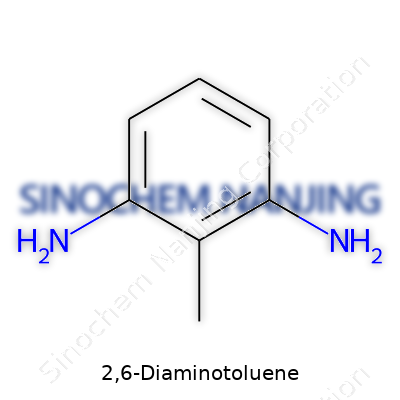
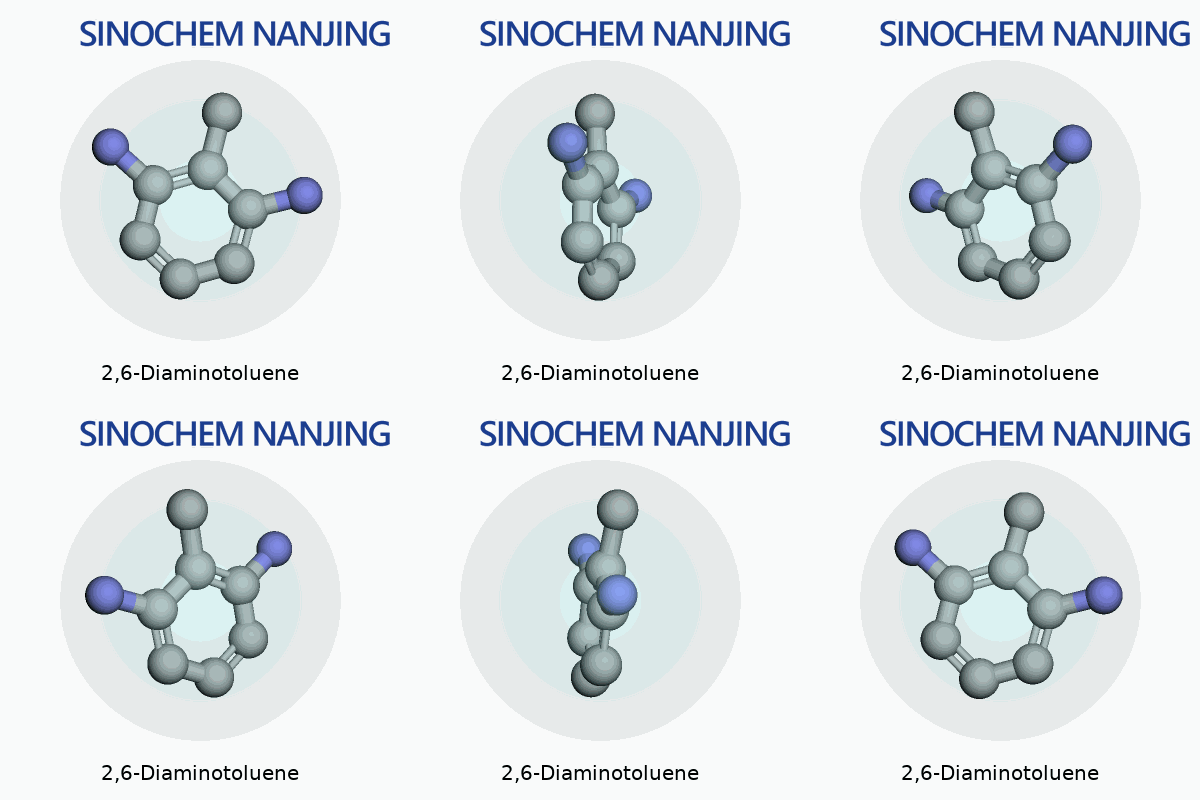
| Names | |
| Preferred IUPAC name | 2-Methylbenzene-1,3-diamine |
| Other names |
2,6-Toluenediamine 2,6-Diamino-1-methylbenzene 2,6-Toluylene diamine 2,6-Diaminotoluol 2,6-TDA |
| Pronunciation | /ˌtuː.sɪksˌdaɪ.əˌmiː.nəˈtɒl.juː.iːn/ |
| Identifiers | |
| CAS Number | 823-40-5 |
| Beilstein Reference | 136999 |
| ChEBI | CHEBI:28525 |
| ChEMBL | CHEMBL1542 |
| ChemSpider | 10775 |
| DrugBank | DB14297 |
| ECHA InfoCard | 01af8571-998a-43f9-982a-0d105adf236d |
| EC Number | 202-457-1 |
| Gmelin Reference | 78594 |
| KEGG | C01416 |
| MeSH | D03IN6B8T8 |
| PubChem CID | 6979 |
| RTECS number | XR1400000 |
| UNII | 9JLQ9210F7 |
| UN number | UN2386 |
| Properties | |
| Chemical formula | C7H10N2 |
| Molar mass | 122.18 g/mol |
| Appearance | Brown solid |
| Odor | Amine-like |
| Density | 1.06 g/cm3 |
| Solubility in water | slightly soluble |
| log P | 0.16 |
| Vapor pressure | 0.02 mmHg (25°C) |
| Acidity (pKa) | 4.6 |
| Basicity (pKb) | 10.16 |
| Magnetic susceptibility (χ) | -62.0·10⁻⁶ cm³/mol |
| Refractive index (nD) | 1.636 |
| Viscosity | 2.3 cP (20°C) |
| Dipole moment | 1.50 D |
| Thermochemistry | |
| Std molar entropy (S⦵298) | 120.6 J·mol⁻¹·K⁻¹ |
| Std enthalpy of formation (ΔfH⦵298) | 67.71 kJ/mol |
| Std enthalpy of combustion (ΔcH⦵298) | -3317 kJ/mol |
| Pharmacology | |
| ATC code | D08AX04 |
| Hazards | |
| Main hazards | Harmful if swallowed, toxic in contact with skin, causes skin irritation, causes serious eye irritation, may cause allergic skin reaction, may cause cancer, suspected of causing genetic defects. |
| GHS labelling | GHS02, GHS06, GHS08 |
| Pictograms | ["GHS06", "GHS08"] |
| Signal word | Danger |
| Hazard statements | H301, H311, H331, H373, H410 |
| Precautionary statements | P261, P280, P302+P352, P305+P351+P338, P310 |
| NFPA 704 (fire diamond) | 2,2,0,* |
| Flash point | 140°C |
| Autoignition temperature | 540 °C |
| Explosive limits | Explosive limits: 2.2–13% |
| Lethal dose or concentration | LD50 oral rat 2530 mg/kg |
| LD50 (median dose) | LD50 (median dose): 1200 mg/kg (oral, rat) |
| NIOSH | WN5600000 |
| PEL (Permissible) | 0.5 mg/m3 |
| REL (Recommended) | REL (Recommended): 0.5 mg/m³ |
| IDLH (Immediate danger) | 100 mg/m3 |
| Related compounds | |
| Related compounds |
Toluene Phenylenediamine 2,4-Diaminotoluene 2,6-Toluenediamine Trinitrotoluene |



