Looking at 1,3-Dimethylbutylamine: More Than Just a Chemical Name
Peeling Back the History
1,3-Dimethylbutylamine rose to public attention after companies started putting it in dietary supplements. It didn’t appear out of thin air—scientists in the decades before had worked on similar compounds while tinkering with synthetic stimulants. Its basic scaffolding looks a lot like those old amine-based stimulants, and the timeline fits a broader trend: once regulators clamp down on one compound, chemical cousins tend to pop up soon after. 1,3-Dimethylbutylamine didn’t appear in the old-handbooks or textbooks from the golden years of organic chemistry. Most of its notoriety arrived after supplement makers began searching for new “legal” stimulants to take the place of those recently banned or flagged for safety by the FDA. Claims swirled about its plant origins—some linked it to Pouchong tea, though experts in both botany and chemistry have challenged this. I’ve noticed that with many novel substances, the lines between natural and synthetic origins blur fast in the rush to market.
What Sets This Compound Apart
Experiencing the industry’s cycles, I recognize that the excitement around a product like 1,3-Dimethylbutylamine boils down to how it’s supposed to work in the body. People start thinking of sharper focus, energy boosts, and—those always-tempting words— “fat-burning.” Chemically, 1,3-Dimethylbutylamine is built from simple blocks: a butyl backbone hung with two methyl groups and an amine. Its structure: C6H15N. That makes it a clear, colorless liquid at room temperature, giving off an amine odor you wouldn’t call subtle. It dissolves well in water and many organic solvents—qualities that give product formulators more choices about delivery forms.
Understanding Real Technical Benchmarks
Chemists watching from the outside have pointed to the similarities between 1,3-Dimethylbutylamine and now-restricted stimulants like DMAA. They share patterns in molecular weight, boiling points, volatility, and solubility. On paper and in the fume hood, scientists identify it by its CAS number, and with technologies like Mass Spectrometry and HPLC. GMP guidelines push labs to label and ship with clear hazard warnings, including combustible vapor risks and severe irritation to eyes and skin. For labeling, regulations want both the systematic and common names—the alphabet soup of synonyms sometimes confuses non-experts, but they trace to legal requirements in most cases.
Synthesizing 1,3-Dimethylbutylamine Isn’t as Glamorous as It Sounds
Manufacturers often turn to reductive amination—an organic chemistry staple—to build this molecule. Starting with a ketone precursor, then running a reaction with methylamine, you get this amine out the other end. The method achieves decent yields under controlled conditions, but any chemist can tell you that real-world scale-up is never just about stirring and heating. Disposal of by-products, ensuring purity, and keeping tight process controls matter a lot before anyone dares put a finished batch in a capsule. Shortcuts or lapses crop up most where oversight falls weak, something the supplement market has illustrated time and again.
Watching the Safety Story Unfold
The issue with 1,3-Dimethylbutylamine has always been transparency. Emerging toxicity research paints a picture that looks all too familiar. Scientists running animal studies or reading through case reports in humans have flagged spikes in blood pressure, heart rate, and overstimulation. When the FDA acts in the US or similar agencies abroad speak out, it’s usually because signals point toward cardiovascular risks. The trouble gets worse when supplement makers blend it with caffeine or other stimulants, a combination that hasn’t seen deep safety studies. I watch consumers depend on anecdotal online reviews rather than real clinical data. The disconnect here hurts both consumers and responsible players trying to advance research in the field.
Found in More Places Than You’d Think
Supplement bottles marketed for “pre-workout energy” and “fat-burning” get snapped up from store shelves and online. 1,3-Dimethylbutylamine turns up under a batch of names: DMBA, AMP Citrate, 4-Amino-2-methylpentane, and others. This multiplicity seems intentional—some marketers seem to think a shift in product name or label gives them room to maneuver around new rules. Professional athletes especially watch ingredient lists because the World Anti-Doping Agency regularly flags compounds in this class. Beyond sports, there’s chatter about potential as a reagent in organic synthesis or as an ingredient in nootropic stacks, but no official medicinal use shakes out in peer-reviewed literature.
Pushing for Better Standards
Thinking about operational practices in chemical manufacturing, historical lapses led to regulatory frameworks that focus hard on staff training, personal protective gear, ventilation, and safe storage. With compounds like 1,3-Dimethylbutylamine, suppliers run batch-specific tests looking for known contaminants and related impurities. Documentation trails matter, especially now that agencies ask not just for product quality receipts but also for the origins of raw materials. Automated warnings and SDS sheets try to keep mishaps at bay, but the best safeguard I’ve seen often comes down to companies setting a culture of “call it out” rather than brushing aside small mixing or storage errors.
Building Toward Solutions
We’ve seen the same cycle before: new chemical, a rush to profit, worries about health, then regulatory bans. For industry to escape this churn, more transparency and upfront toxicology mapping would help. I’d like to see supplement manufacturers steer toward self-disclosure, opening up ingredient lists and backing up claims with digestible, peer-reviewed science. Independent labs could post easily accessible public records about analytical tests, cross-checking labels against content. For regulators, real-time surveillance of supplements offered online, not just spot checks at distribution warehouses, could block dangerous compounds before they explode in popularity. Researchers ought to publish clear data about cardiovascular effects, metabolism pathways, and potential for harmful interactions. That kind of information arms consumers and clinicians with tools to make informed decisions.
What Lies Ahead for 1,3-Dimethylbutylamine
1,3-Dimethylbutylamine’s future depends on honest dialogue between the supplement industry, academics, and regulators. I expect more research will break down exactly how it works at the cellular level and what kinds of risks stack up with repeated use. At the bench, chemists will keep looking for modifications or cousin compounds, often pushed by commercial interests promising newer, “legally distinct,” or “natural” alternatives. Every so often, a new synthesis method pops up, chasing after efficiency or “greener” chemistry processes, but the core concerns about stimulant safety will stick around. The drive toward ever-more-potent, fast-acting supplements isn’t going away. What changes is the degree of scrutiny given to each new addition and the vigilance applied by industry and public health advocates in making sure what lands on the shelf won’t do more harm than good.
What is 1,3-Dimethylbutylamine used for?
What Is 1,3-Dimethylbutylamine?
Walk into a sports nutrition shop and you might hear about something called 1,3-Dimethylbutylamine, or DMBA. It doesn’t roll off the tongue, but people in fitness circles talk about it because they hope it’ll give them a push in their workouts. DMBA is a synthetic compound. It has a chemical structure similar to DMAA, which the FDA has cracked down on due to safety issues.
Where You’ll Find It Used
DMBA pops up in pre-workout powders and fat-burning supplements. I’ve seen friends pull out tubs of powder before lifting sessions, mixing up drinks while claiming they feel more energy and sharper focus. Companies sometimes label DMBA as AMP citrate or 4-amino-2-methylpentane citrate, which can make it confusing for buyers.
Research shows that compounds like DMBA act as stimulants. They crank up heart rate and blood pressure. People look for this kind of effect, hoping to boost performance at the gym or burn more calories during cardio. There’s no shortage of marketing hype, but the science behind DMBA’s safety in humans remains thin.
Why It Matters
Many people trust that products sold online or in stores are safe to take. The truth is, DMBA isn’t approved by the FDA and there’s very little research on its effects in humans. Health Canada and several European countries have sounded the alarm, either flagging or banning it outright. Yet, some companies include DMBA in their formulas, dodging clear labeling or using confusing names to move under the radar.
I know a few athletes who didn’t even spot DMBA on the label, only to figure it out after reading online forums or third-party lab tests. Side effects reported by real users include headaches, increased heart rate, and jitters. I value being able to trust the ingredient list, yet DMBA’s track record doesn’t give me that comfort.
Safety and the Supplement Industry
The sports supplement world keeps chasing that next “edge,” often leaving health and transparency in the dust. With DMBA, the concerns mirror those seen with DMAA and other stimulants pulled from shelves in the past. The lack of research means people are the guinea pigs. I wouldn’t want to take a gamble with my heart or blood pressure just for a slightly better workout.
The FDA’s resources don’t stretch far enough to test every new ingredient hitting the market. Brands sometimes play ingredient whack-a-mole, swapping out banned substances for near-identical relatives. Consumers end up in the crossfire, relying on watchdog groups or independent labs to call out undisclosed or risky ingredients.
Steps Toward Safer Choices
We all need access to trustworthy information before we put something in our bodies. One way to do this is to stick with products reviewed by third-party labs and flagged as safe by independent groups. I’ve learned to check databases or ask doctors and registered dietitians before adding new supplements to my routine.
Better industry oversight matters, but so does personal responsibility. Until research backs up claims about an ingredient’s safety and long-term effects, it’s smart to steer clear. Real results in life or in training come from consistency, not shortcuts with risky compounds.
The Takeaway
DMBA gets added to some pre-workout and fat-loss supplements to create a rush similar to other stimulants. The excitement you get for a short burst isn’t worth the unknowns that lurk in the background. Trust, in both ingredients and companies, comes from proven safety, not clever marketing or sneaky labels.
Is 1,3-Dimethylbutylamine legal to purchase and use?
What We Know About 1,3-Dimethylbutylamine
1,3-Dimethylbutylamine, sometimes listed as DMBA on supplement labels, shows up in pre-workout blends, fat burners, and energy boosters. Some marketers present it as a “natural stimulant,” pitching it as a legal alternative to substances like DMAA, which got the boot from shelves years ago after heart-related scares. I remember DMBA popping up in the supplements aisle right after DMAA vanished, usually with flashy promises of extreme focus and performance gains.
Maybe you heard the buzz around why DMBA sounded so appealing. It delivers a jolt; users say workouts feel easier, fat loss picks up speed, and energy stays high. Problem is, that rush comes with health questions. Research on DMBA falls short—most safety studies do not exist. The only detailed look at long-term use comes from anecdotes online. Regulators don’t love that kind of evidence, and with good reason.
The Legal Status—Nothing Is Simple Here
Walking into a store, you won’t see DMBA on every shelf. Regulations have shifted, especially in the US, UK, and across Europe. In 2015, the US Food and Drug Administration told supplement makers to pull DMBA-containing products, saying it is not an approved dietary ingredient. The agency cited risk of high blood pressure, heart palpitations, and strokes. The UK and other European countries have made similar moves, chasing down products and hitting import controls. Healthcare professionals tend to support the crackdown. They see an uncertain safety profile—a replay of the DMAA story, now with a different label.
Still, some online shops—often based overseas—try to skirt the rules. They change names on packages, call it “AMP citrate” or slip it into proprietary blends, hoping to squeeze through legal loopholes. Buyers might not even realize the compound hides behind fancy brand names. Shopping through unregulated vendors means no guarantees. Products could be spiked, underdosed, or contaminated. That’s not theory; that’s what testing by independent labs has already exposed, including in the Journal of Pharmaceutical and Biomedical Analysis. I have seen bodybuilders openly frustrated, unsure if banned ingredients tainted their supplements or not.
Why Legal Doesn’t Always Mean Safe
Too many people equate legal status with safety. Enforcement gaps do not mean a product is risk-free or approved for human consumption. Regulators move slowly sometimes. Wearing a label that says “dietary supplement” is not the same as passing clinical trials or routine toxicology screening. With DMBA, most standard toxicology data just isn’t there. We can look at similar compounds, but guesswork doesn’t cut it when it comes to cardiovascular or neurological risks.
Looking Ahead—What Consumers Can Do
It’s tempting to chase quick results in the gym, and plenty of people feel supplements offer that edge. For anyone considering DMBA, real caution pays off. Choosing well-known, transparent brands and watching for independent testing results goes further than flashy marketing. I stick with companies that list ingredients plainly and share certificates of analysis. Any supplement promising “legal high” effects probably comes with hidden costs. Long-lasting health matters more than a few weeks of energy surges.
Education trumps impulse. Trusting research from peer-reviewed sources and advice from healthcare experts beats rolling the dice on unproven compounds. If a substance has already triggered recalls or bans elsewhere, that’s a signal worth heeding. Legal gray zones often mean nobody is really watching your back, and personal responsibility ends up carrying the load.
What are the potential side effects of 1,3-Dimethylbutylamine?
What Many Don’t Know About 1,3-Dimethylbutylamine in Supplements
It’s tough for average folks to sort through chemical names on a supplement label. I remember scanning shelves, wanting a boost for my morning run, and stopping cold at words I barely recognized. 1,3-Dimethylbutylamine tends to show up on labels for pre-workouts and weight loss products, promising energy and focus. Some online forums give it a nod for quick results, but the story runs deeper.
How The Body Reacts: Side Effects That Raise Flags
Stimulants like this one amp up the central nervous system. I’ve met people who noticed a racing heartbeat after trying it, sometimes after just a small scoop. Others say they felt dizzy or anxious, their minds jumping all over the place. There’s a pattern here: headaches, jitters, trouble sleeping, plus the dreaded crash a few hours after taking it. A study out of the US military research labs flagged a big increase in blood pressure in healthy adults. That can mean real trouble for folks who don’t know they’re already at risk for heart issues.
Even if you don’t have any major conditions, pushing your heart past its limits can bring on chest pain or shortness of breath. For me, once I tried an untested pre-workout as a college student and ended up calling in sick because my hands just wouldn’t stop shaking. Since then, I read every label twice.
The Bigger Picture: What We’re Not Told
Groups like the FDA and Health Canada pulled products with this compound off shelves a few years back. One problem comes from manufacturers hiding behind confusing names or “proprietary blends,” so buyers wind up taking something they never looked up. Research teams from Harvard found traces of 1,3-Dimethylbutylamine in supposedly “all-natural” supplements, even though documented safety data looked thin. The concern reaches beyond just acute side effects; some chemists say there’s a lack of formal testing for things like liver strain, kidney problems, or impacts on the brain after months of use.
Supplements often skirt the kind of oversight that pharmaceutical drugs face. That’s the tradeoff: quick to market, but sometimes slow to notice risks. If someone has a heart condition, has anxiety, or is taking blood pressure medication, these products can increase the chances of something going sideways.
Better Solutions for Staying Safe
A healthy boost before exercise doesn’t require rolling the dice. Sticking with coffee, tea, a walk outside, or slow-burn carbs can still get you started, and the science on those choices is clear. For companies, honest labeling draws trust. Reputable brands should list every stimulant, warn about interactions, and avoid hidden fillers. Enforcement matters, too: Health agencies can keep their foot on the gas, pressuring companies to disclose exact ingredients and funding proper studies.
It’s hard work staying safe, especially in busy lives where buying a powder seems easier than planning breakfast. What’s at stake isn’t just a shaky afternoon, but long-term health that nobody should gamble away for a quick fix. If any warning signs show up, like pounding heart, insomnia, or dizziness, stepping away and calling a pharmacist or doctor beats guessing every time.
How does 1,3-Dimethylbutylamine compare to DMAA?
The Hype Around Pre-Workout Stimulants
Both 1,3-Dimethylbutylamine (DMBA) and DMAA have shown up in energy pills, fat burners, and pre-workout supplements. DMAA rocked the fitness market in the early 2010s until the FDA pulled it from shelves over safety worries—especially its link to high blood pressure, heart problems, and even some deaths. Shortly after DMAA departed, formulas started including DMBA instead.
How Similar Are DMBA and DMAA, Really?
Chemists point to structures that look like cousins. DMBA, like DMAA, comes from a family of amines known for their stimulatory effect. Labels often show DMBA under names like AMP Citrate, 4-methyl-2-pentanamine, or 2-amino-4-methylpentane. The real question: do similar molecules mean similar risks?
Looking at Research: Effects and Concerns
DMAA gained a bad reputation for pushing blood pressure too high. A University of Sydney study flagged how even moderate doses of DMAA spiked blood pressure, posing real danger for folks with undiagnosed heart conditions or those mixing with caffeine and other stimulants. So what about DMBA?
Research on DMBA remains thin. Companies claim it delivers "clean energy" without jitters. Most of these claims come from people selling the stuff, not clinical trials published in journals. The FDA has warned that DMBA can't be used in supplements because it hasn't been tested for safety in humans. Harvard’s Pieter Cohen, an expert on supplement safety, has repeatedly pointed out that without proper studies, everything becomes guesswork and risk.
Personal Side: Trust and Transparency in Supplements
I’ve talked to a lot of gym-goers who just want a solid boost before hitting the weights. Many started buying products with DMBA because they missed that “DMAA rush.” Reading the back of a pre-workout tub, I noticed recognizable ingredients but also a laundry list of chemicals I couldn't place. The labels rarely offer much clarity—sometimes the ingredient is disguised under a brand name. This lack of transparency breeds suspicion and, frankly, opens the door for harm.
Regulation and Responsibility
Unlike prescription drugs, supplements in the U.S. don’t undergo strong pre-market testing. If an ingredient like DMBA shows up, it often stays on shelves until regulators spot safety issues. The gap leaves consumers in a risky spot, especially in a market worth billions. A 2022 study in the Journal of the American Medical Association found dozens of weight-loss and workout supplements loaded with unapproved stimulants. It’s not just about what these substances do for performance; it’s about the unknown long-term effects on the heart and brain.
What Really Matters: Making Safer Choices
Instead of chasing the next big stimulant, basic choices often work best—steady exercise, balanced nutrition, and sleep. Many high caffeine products already carry risks, especially stacked with other stimulants like DMBA. For those set on a boost, sticking with transparent, well-studied ingredients and engaging healthcare professionals makes a major difference. Consumers deserve honesty about what’s in their supplements, backed by real science—not hype or loopholes in regulation.
Is 1,3-Dimethylbutylamine safe for long-term use?
Looking Past the Marketing
A lot of people searching for an energy boost head straight for the next big thing. 1,3-Dimethylbutylamine, sometimes called DMBA, appeared on the shelves of supplement stores after the FDA banned DMAA, its chemical cousin. Labels promise better workouts and sharpened focus. People see “a natural alternative” or a “safe replacement,” and wallets come out. Marketing works fast like that. I’ve walked into supplement shops where the buzz is all about quick results, not long-term health.
What’s Known and What’s Missing
Research on DMBA looks thin, especially when it comes to the long haul. Supplements carry risk when their ingredients haven’t met rigorous testing. DMBA’s structure looks a lot like DMAA, a stimulant pulled from shelves after links to heart attacks and high blood pressure. No study points to DMBA as completely safe, and what I’ve found mostly boils down to short-term experiments, not years of data. People want to believe a “new” ingredient slipped into popular pre-workouts comes with no baggage, but the scientific community hasn’t delivered any comfort here.
The Real Risks Behind the Hype
Everyone’s metabolism is different, but certain side effects don’t discriminate. Stimulants like DMBA can push heart rate and blood pressure higher than normal. I’ve seen athletes in my gym dizzy and short of breath after trying a new powder without realizing what’s mixed in. According to a study published in “Drug Testing and Analysis” in 2014, researchers couldn’t find any trials on human safety for DMBA. Legally, that makes things murky. The FDA flagged supplement makers for including it without warning labels, an action that should give anyone pause.
Chasing Transparency in Supplements
Most supplement bottles don’t tell the whole story. Labels often list DMBA as “AMP citrate” or something else. I checked some tubs myself out of curiosity and found barely any information on dosage, let alone warnings. Regulatory gaps let these compounds slip through. Unlike prescription drugs, supplements in the United States aren’t required to prove their safety or effectiveness before they hit the shelves. That’s how people end up as test subjects without realizing it.
Solutions Rooted in Evidence
Real improvement means turning to practices and products with proven records. Responsible supplement use starts with choosing brands that share independent third-party testing results. If more consumers asked for these reports, companies would have to step up. Doctors and pharmacists offer valuable guidance, so consulting health professionals before mixing unknown ingredients into your routine pays off. Lawmakers need to tighten rules on labeling and enforce a standard for safety studies before selling new compounds.
Looking Ahead: Putting Health Above Hype
Shortcuts to energy or muscle gains catch a lot of attention, but there’s wisdom in questioning what goes into the body. I’ve seen more harm than good come from cutting corners. Relying on well-established science and listening to trustworthy health care voices beats following the latest ingredient trend. Until there’s genuine proof that DMBA does more good than harm over years—not just a few weeks—the risks look too high to ignore.
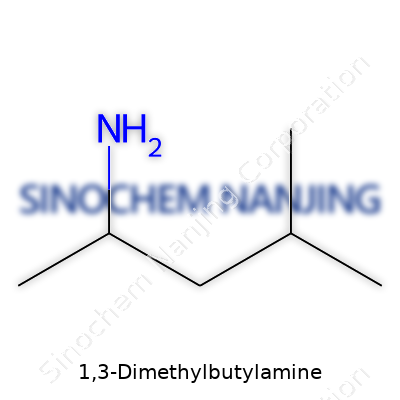

| Names | |
| Preferred IUPAC name | N,3-dimethylbutan-1-amine |
| Other names |
DMBA 4-Methyl-2-hexanamine AMP citrate 1,3-Dimethylbutanamine |
| Pronunciation | /ˈwaɪ ən ˈθri daɪˈmɛθɪlˌbjuː.tɪl.əˌmiːn/ |
| Identifiers | |
| CAS Number | 108-26-9 |
| Beilstein Reference | 1636078 |
| ChEBI | CHEBI:104931 |
| ChEMBL | CHEMBL153129 |
| ChemSpider | 154214 |
| DrugBank | DB11590 |
| ECHA InfoCard | 03b2c520-9f45-4b3b-bd9d-1d97f9df4c33 |
| EC Number | 211-539-7 |
| Gmelin Reference | 84068 |
| KEGG | C10764 |
| MeSH | D000701 |
| PubChem CID | 69371 |
| RTECS number | EL8575000 |
| UNII | NT7B8G6J9R |
| UN number | UN2716 |
| CompTox Dashboard (EPA) | DTXSID20885744 |
| Properties | |
| Chemical formula | C6H15N |
| Molar mass | 101.19 g/mol |
| Appearance | Colorless liquid |
| Odor | amine-like |
| Density | 0.722 g/mL at 25 °C |
| Solubility in water | Slightly soluble |
| log P | 1.6 |
| Vapor pressure | 0.7 kPa (at 20 °C) |
| Acidity (pKa) | 10.73 |
| Basicity (pKb) | 3.20 |
| Magnetic susceptibility (χ) | -7.95 × 10⁻⁶ cm³/mol |
| Refractive index (nD) | 1.402 |
| Viscosity | 14 cP (20°C) |
| Dipole moment | 2.05 D |
| Thermochemistry | |
| Std molar entropy (S⦵298) | 218.6 J·mol⁻¹·K⁻¹ |
| Std enthalpy of formation (ΔfH⦵298) | -120.1 kJ/mol |
| Std enthalpy of combustion (ΔcH⦵298) | -4815.7 kJ/mol |
| Hazards | |
| GHS labelling | GHS02, GHS07 |
| Pictograms | GHS06, GHS08 |
| Signal word | Warning |
| Hazard statements | H302: Harmful if swallowed. |
| Precautionary statements | P210, P261, P264, P271, P301+P312, P304+P340, P312, P330, P501 |
| NFPA 704 (fire diamond) | 2-3-0 |
| Flash point | 63 °C (145 °F; 336 K) (closed cup) |
| Autoignition temperature | 210 °C |
| Explosive limits | Lower explosive limit: 1.1%, Upper explosive limit: 9.8% |
| LD50 (median dose) | 2150 mg/kg (rat, oral) |
| PEL (Permissible) | Not established |
| REL (Recommended) | 0.35 mg/m³ |
| Related compounds | |
| Related compounds |
Amphetamine 4-Methylhexan-2-amine 2-Aminoisoheptane Dimethylamylamine |



