1,3,5-Trichlorobenzene: More Than Just a Chemical Name
Historical Development: A Walk Through Industrial Chemistry
My first real encounter with 1,3,5-Trichlorobenzene came during a research stint in a laboratory focused on chlorinated aromatics. In the annals of synthetic organic chemistry, this compound has carried its own weight since the late nineteenth century. Scientists began synthesizing chlorinated benzenes in pursuit of new dyes, solvents, and pesticide precursors. Early publications from German chemists, who seemed endlessly fascinated with halogenated hydrocarbons, document the early routes and initial observations of its crystalline structure. Over the decades, the market for trichlorinated benzenes grew in response to industrial demand for targeted solvents and chemical intermediates. While not as widely mass-produced as monochlorobenzene or its sister isomers, the 1,3,5 trichloro form secured a consistent if modest place in chemical plants, riding the waves of chlorinated compound trends and recessions alike.
Product Overview: What Sets 1,3,5-Trichlorobenzene Apart
Through my career, I learned how nuanced the world of industrial benzene derivatives can be. In this line, 1,3,5-Trichlorobenzene stands apart for its symmetrical structure, leading to discreet differences in its behavior compared to 1,2,4- or 1,2,3- isomers. Chemists value this compound both for its reactivity and for how thoroughly it crystallizes from solution, making it easier to separate and purify than many related chemicals. In manufacturing, its primary use has not been as a commodity solvent—there are cheaper, less regulated alternatives—but more often as a building block for specialty products or as a standard in analytical research, where purity and chemical predictability matter more than price.
Physical & Chemical Properties: Small Details That Matter
Over the years, you start to develop a sixth sense for what makes certain chemicals tick. 1,3,5-Trichlorobenzene comes as colorless needle-like crystals, with a distinct chemical sharpness in its odor. Its melting point sits around 63 degrees Celsius, giving it a reputation for high purity in the lab, since even trace contaminants can shift the delicate needles off their mark. Soluble in most organic solvents, it resists dissolving in water—a trait that has shaped its behavior in environmental chemistry. Its chemical robustness springs from the distribution of three chlorine atoms evenly across the benzene ring, creating a stable aromatic system resistant to casual breakdown but reactive to specific chemical triggers like nucleophilic substitution or Friedel-Crafts acylation.
Technical Specifications & Labeling: More Than Just Numbers
Chemical plants and suppliers dealing in 1,3,5-Trichlorobenzene face rigorous expectations on technical specs. Purity above 99 percent signifies not just quality but also the supplier’s commitment to safe handling and traceability. Labels—required by strict global conventions—must signal its toxic potential, environmental hazards, and flammability. In the best-run labs, that label means you treat each vial with the caution you would offer a wild animal; you respect the gloves, the goggles, the cumulative wisdom of prior exposures. Real trust comes from knowing exactly which batch you’re working with, so robust documentation and chain-of-custody matter more than most realize.
Preparation Method: Chemistry’s Workhorse Techniques
Looking back at the synthetic routes, much of the production relies on direct chlorination of benzene or chlorobenzene with specific catalysts. In one of my college chemistry projects, we studied catalytic chlorination using iron(III) chloride, which can yield different isomers based on the reaction setup. To target the symmetrical 1,3,5 arrangement, conditions must be carefully controlled; otherwise, mixtures of unwanted products pile up. After reaction, purification by fractional crystallization or distillation gives that signature crystalline product. Advances in green chemistry now push for milder alternatives or recycled reagents, but most large-scale plants still run on the legacy models handed down by generations of process engineers.
Chemical Reactions & Modifications: Flexibility for the Synthetic Chemist
In synthetic work, 1,3,5-Trichlorobenzene earns respect as both substrate and standard. Those three chlorine atoms offer convenient handles for substitution reactions, allowing stepwise replacement with nucleophiles. I once watched a senior chemist forge complex polychloro derivatives by carefully tweaking temperature and time so only specific positions would react. Mechanistically, it’s a classic demonstration of how electron-withdrawing groups and aromatic stability determine outcomes. Further, the core can be a jumping-off point for reductive dechlorination, followed by even more targeted modifications, creating everything from custom agrochemical intermediates to small-scale pharmaceutical scaffolds.
Synonyms & Product Names: More Than One Face
Chemists rarely stick to just one name for a compound. Search patent files or older chemistry manuals and you’ll spot names like 1,3,5-Trichlorobenzol, sym-Trichlorobenzene, or even TCB. Regulatory agencies push for standardized naming, but anyone schooled in chemistry before digital catalogs usually keeps a mental translation table. In research or commercial ordering, accuracy in identifying the isomer matters—confusing the 1,2,4 arrangement with 1,3,5 can cause a world of trouble, both scientifically and financially.
Safety & Operational Standards: Precaution Over Complacency
Experience shows safety with chlorinated aromatics is no trivial matter. Long before fresh-out-of-college workers step into the lab, training drills the hazards of skin absorption and inhalation. 1,3,5-Trichlorobenzene packs moderate toxicity, causing concern for the liver and kidneys with prolonged exposure. Its low volatility tempers acute risk, but powder or vapor can linger if spills aren’t swiftly handled. Even beyond personal health, improper disposal risks downstream contamination—a persistent worry in regions where groundwater cycles slowly. Engineering controls, tight container storage, and current Material Safety Data Sheets form my personal checklist before any handling.
Application Area: Where Chemistry Meets the Real World
Industry uses 1,3,5-Trichlorobenzene where reliability trumps volume. My former team tapped it as a calibration standard for chromatographic methods, owing to its chemical purity and stability. Outside the lab, limited but persistent use crops up in the synthesis of herbicides, insecticides, and specialty polymers—products demanding precision in their aromatic core. Although never a blockbuster commodity, it also finds roles in research as a prototypical halogenated aromatic, underpinning models for reaction theory and environmental transport.
Research & Development: Always Another Question
Modern research with this compound intersects green chemistry, environmental fate, and advanced synthesis. Academics ask what happens as trace levels persist in soil, or investigate more sustainable ways to recycle and degrade chlorinated aromatic waste. I recall seminars where researchers probed the limits of dechlorination catalysts or engineered bacteria to break down toughened chlorinated rings. Investment in R&D now chases cleaner production and targeted remediation—questions that never seem to run out, just shift focus over decades.
Toxicity Research: What We Know and What We Don’t
Studies link prolonged exposure to 1,3,5-Trichlorobenzene with liver, kidney, and neurological effects in both animal models and, in rare events, humans. During one risk assessment review, I saw how persistent these molecules can be—lingering in fatty tissues, resisting microbial breakdown, sometimes transferring up the food chain. Regulatory agencies face tightrope decisions, weighing industrial benefit against the unseen cost of chronic exposure, both in workers and the wider environment. This line of research never really sits still, as new evidence and analytic techniques continue to refine what safe use really means.
Future Prospects: What Comes Next?
1,3,5-Trichlorobenzene’s future may not see soaring demand, but it stands as a bellwether for broader trends in specialty chemicals. Regulatory tightening around persistent organics will likely squeeze its open-market use, guiding demand toward research, niche synthesis, or tightly controlled manufacturing. Cleaner production—perhaps leveraging catalysis advances or renewable feedstocks—has room to expand, especially as downstream industries demand accountability. My own view: innovation will move the needle from risk management to smart lifecycle engineering, where every molecule’s entry and exit gets tracked and tuned. As more industries demand transparency and stewardship, every chemical—no matter how familiar—gets another look.
What is 1,3,5-Trichlorobenzene used for?
Everyday Uses That Fly Under the Radar
People rarely ask where the chemicals behind paints, pesticides, and dyes come from, yet 1,3,5-trichlorobenzene plays a quiet but significant part in getting these products on the shelf. Most folks never see it, but this compound supports plenty of familiar industries—and sometimes raises questions about its place in the modern world.
A Piece of the Chemical Puzzle
1,3,5-Trichlorobenzene, made from benzene, shows up in chemical factories that aim to make tough products and precise molecules. It works well as a raw material for other chemicals. Its three chlorine atoms bonded to a benzene ring make it perfect for building more complex molecules, especially in the pesticide industry. This compound’s properties mean it stands up to heat and mixes well with other chemicals, which matters if you need solid results every time.
How It Shapes Modern Manufacturing
A lot of colorants and dyes wouldn’t exist without intermediates like this. I once spoke to an old friend who ran a textile business; his company got fabrics in every shade, but few workers knew much about how raw chemicals influenced color permanence. He pointed out that 1,3,5-trichlorobenzene often served as a starting point for pigments that just wouldn’t fade in the wash. That toughness isn’t just for looks—fabrics that stay colorfast longer bring value to customers and reduce waste, since people toss faded clothes sooner.
The compound also lands in the world of agrochemicals. Farmers and gardeners benefit from improved herbicides and fungicides, where trichlorobenzene acts as a foundational building block. The food supply depends in part on these chemicals; without solid bases like trichlorobenzene, pest control products would be weaker, and crop yields could falter. That said, every time we rely on synthetic chemicals to boost production, regulators and scientists keep watch for health and safety risks.
Industry Benefits, But at a Cost
Not everything about trichlorobenzene shines. It also appears as a solvent, especially in situations where heat and pressure matter. Some labs use it for crystallizing other substances, and older engineering texts highlight its role as a heat-transfer medium. Substances that can handle high heat, like trichlorobenzene, help drive progress in engineering and research, yet they come with baggage.
Factories that handle this chemical need firm safety rules. The Environmental Protection Agency lists it as a hazardous air pollutant, and workplace guidelines keep exposure limits strict. Possible human health impacts, from chronic exposure or poor containment, force companies to invest in better ventilation, personal protective gear, and safer storage. Years ago, I watched safety drills in a coatings plant, where workers reviewed spill procedures for products containing trichlorobenzene—no shortcuts, just careful steps to keep everyone healthy.
Better Alternatives Mean Smarter Choices
Green chemistry research grows every year, and some companies search for alternatives to traditional chlorinated compounds. As pressure builds to replace persistent and accumulative chemicals, industry leaders look for new chemical routes—ones with fewer toxic byproducts and lower environmental footprints. Transparent supply chains, safer workplace standards, and public health campaigns push the conversation forward, bringing new solutions into focus. While 1,3,5-trichlorobenzene remains important today, pressure for change speaks to a wider shift people want to see in industry and the environment.
What is the molecular formula of 1,3,5-Trichlorobenzene?
Digging Into 1,3,5-Trichlorobenzene
Eyes tend to glaze over at the mention of benzene rings, but 1,3,5-Trichlorobenzene offers a good reason to push through. This compound packs some punch when talking about chemicals that keep the world turning, from specialty dyes to research labs. Its molecular formula—C6H3Cl3—says a lot for such a short string of letters and numbers.
What That Formula Means
The backbone is benzene, a familiar six-carbon ring that has been at the core of organic chemistry for a long time. Drop three hydrogen atoms and swap them for three chlorine atoms at the 1, 3, and 5 spots on the ring, and you’ve got 1,3,5-Trichlorobenzene. This change brings a new set of properties, especially with chlorine’s reputation for making molecules tougher and less reactive.
It’s easy to see how small changes turn a common compound like benzene into something that works for more specialized applications. The three chlorine atoms set this molecule apart, affecting its behavior and safety profile. Pick up a chemistry textbook, and there’s no shortage of warnings about handling chlorinated benzenes with care.
Why Care About Molecular Formulas?
For anyone who ever mixed household cleaners, it’s clear that knowing exactly what’s inside matters a great deal. The molecular formula helps break through the clutter, spelling out how many atoms of each element are in the ring—six carbons, three hydrogens, three chlorines. That’s the difference between a harmless ingredient and something much more serious, especially in large quantities or in the workplace.
Experience also shows that industry professionals rely on these formulas for more than just curiosity. Chemical engineers and environmental scientists use them to track leaks, design better filtration, and figure out disposal plans. C6H3Cl3 might look like alphabet soup to some, but one missing atom could spell trouble on the job or in the environment. Documentation and strict record-keeping cut down on risk, and this formula is often the first step toward accountability.
Addressing Real Risks
Workers exposed to compounds like 1,3,5-Trichlorobenzene sometimes face headaches, skin irritation, or long-term health worries if standards slip. Agencies such as OSHA put rules in place for just this reason. Proper labeling and up-to-date safety sheets don’t just tick boxes—they keep people out of the hospital. Public health takes a hit when these standards are ignored, especially in areas with weak enforcement or limited resources.
Fixing the problem demands more than a single solution. Stronger education works best, starting with chemistry basics early on. Most folks learn the value of reading the label or checking a safety sheet by doing, not just by memorizing rules. Companies do better by offering hands-on training instead of dense handbooks that nobody reads. Digital tools may help, but nothing replaces someone’s own experience in catching a mistake before it snowballs.
Regular People and Everyday Safety
Some argue these formulas only matter in the lab. In reality, many folks handle industrial chemicals every day, often without thinking about the specifics. Reading C6H3Cl3 on a drum or data sheet acts as a warning sign, a tiny piece of knowledge that could save a person from an accident. Small efforts—like reviewing what a formula means or practicing safe handling—build confidence and keep accidents rare.
Is 1,3,5-Trichlorobenzene hazardous or toxic?
Getting to Know the Risk
1,3,5-Trichlorobenzene shows up in industrial settings more often than most people realize. Factories use it to make dyes and pesticides, and it finds its way into plastics and solvents. For someone who’s worked near chemical production, one thing becomes pretty clear: handling substances like this brings both practical advantages and genuine safety concerns. Government agencies such as the EPA and OSHA list 1,3,5-Trichlorobenzene as a substance worth regulating, which catches my attention right away.
Why Exposure Matters
People working around this chemical might smell a sharp, musty odor if it’s in the air, but you can’t always use your nose as a reliable safety gauge. It doesn’t take high levels for side effects to kick in. Short-term symptoms can show up with just a bit of exposure—think dizziness, irritation in the nose or throat, and headaches. Spend enough time around it or handle it without protection, and skin and eyes can burn or turn red. Accidental splashes or spills in the workplace make these problems very real.
Impact on Health
Breathing in 1,3,5-Trichlorobenzene over a long period opens the door to bigger health issues. Studies in animals have revealed liver and kidney troubles after consistent contact. There’s not enough data yet to confidently say it causes cancer in humans, but some animal tests suggest a possible risk. All this uncertainty pushes responsible companies to set low exposure limits for their workers. Regulations are shaped by this data, not to create red tape, but to lower the odds of something worse showing up years down the line.
Staying Safe at Work and Home
Jobs that involve mixing or packaging chemicals often come with detailed safety rules. Contractors now expect personal protective equipment: gloves, goggles, masks, and solid ventilation. I’ve seen how open communication in the workplace—people talking about spills, strange smells, and proper clean-up gear—makes a real difference. Employees who know what they’re working with get hurt less often than those who only follow checklists.
At home, ordinary folks rarely run into 1,3,5-Trichlorobenzene unless they live near a manufacturing site or illegal dumping grounds. In my experience, good community awareness keeps neighborhoods safer. Public records about chemical storage and local emergency plans help keep accidental leaks from spiraling into long-term problems.
Limiting Environmental Impact
Leaking chemicals can slip into nearby water or soil. Plants and animals sometimes pick up the residues, which can move through the food chain. It’s not just a hazard for people; it’s a risk for fisheries, water sources, and farm crops. Cleanup after spills often means digging up earth or setting up filters, and costs can skyrocket if no one catches the problem early. Quick action and technology both play a part, but old-fashioned vigilance wins the day.
Better Choices Ahead
The future doesn’t have to look like the past. I’ve seen some bigger companies swap harsh chemicals for less toxic options when possible. Governments sometimes offer grants to help with changeovers. Training for workers, clearer warning labels, and regular site inspections keep the focus on prevention. It’s not always easy or cheap, but improving health and safety pays off down the road—and nobody regrets investing in safer working conditions.
References
Sources: EPA Chemical Hazard Information, CDC NIOSH Pocket Guide, OSHA Occupational Chemical Database, ATSDR Toxicological Profile for Chlorinated Benzenes
How should 1,3,5-Trichlorobenzene be stored?
Why Safe Storage Matters
Anyone who’s spent time working in a lab or near chemical stockrooms recognizes the risk certain industrial compounds pose. 1,3,5-Trichlorobenzene isn’t something to brush off lightly. Handling this compound with respect matters for both personal health and environmental safety. Inhalation, skin contact, or accidental spills quickly turn into headaches—sometimes literally—if things aren’t stored with some care. Reports from toxicology databases point to irritation and possible organ effects with repeated exposure. According to the CDC, chemicals like this can impact breathing and the nervous system if vapors escape or contact isn’t quickly dealt with.
What Proper Storage Looks Like
Experience says it’s less about complex systems and more about strong fundamentals. Start with an area designed for chemicals—forget about tossing containers onto any basement shelf. Ventilation plays a big role here. Air exchange systems keep vapors from building up, which is especially important for aromatic compounds like 1,3,5-Trichlorobenzene. Safety cabinets, built from metal and fitted with secure, lockable doors, offer a strong line of defense. These cabinets stay cool and resist corrosion from fumes or leaks.
No one wants to see a container weaken or break down, which means using the original packaging or switching to glass or HDPE bottles with tightly sealed lids. Labels should shout out the chemical name—not some fading code—plus a bold hazard pictogram. It sounds simple. In reality, time pressures and routine create shortcuts, but clear labels toss confusion out the window, especially during busy audits or in emergencies.
Keep the Hazards in Check
I’ve seen smart storage make the difference between a minor annoyance and a full evacuation. Flammable signs on the cabinet doors signal the fire risk. Store far away from open flames, heat sources, or anything that might spark. 1,3,5-Trichlorobenzene stays most stable under moderate temperatures—usually below 25°C. Temperatures climbing higher increase the pressure inside bottles and can cause slow leaks or even explosions.
Moisture isn’t a friend either. Water can cause certain chemicals to slowly degrade or even react. Dry, shaded spaces lower this risk. Shelves inside cabinets should have lips or secondary containment trays. If a bottle cracks, the liquid collects in a tray instead of running across the stockroom floor. For teams working with lots of chemicals, these trays keep small accidents small.
Preventing Accidents Before They Happen
Routine checks go a long way. Inspect seals, caps, and labels every few months. Keep a spill kit stocked nearby—absorbent pads, gloves, appropriate neutralizers—and make sure everyone knows where it is, not just the safety officer. If a spill does happen, trained staff can jump into action immediately, preventing the issue from spreading or getting serious.
Disposal never comes down to pouring leftovers down the drain. Contact a certified waste contractor. Environmental agencies keep strict rules for discarding halogenated aromatics due to their long-lasting impact on ecosystems. Storage logs keep track of what’s on the shelf and for how long. Forgetting a bottle until it’s yellowed or pressurized makes trouble down the line, so up-to-date records help everyone stay accountable.
Most mishaps stem from neglect, not malice. Setting up a strong storage routine keeps 1,3,5-Trichlorobenzene in check, protects everyone on site, and keeps regulators happy during surprise visits.
What safety precautions should be taken when handling 1,3,5-Trichlorobenzene?
Understanding the Risks
The moment a chemical carries a name as clunky as 1,3,5-Trichlorobenzene, my first instinct comes straight from a few years helping out in a chemical plant: I put on my gloves. Even if fewer people talk about this compound than more common hazards, the risks are real—skin and eye irritation, trouble breathing, and even long-term chronic effects with enough exposure. A friend once shared stories from a yard where barrels, improperly sealed, ended up leaking fumes. Folks near the storage unit coughed all afternoon. Remind me to never skip the basics.
Protective Gear: Non-Negotiable
No fancy lab coats or cutting-edge filters replace the basics. Chemical splash goggles keep the vapor and liquid out of your eyes. Nitrile gloves prove much safer than latex—chlorinated aromatics love to sneak through weaker barriers. If splashing seems likely, a face shield helps, but a full lab coat or suit matters more. Boots sealed around the ankles prevent accidental spills soaking straight through socks.
Good Ventilation: Never Just a Box-Ticking Exercise
One memory sticks: a ventilator fan in the corner, so loud nobody wanted it switched on. Yet after a handful of spills in poorly ventilated rooms, I’ve learned, proper airflow isn’t just a checklist item. 1,3,5-Trichlorobenzene vapors irritate breathing passages and can turn a regular shift into a respiratory nightmare. Exhaust fans and open-air workstations keep the air clear. Rely on local fume hoods in labs and industrial extractors in plant floors—never trust open windows alone to keep things safe.
Storing It Right
Every drum or bottle ought to come with a tight lid, stored somewhere cool, dry, and out of direct sunlight. Heat pushes up vapor pressure, raising the risk of leaks or small explosions if a spark shows up. I once saw the difference between tidy, labeled storage and a back-corner mess: the team in the tidy room got to go home on time, while the other scrambled to clean residue from a slow leak for hours. Always keep incompatible chemicals apart; acids don’t mix well with trichlorinated benzenes.
Clear Handling Procedures
Clear protocols beat vague reminders any day. Senior techs showed me the ropes by insisting on written procedures—no shortcuts, no “I know what I’m doing." That meant double-checking MSDS sheets, keeping emergency showers and eyewash stations within a short dash, and knowing exactly who to call in an emergency. In larger facilities, dedicated spill kits nearby shave minutes off cleanup times, turning panic into practiced response.
Waste Disposal: Taking Responsibility Seriously
Pouring leftover 1,3,5-Trichlorobenzene down the drain often gets folks in trouble with regulators, and can taint groundwater for good. Proper disposal means sealed containers and handing waste to folks licensed for chemical treatment or incineration. Internal audits—just someone walking storage rooms with a checklist—help catch problems before the wrong drum gets mixed or leaks into a storeroom.
Training: No Substitute for Experience, But Education Matters
My first training session felt tedious, full of warnings and numbers that blurred together. Over the years, I’ve seen close calls avoided because someone remembered the right step at the right time. Generational hand-me-down lessons matter too, but regular, honest-to-goodness education—annual refreshers, hands-on drills—make sure the new folks don’t learn from costly mistakes.
Building a Safety Culture
Mistakes around chemicals rarely stay small. Everyone looks out for everyone else. Trust and clear communication show up in daily habits—not just policy binders. Good companies reward honest reporting of near-misses rather than punishing them. My best days involved teams willing to stop a process, ask questions, and rethink the steps before jumping in. With chemicals like 1,3,5-Trichlorobenzene, not seeing trouble doesn’t always mean trouble isn’t there. It takes steady vigilance to make sure every shift ends quietly, and everyone gets home without a story to tell.
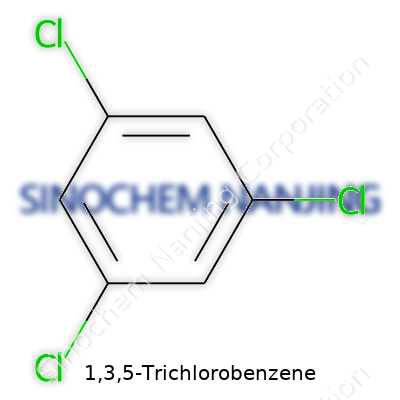
| Names | |
| Preferred IUPAC name | 1,3,5-Trichlorobenzene |
| Other names |
1,3,5-Trichlorobenzol sym-Trichlorobenzene Trichlorobenzene Benzene, 1,3,5-trichloro- |
| Pronunciation | /ˌwaɪ̯n.θriː.faɪv.traɪˌklɔːr.əˈbɛn.ziːn/ |
| Identifiers | |
| CAS Number | 108-70-3 |
| Beilstein Reference | 1238735 |
| ChEBI | CHEBI:34743 |
| ChEMBL | CHEMBL15461 |
| ChemSpider | 6706 |
| DrugBank | DB06814 |
| ECHA InfoCard | 03e39a9b-4077-4b82-8c47-cb4b415b6f6d |
| EC Number | 203-609-1 |
| Gmelin Reference | Gmelin 73077 |
| KEGG | C06581 |
| MeSH | D014264 |
| PubChem CID | 6917 |
| RTECS number | DC3325000 |
| UNII | RRF8J4079I |
| UN number | UN2321 |
| CompTox Dashboard (EPA) | DTXSID1020211 |
| Properties | |
| Chemical formula | C6H3Cl3 |
| Molar mass | 181.44 g/mol |
| Appearance | White crystalline solid |
| Odor | Aromatic odor |
| Density | 1.45 g/cm³ |
| Solubility in water | Insoluble |
| log P | 3.9 |
| Vapor pressure | 0.31 mmHg (25°C) |
| Acidity (pKa) | 12.8 |
| Basicity (pKb) | Basicity (pKb) : 12.45 |
| Magnetic susceptibility (χ) | -70.7·10⁻⁶ cm³/mol |
| Refractive index (nD) | 1.563 |
| Viscosity | 1.24 mPa·s (20 °C) |
| Dipole moment | 2.15 D |
| Thermochemistry | |
| Std molar entropy (S⦵298) | 170.7 J·mol⁻¹·K⁻¹ |
| Std enthalpy of formation (ΔfH⦵298) | -7.7 kJ/mol |
| Std enthalpy of combustion (ΔcH⦵298) | -1967.8 kJ/mol |
| Pharmacology | |
| ATC code | D08AX04 |
| Hazards | |
| GHS labelling | GHS02, GHS07, GHS08 |
| Pictograms | GHS07,GHS08,GHS09 |
| Signal word | Warning |
| Hazard statements | H302, H315, H319, H335, H410 |
| Precautionary statements | P210, P261, P273, P280, P302+P352, P305+P351+P338, P312 |
| NFPA 704 (fire diamond) | 2-2-0 |
| Flash point | 108 °C |
| Autoignition temperature | 380 °C |
| Lethal dose or concentration | Lethal dose or concentration: LD50 oral (rat): 756 mg/kg |
| LD50 (median dose) | LD50 (median dose): 756 mg/kg (oral, rat) |
| NIOSH | UY2450000 |
| PEL (Permissible) | PEL: 2 ppm (skin) |
| REL (Recommended) | 0.5 ppm |
| IDLH (Immediate danger) | 40 ppm |
| Related compounds | |
| Related compounds |
Benzene Chlorobenzene 1,2-Dichlorobenzene 1,4-Dichlorobenzene 1,2,3-Trichlorobenzene 1,2,4-Trichlorobenzene Tetrachlorobenzene Pentachlorobenzene Hexachlorobenzene |



