Looking at 1,2-Dichlorobenzene: Chemistry, Industry, and Our Responsibility
Tracing Its Roots
Over a century ago, chemists searching for new synthetic tools stumbled on a group of aromatic compounds that changed manufacturing. Among them was 1,2-dichlorobenzene. Its simple structure—two chlorine atoms clinging to adjacent spots on a benzene ring—might not excite someone outside the lab, but this molecule quietly shaped sectors from agrochemicals to dye manufacturing. Factories hit their stride after the first world wars, and soon, this chemical saw steady demand for its powerful, greasy-solvent properties. Its path weaves through the rise of industrial chemistry, hand-in-hand with the spread of modern materials and technology.
What Sets It Apart
1,2-Dichlorobenzene appears as a clear, nearly colorless liquid when stored right, releasing a sharp, pungent odor that can fill a lab even at low concentrations. Its molecular formula—C6H4Cl2—explains its nature: dense, heavier than water, and stubbornly persistent in the environment. It blends well with common organic solvents, resisting dissolution in water. People sometimes mistake its oily feel and strong smell for nastier chemicals, which underscores how misplaced a casual approach to handling it can be. Many solvents come and go, but this one keeps turning up where tenacity and chemical muscle are needed.
Putting It on the Label
Chemists who spend time with 1,2-dichlorobenzene notice its physical constants cropping up every time they dig through reference tables. The liquid boils at around 180 degrees Celsius, and its melting point sits a bit below freezing, which makes winter handling tricky in poorly heated warehouses. Its density—over 1.3 g/cm³—helps with separating phases in technical work. Product labels legally need to show hazard statements, proper chemical name, and codes like CAS# 95-50-1, flags for those who know what to watch for. These details keep mishaps from turning from misstep to disaster, especially in bulk usage.
Cracking the Preparation Process
Industry usually makes 1,2-dichlorobenzene by direct chlorination of benzene, carefully controlling temperature and catalysts to favor ortho substitution over meta or para isomers. This approach doesn’t offer perfect control, so mixtures of dichlorobenzene isomers result, but fractional distillation and meticulous purification sort things out. Large-scale production carries a history of accidental spills and environmental releases, which haunted communities and led to stricter oversight in countries with tough environmental codes. Each batch is a reminder of the balance between efficient chemical production and our duty to prevent pollution.
Getting Creative in the Reaction Flask
Few chemicals resist transformation forever. 1,2-Dichlorobenzene serves as a launching pad for making herbicides, dyes, and some specialty polymers. The two neighboring chlorines are good leaving groups in substitution reactions, opening doors for chemists crafting fancier molecules. Nucleophilic aromatic substitution takes advantage of its activated rings to add new functional groups, especially with strong bases and good nucleophiles. In research, 1,2-dichlorobenzene acts as both starting point and occasional solvent for tough synthetic jobs, proving that old compounds still belong on the modern bench.
Nicknames and Alternative Tags
People call 1,2-dichlorobenzene by several labels: ortho-dichlorobenzene, 1,2-DCB, and o-dichlorobenzene act as shorthand in scientific papers and safety sheets. These synonyms allow chemists from different backgrounds to land on the same page when a single spelling doesn’t make its way around the world. In factories and shipping, holding to consistent naming prevents errors in storage and shipment. In my experience, switching between “ortho” and “1,2-” in conversation without clarification can confuse even skilled operators, so cross-checking synonyms with context matters.
Living Up to Modern Safety Standards
Decades ago, people treated solvents like 1,2-dichlorobenzene with a shrug, splashing them in open air and ignoring respiratory protection. Those days have passed. Its documented impact on health—irritation, damage to liver and kidneys, effects on the nervous system—led to tighter workplace controls. Workers demand solid ventilation, chemical-resistant gloves, and reliable respiratory gear. Modern rules, laid out by organizations like OSHA or international analogues, demand regular exposure monitoring, accident reporting, and thorough training. Chemical plants that neglect these systems pay the price, occasionally with lives lost and heavy fines.
Getting Down to Applications
Open almost any guide to industrial solvents and 1,2-dichlorobenzene makes the list. It performs crucial work removing waxes and degreasing machinery in metal processing industries. Older times saw use in mothballs, but less toxic alternatives have pushed it out of closets and attics. In organic synthesis, the compound helps produce herbicides and certain dyes, stepping into production streams with soft power—without it, many colors and agricultural tools never appear. Surfactant manufacturers and some polymer chemists still value its stability under demanding conditions. Its role in advanced chemical transformations keeps it lodged in industrial inventories, not just as an old favorite but as an essential worker.
Chasing the Next Breakthrough: Research and Progress
Scientists approach 1,2-dichlorobenzene from several angles. Analytical chemists track its ability to act as both matrix and solvent in complex spectroscopy. Environmental researchers develop new methods to extract it from contaminated soil and groundwater, aiming to clean legacy waste without adding new hazards. Some labs tinker with its structure, swapping chlorines for other groups to discover fresh reactivity or lower toxicity. Every year, research yields deeper insight into how this chemical moves and changes in living systems, guiding remediation and setting the stage for safer handling in future generations.
Toxicity and Relentless Scrutiny
Regulators, toxicologists, and public health professionals didn’t always pay attention to 1,2-dichlorobenzene's risks. That changed as its persistence in soil and water resulted in documented harm to wildlife and humans. Its volatility makes inhalation the top risk in workplaces. Long-term studies show links to organ damage, and in concentrated doses, animals suffer liver changes and disrupted kidney function. Modern toxicology digs into how the compound and its breakdown products interact in the body, searching for biomarkers to diagnose exposure and new strategies to reduce harm. Environmental persistence keeps communities on alert near production and waste sites. This chemical's health profile serves as a lesson in why strict oversight and continuous research must walk hand-in-hand with production.
The Road Ahead: Balancing Industry and Responsibility
Looking toward the future, companies and researchers face a choice. The benefits of 1,2-dichlorobenzene—its reliability, versatility, and chemical backbone—keep it in play for chemists around the globe. Yet, mounting evidence of health and environmental risks pressures the industry to either refine its use or build safer alternatives from the ground up. Innovation comes from persistent scientists designing less toxic, biodegradable solvents, and from stricter regulation pushing safety upgrades before disaster strikes. Remediation tech and improved sensors now uncover even small leaks before they turn into neighborhood problems. The challenge lies in translating lessons from past missteps into better habits, stricter stewardship, and a broader view that puts safety on equal ground with productivity. As industries evolve, learning from chemicals like 1,2-dichlorobenzene marks the difference between a reckless legacy and a responsible future.
What is 1,2-Dichlorobenzene used for?
Something You Might Find Closer Than You Think
You might not hear about 1,2-dichlorobenzene in daily conversations, but this chemical turns up in more places than you’d expect. I remember reading the label on a strong-smelling toilet block once, only to see its tongue-twisting name staring back at me. The sharp odor stuck in my nose for hours, but that’s no accident—companies rely on 1,2-dichlorobenzene because it attacks odor at the source.
Big Role in Cleaning Products
Most people recognize its presence in deodorizing blocks tucked in public restrooms or toilets. It doesn’t just mask nasty smells; it actually tackles the molecules responsible, breaking them down. That explains the unique, powerful scent you can’t really forget. The big thing with 1,2-dichlorobenzene in cleaning products is that it’s great for handling tough environments—think greasy bus stations, subway bathrooms, or even certain factories. From personal experience, if you’ve ever cleaned restrooms at a local club or gas station, you’ve probably used it without realizing.
Industrial Power: Solvents and Degreasers
Factories use a lot of substances to keep machines running smoothly. Grease builds up, gunk clogs gears, and some chemicals just laugh at ordinary soap and water. That’s where 1,2-dichlorobenzene comes in. It loosens stuck grime, gets into tiny grooves, and gives parts a fresh start. In textile factories, it works as a solvent to remove dyes and clean up after big batches. Paint strippers and adhesives carry it, too. From repairing old motorcycles and restoring wood furniture, I can say these solvents work fast and strong, though they demand respect and proper gear.
Pesticide in the Mix
Not everything about 1,2-dichlorobenzene leads to gleaming machinery or fresh-smelling bathrooms. Mothballs and similar products often rely on this compound, since small insects and larva can’t handle its toxic punch. It keeps moths and beetles out of closets, and farmers sometimes reach for it in crop storage. The bite it brings stops pests in their tracks—no nibbled sweaters or ruined grains. Growing up in an old farmhouse, I always knew we had mothballs tucked in every corner of the attic.
Not Just Useful—There Are Drawbacks
There’s a catch. You can’t keep using tough chemicals like this without looking at safety. Prolonged exposure may cause headaches, skin problems, or breathing trouble. Pesticide residues end up in more than just storage rooms—they can travel. I once met someone whose hands broke out after using mothballs as air fresheners, thinking they were harmless. Studies show it builds up indoors, hitting poor-ventilated spaces the hardest. The EPA links long-term exposure to serious health risks, so plenty of companies look for safer options.
What Can We Do? Smarter Choices and Better Habits
People shouldn’t have to give up clean spaces or pest-free storage to stay safe. Smart ventilation, safer alternatives, and mindful use go a long way. I’ve switched to cedar blocks instead of mothballs—natural, less harsh, and a much nicer smell. For cleaning, using these chemicals in well-ventilated places and wearing gloves can cut down on risks. Even simple steps like reading labels make a difference. Regulations keep getting stricter, pushing industries to adjust. We should always weigh convenience against health, keeping eyes open for newer, safer solutions.
Final Thoughts
1,2-dichlorobenzene isn’t vanishing any time soon. Its strengths still attract plenty of industries, but being aware of its downsides matters. Each of us plays a part by making small changes in what we buy, use, and recommend to others.
Is 1,2-Dichlorobenzene hazardous to health?
Everyday Chemicals in Unexpected Places
Plenty of folks may not recognize the name 1,2-Dichlorobenzene, but this chemical slips quietly into daily routines. Found in industrial degreasers, toilet deodorizers, and even some paint strippers, it doesn’t need to be locked in a lab to cause a stir. Smelling its sharp, distinctive odor at the back of a hardware store took me right back to grade school science class—except now, the warning labels stand out a lot more.
Health Risks Out in the Open
Concerns rise when substances like 1,2-Dichlorobenzene drift into living spaces. Breathing vapors indoors or spilling some on bare skin can invite direct exposure. Short-term headaches, dizziness, eye irritation, or even trouble breathing sometimes come right after. Folks working with mothballs or cleaning supplies in closed rooms have called poison centers with these very symptoms.
Peer-reviewed research ties long-term exposure—especially in confined spaces—to possible liver and kidney damage. Lab studies on animals show those organs taking the biggest hit after repeated sniffing or skin contact. The U.S. Environmental Protection Agency classifies it as a possible human carcinogen. Sticking to paint fumes or cleaning supplies for hours isn't just uncomfortable—it could tweak basic cell function and leave the body with long-lasting changes.
Why It Matters
The homes and shops where 1,2-Dichlorobenzene lingers often lack proper ventilation. Cleaning for a few minutes might not seem risky, until the air feels thick and your eyes sting. My own dizziness after using a strong air freshener drove home how quickly things turn uncomfortable. Neighbors can’t always smell the risk, especially those with asthma, young children, or older adults. Their bodies react even faster.
This chemical’s popularity owes a lot to its power at killing mildew and deodorizing. Speed comes at a price though, and shortcuts often backfire. Many people discover the hazard after reading tiny print too late, or after a pet starts coughing in a closed room.
What We Can Do Differently
Knowledge changes habits. Reading the safety instructions under a bright light made me rethink which products belong at home. Swapping out air-fresheners for a bowl of baking soda or choosing nontoxic cleaners takes little effort. Ventilating well—cracking a window or switching on a fan—helps with more than just paint fumes.
Workplaces relying on 1,2-Dichlorobenzene can improve safety without losing effectiveness. Mandating gloves, masks, and better ventilation keeps employees away from direct spills or inhalation. Sharing clear, practical information with workers beats any unread warning sign.
Understanding Responsibility
Not everyone has time or energy to research each ingredient. Companies control what goes into their products and can make safer switches themselves. Some local governments already limit chemicals like 1,2-Dichlorobenzene in consumer items. Pushing for stronger measures—label clarity, toxicity warnings, and updated safety rules—protects neighborhoods, not just warehouses.
Standing in a store aisle faced with ten cleaning options, it helps to pick one with simple, safe ingredients listed boldly on the label. A little extra attention gives peace of mind, and sometimes, a whole lot more.
What are the safety precautions when handling 1,2-Dichlorobenzene?
Understanding the Risks
1,2-Dichlorobenzene might turn up as an industrial solvent, in degreasers, or even as a chemical for making dyes and pesticides. Many people don’t realize how quickly this clear liquid vaporizes, releasing a strong, distinct odor. Even before you read the data sheets, that harsh chemical smell can tell you trouble isn’t far off for unprotected skin, eyes, or lungs. I once worked around a storage drum of this stuff, and one careless splash on cotton lab pants led to irritated skin for days; it’s no joke.
Protecting Your Health
If you go anywhere near this compound, you have to gear up. Gloves that hold up against chemicals, like those made from nitrile or neoprene, can save you from nasty rashes. Standard latex gloves won’t cut it; the liquid soaks through in no time. A sturdy lab coat or apron—something liquid can’t soak through—gives that extra bit of insurance if hands slip or containers wobble. Safety goggles earn their keep each time a drop splashes. A tight-fitting pair stops both liquid and fumes that sting worse than onions.
Don’t Forget Ventilation
I never realized how crucial good ventilation gets until a colleague developed shortness of breath just from working near an open dish. 1,2-Dichlorobenzene gives off fumes that hurt your eyes and lungs, so a fume hood isn’t a bonus—it’s a must. If you work in a basement lab or a tight storage area, a simple fan can’t do the job. You want airflow that pulls vapors away from your face, quick and steady.
Handling and Storage Tips
The bottles usually come with clear hazard labels, but labels fade and bottles get mixed up. Every container you touch should carry a large, unmissable warning. I’ve seen coworkers store chemicals in re-used soda bottles, which looks like a recipe for disaster—childproof, original containers keep accidents away. 1,2-Dichlorobenzene reacts badly with strong oxidizers and some metals, so don’t shove everything together on one storage shelf. Keep it cool, out of sunlight, and nowhere close to sources of sparks or open flame, since the vapor can ignite with scary ease. After work, hands deserve a solid wash, even after wearing gloves—invisible residues can stick around.
What To Do in an Emergency
Small accidents can snowball fast. Know where your eyewash station and emergency shower sit before opening a single bottle. If anyone takes a hit to the skin, rip off contaminated clothing and start rinsing straight away. A splash to the eyes costs seconds; that’s all it takes for burning pain. Don’t wait for help to arrive before acting—begin first aid, then call emergency services. If you breathe in too many fumes, get out to fresh air and rest, because dizziness and headaches often follow without much warning.
Building a Safety Culture
Long-term exposure to 1,2-Dichlorobenzene links to liver and kidney issues, and some research raises concerns over carcinogenicity. Training everyone who steps foot in a facility becomes basic decency. Clear, regular communication protects not only workers but also their kids and families, since chemical traces follow home on shoes and clothes. Regular checks—on ventilation, on container labels, on personal gear—help spot trouble before it hits. Even for those who think they know it all, complacency breeds mistakes. Sharing stories, lessons learned from spills or close calls, makes safety a team sport, not just a checklist.
How should 1,2-Dichlorobenzene be stored?
Real Dangers Behind Careless Storage
People tend to pay less attention to chemicals unless there’s a strong smell, a popping canister, or a spill. In my early twenties, I worked in a small plant that handled all sorts of solvents, including 1,2-dichlorobenzene. The crew used to joke that spills “added character to the paint,” but those jokes stopped after someone mixed incompatible containers together. That day, sharp fumes caught in our throats and left us worried enough to call emergency services. No serious injuries, but the message came through: the way chemicals get stored shapes not just safety at work, but also what happens in our neighborhoods.
Keep It Cool, Keep It Dry, Keep It Secure
1,2-Dichlorobenzene comes as a clear liquid with a surprisingly sweet, almost pleasant smell, but trust me—breathing it in isn’t pleasant at all. The liquid evaporates into toxic fumes, irritating eyes and lungs before you know it. Storage should always keep temperature in mind. The substance stays stable at room temperature, though it isn’t a friend of heat. I’ve made mistakes leaving chemicals where sunlight leaks through windows. Over time, those bottles got warm, and the next person through the door noticed a chemical stench. Direct sunlight heats glass or plastic jugs and can weaken storage, trigger leaks or speed up vapor release.
Humidity invites rust and corrosion. One coworker used a questionable metal shelf lined with cardboard for years, only to find the bottom rusted out after a winter rain flooded the storage. One corner gave out and small containers of 1,2-dichlorobenzene leaked onto the ground. The cleanup took hours, and the area needed new safety checks. Sealed drums and jugs hold up best when they sit on pallets above ground, away from puddles or potential water leaks. Concrete floors help, but adding a spill tray or secondary container catches unforeseen leaks.
Ventilation Isn’t Just A Luxury
Those warning labels on chemical containers aren’t just there for inspections. I’ve worked in tight, windowless rooms where fumes built up—exposure triggers headaches and worse if it gets out of hand. Good ventilation isn’t about opening a door at the end of the day. Fixed fans, exhaust systems, or regular air movement can drop vapor concentrations and protect not just workers, but cleaning staff or anyone who steps inside. Proper ventilation pairs with fire prevention too: vapors can ignite, and one misplaced spark from an old light switches or static could change everything.
Locks, Labels, and Compliance Build Trust
Storing 1,2-dichlorobenzene safely protects more than the person holding the keys. Every container needs a clear, honest label listing what’s inside and what to do if there’s a leak or fire. Regulatory guidelines—like those set by OSHA or EPA in the U.S.—actually save money. Fines for poorly stored chemicals add up faster than the cost of fireproof cabinets or proper containers.
I’ve seen managers take pride in clean, organized chemical rooms, knowing they’re not risking employee health or facing lawsuits from nearby residents. Add routine inspections and training. Give teams simple checklists to spot rust, odd odors, or unsteady shelves. Mistakes happen, but a system that encourages reporting catches them before they turn into disasters. Taking storage seriously isn’t just following rules—it's the kind of responsibility that honors both people and place.
What is the chemical formula and physical appearance of 1,2-Dichlorobenzene?
Formula That Packs a Punch
In the world of cleaners, degreasers, and industrial solvents, 1,2-dichlorobenzene doesn’t make headlines. But its chemical formula, C6H4Cl2, is something that leads to big impacts in both manufacturing and home use. It’s not just a random arrangement of letters and numbers: that formula means a benzene ring, holding six carbons, four hydrogens, and two chlorine atoms attached next to each other. This “ortho” positioning gives the chemical its punch—changing everything from how it looks and smells to how it gets used.
What It Looks and Smells Like
Most folks will notice 1,2-dichlorobenzene by smell before anything else. It gives off a sharp, sweet, almost medicinal odor—with benzene undertones that don’t exactly scream “fresh.” In the bottle, this is a colorless to pale yellow liquid. Pour it in a beaker, and you’ll get a dense, oily layer that floats thanks to a higher density than water, just above 1.3 grams per cubic centimeter. It doesn’t dissolve in water, but it mixes well with most organic solvents.
Real-World Encounters—Why It Matters
Many have handled 1,2-dichlorobenzene, knowingly or not, while cleaning toilets, tackling mildew, or maintaining industrial equipment. It’s a mainstay in products for degreasing motors, softening sludge, and even in some mothballs. For folks working in recycling and plastics, its solvent power is irreplaceable. Manufacturers count on its ability to cut through grease fast and cleanly, and its stable formula keeps it from breaking down easily under heat or pressure.
The chemical isn’t without its issues. Exposure stories stick with me: strong whiffs in poorly ventilated places, workers breaking out headaches or dizziness, or finding out a favorite cleaner carried risks no one talked about. Real talk at the hardware store always circles back to proper protection—gloves, masks, good airflow. Many think “a little chemical won’t hurt,” but long-term workplace studies have linked repeated exposure to liver impacts and possible links to tumors. That’s not fear-mongering; it’s grounded in years of occupational health research, and even the Environmental Protection Agency flags this compound as hazardous above certain limits.
What Can Change?
Cleaner substitutes are gaining ground, using less hazardous ingredients and tighter safety rules. A few companies now provide solvent blends that break down more easily after use, lowering environmental persistence. At the plant where I once worked, switching to updated air handling systems made a real dent in employee complaints and kept exposure far below federal limits. These changes weren’t just box-ticking for compliance—they drove stronger morale and made everyone more aware.
For folks at home or in the shop, it comes down to knowing the hazards and picking safer alternatives when possible. Reading up on product labels, storing solvents far from living spaces, and keeping that room fan running all mean less risk at the end of the day.
Staying Informed Makes the Difference
From a pure chemistry angle, 1,2-dichlorobenzene is nothing special. For people who use it, though, it’s a reminder that even the most “basic” chemicals can shape industry, home practices, and health. With better information, workers, businesses, and do-it-yourselfers can get the job done without gambling with their well-being.
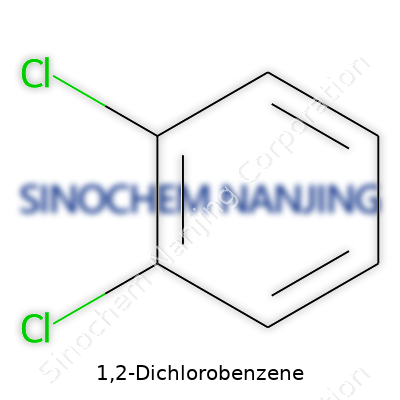
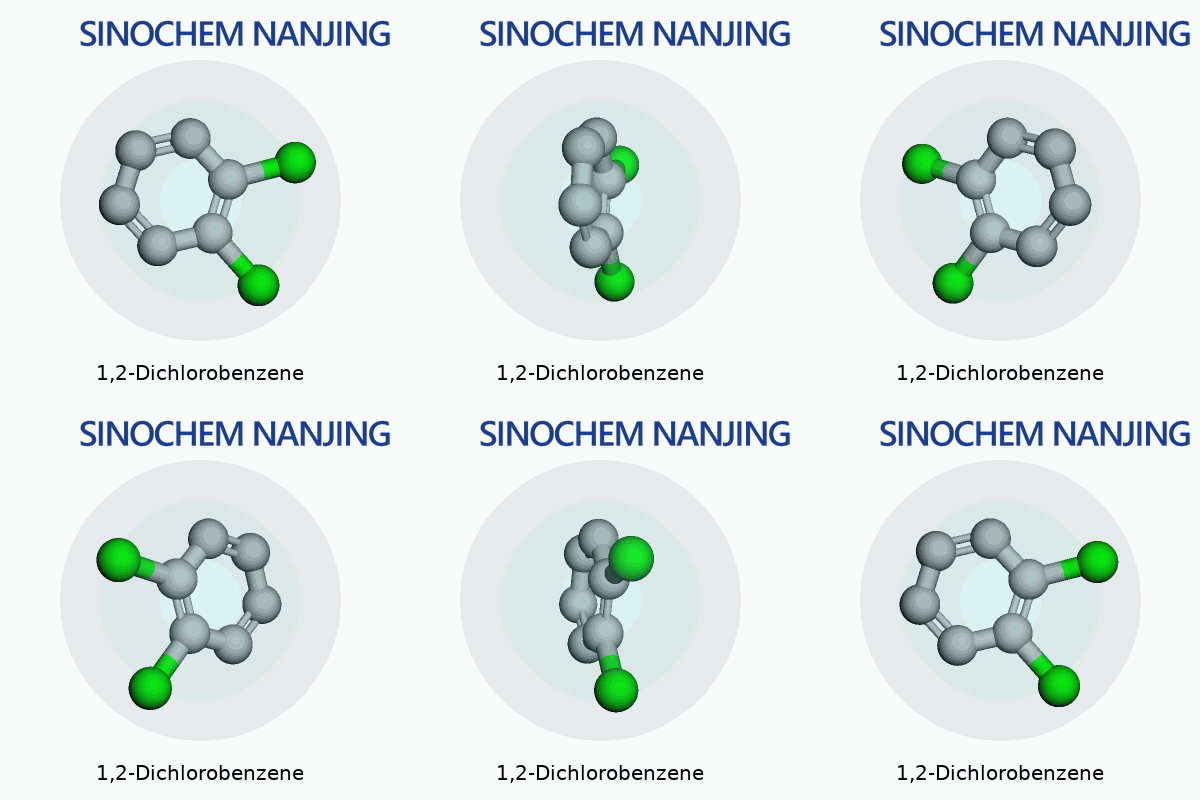
| Names | |
| Preferred IUPAC name | 1,2-dichlorobenzene |
| Other names |
o-Dichlorobenzene 1,2-DCB Odcb Orthodichlorobenzene 1,2-Benzene dichloride |
| Pronunciation | /ˈwaɪl.tuː ˌdaɪ.klɔː.rəˈbɛn.ziːn/ |
| Identifiers | |
| CAS Number | 95-50-1 |
| Beilstein Reference | 1209225 |
| ChEBI | CHEBI:34965 |
| ChEMBL | CHEMBL14222 |
| ChemSpider | 9862 |
| DrugBank | DB10942 |
| ECHA InfoCard | 100.003.037 |
| EC Number | 203-400-5 |
| Gmelin Reference | 1462 |
| KEGG | C01738 |
| MeSH | D003968 |
| PubChem CID | 7239 |
| RTECS number | DB9625000 |
| UNII | YV49038B2F |
| UN number | UN3077 |
| Properties | |
| Chemical formula | C6H4Cl2 |
| Molar mass | 147.00 g/mol |
| Appearance | Colorless to pale yellow liquid |
| Odor | Aromatic odor |
| Density | 1.30 g/mL at 25 °C (lit.) |
| Solubility in water | 0.156 g/100 mL (20 °C) |
| log P | 3.43 |
| Vapor pressure | 0.19 kPa (at 20 °C) |
| Acidity (pKa) | pKa = -3.4 |
| Basicity (pKb) | Product does not have a pKb value |
| Magnetic susceptibility (χ) | −8.37×10⁻⁶ |
| Refractive index (nD) | 1.552 |
| Viscosity | 0.81 mPa·s (25 °C) |
| Dipole moment | 2.53 D |
| Thermochemistry | |
| Std molar entropy (S⦵298) | 129.5 J·mol⁻¹·K⁻¹ |
| Std enthalpy of formation (ΔfH⦵298) | −95.2 kJ/mol |
| Std enthalpy of combustion (ΔcH⦵298) | -3877.1 kJ/mol |
| Pharmacology | |
| ATC code | D08AX10 |
| Hazards | |
| GHS labelling | GHS02, GHS07 |
| Pictograms | GHS07,GHS08 |
| Signal word | Warning |
| Hazard statements | H302, H315, H319, H332, H411 |
| Precautionary statements | P261, P271, P280, P302+P352, P304+P340, P305+P351+P338, P312, P337+P313, P362+P364 |
| NFPA 704 (fire diamond) | 2-2-0 |
| Autoignition temperature | 648°C |
| Explosive limits | 2.2–11% |
| Lethal dose or concentration | LD50 oral rat 1227 mg/kg |
| LD50 (median dose) | LD50 (oral, rat): 500 mg/kg |
| NIOSH | NIOSH: Not Established |
| PEL (Permissible) | 50 ppm (300 mg/m³) |
| REL (Recommended) | 50 ppm (300 mg/m³) |
| IDLH (Immediate danger) | 150 ppm |
| Related compounds | |
| Related compounds |
Benzene Chlorobenzene 1,3-Dichlorobenzene 1,4-Dichlorobenzene Hexachlorobenzene |



